



C1880 Glassware
These c1880 glassware pieces offer the distinctive craftsmanship and rich decorative styles of the late nineteenth century.
C1880 Glassware
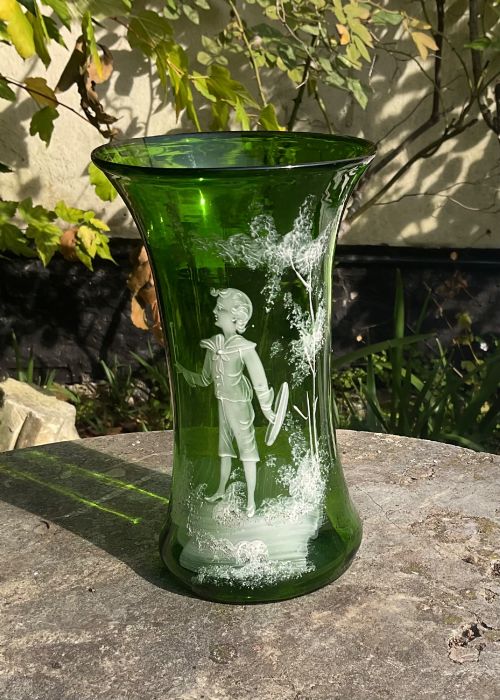
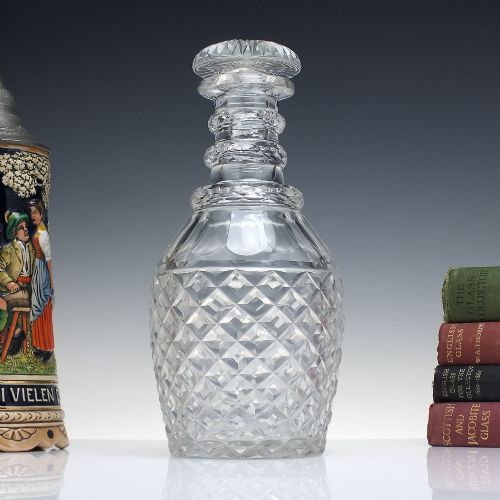
When you search for c1880 glassware, you encounter domestic and decorative vessels from the Victorian era. The selection spans utilitarian containers and ornamental display pieces, including decanters, vases, and water jugs.
Vases and rummers dominate the forms available on this page, representing both English production and continental workshops. Ruby glass, clear glass, and overshot glass appear frequently across these nineteenth-century items.
The objects reflect the diverse aesthetic tastes of the 1880s, combining traditional vessel forms with surface treatments such as enamel, gold leaf, and intricate engraving.
How c1880 glassware was made
Makers utilised traditional hot-glass techniques, shaping molten material into jugs, decanters, and tumblers. Free-blowing and mold-blowing methods created the foundational body shapes before cooling and finishing.
Surface ornamentation involved several distinct artisan processes, including wheel engraving, gold leaf gilding, and applied enamel painting. Overlay techniques created contrasting colour layers on ruby glass vessels, which workers then cut away to reveal the clear glass beneath.
C1880 Glassware Retail Price Guide 2026
Typical asking prices for c1880 glassware among the pieces listed under this phrase on Sellingantiques today, from the lower quarter to the upper quarter. They describe what is for sale here now, not the wider market.
Some Victorian wine glasses contain uranium to achieve a vibrant glow.
What varies in quality
The refinement of the decorative handwork distinguishes finer examples from standard production. Crisp wheel engraving and cleanly applied gold leaf demonstrate superior artisan skill compared to softer surface details.
The weight and clarity of the glass itself contribute significantly to the overall standard of a piece. Substantial crystal and evenly saturated coloured glass indicate a higher grade of nineteenth-century manufacture.
Richardson's
The C1880 Glassware Glossary
- Ruby glass
- A deep red glass created by adding gold chloride to the molten batch. It appears frequently in nineteenth-century Bohemian decorative pieces.
- Overshot glass
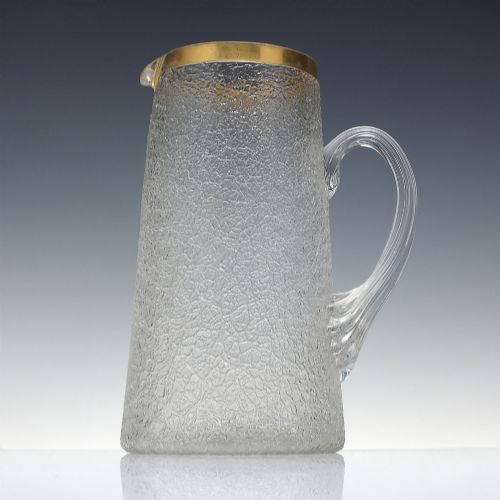
- A technique where fine threads of molten glass are rolled over a blown vessel to create a textured, icy surface. This finish is typical of Victorian water jugs and pitchers.
- Uranium glass
- A yellowish-green glass containing a small percentage of uranium oxide for colour. It glows brightly under ultraviolet light.
- Rummer
- A heavy-bowled drinking glass on a short stem and foot, popular throughout the nineteenth century for ale and wine.
- Overlaid glass
- A vessel formed by casing a coloured layer of glass over a clear or contrasting inner body. Artisans then cut through the outer layer to expose the base colour.
C1880 Glassware: Frequently Asked Questions
What is c1880 glassware?
It encompasses table vessels, drinking glasses, and decorative ornaments produced during the late Victorian period. These items reflect the prevalent styles of 19th-century European glasshouses.
The category includes functional items like water jugs and decanters alongside purely decorative vases and apothecary jars.
How do I identify Victorian glass?
Identification relies on examining the manufacturing techniques, material colours, and decorative motifs typical of the 1880s. Characteristics such as applied gilding, specific enamel painting styles, and wheel engraving help date the pieces.
Weight, pontil marks on the base, and traditional vessel forms also provide clues to the period of origin.
Where was this glass made?
The pieces originate from various European glass-producing regions active in the late nineteenth century. English makers and continental workshops, particularly in Bohemia and France, contributed significantly to this output.
Different centres specialised in specific techniques, such as Bohemian ruby glass overlay or French opalescent vessels.