



C1880 Candle Holder
A c1880 candle holder brings the warm, deliberate illumination of the late nineteenth century into a modern room.
C1880 Candle Holder
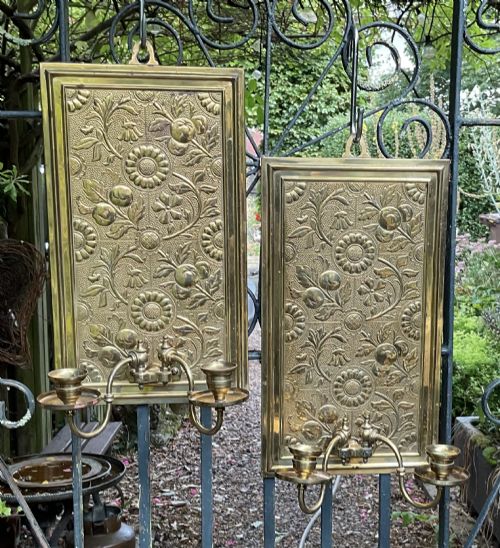
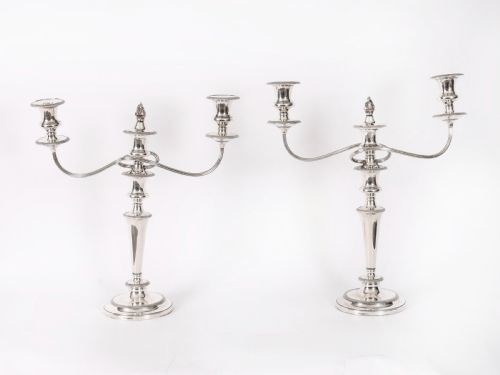
A c1880 candle holder encompasses everything from single utilitarian sticks to elaborate multi-light candelabras and wall sconces produced during the late Victorian period and the French nineteenth century. Buyers searching this phrase encounter a rich mix of domestic lighting forms, often designed in distinct historical revival styles or the more restrained lines of the Aesthetic Movement.
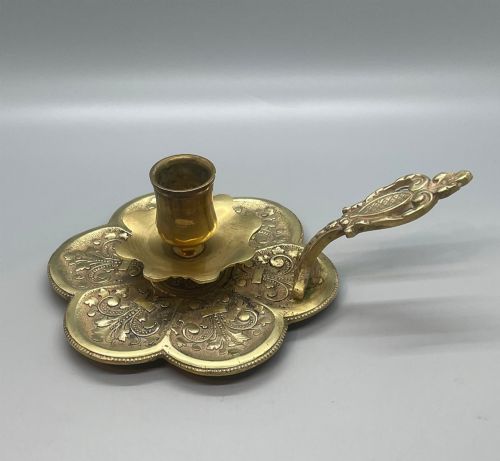
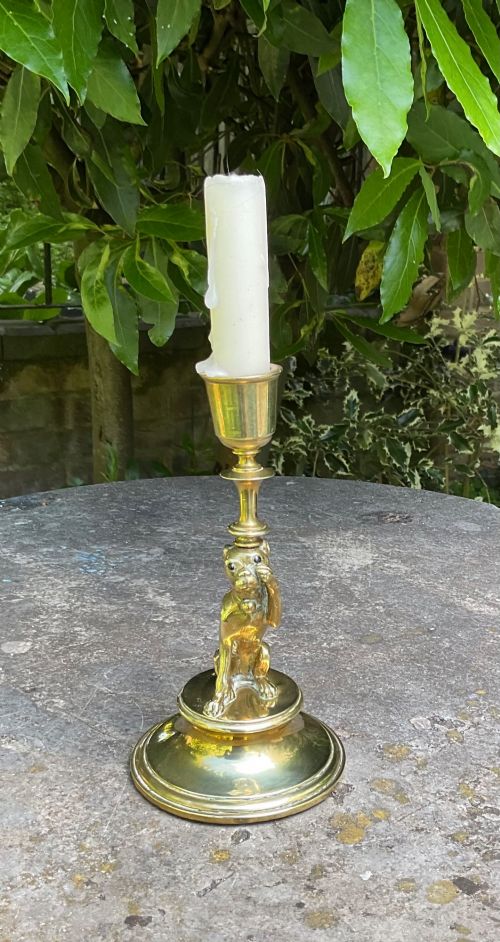
The most common examples on this page are sturdy brass candlesticks, frequently featuring barley twist or plain stems, alongside decorative silver-plated and gilt bronze pieces. Many survive in matched pairs, reflecting the symmetrical demands of period mantelpieces and dining tables.
Materials and construction
Brass and silver plate dominate the construction of these pieces, often worked through casting, turning, and soldering to create both rigid structural forms and crisp surface ornament. Gilt bronze appears on more ambitious French works, providing a rich, golden tone that complements the heavy metal casting beneath.
Wood elements, such as mahogany, occasionally combine with metal components to add textural contrast and visual weight to the stem or base. Surface details rely on hand-chasing and polishing rather than mass-produced uniformity, showing the physical touch of the nineteenth-century metalworker.
C1880 Candle Holder Retail Price Guide 2026
Typical asking prices for c1880 candle holder among the pieces listed under this phrase on Sellingantiques today, from the lower quarter to the upper quarter. They describe what is for sale here now, not the wider market.
Listings feature brass, silver plate, gilt bronze, and mahogany across Victorian and Aesthetic Movement styles.
Assessing quality
The distinction between ordinary and exceptional examples rests primarily on the sharpness of the casting and the proportion of the design. Finer pieces display crisp, deep chasing in the floral or architectural motifs, whereas lesser items rely on shallow stamping or softened surface detail.
Weight and balance also define the upper tier of the range, as superior holders use heavier gauge metal that feels substantial in the hand and stands firmly on its base without wobble.
Garrard & Co·Bruce Talbert
The C1880 Candle Holder Glossary
- Candelabra
- A branched lighting fixture designed to hold multiple candles simultaneously. These pieces often feature removable branches to convert into simple sticks.
- Gilt bronze
- Metal alloy coated with a thin layer of gold, commonly used in French decorative arts to create a durable, luminous surface finish.
- Aesthetic Movement
- A late nineteenth-century design style that prioritised visual beauty and artistic expression over strict historical revivalism.
- Barley twist
- A spiral column design carved or turned into the stem of a candlestick, creating diagonal ridges that catch the light.
C1880 Candle Holder: Frequently Asked Questions
What is a c1880 candle holder?
A c1880 candle holder is a lighting device made around 1880, typically constructed from brass, silver plate, or gilt bronze. These items range from simple domestic candlesticks to grand multi-branch candelabras.
They reflect the diverse aesthetic tastes of the late nineteenth century, incorporating French styling, Aesthetic Movement principles, and Victorian revival motifs.
How were these holders used?
These pieces provided primary or supplementary illumination in nineteenth-century homes before electric lighting became widespread. They were placed on dining tables, mantelpieces, and desks, or mounted to walls as sconces.
Multi-light versions illuminated formal dinner parties, while single sticks were carried from room to room or utilised for close work.
How do I clean brass and silver plate?
Cleaning depends entirely on the specific metal surface and the presence of any original lacquer or patination. Gentle dusting with a soft cloth is usually sufficient for everyday maintenance.
Harsh chemical polishes should be avoided to preserve the historic character and soft surface finish built up over decades of existence.
How do I spot a reproduction?
Genuine nineteenth-century pieces exhibit natural wear patterns, tool marks from hand finishing, and appropriate construction methods for the period. The patination on brass and bronze develops gradually through handling and age.
Modern reproductions often lack this depth of surface texture and may feature uniform machine casting or unconvincing artificial ageing.