



C1840 Chairs
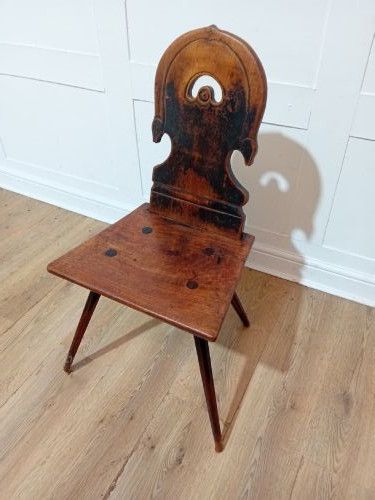
These c1840 chairs bring solid timber frames and vernacular regional design straight into the sitting room.
C1840 Chairs
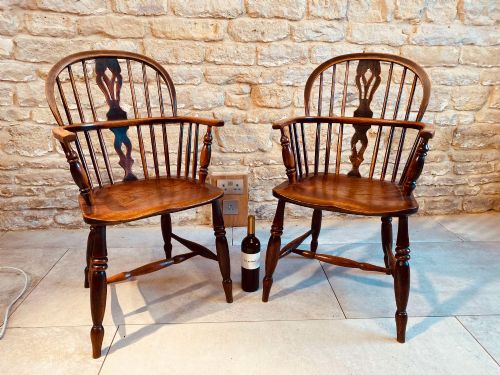
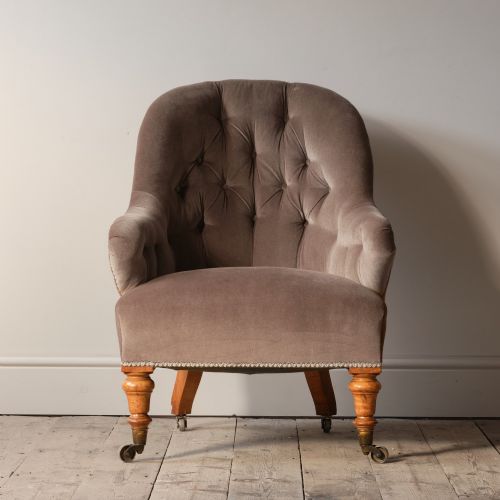
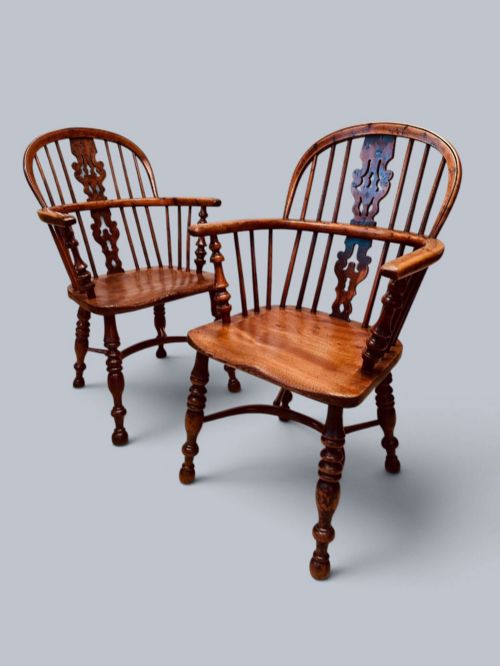
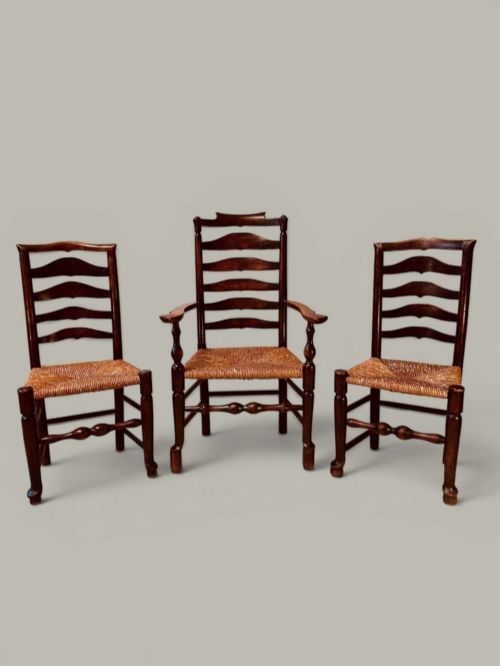
When browsing c1840 chairs, collectors encounter sturdy vernacular seating alongside formal parlor pieces from the mid nineteenth century. The selection ranges from rustic country ladderbacks and windsor armchairs to refined rosewood and oak parlor seating.
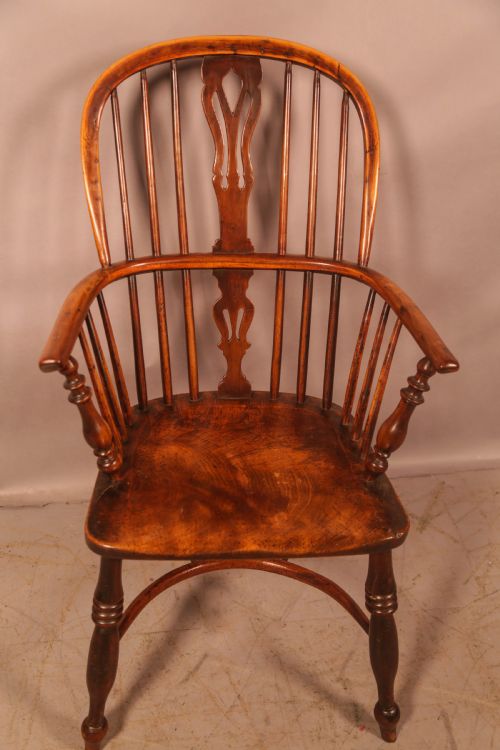
The most common examples on this page are country windsor and spindleback forms constructed from domestic timbers like ash and elm. These regional pieces reflect robust domestic use and varied local traditions from the early Victorian era.
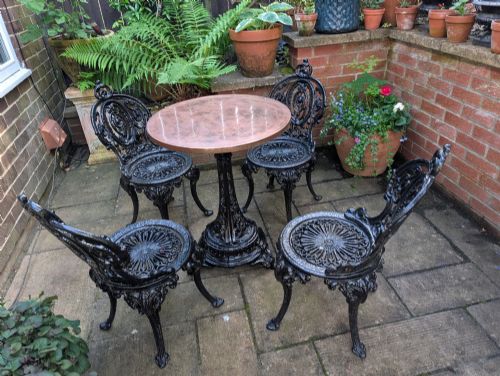
Alongside plain wooden seats, buyers find upholstered low chairs such as rosewood prie dieu models and cast iron garden sets intended for outdoor terraces. This mix captures the broad utility of seating during a period of shifting domestic styles.
Construction and materials
Makers built these wooden frames using durable hardwoods like ash, elm, oak, and yew, often combining flexible bentwood elements with turned spindles. Rush seats and leather upholstery provided durable surfaces for daily sitting.
More formal parlor examples utilised dense tropical timbers like rosewood, shaped into curved open arms and supportive backs. Garden sets employed cast iron moulded into intricate decorative patterns suitable for exterior conditions.
C1840 Chairs Retail Price Guide 2026
Typical asking prices for c1840 chairs among the pieces listed under this phrase on Sellingantiques today, from the lower quarter to the upper quarter. They describe what is for sale here now, not the wider market.
Current listings demonstrate a strong presence of ash, elm, and rosewood timbers across regional country and Victorian parlor forms.
Assessing quality
The standard of these chairs rests on the integrity of the timber joints and the retention of original surface patination. Pieces that maintain their early finish and tight structural pegs stand apart from those with heavy timber replacement.
Refined carving on rosewood frames or sophisticated turning on vernacular windsor chairs separates utilitarian workshop output from more ambitious cabinet work. The balance of proportions and timber selection dictates the overall visual success of each seat.
Rockley·Angerstein
The C1840 Chairs Glossary
- Windsor chair
- A wooden chair built with a heavy solid saddle wooden seat into which the back legs and spindles are separately inserted. This construction method creates a durable and supportive frame.
- Ladderback
- A tall chair back featuring several horizontal curved slats resembling the rungs of a ladder. These slats are held between two main vertical upright posts.
- Prie Dieu
- A low devotional chair featuring an elevated top rail designed for kneeling or resting arms during prayer. These Victorian seats often use rosewood and upholstered panels.
- Vernacular
- Objects designed by local tradesmen following regional traditions rather than high style academic patterns. These pieces prioritize practical utility and local timber availability.
- Rush seat
- A bottom woven from dried marsh rushes tightly twisted around seat rails. This traditional seating surface offers flexibility and resilience.
C1840 Chairs: Frequently Asked Questions
How are rush seats maintained?
Rush seats require dry indoor conditions to prevent the natural marsh fibres from absorbing moisture and weakening over time.
Applying occasional paste wax to the wooden frame keeps the structure sound without harming the woven surface.
Where were low back armchairs placed?
Low back armchairs served various domestic functions near hearths or in bedrooms where compact seating was practical.
Their lower profiles allowed easy movement around smaller nineteenth century rooms.
How do cast iron garden sets survive outside?
Cast iron garden sets resist weathering through heavy metal mass, though protective coatings prevent oxidation in damp conditions.
Keeping them on paved terraces rather than directly on soil helps preserve the iron legs.