





C1830 Mahogany Table
A c1830 mahogany table brings the rich grain of the early nineteenth century into a room, offering sturdy utility paired with refined cabinet-making.
C1830 Mahogany Table
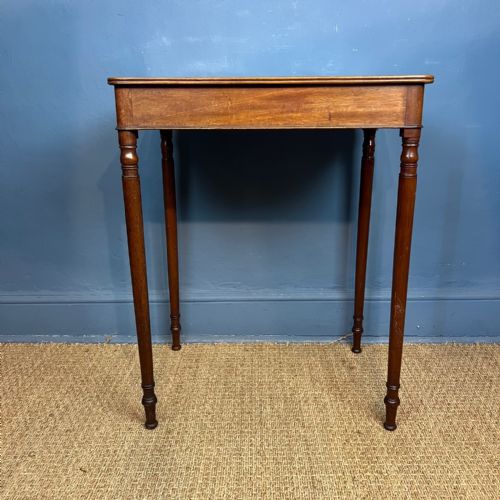
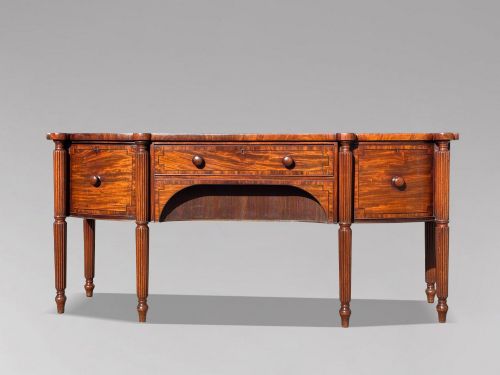
When someone searches for a c1830 mahogany table, they encounter items built during a period that bridges late Georgian design and the William IV style. The pieces listed span dining tables, console tables, side tables, sideboards, centre tables, sofa tables, washstands, and serving tables.
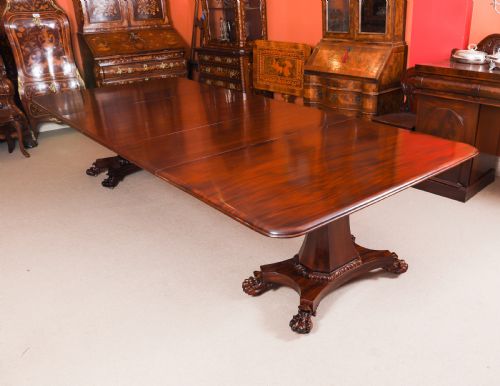
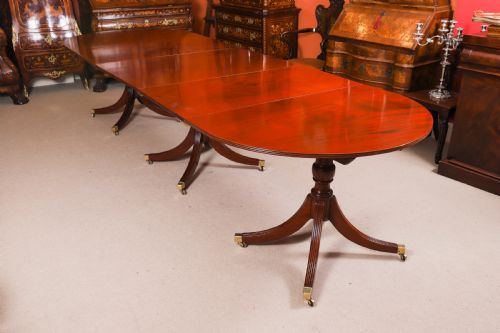
The version most commonly met on this page is the dining table, often appearing as a twin pedestal or triple pillar configuration, alongside side tables and console tables from the William IV and Regency periods.
Origins include British workshops of the nineteenth century as well as French examples like the Charles X centre table, demonstrating how cabinet-makers across borders handled the timber during this decade.
Materials and construction
Makers utilised solid mahogany and flame mahogany veneer, selecting boards for their deep colour and figuring, occasionally incorporating plum pudding mahogany for enhanced visual texture on larger surfaces.
Brass fittings appear alongside marble tops on console tables, while inlay work ornaments sideboards, combining metallic and stone elements with the primary timber structure.
C1830 Mahogany Table Retail Price Guide 2026
Typical asking prices for c1830 mahogany table among the pieces listed under this phrase on Sellingantiques today, from the lower quarter to the upper quarter. They describe what is for sale here now, not the wider market.
Even a corner washstand from 1830 can find a second career holding a trailing houseplant.
Assessing quality
The distinction between standard pieces and finer examples rests on the selection of timber veneers, such as flame or plum pudding mahogany, and the crispness of any inlaid details.
Construction methods, from the stability of twin pedestals and triple pillars on dining tables to the integration of marble slabs on console tables, dictate the enduring integrity of the piece.
The C1830 Mahogany Table Glossary
- Flame mahogany veneer
- A thin slice of timber cut from the fork of the mahogany tree to create a distinctive, flickering flame pattern. This decorative surface appears frequently on prominent furniture fronts and table tops.
- Twin pedestal
- A table base configuration featuring two distinct supporting columns rising from branched feet. This design allows generous legroom while supporting large dining surfaces.
- William IV period
- A British design era spanning the 1830s characterised by robust proportions and classical revival influences. Furniture from this time often displays bold scrolls and rich mahogany grain.
- Console table
- A table designed to stand against a wall, sometimes secured to it with brackets. Examples from this era frequently feature marble tops.
C1830 Mahogany Table: Frequently Asked Questions
How do I seat twelve people?
Large dining tables from this era, such as twin pedestal or triple pillar formats, extend to accommodate numerous guests for dinner.
Ensure your dining room has sufficient clearance around the perimeter for chairs to pull out comfortably when the table is fully configured.
Where does a console table fit?
Console tables sit flat against a wall in hallways, living rooms, or dining spaces to hold lamps or decorative items.
Because many feature marble tops, they provide a durable surface that resists moisture and daily wear.
What is a sofa table used for?
Sofa tables were originally manufactured with drop leaves to sit behind a sofa or serve as a small writing desk.
Their compact proportions make them versatile pieces for smaller rooms where surface space is needed intermittently.
How do I identify a William IV piece?
William IV furniture displays heavy, confident proportions, often incorporating carved scrollwork and rich mahogany surfaces.
Comparing the legs and pedestals to standard Regency forms reveals the thicker, sturdier styling typical of the 1830s.