


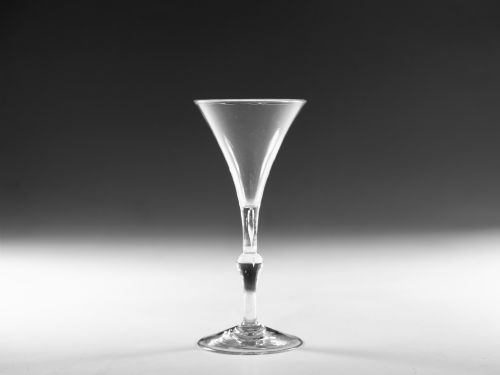
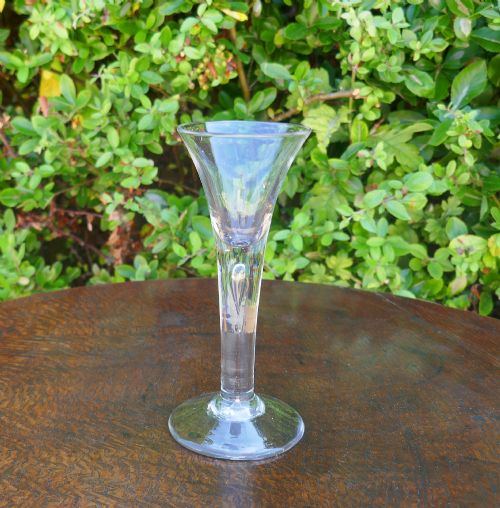
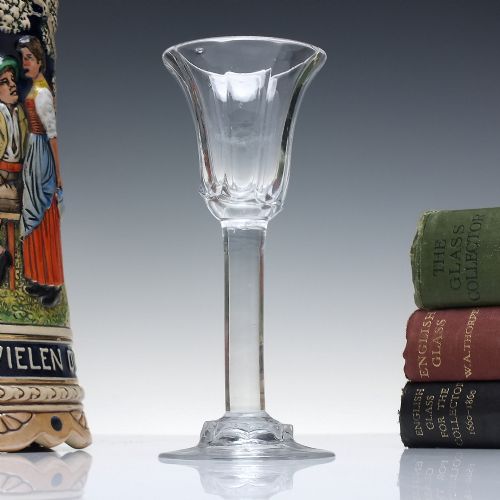
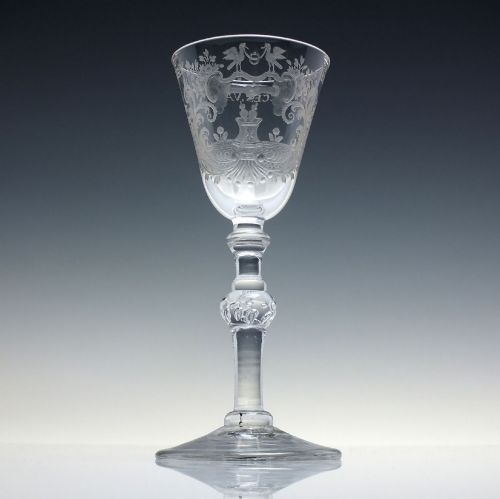

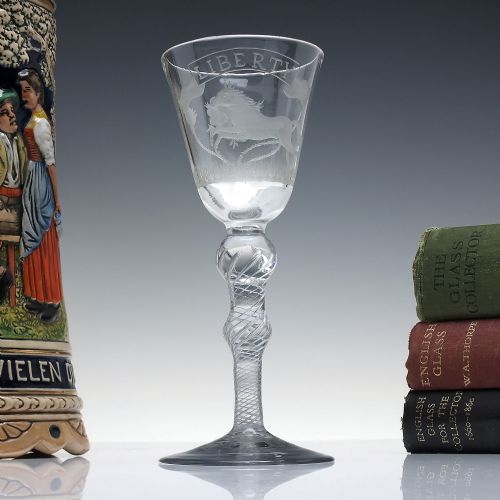


C1750 Wine Glass
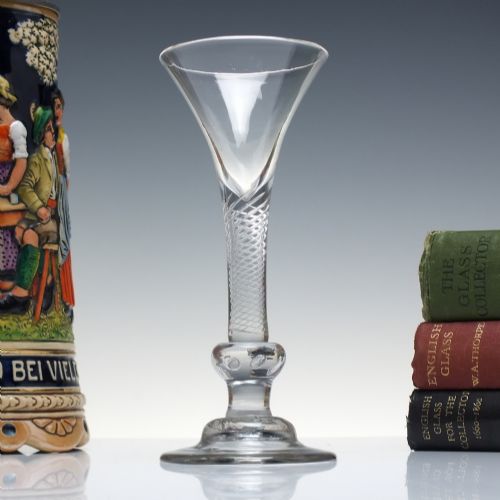
A c1750 wine glass holds the physical weight and optical depth of mid-eighteenth-century English drinking culture in the palm of your hand.
C1750 Wine Glass
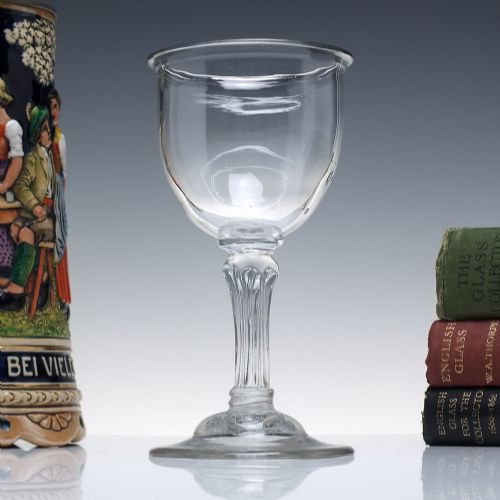
A c1750 wine glass represents the refined output of eighteenth-century English glasshouses operating during the Georgian period. Collectors searching this phrase encounter drinking vessels produced from clear lead glass, flint glass, and lead crystal.
The inventory on this page centres on authentic pieces dated to the mid-eighteenth century, spanning forms from simple drinking glasses to elaborate goblets. Surviving examples demonstrate the diverse stem and bowl constructions typical of Georgian glassware.
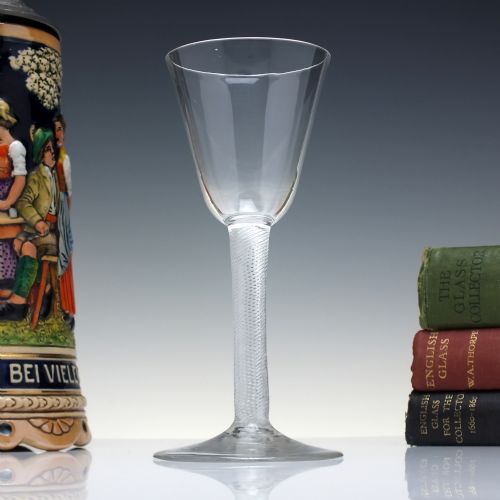
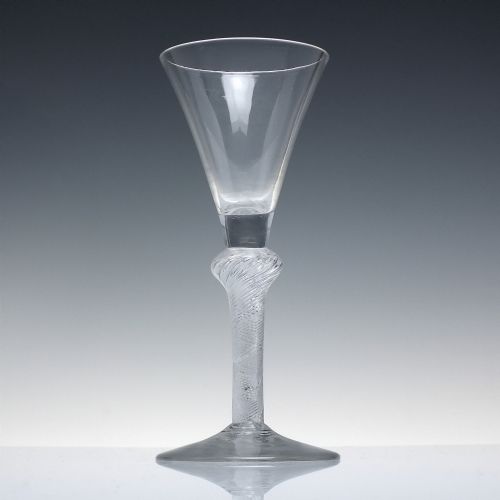
Buyers meet specimens featuring plain stems, air twists, light balusters, and composite forms. Many pieces retain original factory characteristics such as domed feet, folded feet, and applied collars.
Materials and manufacture
Maker-craftsmen utilised heavy lead glass and flint glass compositions to achieve high refractive brilliance and substantial weight in the hand. The addition of lead oxide produced a durable material suitable for intricate manipulation while hot.
Stems were formed using specialised drawing and twisting techniques to trap air spirals or create mercury twists within the glass matrix. Moulds shaped specific bowl geometries, including trumpet, pan top, and petal-moulded profiles, prior to hand finishing.
Surface decoration involved diamond point engraving, wheel engraving, or optical moulding applied while the metal remained workable or after cooling.
C1750 Wine Glass Retail Price Guide 2026
Typical asking prices for c1750 wine glass among the pieces listed under this phrase on Sellingantiques today, from the lower quarter to the upper quarter. They describe what is for sale here now, not the wider market.
Current listings feature eighteenth-century forms including air twists, light balusters, and plain stem goblets.
Judging quality in mid-century glass
Quality rests upon the optical clarity of the metal and the precision executed within the stem formations. Superior air twists display uniform thread spacing and symmetry without distortion in the glass body.
Engraved ornamentation distinguishes exceptional pieces, where detailed heraldry, floral motifs, or political symbolism demand advanced wheel-cutting skill. The stability and proportion of the foot relative to the bowl dictate structural integrity.
Originality of components, including untouched foot rims and genuine surface wear, elevates the standing of any surviving specimen.
The C1750 Wine Glass Glossary
- Air twist
- A stem formation containing internal spiralling air threads created by drawing bubbles trapped in the molten metal. This technique became popular during the mid-eighteenth century.
- Baluster
- A heavy, swelling stem form derived from architectural pillars. It provides a sturdy grip and substantial visual weight to early drinking vessels.
- Lead crystal
- A high-clarity glass containing significant lead oxide content that increases density and light refraction. English glasshouses pioneered its production.
- Folded foot
- A base edge doubled over during manufacture to strengthen the rim against chipping. This feature frequently appears on mid-century drinking vessels.
- Ratafia glass
- A tall, narrow vessel designed for serving sweet liqueurs or cordials. The bowl shape concentrates aromatic contents during consumption.
C1750 Wine Glass: Frequently Asked Questions
How were these glasses used?
These vessels served alcoholic beverages at dining tables and social gatherings during the Georgian era. Wealthy households utilised them for wine, cordials, and toasts.
Specific forms corresponded to particular drinks, such as narrow bowls for potent spirits and larger goblets for standard wines.
What is an air twist stem?
An air twist is an optical effect inside the glass stem produced by stretching trapped air bubbles into fine threads. Craftsmen twisted the molten metal while pulling it to form helical channels.
These threads catch light internally, producing a shimmering appearance when rotated.
How do I identify a Georgian period piece?
Examine the material for the heavy weight and greyish refraction characteristic of eighteenth-century lead glass. Pontil marks on the underside of the foot confirm hand-blown manufacture.
Stem styles, such as balusters or plain columns, align with manufacturing periods documented in historical glass production.