

Burr Wood Pedestal Table
A burr wood pedestal table brings intense figured grain and a single central support into a room, uniting utility with striking natural pattern.
Burr Wood Pedestal Table
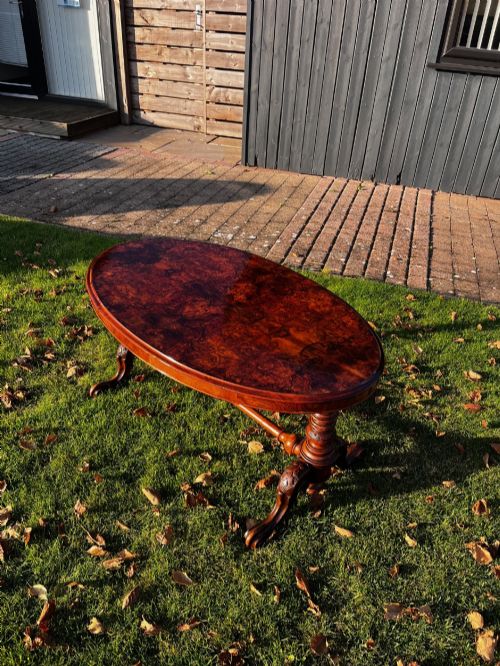
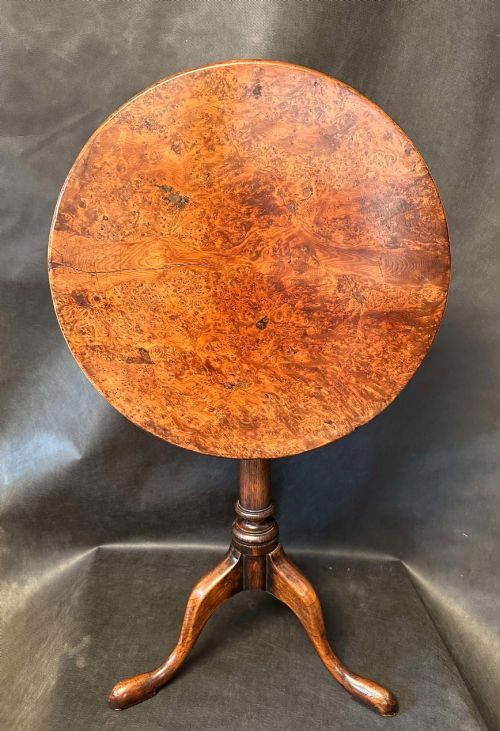
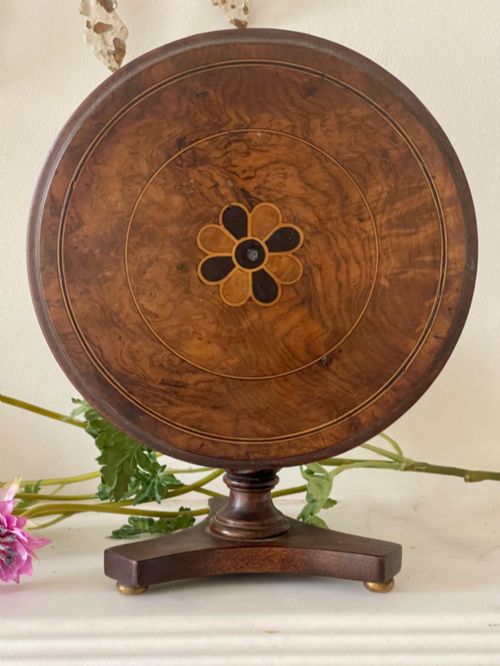
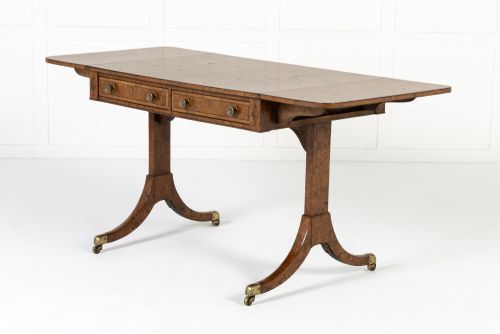
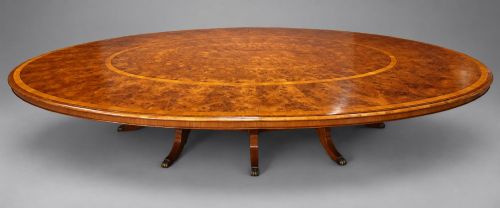
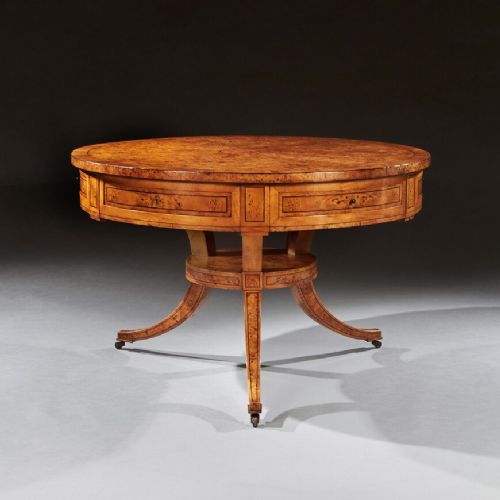
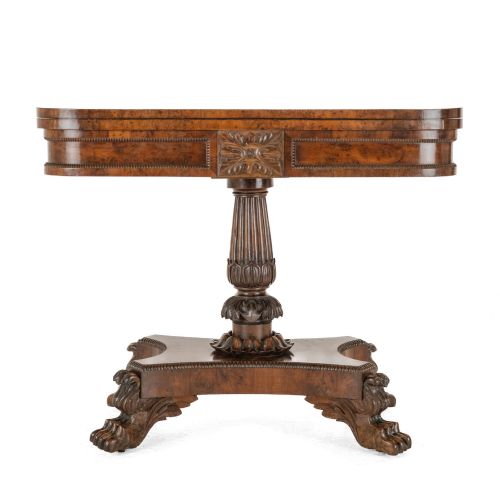
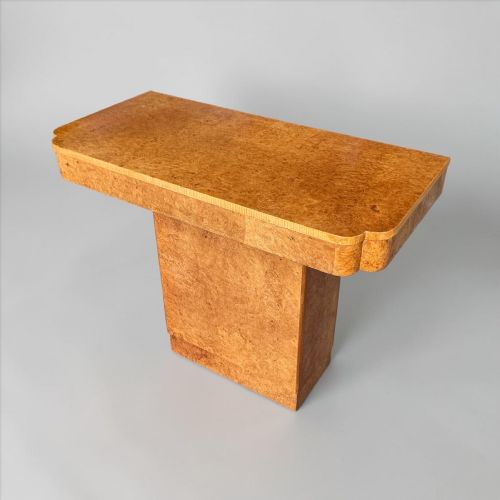
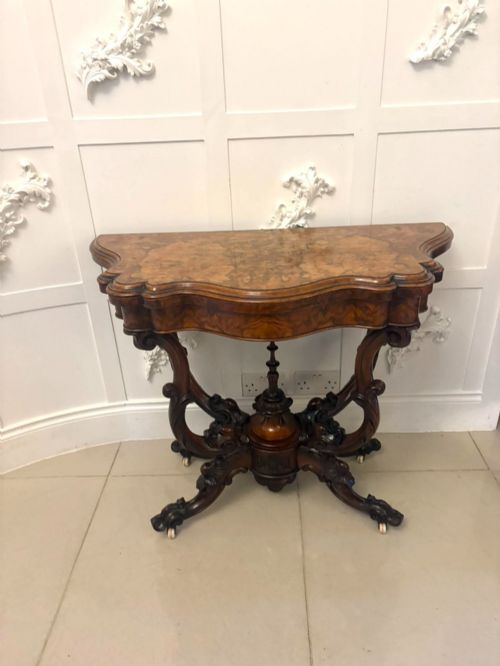
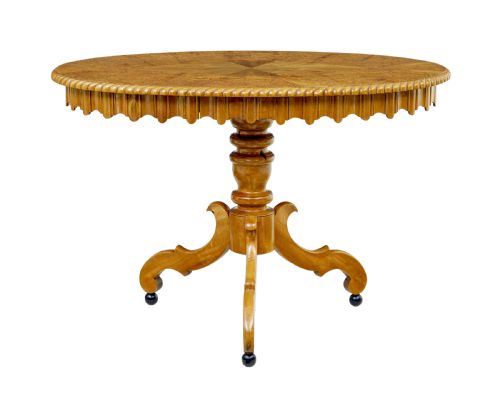
A burr wood pedestal table stands on a central column or tripod base rather than four corner legs, carrying a top selected for its swirling, knotted grain. You will encounter these pieces across multiple eras, with Victorian and nineteenth-century examples appearing frequently alongside Georgian and Art Deco designs.
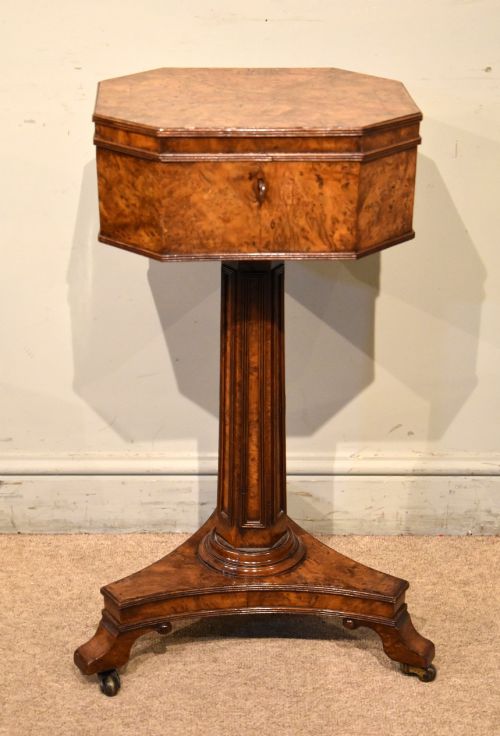
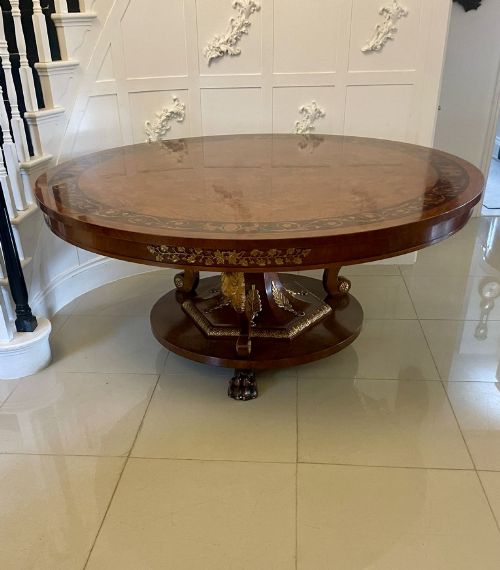
The functional forms on this page span several categories, most notably occasional tables, lamp tables, breakfast tables, and circular centre tables. These pieces serve primarily as small display surfaces or gathering points in drawing rooms, hallways, and studies.
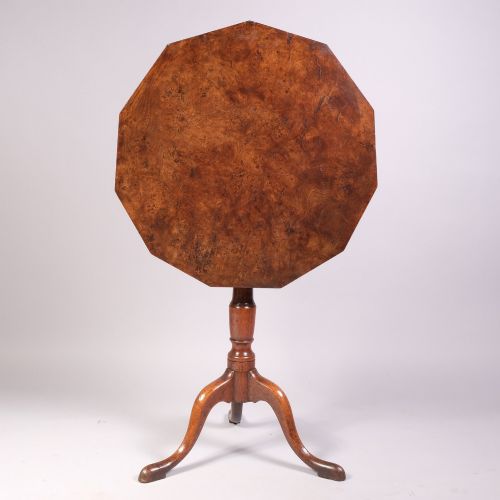
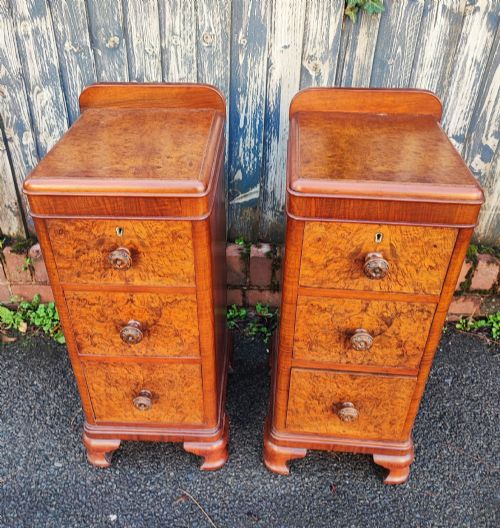
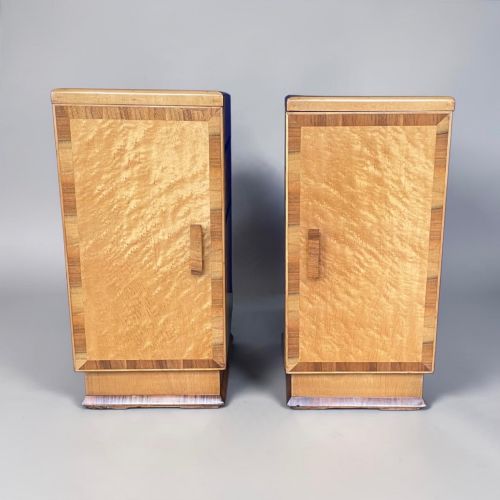
Makers and workshops utilise specific regional timbers, producing Swedish birch and elm tripod tables alongside English walnut and maple variants. The scale ranges from compact bedside cabinets and small side tables up to larger breakfast tables supported by carved pillar bases.
What varies in quality
The visual impact of a burr wood pedestal table depends entirely on the density, symmetry, and depth of the timber's figuring. Master craftsmen select cuts where the swirls and knots create a balanced, harmonious composition across the entire top surface.
Construction integrity separates standard utility furniture from finer salon pieces, particularly in the stability of the central pillar and the smoothness of any folding mechanisms or secret drawers. Solid timber framing and precise veneer matching indicate superior workshop standards.
Burr Wood Pedestal Table Retail Price Guide 2026
Typical asking prices for burr wood pedestal table among the pieces listed under this phrase on Sellingantiques today, from the lower quarter to the upper quarter. They describe what is for sale here now, not the wider market.
The listings feature nineteenth-century, Georgian, and Art Deco pieces constructed from burr walnut, elm, birch, maple, and oak.
The Burr Wood Pedestal Table Glossary
- Burr wood
- Timber harvested from tree growths, root burls, or branch junctions where abnormal bud development creates highly figured, swirling grain patterns. This material is typically sliced into thin veneers for decorative furniture surfaces.
- Pedestal table
- A freestanding table supported by a single central column, pillar, or tripod base instead of conventional corner legs. This design allows unobstructed seating and legroom around the perimeter.
- Tripod table
- A small stand featuring a central pillar supported by three radiating feet. This configuration provides stable placement on uneven floors.
- Centre table
- A freestanding table designed to be viewed from all sides rather than pushed against a wall. These pieces often feature circular or oval burr wood tops suitable for central room placement.
Burr Wood Pedestal Table: Frequently Asked Questions
What is a burr wood pedestal table used for?
These tables function primarily as decorative occasional surfaces for lamps, books, or tea service in reception rooms. Their central pedestal design allows them to sit comfortably in corners, beside seating, or in the middle of a room.
Larger versions, such as breakfast tables, serve occasional dining needs while maintaining a strong decorative presence through their figured timber tops.
How do I care for a burr wood surface?
Protect the polished finish by keeping the table away from direct sunlight and excessive heat sources that can dry out the timber veneers. Use coasters and placemats to prevent moisture rings or scratches on the delicate grain.
Dust the surface regularly with a soft, dry cloth and apply occasional specialist wax polish to maintain the lustre of the wood.
How can I tell the period of a pedestal table?
Dating relies on examining the construction methods, timber choices, and stylistic details of the pedestal and base. Nineteenth-century examples often feature rich burr walnut with turned tripod bases, while earlier Georgian pieces display simpler elm or mahogany structures.
Art Deco variations from the twentieth century lean towards geometric maple or walnut veneers with streamlined pedestal columns.
Are pedestal tables stable on carpets?
Tripod bases and single-column pedestals generally maintain good balance on firm flooring, but thick carpets can cause slight rocking. Adjusting the placement or ensuring the three feet rest evenly helps stabilize the piece.
Heavier marble-topped or large circular tables provide more downward pressure to keep the base secure.