



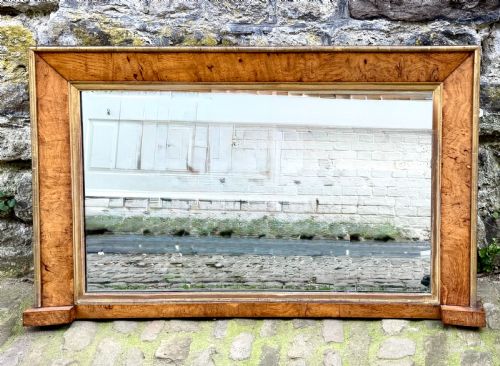


Burr Wood Mirror
Burr wood mirrors bring together swirling timber grains and reflective glass, offering a focal point that transforms a room with natural texture and warmth.
Burr Wood Mirror
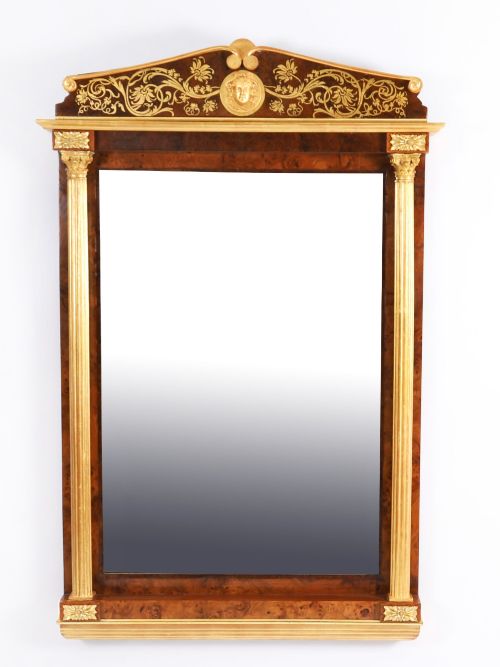
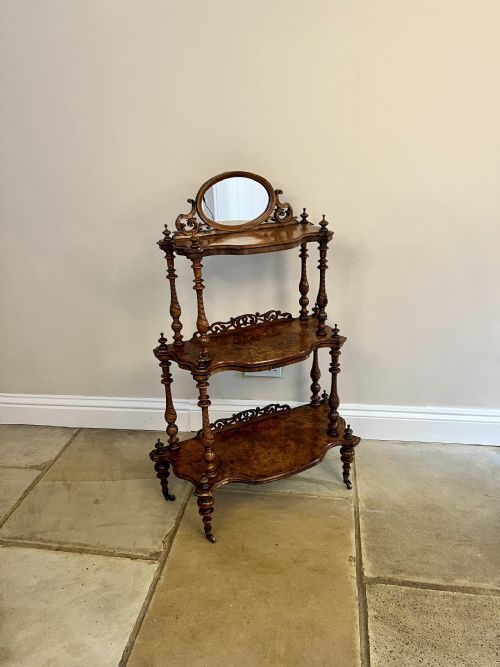
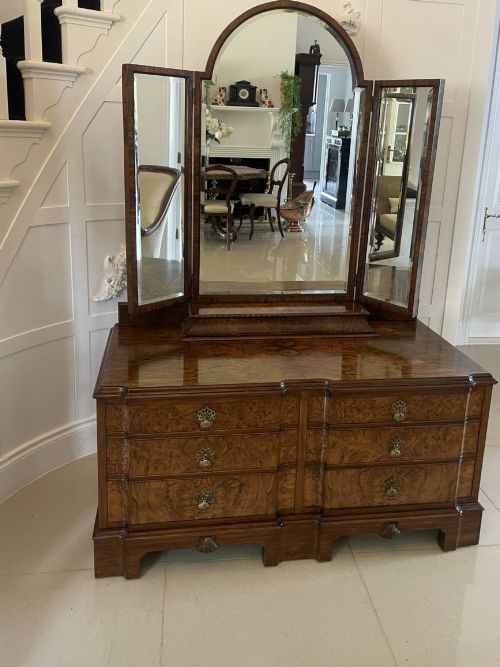
A burr wood mirror combines deeply figured timber growths with traditional glass, functioning primarily as a wall hanging or a dressing glass. When you search for this phrase, you find pieces originating from periods spanning the eighteenth century through to the art deco era, reflecting changing domestic fashions.
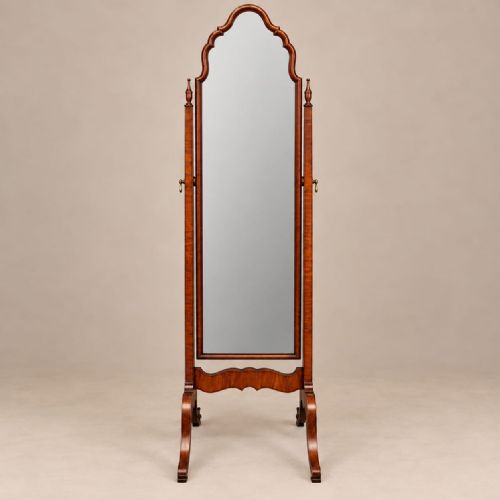
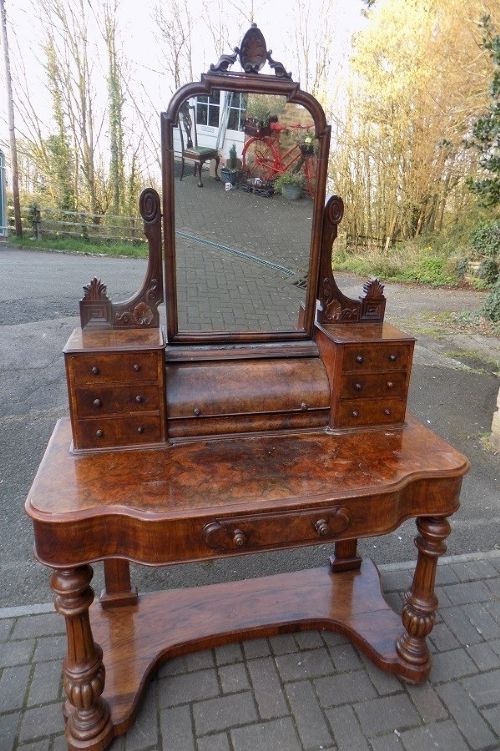
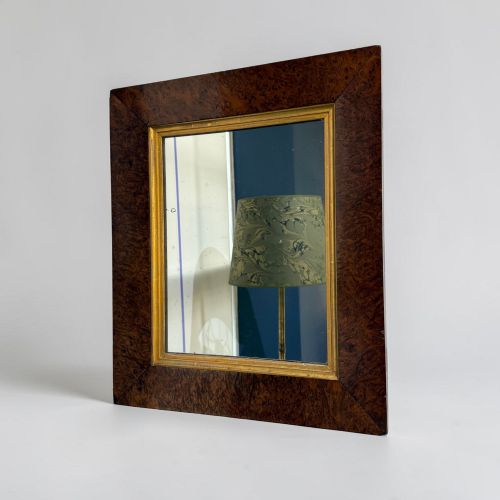
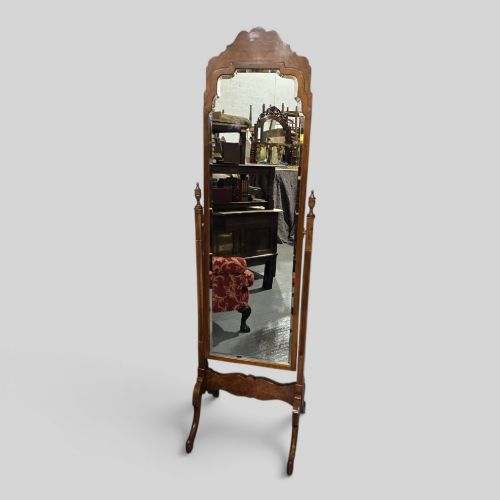
The most common examples you meet on this page date from the Victorian period and the early twentieth century, constructed in walnut or maple. These pieces range from compact wall-hung frames to large cheval glasses designed for bedrooms and hallways.
Makers utilised timber veneers from the knotty growths of trees to create complex, swirling patterns across the frame surfaces. This approach prioritised decorative impact over plain timber, suiting formal rooms and private chambers alike.
How they were made
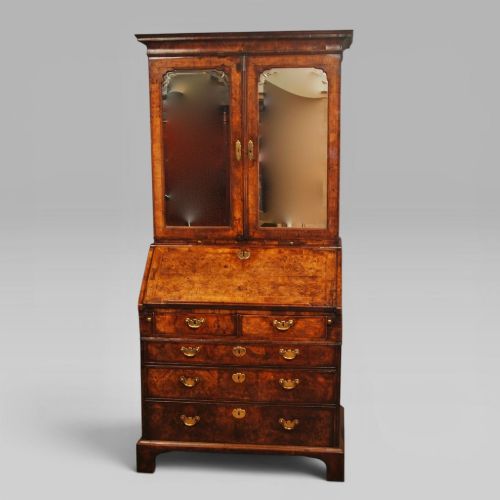
Cabinet makers sliced thin veneers from burr walnut, burr maple, or burr yew, laying them onto secondary framing timbers to display the intricate grain patterns. These veneers were often matched symmetrically across the centre of the frame to create balanced, decorative panels.
Frames incorporated glass secured by wooden backboards, occasionally accompanied by parcel gilt details, brass fixings, or ebonised accents. Joinery techniques relied on traditional mortise and tenon joints to keep heavy frames stable over centuries of use.
Burr Wood Mirror Retail Price Guide 2026
Typical asking prices for burr wood mirror among the pieces listed under this phrase on Sellingantiques today, from the lower quarter to the upper quarter. They describe what is for sale here now, not the wider market.
Materials recorded across the archive include burr walnut, burr maple, burr yew, and burr elm combined with giltwood.
What varies in quality
The intricacy and preservation of the veneer define the upper tier of these pieces. Dense, highly figured burr patterns matched symmetrically across the frame command greater interest than plain or mismatched timber sections.
Original mercury or plate glass surfaces retain subtle distortions and age foxing that distinguish period examples from modern replacements. The subtlety of the joinery and any accompanying parcel gilt or carved details further separate standard production from exceptional craftsmanship.
The Burr Wood Mirror Glossary
- Burr wood
- Timber cut from a tree growth where the grain has grown in a deformed, swirling manner. This produces highly decorative patterns prized by cabinet makers.
- Cheval mirror
- A freestanding full-length mirror mounted on a pivoting frame between two vertical posts. It allows the glass to tilt for different viewing angles.
- Pier mirror
- A tall mirror specifically designed to hang on the wall space between two windows, often placed above a console table or pier table.
- Parcel gilt
- Wood or gesso partially gilded with thin sheets of gold leaf to highlight specific carved details or mouldings on a frame.
- Overmantel mirror
- A large mirror designed to hang specifically on the wall above a fireplace mantelpiece. These pieces often incorporate landscape proportions to suit the width of the hearth.
Burr Wood Mirror: Frequently Asked Questions
How do I date a burr wood mirror?
Dating relies on examining the construction methods of the wooden frame, the thickness and bevel of the mirror glass, and the specific timber species used. Earlier eighteenth-century examples display different moulding profiles and backboard fixings compared to Victorian or later twentieth-century pieces.
Secondary woods visible at the back of the frame also offer clues to the origin and period. Comparing the joinery style to documented furniture eras helps narrow down the decade of manufacture.
Are all burr wood mirrors made of walnut?
While burr walnut is the most frequent material encountered, makers also utilised burr maple, burr yew, and burr elm. Each timber species produces distinct colour tones and grain characteristics, ranging from the deep brown warmth of walnut to the lighter, speckled appearance of maple.
Checking the timber colour and grain structure helps identify the specific wood used across different stylistic periods.
How do I care for an antique mirror frame?
Maintain the timber by keeping it away from direct sunlight and extreme temperature fluctuations that might dry out the old wood or veneer. Dust the frame gently with a dry, soft cloth without applying modern silicone polishes.
When cleaning the glass, apply a mild glass cleaner to the cloth rather than spraying the liquid directly onto the glass, preventing moisture from seeping behind the plate or damaging the wooden rabbet.