




Burr Wood Bedside Tables
Burr wood bedside tables bring striking grain patterns to the bedroom, combining practical bedside storage with decorative warmth.
Burr Wood Bedside Tables
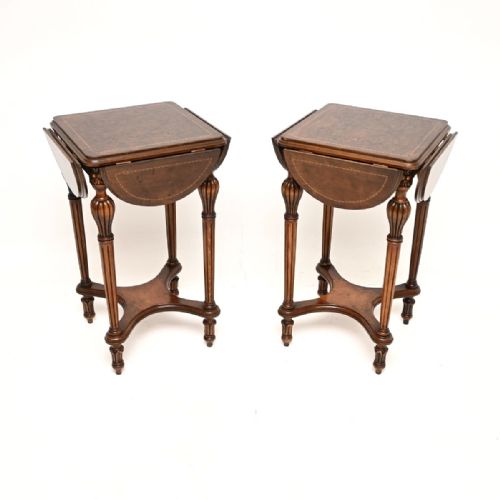
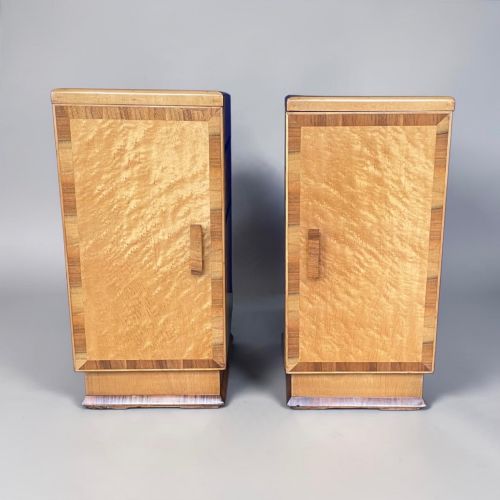
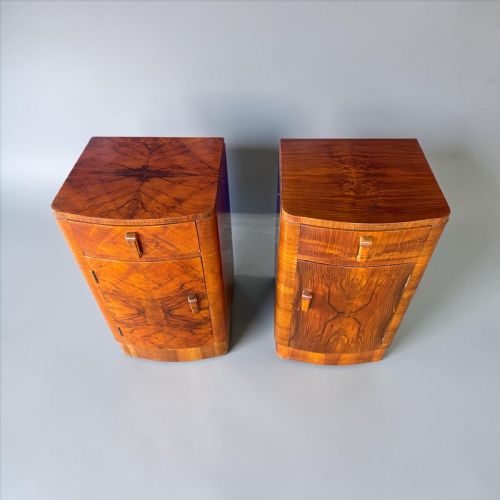
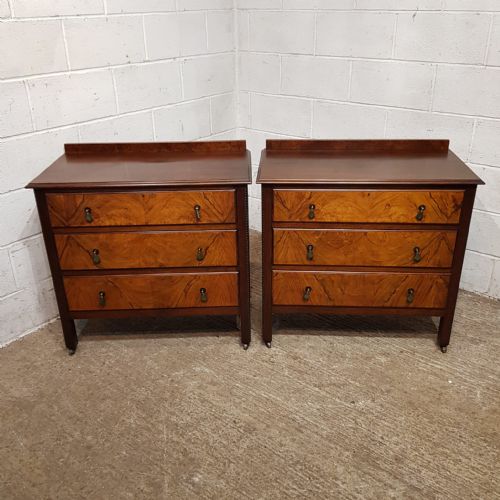
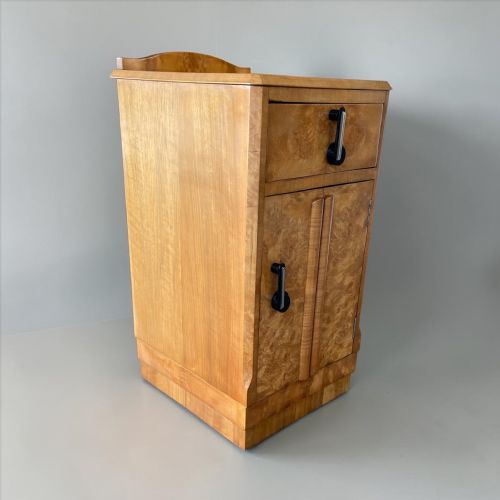
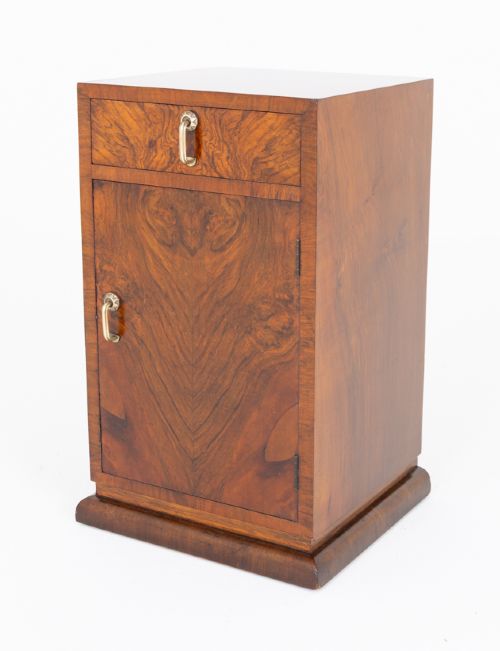
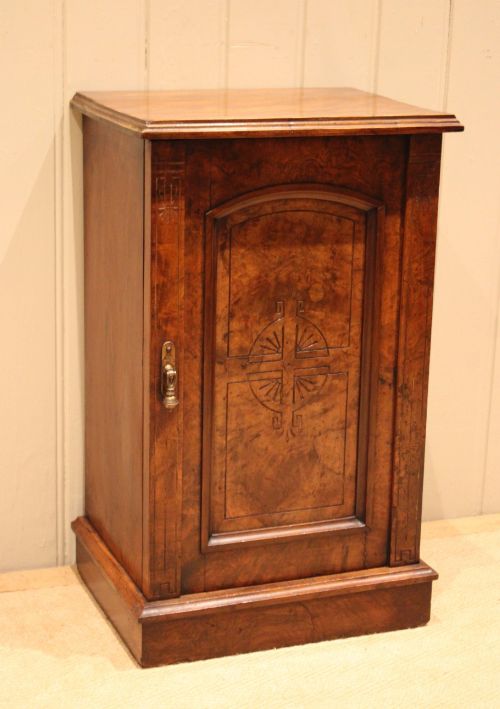
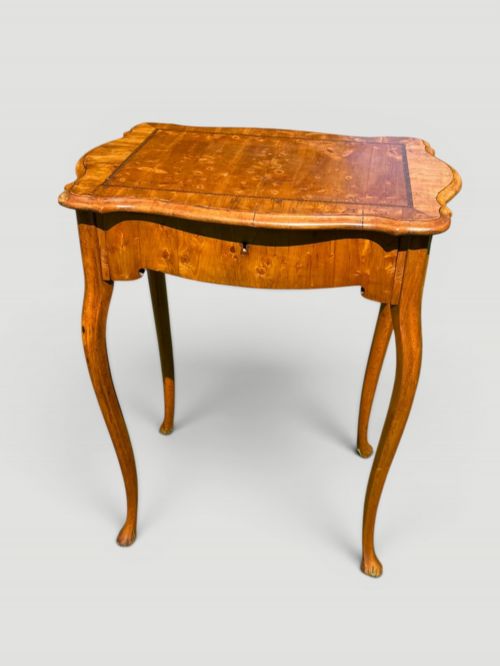
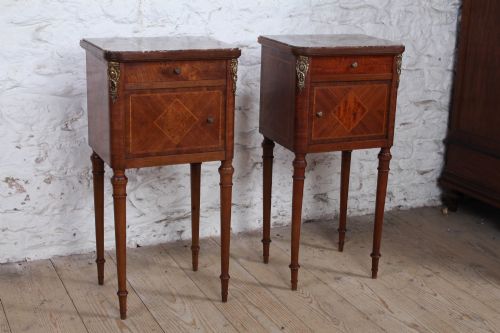
When searching for burr wood bedside tables, collectors encounter compact bedside cabinets, side tables, and chests dating from the nineteenth century up to the Art Deco period of nineteen thirty. These pieces frequently appear in pairs, designed to flank a bed with matching natural wood veneers.
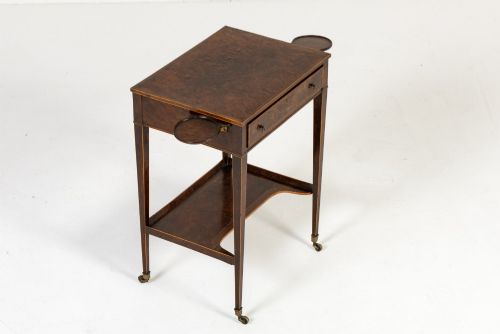
The selection ranges from Victorian and Edwardian walnut cabinets to streamline Art Deco designs in burr elm and burr walnut. Buyers also find occasional small writing tables and side tables adapted for bedroom use.
Origin and period dictate the exact silhouette, moving from ornate Queen Anne revival cabriole legs to geometric thirties forms. Walnut and burr elm dominate the pieces found within this grouping.
How they were made
Cabinet makers applied thin veneers of burr walnut, burr elm, and fruitwood over solid secondary timbers to display the turbulent, swirling grain patterns created by tree growths. Brass handles, marble tops, and occasional Bakelite details completed the construction of these bedroom pieces.
Skill in matching grain patterns across drawer fronts and cabinet doors defined the construction. Carpenters utilised traditional joinery for the carcase while letting the figured timber serve as the primary visual decoration.
Burr Wood Bedside Tables Retail Price Guide 2026
Typical asking prices for burr wood bedside tables among the pieces listed under this phrase on Sellingantiques today, from the lower quarter to the upper quarter. They describe what is for sale here now, not the wider market.
Some nineteen thirty headboards arrived with bedside cabinets permanently attached, ensuring nobody could ever misplace their nightstand.
What varies in quality
Quality rests principally on the choice and matching of the veneer figures across the front elevation. Superior examples show symmetrical grain patterns that flow naturally across drawers and doors.
The integrity of the underlying timber carcase and the subtlety of period details, such as brass hardware and fitted marble tops, separate standard production items from finer workshop pieces.
Maple and Co
The Burr Wood Bedside Tables Glossary
- Burr wood
- Timber harvested from a tree growth where grain has grown in a deformed, swirling manner. This produces highly decorative patterns prized by cabinet makers.
- Veneer
- A thin slice of figured wood glued to a base timber surface. This technique allowed craftsmen to display expensive grain patterns economically.
- Cabinet
- An enclosed piece of furniture featuring a door or drawers for storage. Bedside versions keep nighttime necessities concealed.
- Art Deco
- A design style prominent in nineteen thirty characterised by sleek geometric shapes and modern materials. Pieces from this era often utilise burr elm.
- Queen Anne style
- A revival aesthetic featuring cabriole legs and pad feet. This style appears frequently on nineteen twenty bedside cabinets.
Burr Wood Bedside Tables: Frequently Asked Questions
What is burr wood?
Burr wood comes from a tree deformity that produces intricate, swirling grain patterns. Cabinet makers slice this figured wood into veneers for furniture surfaces.
This unique growth makes each bedside table visually distinct with complex natural patterning.
Are these tables usually found in pairs?
Many bedside pieces survive as matched pairs designed to sit on either side of a bed. Single cabinets also appear frequently.
Pairs often feature handed doors that mirror each other when placed symmetrically.
Which periods do these tables represent?
The available pieces span from the nineteenth century through the Edwardian era up to nineteen thirty. Victorian and Art Deco examples are common.
Earlier pieces often display revival styles like Queen Anne, while nineteen thirties pieces favour geometric forms.
How do I care for burr walnut?
Burr walnut veneer requires gentle cleaning with a soft cloth and protection from direct sunlight and excessive heat. Maintaining stable room humidity prevents the veneer from lifting.
Wax polishing helps preserve the lustre of the timber surface over time.