



Burr Elm Wood
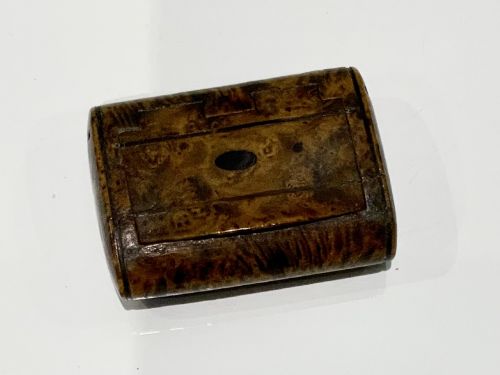
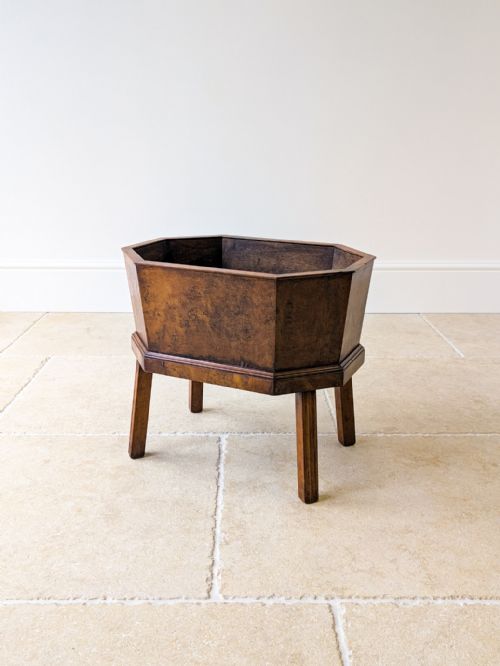
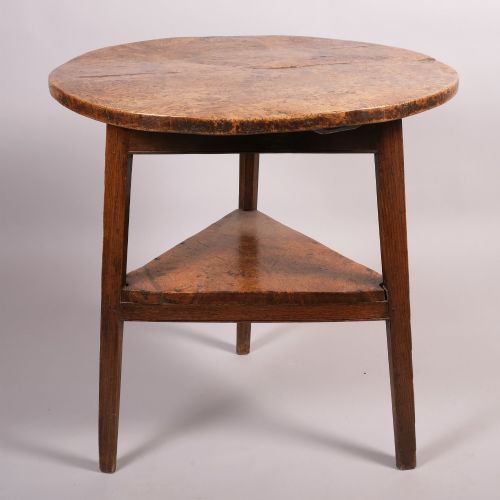
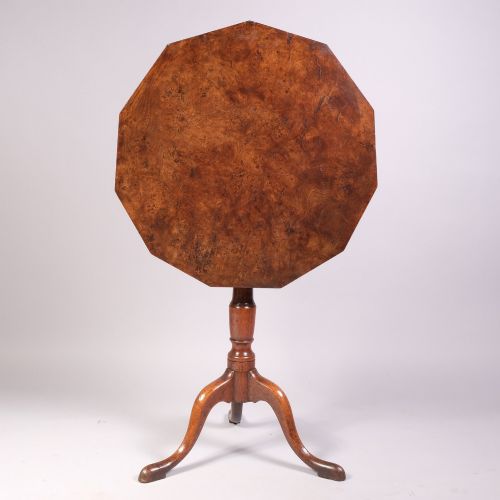
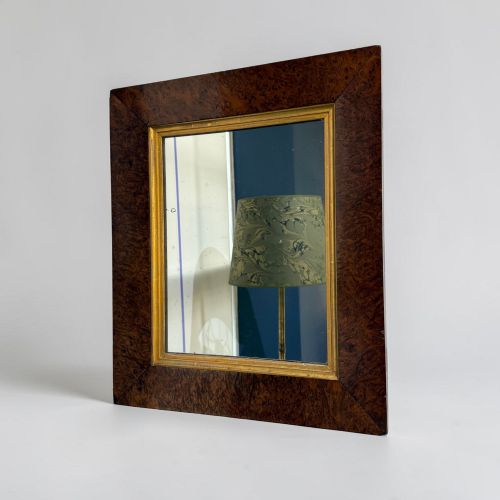
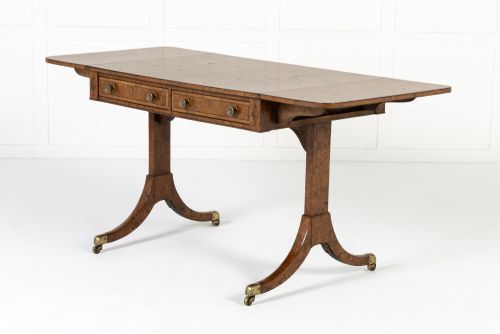
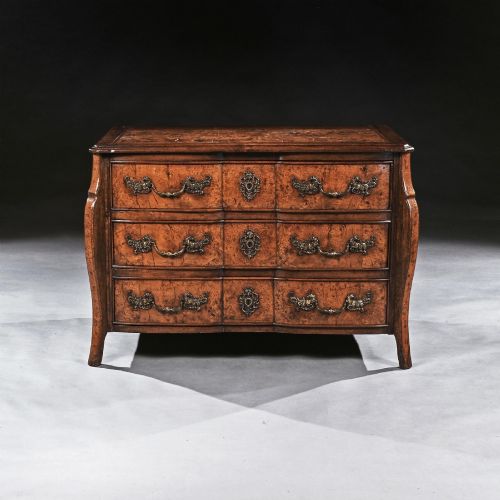
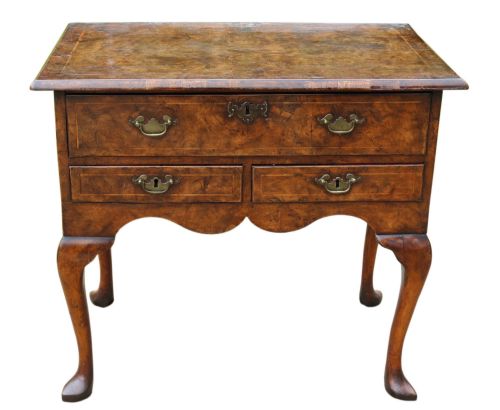
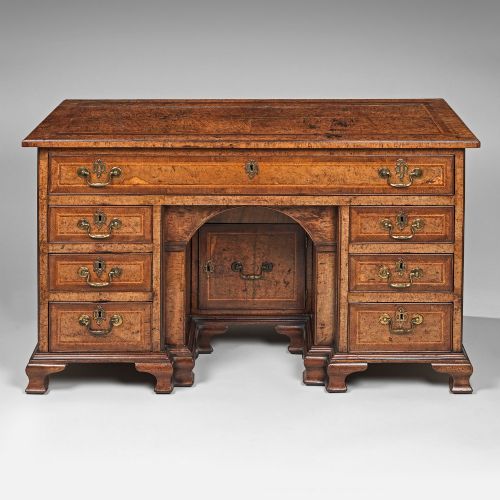
Burr elm wood furniture displays turbulent grain patterns, taking form in 18th century lowboys, 19th century desks, and 20th century occasional tables.
Burr Elm Wood
Burr elm wood describes pieces fashioned from the knotted growths of the elm tree, which produce irregular, swirling grain patterns. When searching for burr elm wood, a buyer encounters forms ranging from 18th century Georgian lowboys and bureaus to 19th century Davenport desks, side tables, and occasional tables.
The material appears frequently in functional furniture designed for writing and storage, including commodes, chests, and cellarettes. Alongside these case pieces, seating such as Windsor armchairs and desk chairs utilises the timber for its visual impact.
Later examples extend into the 20th century through Art Deco cabinets, low bookcases, and coffee tables. Scandinavian pieces also feature prominently alongside English and French provincial iterations.
Materials and Construction
Makers utilised the burr growth of the elm tree, valued for its complex and twisting figure, often pairing it with secondary timbers like oak, walnut, or ash. Cabinetmakers applied thin veneers of the burr timber over solid carcases, or constructed smaller items such as tea caddies and humidors entirely from the figured wood.
Construction methods varied from 18th century dovetailing on drawer carcases to 19th century turning on tripod tables and guéridons. Brass hardware, leather inserts, and marble tops frequently complemented the dark, richly patterned wood surfaces.
Burr Elm Wood Retail Price Guide 2026
Typical asking prices for burr elm wood among the pieces listed under this phrase on Sellingantiques today, from the lower quarter to the upper quarter. They describe what is for sale here now, not the wider market.
Tree burrs form as a reaction to stress or injury, turning nature's arboreal knots into prized tabletops and tea caddies.
Assessing Quality
Quality rests primarily in the density and movement of the burr figuring across the surface, where tighter and more varied clusters of knots command attention. The skill of the veneer work, ensuring continuous patterns across drawer fronts and table tops, separates standard pieces from finer examples.
Proportion and structural integrity dictate the standing of a piece, particularly in smaller forms like occasional tables and tea caddies where neat lines enhance the dramatic grain. Original surface patination and the thoughtful integration of secondary woods like walnut, ebony, or brass further define the upper tier of the range.
The Burr Elm Wood Glossary
- Burr elm
- A woody outgrowth on an elm tree containing numerous dormant buds that produce a chaotic, highly figured grain pattern when sliced.
- Lowboy
- A small kneehole dressing table or side table with one or more tiers of drawers, commonly produced during the 18th century.
- Davenport
- A compact writing desk featuring a sloped, hinged writing surface above a pedestal of drawers.
- Guéridon
- A small French occasional table, often supported by a central pillar or tripod base.
- Marquetry
- The art of applying pieces of veneer to a structure to form decorative patterns and designs.
Burr Elm Wood: Frequently Asked Questions
What is burr elm?
Burr elm is a wood harvested from the knotted growths of elm trees. It is prized by cabinetmakers for its turbulent, swirling grain.
This distinct figuring makes each piece visually unique, appearing across tables, desks, and storage cabinets from the Georgian period onward.
How do I care for burr elm furniture?
Keep burr elm pieces away from direct sunlight and extreme temperature changes to protect the delicate veneer and timber.
Regularly dusting with a soft, dry cloth preserves the polished surface and rich patination without requiring heavy chemical treatments.
Are burr elm tables sturdy?
Burr elm was chosen for furniture because the interlocking grain of the burr provides strength alongside decorative appeal.
While solid sections handle daily use well, veneered surfaces on tables and desks benefit from gentle treatment to avoid surface damage.
When was burr elm most popular?
The material saw significant use during the 18th century in high-status furniture like lowboys, bureaus, and commodes.
Its popularity revived through the 19th and early 20th centuries, appearing in Regency tables, Victorian desks, and Art Deco cabinets.