






Buddha Altar Sculpture
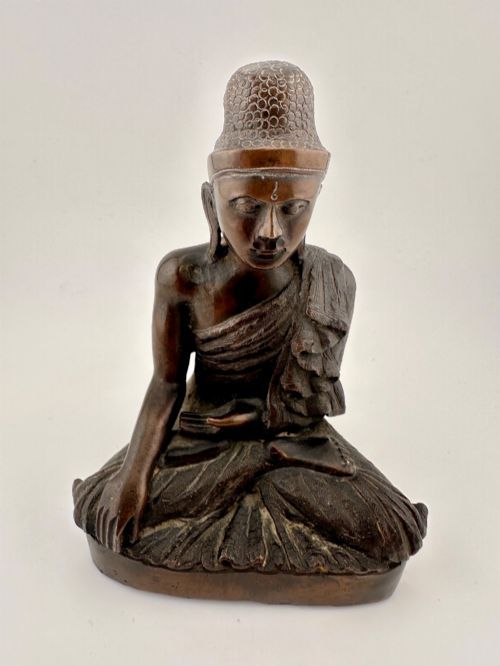
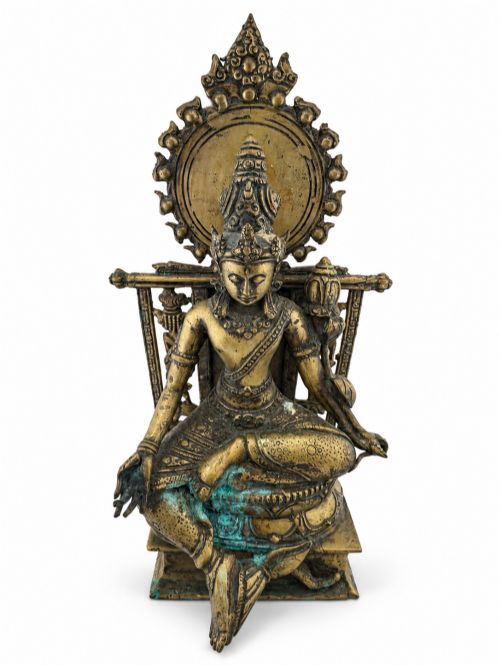
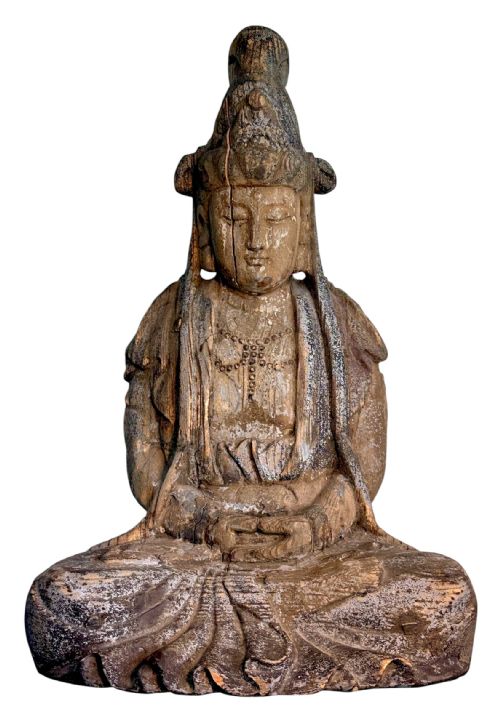
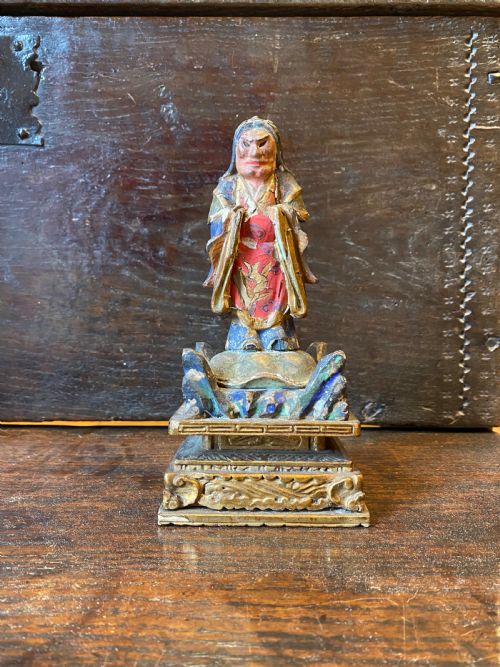
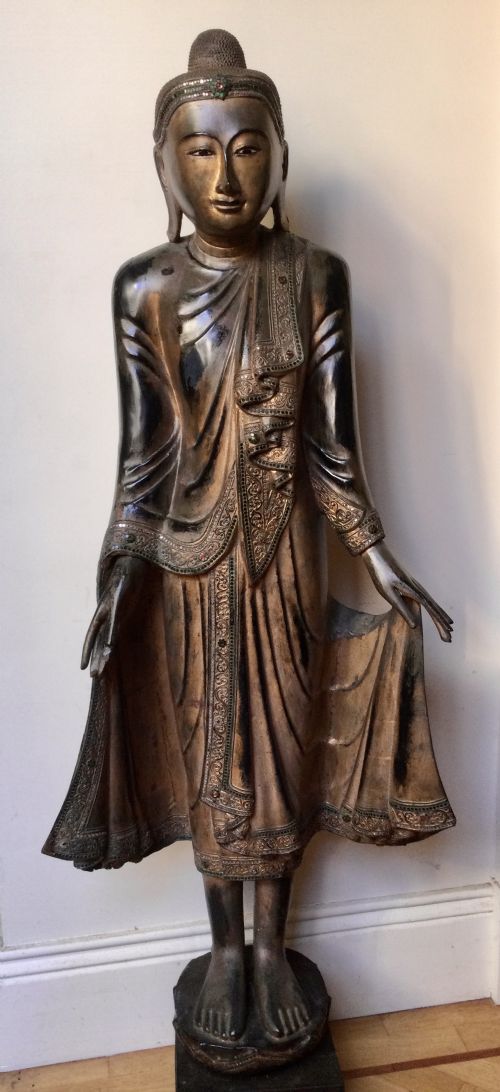
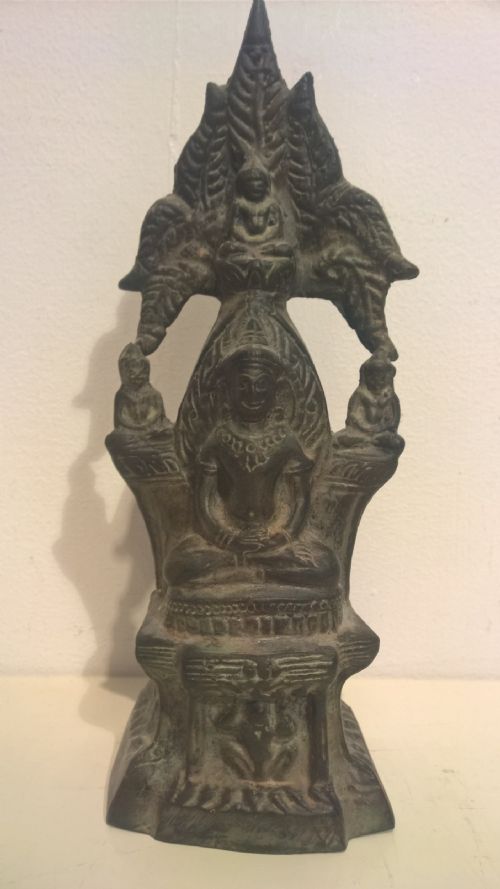
These buddha altar sculpture pieces are sacred devotional figures crafted in bronze, wood, and stone, offering serene spiritual presence for home shrines.
Buddha Altar Sculpture
When you search for buddha altar sculpture, you are looking at sacred religious statues and temple figures created for devotion and meditation. These pieces originate from traditions across Asia, including Tibetan, Southeast Asian, Sino-Tibetan, and South Asian cultures.
On this page, you are most likely to meet cast bronze figures and carved wooden statues originating from the eighteenth and nineteenth centuries, alongside pieces dated around nineteen hundred.
The forms range from seated meditative Buddhas and Buddhist deities such as Green Tara and Avalokiteshvara to temple icons and carved figures finished with gold leaf or lacquer.
Materials and construction methods
The metal sculptures in this selection are produced using bronze and copper alloy, often through traditional casting methods that yield solid, heavy figures. Some bronze pieces feature polished surfaces or traces of historical gilding.
Wooden examples rely on carved wood and gilt wood construction, occasionally enhanced with glass inlay or layers of coloured lacquer. Artisans also utilised stone for specific regional sculptural works during the nineteenth century.
Buddha Altar Sculpture Retail Price Guide 2026
Typical asking prices for buddha altar sculpture among the pieces listed under this phrase on Sellingantiques today, from the lower quarter to the upper quarter. They describe what is for sale here now, not the wider market.
Listings feature items spanning the eighteenth century through to the Edwardian period, utilising bronze, wood, lacquer, and stone.
Assessing craftsmanship and finish
Quality in these sacred sculptures rests primarily in the crispness of the casting and the sensitivity of the carving. Superior bronze examples display sharply defined facial expressions, intricate adornments, and clean casting lines.
In wooden and gilt pieces, the fineness of the hand-carving and the preservation of original surface treatments such as gold leaf and lacquer distinguish finer workshops from simpler utilitarian figures.
The Buddha Altar Sculpture Glossary
- Bronze
- An alloy of copper and tin utilised extensively for casting durable religious statues and shrine figures across Asian traditions. It provides a heavy, resonant body capable of holding fine sculptural detail.
- Gilt Wood
- Timber that has been coated with a thin layer of gold leaf or gold dust to create a luminous, sacred finish. This technique highlights the intricate hand-carving on temple deities and altar statues.
- Green Tara
- A revered female bodhisattva in Tibetan Buddhism associated with protection and enlightened activity. Representations typically show her seated in a meditative posture upon a lotus throne.
- Avalokiteshvara
- A transcendent bodhisattva who embodies the compassion of all Buddhas. Iconographic depictions often include multiple arms and serene facial expressions suited for temple devotion.
- Copper Alloy
- A mixture of metals predominantly composed of copper, frequently employed in historical metal sculpture. It forms the base material for many cast Asian religious figures found on altars.
Buddha Altar Sculpture: Frequently Asked Questions
What is a buddha altar sculpture?
A buddha altar sculpture is a devotional statue or religious figure placed upon a domestic or temple altar for meditation and worship.
These pieces depict Buddhas or revered deities and are fashioned from materials such as bronze, carved wood, and stone.
How were these statues used?
Historical statues served as focal points for prayer, offerings, and meditation within temples, monasteries, and household shrines.
Devotees utilised the physical presence of the deity to aid spiritual contemplation and maintain a sacred atmosphere.
How do I live with a bronze figure?
Bronze figures require stable indoor environments away from direct moisture and extreme temperature fluctuations to protect their metallic surfaces.
Dusting gently with a soft, dry cloth is sufficient to maintain the patina without damaging the historical finish.
How can I tell wooden statues apart?
Wooden altar pieces can be distinguished by observing the carving style, regional attributes, and surface finishes such as gold leaf or lacquer.
Differences in wood grain, tool marks, and iconographic details indicate the period and cultural origin of the sculpture.