



Brown Yew Chair
A brown yew chair brings rich timber tones and honest regional craftsmanship into any room.
Brown Yew Chair
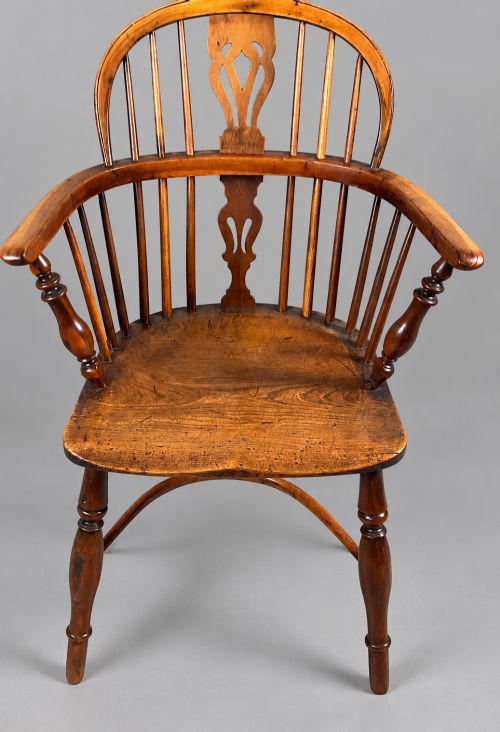
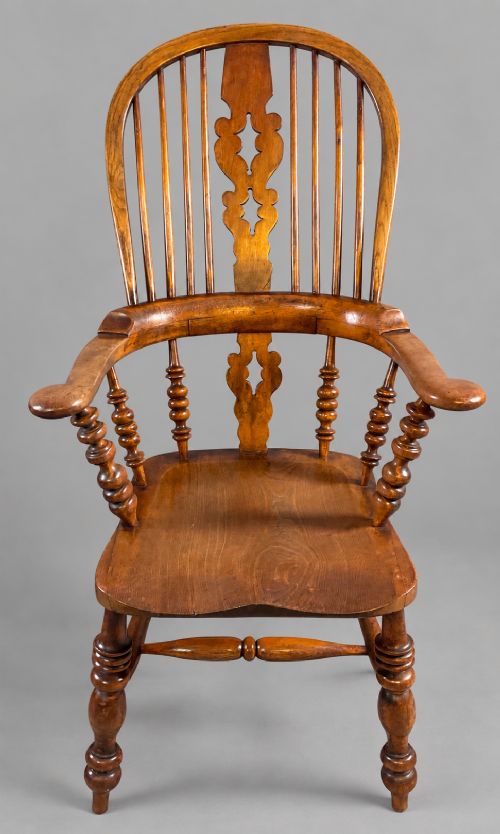
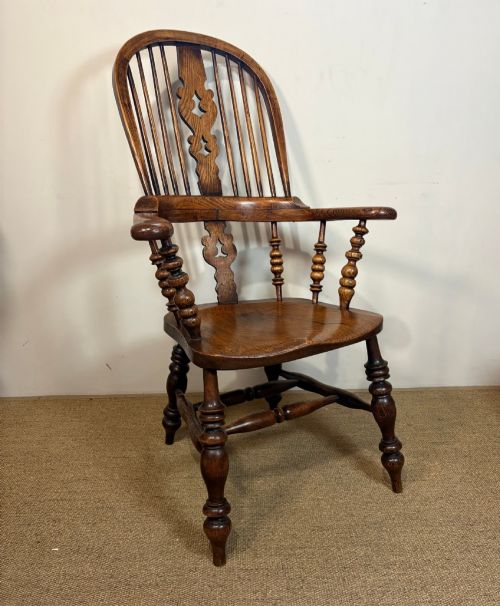
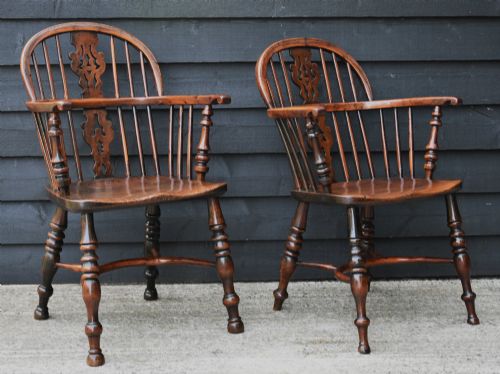
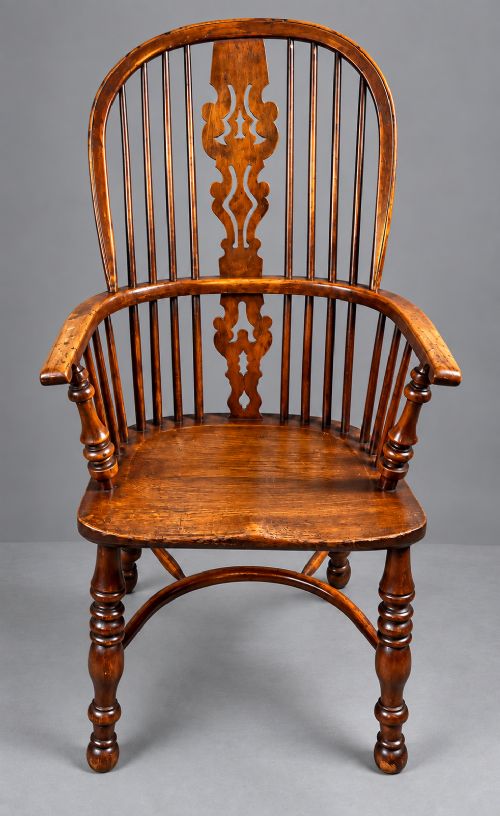
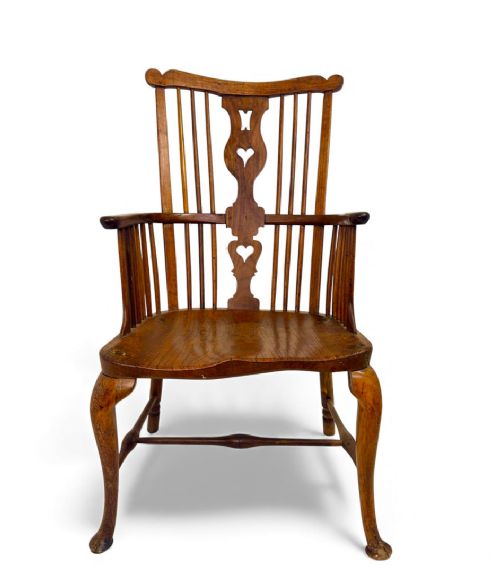
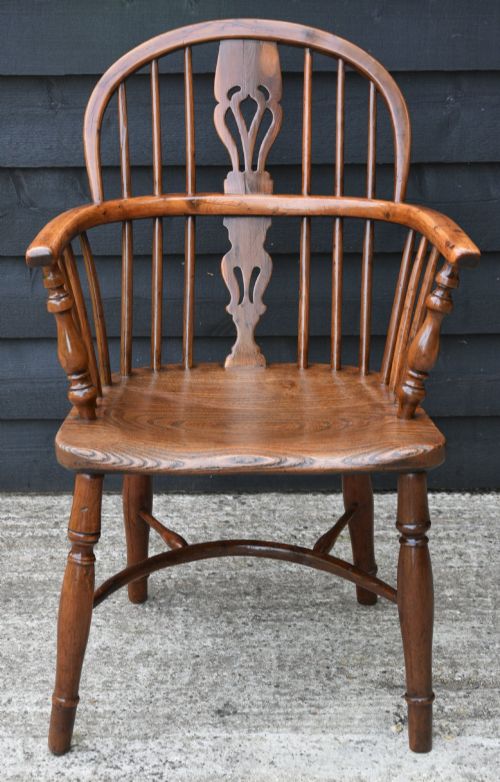
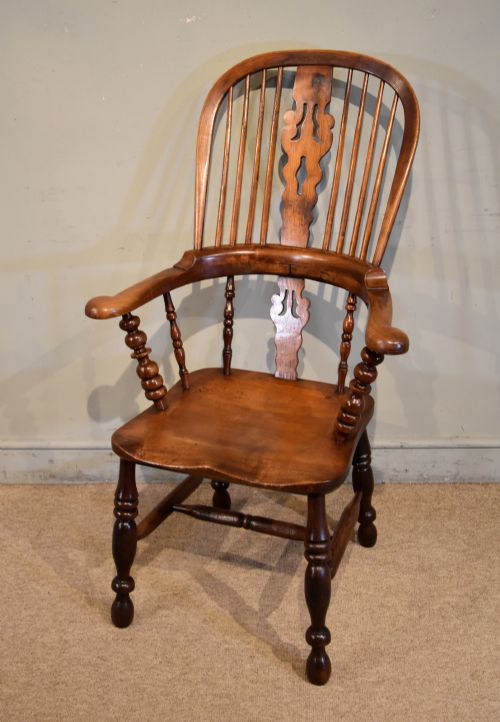
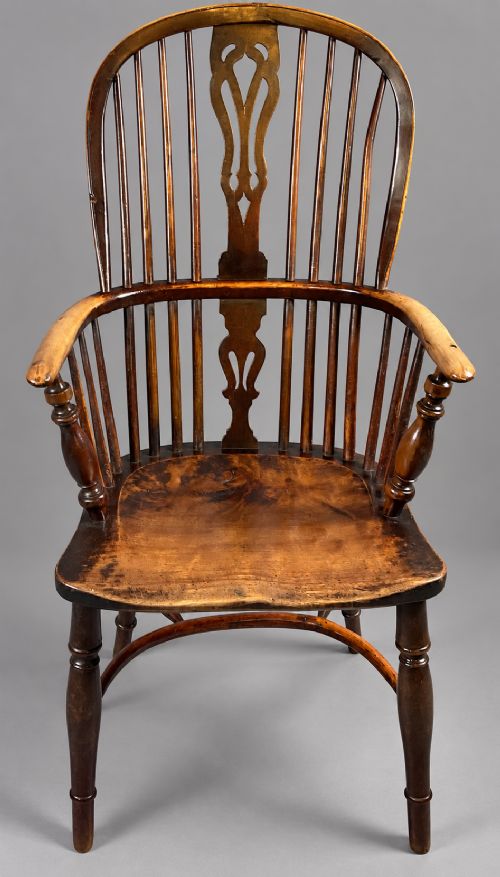
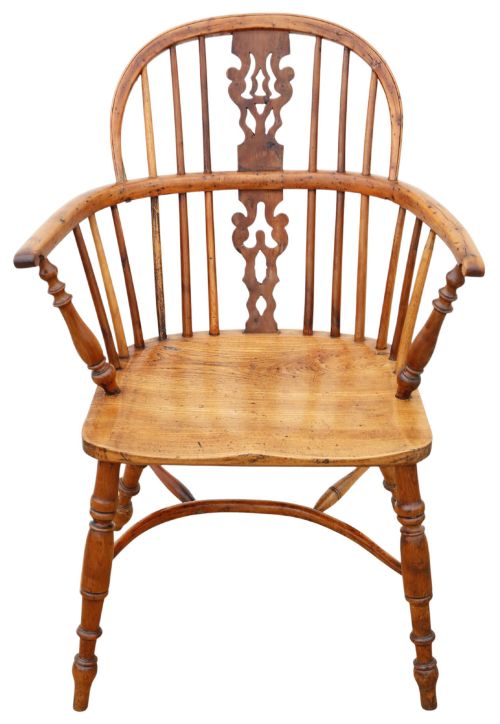
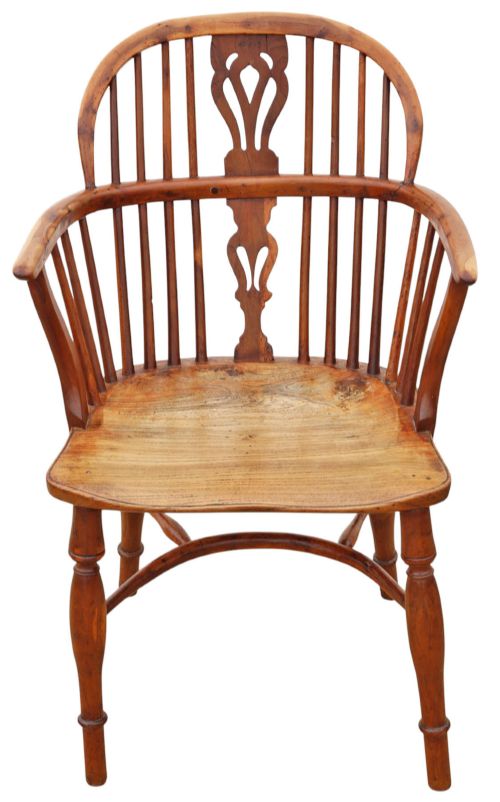
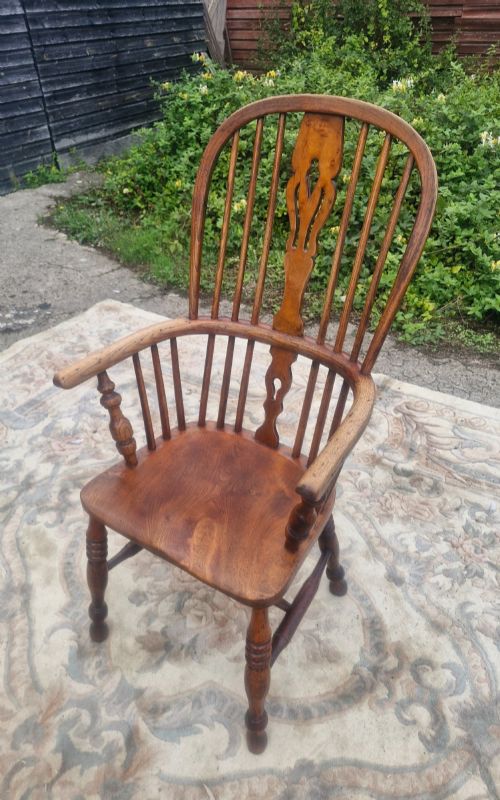
A brown yew chair most frequently appears on this page as a Windsor armchair, shaped by regional English makers during the eighteenth and nineteenth centuries. These seating forms range from high back and comb back designs to low back varieties with burr splats.
The materials used extend beyond yew wood to include elm, ash, beech, and fruitwood. Makers combined these timbers within a single frame, selecting strong woods for legs and stretchers and striking grain patterns for seats and backs.
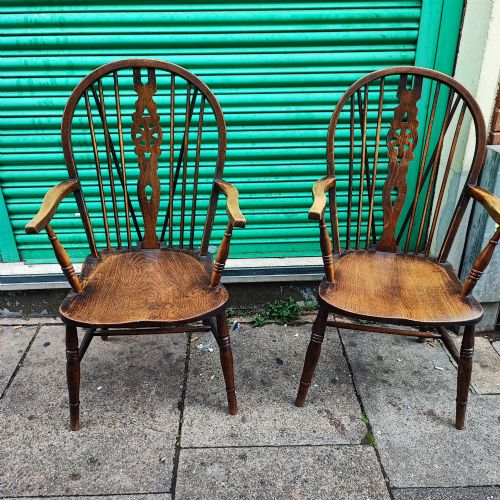
Examples span the Georgian and Victorian periods, with vernacular styles originating from the Thames Valley and other distinct regional workshops. Buyers will encounter single armchairs, matched pairs, and larger sets designed for farmhouse and country house settings.
Materials and Construction
Craftsmen built these chairs using a combination of turned undercarriages and solid, deeply dished wooden seats. Spindles and bentwood hoops formed the backs, secured by wedges and traditional joinery.
The distinct timber figuring relied on yew wood for its warm colour and varied grain, frequently paired with elm seats and ash or beech structural components. Crinoline stretchers provided rigidity between the legs on finer regional forms.
Brown Yew Chair Retail Price Guide 2026
Typical asking prices for brown yew chair among the pieces listed under this phrase on Sellingantiques today, from the lower quarter to the upper quarter. They describe what is for sale here now, not the wider market.
Many of these sturdy country seats survived decades of farmhouse kitchens without losing a single spindle.
Assessing Quality and Character
Quality in these seating pieces rests upon the boldness of the turning, the depth and figure of the yew wood grain, and the preservation of the original surface patination. A well-proportioned comb back or high back demonstrates superior sculptural balance.
Makers' marks or stamps, along with regional attribution to specific river valleys or workshops, elevate certain pieces above standard vernacular production. Matched sets and pairs also represent a higher tier of regional furniture making.
Gabbitass of Worksop·J Spencer
The Brown Yew Chair Glossary
- Windsor chair
- A chair built with a solid wooden seat into which the legs and back spindles are directly fitted. This form developed distinct regional variations across the English countryside.
- Crinoline stretcher
- A curved metal or wooden brace linking the legs of a chair beneath the seat. It provides structural support while adding a decorative shape.
- Comb back
- A Windsor chair back design featuring vertical spindles topped by a horizontal crest rail that resembles the teeth of a comb. This style dates primarily to the eighteenth century.
- Mendlesham chair
- A distinctive regional armchair type associated with Suffolk, characterised by an inlaid splat and shaped arms. They utilise woods like yew and elm.
- Vernacular
- Furniture made by local craftsmen using traditional regional designs and readily available materials rather than following metropolitan court styles.
Brown Yew Chair: Frequently Asked Questions
How do I date a yew chair?
Dating relies on structural characteristics, such as the transition from heavy crinoline stretchers on eighteenth-century examples to simpler undercarriages on later Victorian pieces. Tool marks and timber ageing further indicate the period of manufacture.
Changes in back design, from early comb backs to high hoop backs and low splat backs, also help determine when the chair was made.
Where were these chairs made?
These seating pieces originated across rural English workshops, with notable concentrations in the Thames Valley and regions like Suffolk. Local craftsmen utilised native hardwoods sourced from surrounding woodlands.
Regional differences in turning and back construction often point toward the specific area where the chair was produced.
How should I care for yew wood?
Maintain the timber by keeping the chair away from direct heat sources and sudden temperature fluctuations that can dry out the wood. Occasional light waxing preserves the natural sheen without building up heavy residues.
Avoid harsh chemical cleaners, using only a soft, dry cloth for routine dusting to protect the historic surface.
Can I use them as dining chairs?
Armchairs and carvers function well around a large dining table, provided the seat height and arm clearance match the table dimensions. Many examples were originally designed for domestic dining and parlour use.
Matched sets offer a cohesive look, while single armchairs serve as striking head-of-table seating.