




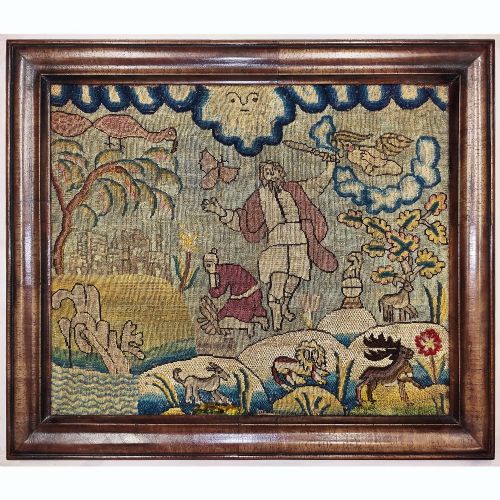
Brown Wool Embroidery
Brown wool embroidery brings warmth and texture to an interior through historic needlework, samplers, and felt wall hangings.
Brown Wool Embroidery
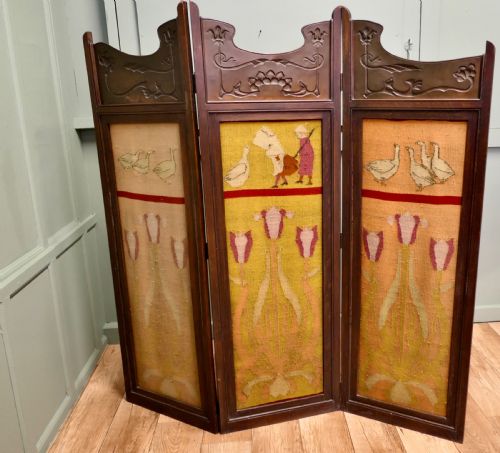
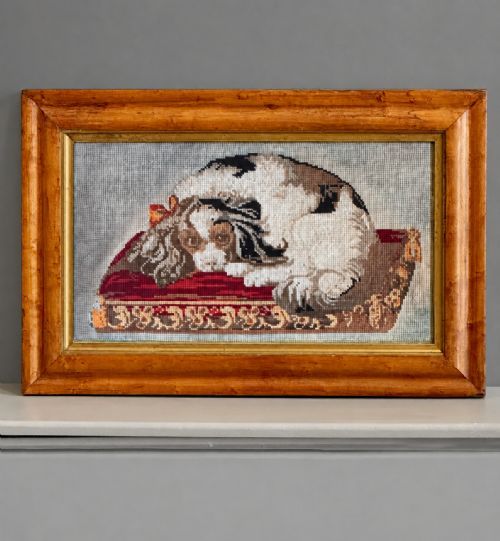
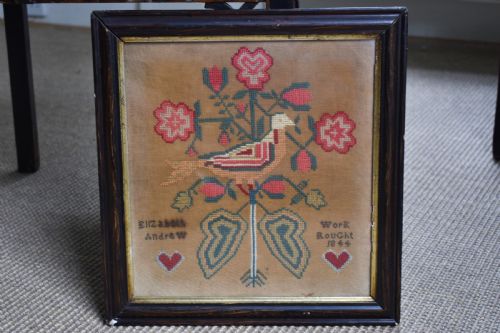
When you search for brown wool embroidery, you encounter a diverse group of textile pieces ranging from framed samplers to folding screens and wall hangings. These items span multiple eras, including the 17th century, the Victorian period, and the turn of the twentieth century.
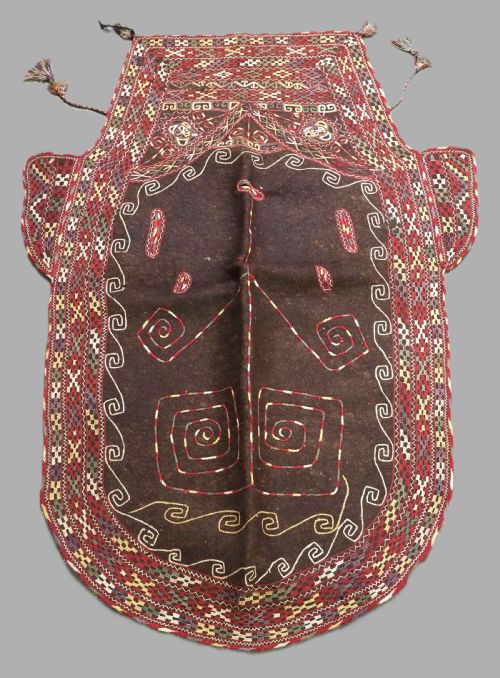
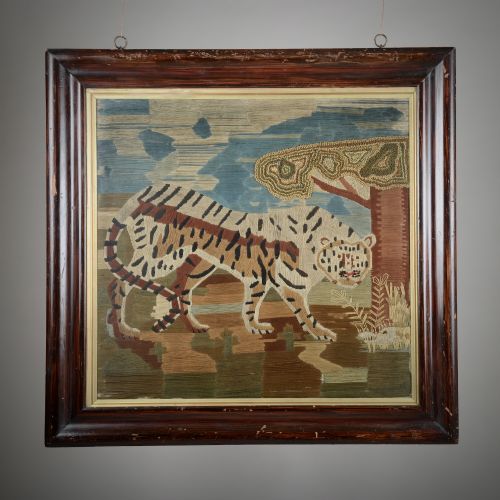
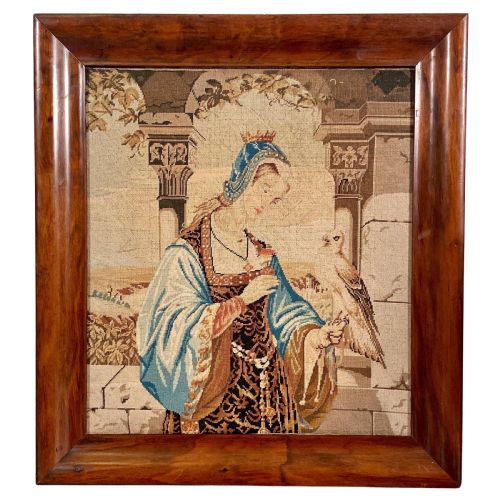
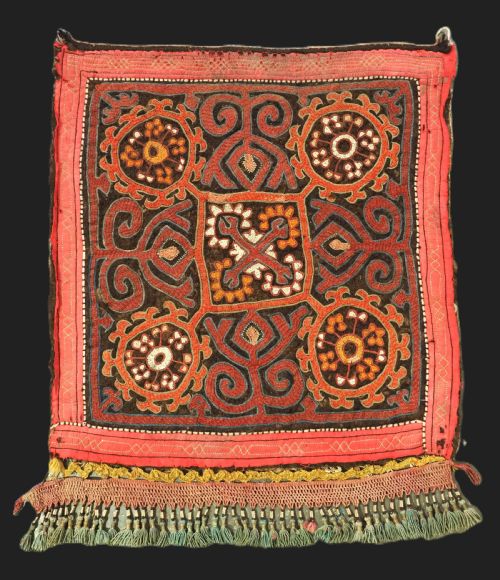
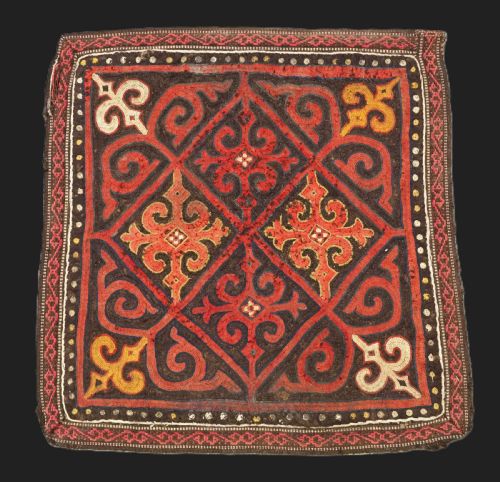
You are most likely to meet Victorian needlework pictures, floral or animal wool work, and Central Asian nomadic felt panels on this page. The forms vary from framed wall art to large ceremonial horse blankets and three-fold screens.
The origins stretch across English folk art traditions and Central Asian nomadic cultures, notably Yomut Turkmen and Kirghiz pieces. Each format offers a distinct glimpse into historic domestic craft and textile artistry.
Materials and construction
Makers utilised wool yarn, often worked on canvas or linen grounds, alongside felt bases for nomadic panels. Framing materials such as oak, rosewood, and burr maple frequently accompany the textile work.
Techniques range from standard needlework and Berlin work to gros point, petit point, and applied fringe work. Copper elements sometimes appear in structural framework, particularly on larger folding screens.
Brown Wool Embroidery Retail Price Guide 2026
Typical asking prices for brown wool embroidery among the pieces listed under this phrase on Sellingantiques today, from the lower quarter to the upper quarter. They describe what is for sale here now, not the wider market.
The inventory spans English folk art, Victorian needlework, and Central Asian nomadic panels created up to the early 1900s.
Judging the quality
The finesse of the needlework and the complexity of the design separate simpler domestic items from more ambitious pictorial wall art and tapestries. Precision in stitching and the integration of diverse wool shades determine the visual depth of a piece.
The condition of the wool, canvas, and felt grounds dictates the overall integrity of the textile. Additionally, the presence of original framing, such as burr maple or rosewood surrounds, elevates the finished presentation.
The Brown Wool Embroidery Glossary
- Berlin work
- A popular form of needlework charted on squared paper that allowed makers to follow intricate patterns using brightly coloured wools.
- Gros point
- A coarse counted-thread embroidery stitch used to cover large areas of canvas with sturdy wool yarn.
- Petit point
- A fine needlework stitch worked on single-thread canvas, allowing for high detail and subtle shading in pictorial scenes.
- Sampler
- A piece of needlework demonstrating a maker's proficiency in various stitches, alphabets, and motifs, often framed as wall art.
Brown Wool Embroidery: Frequently Asked Questions
How were brown wool embroidery pieces used historically?
These textiles served varied purposes from domestic wall decoration and educational samplers to functional room dividers and ceremonial horse blankets.
Nomadic pieces functioned within daily cultural life, whilst English needlework pictures and tapestries adorned formal parlour walls.
How do I care for historic wool textiles?
Keep framed pieces and wall panels away from direct sunlight to prevent the wool yarns from fading over time.
Maintain stable indoor humidity and gently remove surface dust with a soft brush rather than using liquid cleaners.
How can I tell a Victorian piece from earlier work?
Victorian examples often feature standardised canvas grounds, Berlin work charts, and sentimental subjects like animals or samplers.
Seventeenth-century pieces typically display simpler linen foundations and distinct needlework styles characteristic of early English domestic craft.
What defines Central Asian felt panels?
These items utilise thick felted wool bases embellished with embroidery and applied fringes rather than standard canvas needlework.
They reflect nomadic traditions from regions associated with Turkmen and Kirghiz makers around the turn of the twentieth century.