




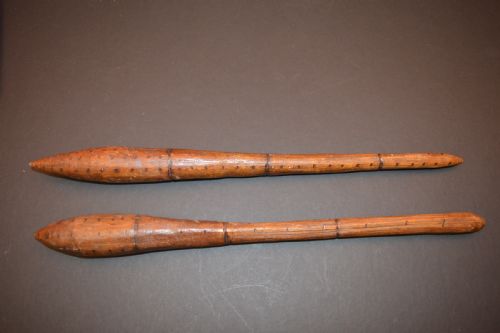


Brown Wooden Weapon
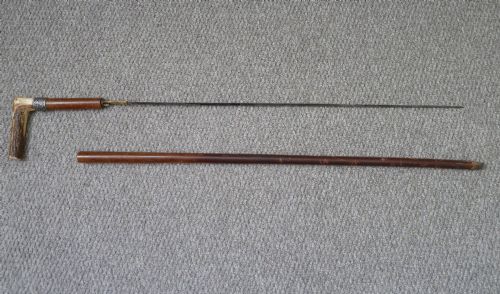
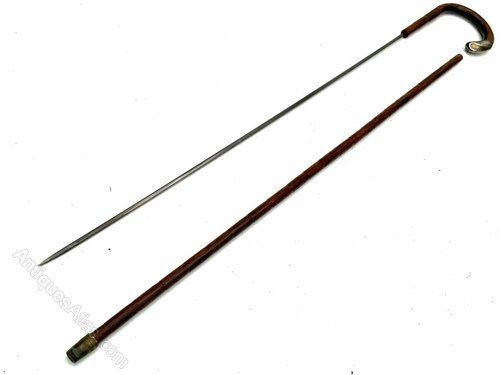
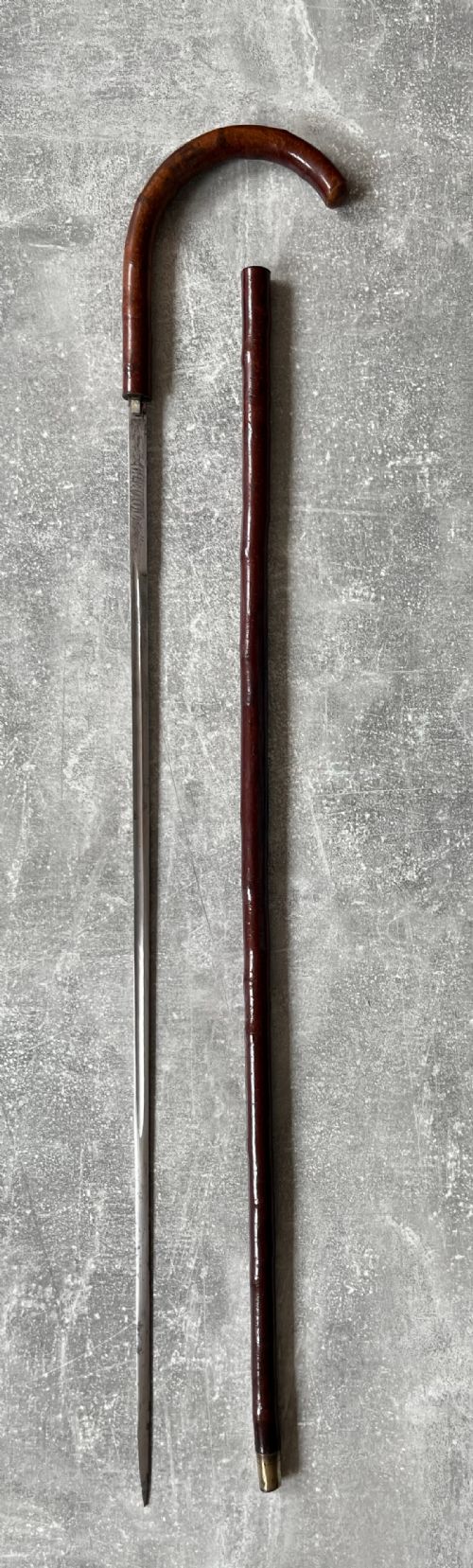
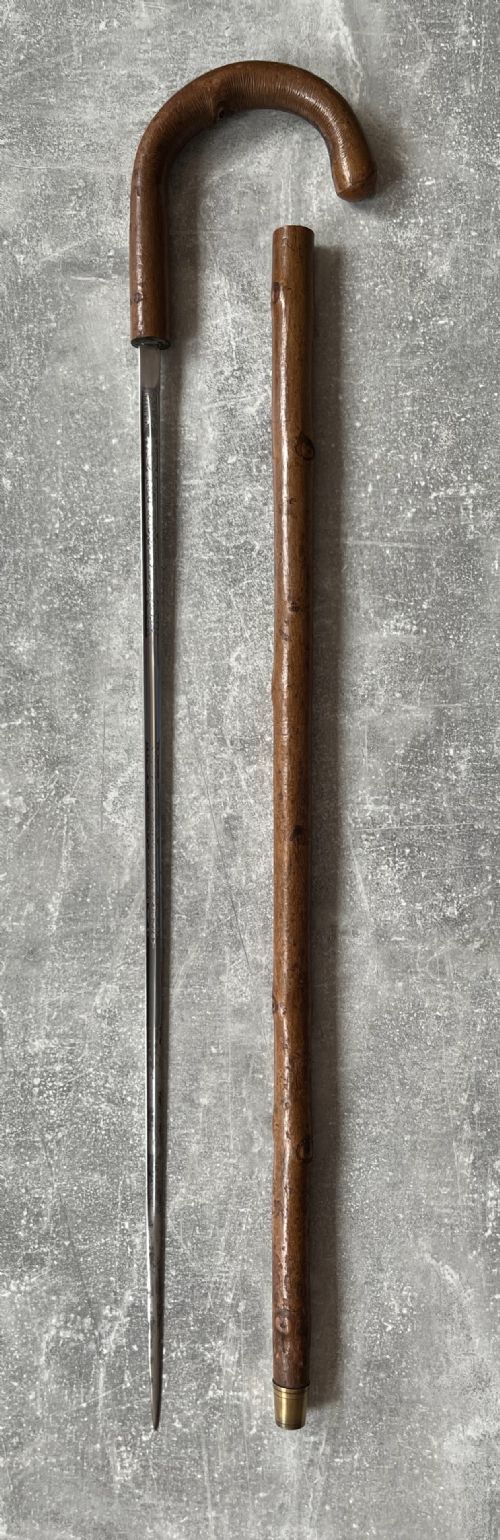
These brown wooden weapon items span nineteenth-century tribal art and British gentleman's walking sticks, offering carved hardwood construction and concealed blades for collectors.
Brown Wooden Weapon
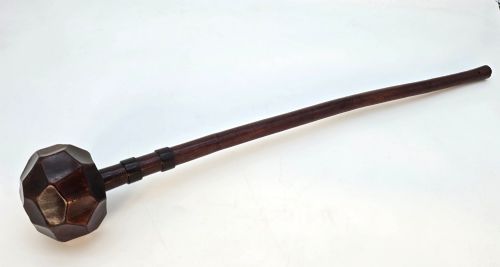
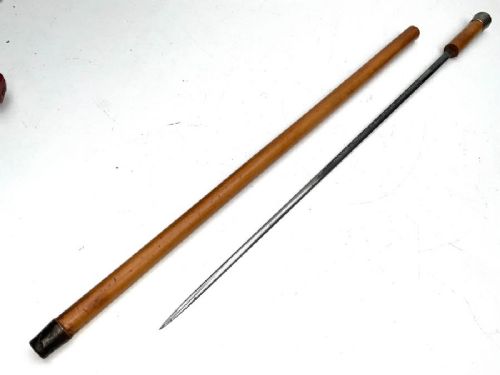
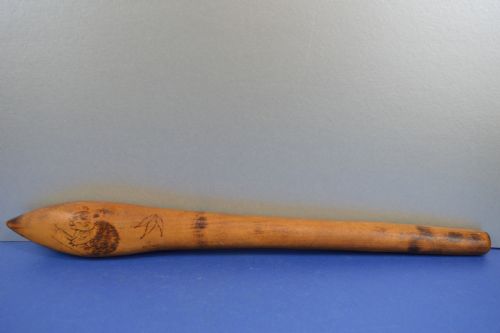
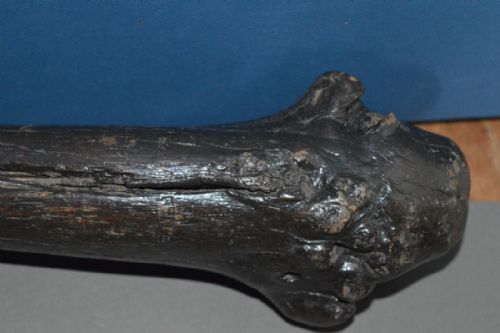
A brown wooden weapon covers functional implements and ethnographic artefacts, ranging from nineteenth-century Pacific island fighting clubs to Victorian and Edwardian sword sticks concealed within walking canes. Collectors seek these pieces for their historical utility and traditional craftsmanship across various cultures.
The objects appearing most frequently on this page combine natural timber shafts with hidden steel blades or serve as traditional throwing and striking clubs from Aboriginal, Zulu, and Oceanic origins. Examples incorporate regional hardwoods like cherrywood, partridge wood, and rosewood alongside horn and brass details.
How they were made
Carvers shaped dense hardwoods, cherrywood, and partridge wood using hand tools to create balanced shafts, club heads, and fitted walking cane scabbards. Natural timber grains were often polished or left with organic root ends for handles.
Metal components involved forged steel blades by makers such as Wilkinson and Toledo, integrated precisely into timber walking sticks alongside brass collars, horn handles, and metal matchlock mechanisms.
Brown Wooden Weapon Retail Price Guide 2026
Typical asking prices for brown wooden weapon among the pieces listed under this phrase on Sellingantiques today, from the lower quarter to the upper quarter. They describe what is for sale here now, not the wider market.
What varies in quality
Quality rests in the precision of the woodwork, the integrity of the fitted joinery between cane and hidden blade, and the authenticity of the tribal carving. Superior examples exhibit balanced weight, well-preserved original patination, and documented maker signatures on the steel.
Material selection dictates value, with dense native hardwoods, genuine horn handles, and named blade manufacturers distinguishing finer utilitarian pieces from standard production items.
The Brown Wooden Weapon Glossary
- Knobkerrie
- A traditional southern African wooden club featuring a heavy rounded head on a slender shaft. Used primarily for hunting and combat.
- Nulla-nulla
- An Australian Aboriginal wooden club or throwing stick utilised for hunting and close-quarters fighting. These are typically shaped from dense native timber.
- Ula drisia
- A Fijian throwing club characterised by a distinct lobed or root-stock head. Warriors hurled these items at targets during engagements.
- Sword stick
- A walking cane concealing a steel blade within its wooden shaft. Gentlemen carried these items for personal defence during the Victorian and Edwardian eras.
- Matchlock torador
- A traditional firearm mechanism utilising a slow match to ignite gunpowder. Examples integrate metal barrels with wooden stocks.
Brown Wooden Weapon: Frequently Asked Questions
What is a brown wooden weapon?
A brown wooden weapon refers to ethnographic clubs, throwing sticks, and concealed blade walking canes made from timber.
These items encompass both traditional fighting implements from global cultures and Victorian gentleman's self-defence accessories.
How were sword sticks used?
Sword sticks functioned primarily as walking aids for gentlemen while housing a hidden steel blade for personal protection.
The outer wooden shaft disguised the weapon during daily strolls in nineteenth-century urban environments.
How do I identify tribal clubs?
Tribal clubs are identified by regional wood types, traditional carving methods, and specific structural forms like root heads or lobed striking ends.
Geographic origins span Australian Aboriginal, Zulu, and Oceanic traditions with distinct stylistic markers.
How should I care for wooden weapons?
Keep wooden items away from direct heat sources and extreme humidity fluctuations to prevent timber splitting and blade corrosion.
Apply occasional appropriate wax to maintain the natural finish of antique hardwood surfaces.