

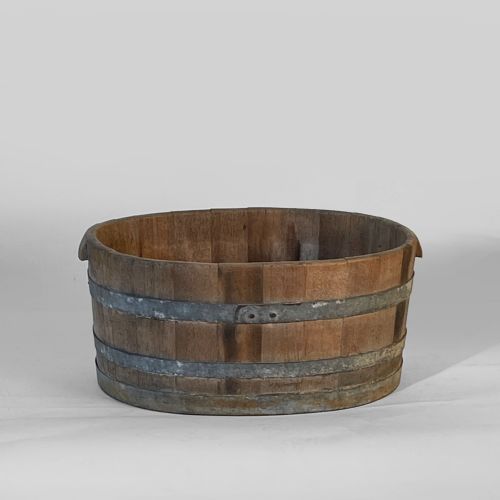

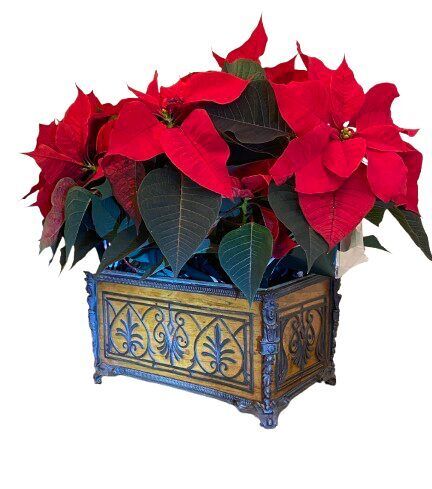


Brown Wooden Trough
These brown wooden trough forms span simple country dough bins and refined mahogany book slides, offering tactile grain and enduring utility.
Brown Wooden Trough
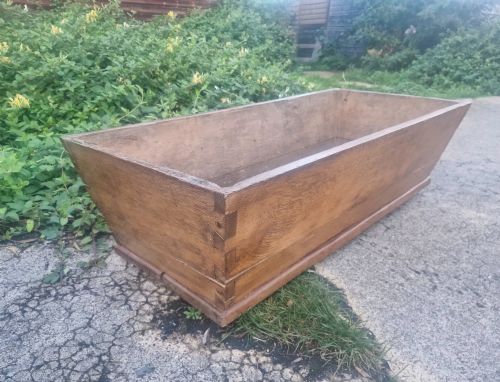
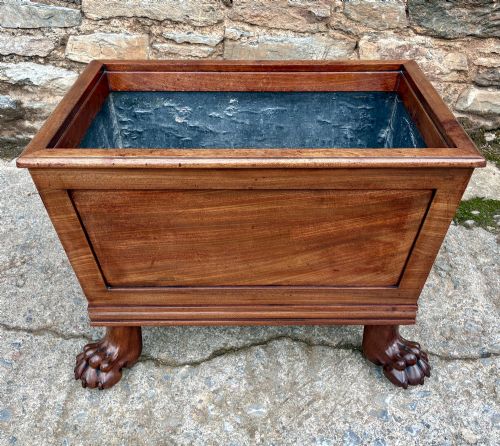
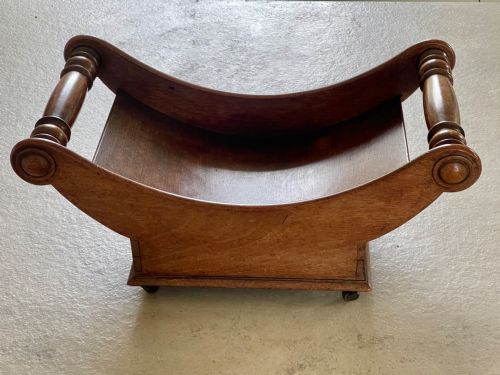
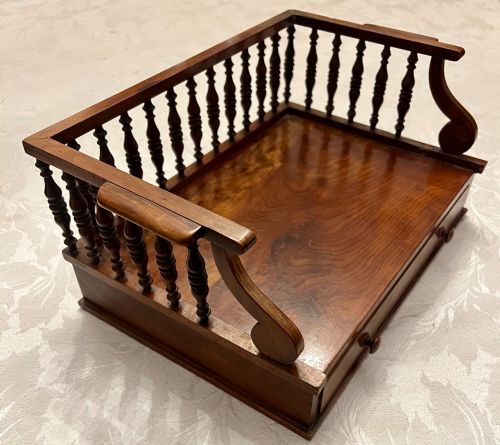
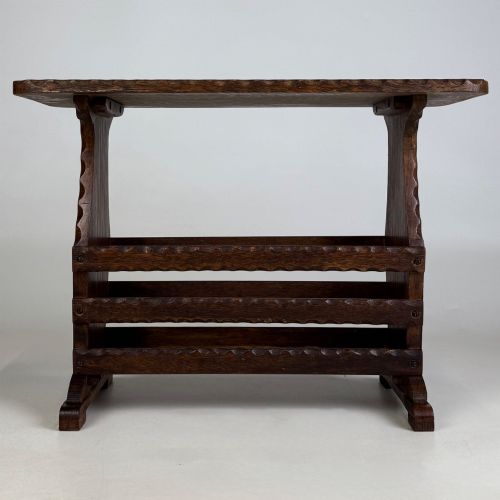
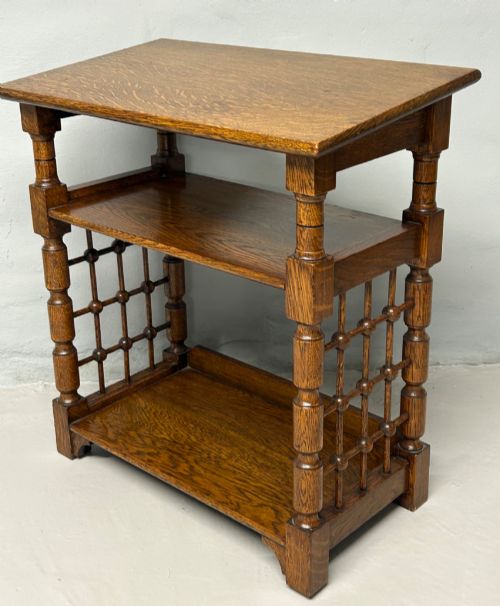
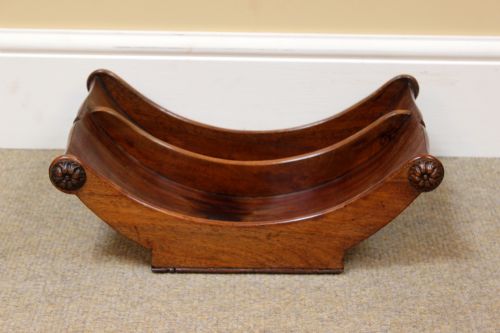
A brown wooden trough encompasses several distinct domestic and library forms built from timber, including book stands, dough bins, magazine racks, and planters. When searching for a brown wooden trough, buyers frequently encounter Edwardian oak examples and nineteenth-century utility pieces.
The materials range from domestic hardwoods like oak, elm, and sycamore to exotic timbers such as kingwood, walnut, and mahogany. Dating stretches from the Georgian era through the Victorian and Edwardian periods into the nineteen-thirties.
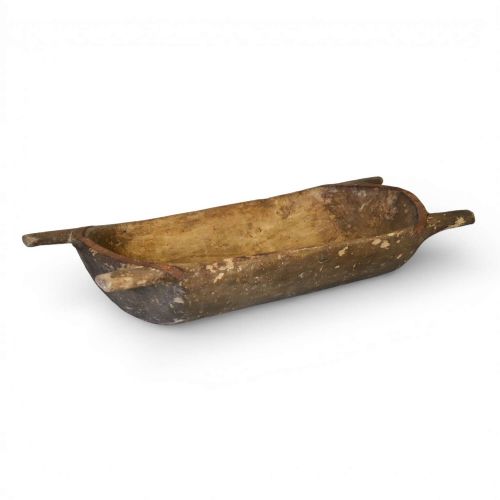
Utilitarian items include French farmhouse kneading bowls, dairy bowls, and coopered washing tubs alongside more decorative library book troughs and extending book slides. Each piece reflects the functional needs of past domestic, agricultural, and study spaces.
Materials and construction methods
Cabinet makers and country artisans utilised solid timbers like oak, mahogany, walnut, and elm, often pairing them with metal fittings such as brass castors, zinc linings, and iron bands. Joinery techniques vary from coopered staves in tubs and buckets to dovetails in dough bins and carved details on jardinières.
Surfaces display natural patination acquired through decades of agricultural or domestic use, ranging from unpolished sycamore and scrubbed elm to polished French mahogany and walnut. Grain patterns are highlighted through simple wax finishes or hand-carving, as seen in Arts and Crafts book stands and Art Nouveau planters.
Brown Wooden Trough Retail Price Guide 2026
Typical asking prices for brown wooden trough among the pieces listed under this phrase on Sellingantiques today, from the lower quarter to the upper quarter. They describe what is for sale here now, not the wider market.
Several items double as horse-themed book shelves, proving that nineteenth-century readers loved equines just as much as literature.
Judging quality and integrity
Quality rests in the honesty of the timber, the crispness of any hand-carved detail, and the retention of original functional hardware such as brass castors or extending mechanisms. Pieces that retain a deep, warm natural patina without excessive modern intervention command greater interest.
Construction integrity separates vernacular kitchen and dairy wares from fine library furnishings, where tighter joinery and choice exotic veneers like kingwood or coromandel indicate higher workshop status. The weight of the timber and the balance of extending book slides or folding racks reveal the original maker's intent.
The Brown Wooden Trough Glossary
- Dough bin
- A rectangular wooden container with a lid, historically used for proving bread dough in domestic kitchens. These are typically fashioned from elm, walnut, or pine.
- Book slide
- An extending desk accessory designed to hold a varying number of volumes upright between two upright ends. They often feature brass mounts or inlaid timber.
- Coopered
- Built from vertical wooden staves fitted together and bound with metal or wooden hoops, a method traditional to buckets, tubs, and vats.
- Patina
- The surface sheen and colour depth developed by timber through handling, light exposure, and wax polishing over many decades.
Brown Wooden Trough: Frequently Asked Questions
What were wooden troughs originally used for?
These items served a wide variety of domestic and agricultural purposes, ranging from kneading bread dough in country kitchens to washing laundry in coopered tubs. Library and desk versions were specifically built to hold, organise, and display books or magazines.
Over time, many utilitarian objects transitioned into decorative interior pieces, becoming planters, fireside storage boxes, or display furniture in living spaces.
How do I date an antique wooden trough?
Dating relies heavily on identifying the timber species, construction methods, and stylistic cues associated with periods like the Georgian, Victorian, or Edwardian eras. Simple pegged joints and vernacular timbers like elm often suggest earlier rural origins.
More refined woods like mahogany, combined with mechanical actions on book slides or distinct decorative motifs like Arts and Crafts carving, point securely toward the later nineteenth and early twentieth centuries.
Can I use these troughs for plants?
Many wooden troughs, particularly French walnut dough bins, jardinières, and coopered buckets, naturally lend themselves to housing potted plants inside the home. Care should be taken to protect antique wood interiors from moisture by using suitable liners.
Placing a protective saucer or waterproof insert inside prevents water damage while allowing you to display greenery within period timber.
How do I clean and maintain antique wood?
Maintenance requires simple dusting with a soft, dry cloth and occasional feeding with a quality beeswax to preserve the moisture and natural sheen of the grain. Avoid placing wooden pieces near direct heat sources or in strong sunlight, which can dry out and split older timbers.
Allowing the surface to breathe maintains the accumulated patina that defines the character of nineteenth-century and earlier pieces.