

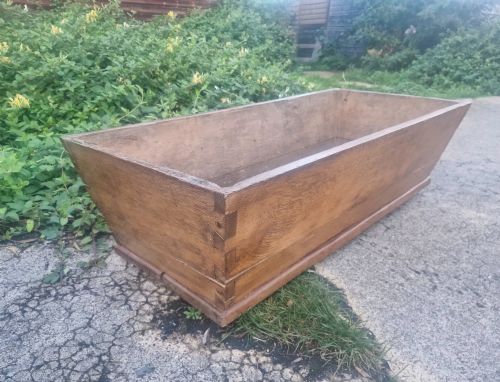
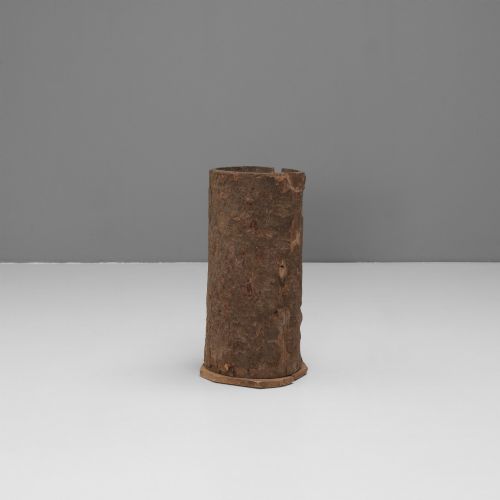
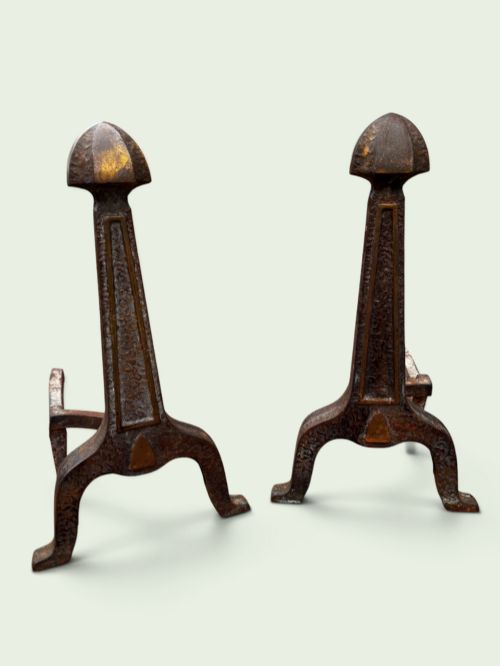
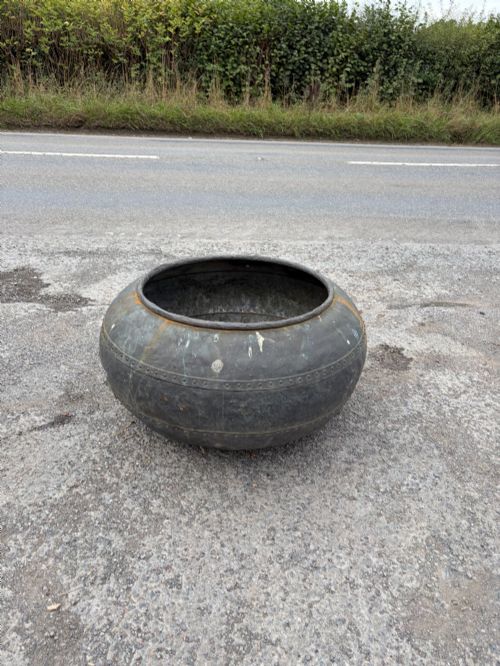
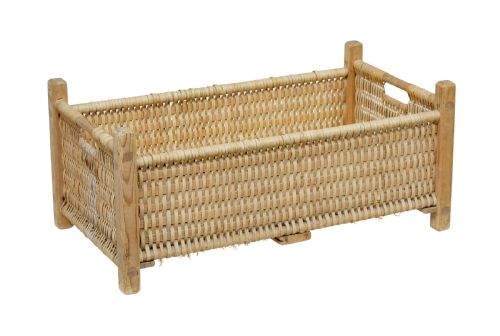


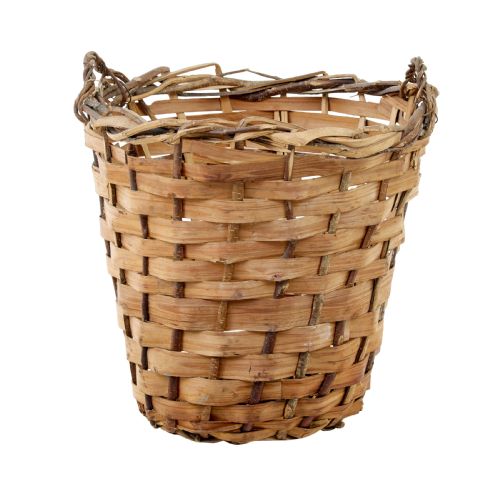

Rustic Log Holder
These rustic log holder selections bring practical fireside storage to a room through heavy metals and woven natural woods.
Rustic Log Holder
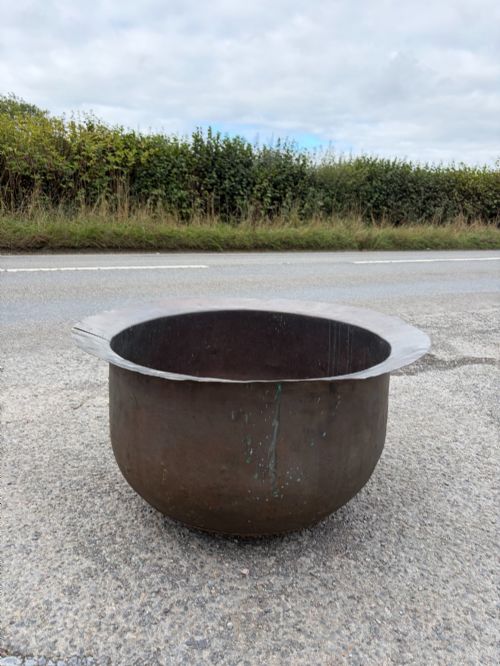
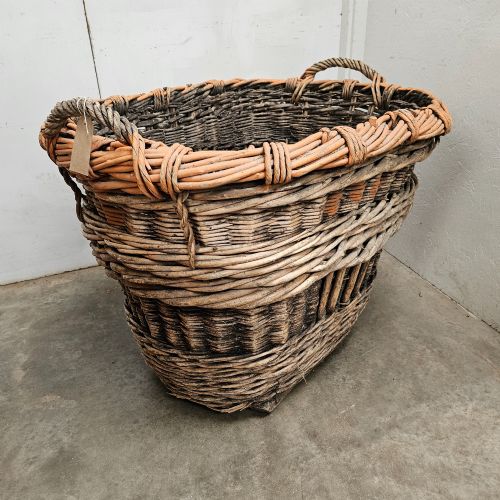
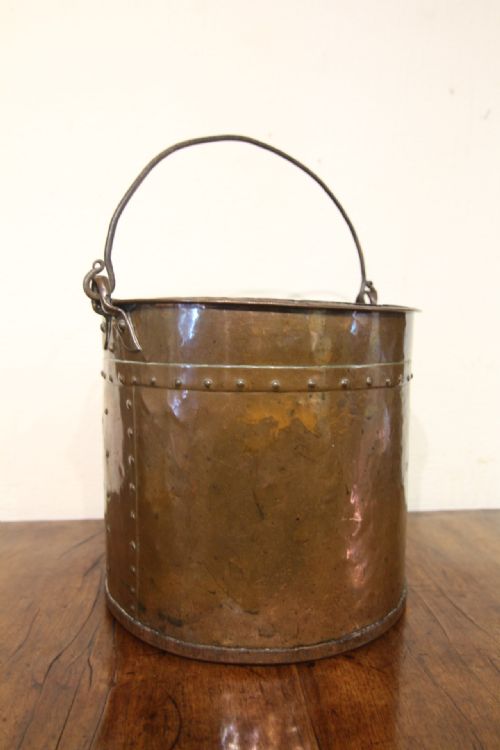
A rustic log holder serves as a sturdy container for fireplace fuel, combining everyday utility with regional craftsmanship from the nineteenth and early twentieth centuries. These pieces appear as riveted copper buckets, heavy iron bins, woven pine baskets, and dug-out tree trunks.
The selections span styles from Victorian and Georgian periods to Arts and Crafts and Scandinavian Country designs. Buyers most frequently encounter large copper vessels fitted with wrought iron handles or wooden baskets shaped for domestic hearth use.
Materials and construction
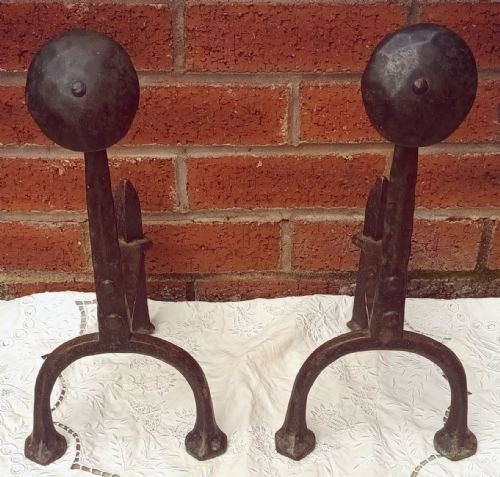
Metals such as copper, wrought iron, cast iron, brass, and steel form the rigid structures of these fireside vessels. Blacksmiths shaped iron into handles and fire dogs, while coppersmiths hammered sheet metal and joined seams with rivets.
Organic materials include oak, pine, and woven wood utilised for traditional baskets and solid trunk sections. Artisans employed hand-forging, riveting, and hand-weaving techniques to ensure the containers could support heavy loads of firewood.
Rustic Log Holder Retail Price Guide 2026
Typical asking prices for rustic log holder among the pieces listed under this phrase on Sellingantiques today, from the lower quarter to the upper quarter. They describe what is for sale here now, not the wider market.
Materials span copper, iron, wrought iron, wood, cast iron, pine, brass, and oak across the current listings.
Evaluating build and character
Quality rests in the integrity of the original construction, seen in hand-beaten copper body panels, secure riveted joints, and substantial wrought iron handles. Heavier gauge metals and tightly woven timbers indicate robust utility designed to withstand heavy daily handling.
Surface character distinguishes standard utilitarian examples from finer decorative pieces, with natural verdigris patinas and blacksmith marks adding historical depth. The harmony between the primary material and functional ironwork defines the overall presence of each piece.
The Rustic Log Holder Glossary
- Andirons
- Supports for logs in a hearth, often forged from wrought iron and styled to match fireside storage vessels.
- Cauldron
- A large metal pot, frequently constructed from copper with a swing handle, used historically for various domestic tasks before serving as a fuel container.
- Verdigris
- A green patina that forms naturally on copper and brass surfaces through atmospheric oxidation over many decades.
- Wrought iron
- Iron that has been heated and hammered by hand into shape, notable for its fibrous texture and strength.
- Riveted
- Joined together using metal pins that are hammered flat at the ends, common in heavy nineteenth-century copper buckets.
Rustic Log Holder: Frequently Asked Questions
What materials are used in these log holders?
These items are constructed primarily from metals such as copper, iron, brass, and cast iron, alongside organic materials like pine, oak, and woven wood.
Many examples combine multiple materials, featuring copper bodies secured with riveted joints and fitted with wrought iron swing handles.
How do I date a copper log bin?
Dating relies on manufacturing techniques, such as hand-hammered panels, heavy riveted seams, and the presence of wrought iron rather than modern steel fastenings.
Period markers like Georgian or Victorian styles and Arts and Crafts design cues also help establish the approximate age of the piece.
Can these containers be used outdoors?
Many copper vessels and iron bins double as garden planters or outdoor storage items due to the weather-resistant qualities of copper and iron.
Wooden baskets and woven pine items are better suited for dry indoor environments to preserve the natural fibres.
What is the difference between a log bin and a scuttle?
A log bin is typically a wide, deep container designed to hold multiple logs for immediate hearth use.
A coal scuttle or bucket is shaped for carrying smaller fuel quantities, often featuring a specific pouring spout or angled rim.