

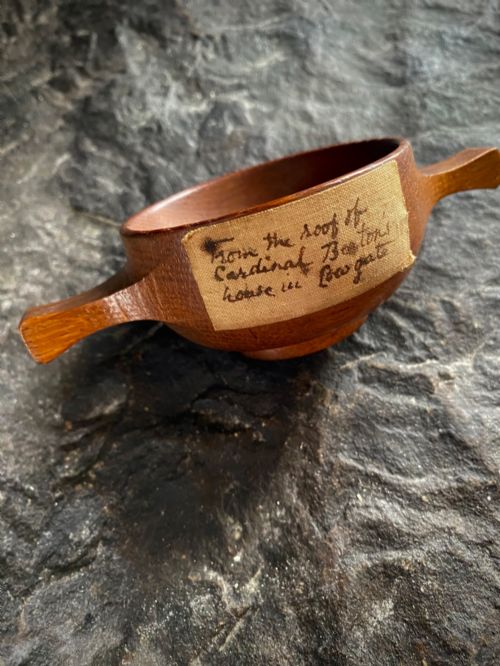
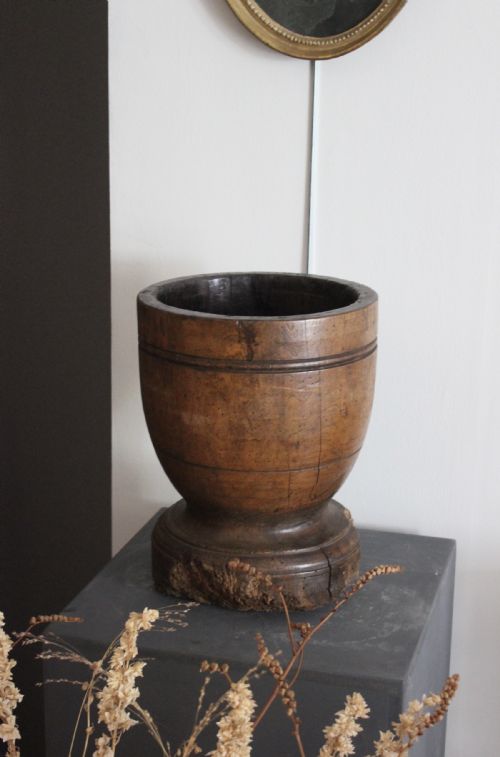
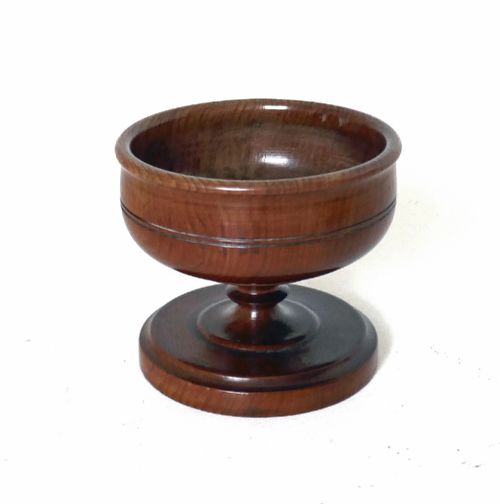
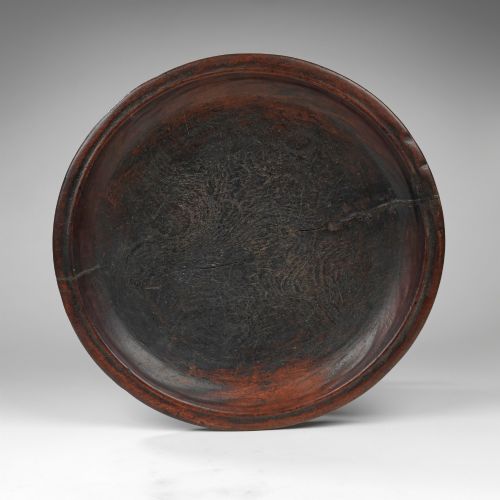
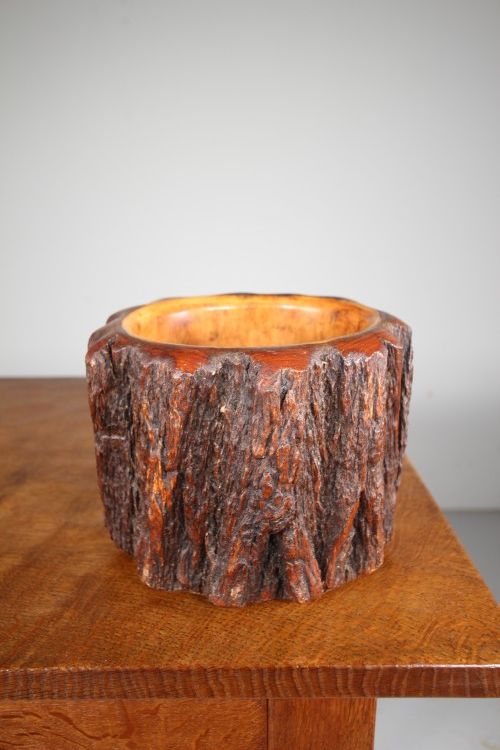


Brown Wooden Treen Bowl
A brown wooden treen bowl brings honest domestic history into a modern room, shaped by hands long gone for daily kitchen or dairy work.
Brown Wooden Treen Bowl
When you search for a brown wooden treen bowl, you are looking at utilitarian domestic objects fashioned from timber during the Georgian, Victorian, and early twentieth-century periods. These vessels served practical purposes in dairies, kitchens, and households before mass manufacturing replaced turned and dug-out woodenware.
Origins span English, Welsh, and Continental workshops, reflecting local vernacular traditions rather than high-style cabinet making. Each piece bears the marks of its working life, showing how simple wood was turned or dug out to meet the demands of rural households.
How they were made
Craftsmen utilised lathe-turning or dug-out techniques to shape green or seasoned timber into functional vessels, following the natural grain of woods like sycamore, ash, and walnut. Turned pieces exhibit concentric tool marks on their surfaces, while dug-out examples reveal the heavy gouges of an adze or chisel.
Makers selected native timbers for specific working qualities, pairing hard fruitwoods and close-grained sycamore with bowls that required durability against moisture and friction. Occasionally, metal components such as silver mounts were added to ladles or specialised pieces, combining utility with finer detailing.
Brown Wooden Treen Bowl Retail Price Guide 2026
Typical asking prices for brown wooden treen bowl among the pieces listed under this phrase on Sellingantiques today, from the lower quarter to the upper quarter. They describe what is for sale here now, not the wider market.
Listings feature items spanning the Georgian, Victorian, and early twentieth-century periods, utilising native woods like ash, sycamore, and yew.
What varies in quality
Quality in these utilitarian objects rests upon the balance of proportion, the liveliness of the timber's grain, and the depth of the surface patina built up through decades of handling and use. A well-turned rim and a stable, well-balanced base distinguish a superior vessel from a purely utilitarian container.
The presence of original tool marks and the preservation of natural warmth in the wood elevate certain examples above others. Wear is expected, but the distinction lies between pieces that retain their structural integrity and expressive character and those dulled by unsympathetic cleaning.
The Brown Wooden Treen Bowl Glossary
- Treen
- Small handmade wooden household objects. The term derives from the old word for tree.
- Patina
- The surface sheen and colour developed over decades of handling and polishing. It is a sign of age and use.
- Turned
- Formed on a lathe by rotating the timber against a cutting tool. This method creates regular, circular profiles.
- Dug out
- Hollowing a solid block of wood manually with gouges or adzes rather than turning it on a lathe. This technique was common for heavy bowls and platters.
- Searce
- A fine sieve or strainer used in domestic preparation. In treen, it describes perforated wooden utensils.
Brown Wooden Treen Bowl: Frequently Asked Questions
How were wooden bowls used originally?
These vessels served essential functions in rural and domestic life, ranging from dairy work like skimming cream to preparing and serving food at the table. They handled everyday tasks before ceramic and metal wares became common in kitchens.
Larger platters held fruit or joints of meat, while smaller salts and scoops managed dry goods and liquids. Their daily utility meant they were handled constantly, which shaped their wear patterns over generations.
How do I care for antique treen?
Keep wooden vessels away from direct sunlight, central heating sources, and rapid humidity changes to prevent the timber from splitting or warping. Cleaning should be limited to a quick wipe with a slightly damp cloth when necessary.
Avoid submerging them in water or placing them in dishwashers, as moisture strips the historic surface. Applying a neutral food-safe wax occasionally helps nourish dry timber without altering the colour.
How can I tell the age of a wooden bowl?
Dating relies on tool marks, timber selection, form, and the character of the surface wear. Lathe-turning marks left by pole lathes differ visibly from those made by later mechanized machinery.
Georgian and Victorian pieces often display distinct wall thicknesses and footring styles characteristic of their period. Comparing the timber species and regional turning traits helps narrow down the decade of manufacture.
What is country treen?
Country treen refers to utilitarian wooden items made for local domestic or agricultural use rather than high-status urban display. These pieces were produced by regional turners using accessible native timbers like ash, sycamore, and fruitwood.
Their appeal lies in their unpretentious forms and honest craftsmanship. They reflect the traditions of specific areas, such as Welsh or English country workshops.