



Brown Wooden Statuette
These brown wooden statuette pieces bring character and regional carving traditions straight to a room, ranging from Black Forest animals to Japanese Meiji figures.
Brown Wooden Statuette
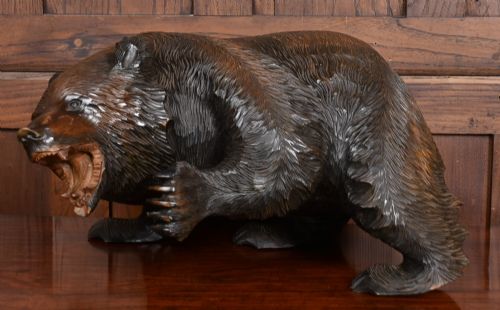
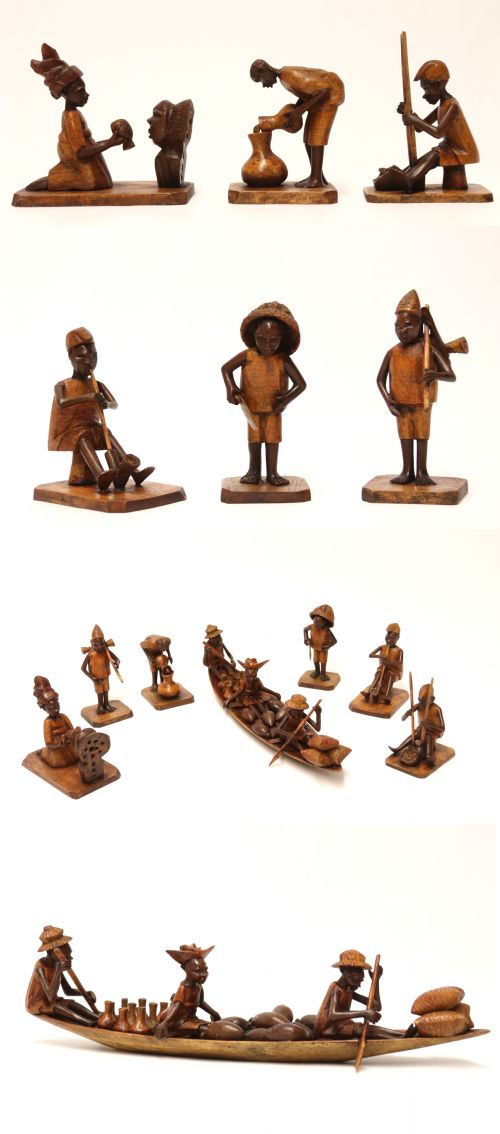
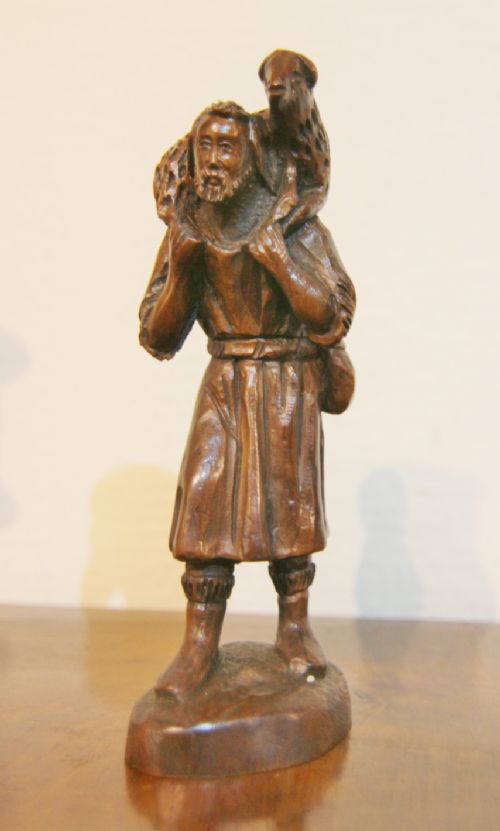
A brown wooden statuette encompasses carved animal and human figures drawn from diverse regional traditions, spanning from Japanese Meiji period okimono to Black Forest wildlife carvings. Collectors seek out these pieces for their tangible link to historical carving skills across the eighteenth and nineteenth centuries.
The selection on this page relies heavily on nineteenth-century craftsmanship, alongside specific examples from the eighteenth century and the early decades of the twentieth century. Forms range from domestic animals and livestock to human portraits and tribal figures.
Makers utilised various timber types, creating distinct silhouettes that reflect both European workshops and Asian carving traditions. Buyers encounter everything from small netsuke to substantial decorative sculptures.
How they were made
Carvers shaped these statuettes from boxwood, oak, hardwood, and linden wood, applying dark stains or leaving the natural grain visible. The choice of timber dictated the scale of the detail achievable, particularly in miniature Japanese works.
Meticulous hand carving defines the surface texture, from the fur of a bear or ibex to the folds of drapery on historical portraits. Workshops relied on gouges, chisels, and knives to build up three-dimensional depth.
The listings here include works spanning the 16th century through to the 1930s, utilising boxwood, oak, and general hardwood.
What varies in quality
The definition of the carving determines visual success, separating pieces with expressive anatomical accuracy from simpler folk art interpretations. Master carvers captured tension in muscle and posture, particularly in animalier subjects like horses and tigers.
Proportion and the preservation of original surface finishes dictate the standing of a statuette. Intact tools marks and untouched patination elevate the visual weight of the timber.
Simon Troger·Tomochika
The Brown Wooden Statuette Glossary
- Black Forest carving
- European wood carving originating from the mountainous regions of Switzerland and Germany. These pieces typically depict local fauna and forestry subjects in walnut or linden wood.
- Okimono
- A Japanese term for a small decorative statue or ornament. These carvings were traditionally displayed in a home's alcove.
- Animalier
- A nineteenth-century artistic style focusing on the realistic portrayal of animals. Sculptors in this genre studied animal anatomy closely.
- Boxwood
- A dense, pale hardwood favoured for intricate miniature carving. Its fine grain allows for exceptionally sharp details without splintering.
- Netsuke
- A small Japanese toggle used to secure a pouch or basket to a kimono sash. They are carved from wood with a hole or channel for a cord.
Brown Wooden Statuette: Frequently Asked Questions
What is a brown wooden statuette?
A brown wooden statuette is a small carved sculpture fashioned from timber, depicting human figures, animals, or cultural subjects. These items represent diverse global traditions from the eighteenth century onward.
Buyers select them for display cabinets or tabletops to introduce historical texture and craftsmanship into an interior setting.
How do I date a wooden statuette?
Dating relies on examining the tool marks, timber choice, style of dress, and overall wear patination. Comparing the subject matter to known historical periods helps narrow down the decade of creation.
Consulting the specific regional carving characteristics also assists in establishing an approximate timeframe.
Where were Black Forest carvings made?
Black Forest carvings originated primarily in the rural workshop traditions of Switzerland and Germany during the nineteenth century. Artisans focused on local wildlife and pastoral themes.
These objects were often produced as souvenirs for travellers touring the European continent.
How should I clean a wooden statuette?
Cleaning requires a soft, dry brush to remove dust from crevices without disturbing the wood surface or finish. Avoid using water, detergents, or chemical polishes which can strip the historic patina.
Keeping the piece out of direct sunlight prevents the timber from drying out or fading over time.