

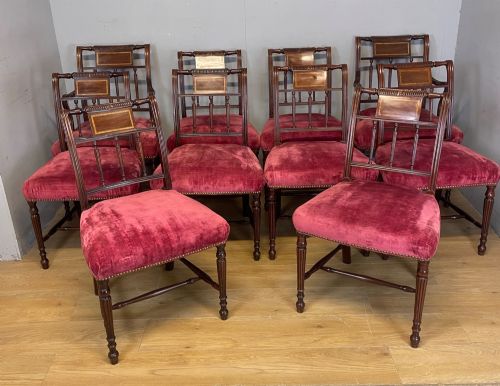
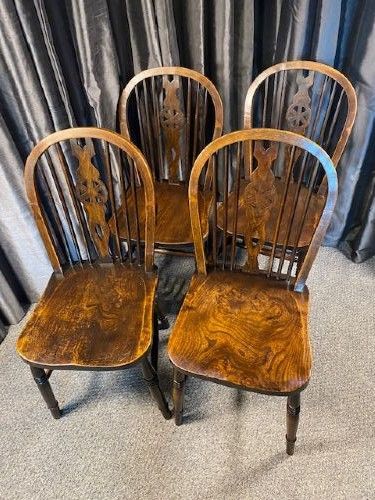
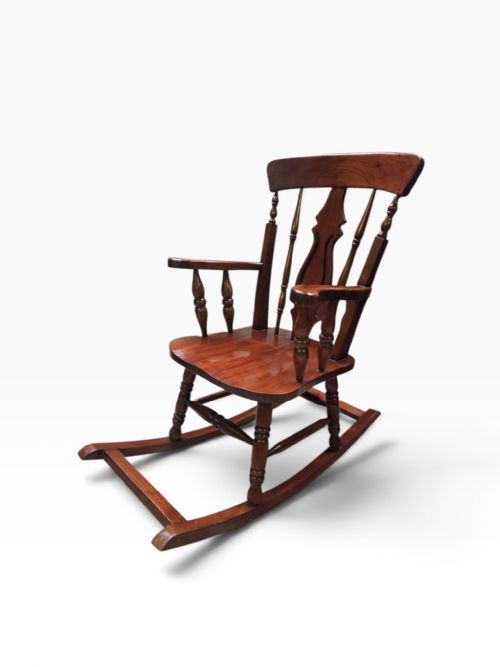
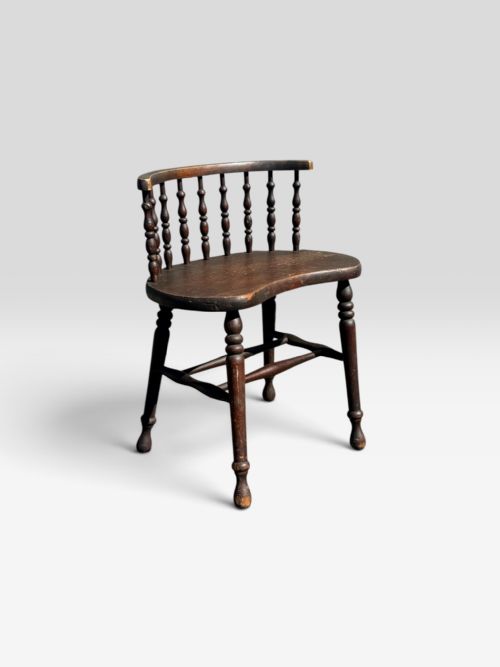
Brown Wooden Spindle Chairs
Brown wooden spindle chairs are sturdy vernacular seats built from native timbers like elm, ash and beech, offering traditional character for everyday use.
Brown Wooden Spindle Chairs
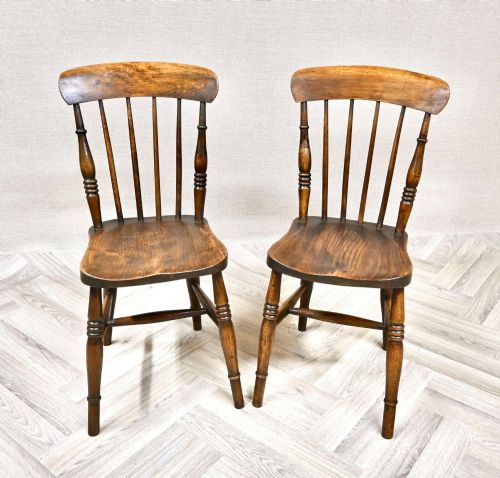
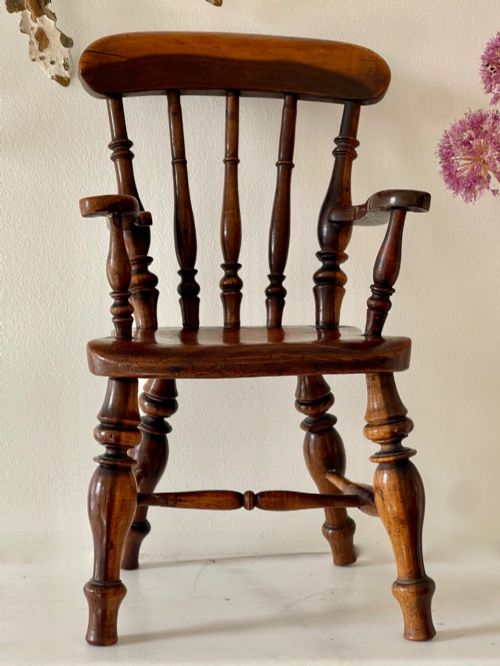
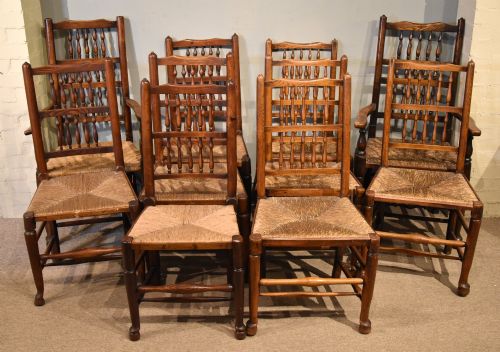
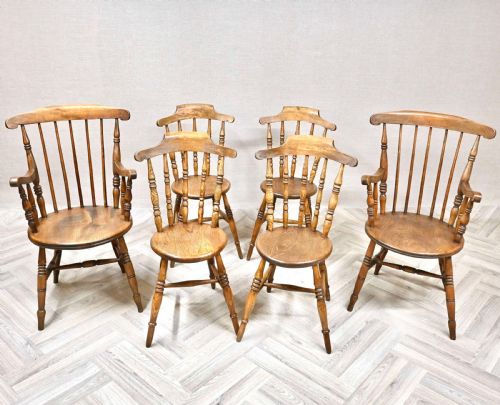
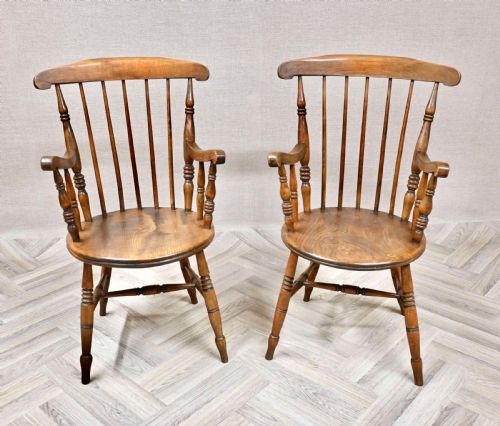
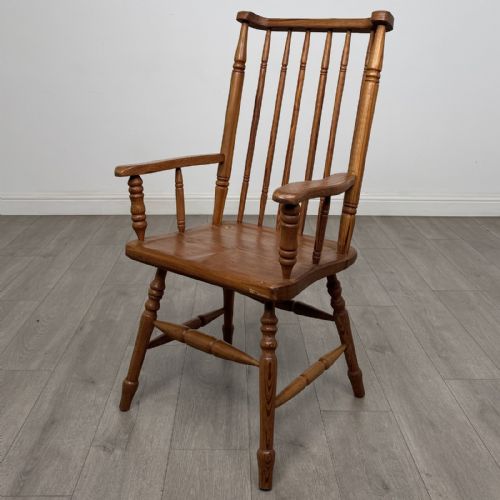
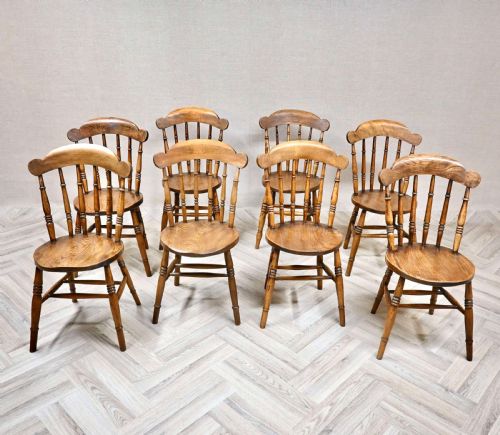
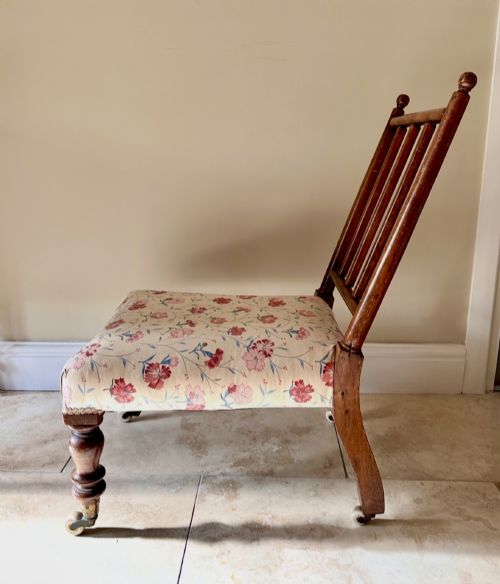
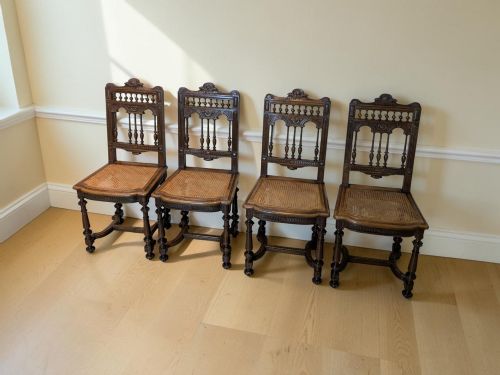
Brown wooden spindle chairs encompass a diverse range of vernacular seating, from kitchen dining sets to low slipper chairs and office desk chairs. These seats emerge predominantly from the nineteenth and early twentieth centuries, spanning Victorian, Edwardian and Georgian periods.
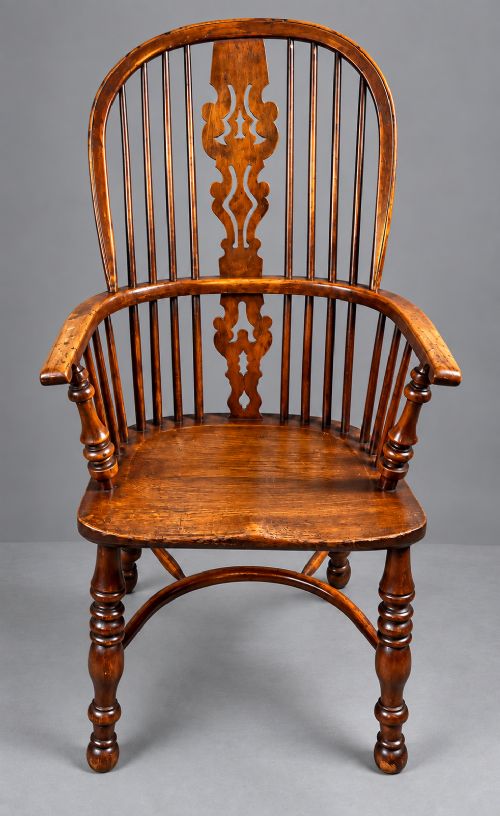
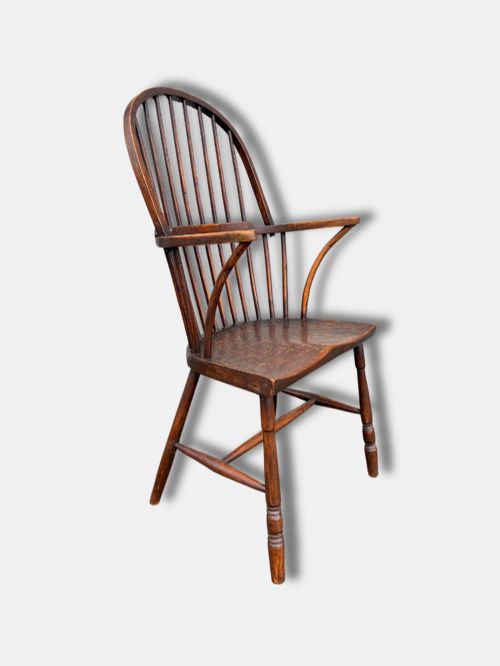
The most frequent examples encountered on this page are country Windsor and captain's chairs constructed with turned spindles and solid timber seats. Dining chairs, rocking chairs and armchairs frequently utilise combinations of elm, beech and ash reflecting regional British workshop traditions.
How they were made
Local timber such as elm, ash and beech provided the primary structural integrity, often paired with rush for seating or brass for desk fittings. Turners shaped spindles on lathes while chair bodgers carved thick elm seats to receive the steam-bent backs and legs.
Makers employed traditional joinery techniques, wedging legs directly into bored seats and securing back spindles with simple pins and joints. Finished surfaces developed deep patinas over decades of daily handling and domestic application.
Brown Wooden Spindle Chairs Retail Price Guide 2026
Typical asking prices for brown wooden spindle chairs among the pieces listed under this phrase on Sellingantiques today, from the lower quarter to the upper quarter. They describe what is for sale here now, not the wider market.
Listings feature eighteenth, nineteenth and early twentieth-century items, spanning Georgian vernacular, Victorian country and Arts and Crafts styles.
What varies in quality
Quality rests upon the selection of timber and the integrity of the original construction rather than elaborate decoration. Dense grain patterns in elm seats and well-balanced proportions in turned spindles distinguish superior vernacular work from routine utilitarian output.
The depth of the natural patina and the retention of original components, such as crinoline stretchers or turned arm supports, separate notable country pieces from later standard reproductions.
Gabbitass of Worksop·J Spencer·Codina
The Brown Wooden Spindle Chairs Glossary
- Spindle
- A slender, turned wooden rod used to form the backrest or arm support of a chair. These components are shaped on a lathe to provide structural support while maintaining a light visual profile.
- Windsor chair
- A wooden chair built with a solid sculpted seat into which the legs and back sticks are directly inserted. This form relies on the combination of bentwood bows and rigid turned uprights.
- Smoker's bow
- A low-backed Windsor armchair featuring a continuous curved arm rail supported by short spindles. It typically served as a comfortable smoking or desk chair in nineteenth-century interiors.
- Crinoline stretcher
- An arched hoop stretcher connecting the legs of a Windsor chair to provide lateral stability. It takes its name from the hoop-like cage skirts popular in the nineteenth century.
- Vernacular furniture
- Domestic objects made by local craftsmen following regional traditions rather than metropolitan academic designs. These pieces prioritise practical utility and local materials over high-style ornament.
- Patina
- The surface sheen and colour developed by wood over years of handling, polishing and exposure to light. A rich patina indicates age and continuous use.
Brown Wooden Spindle Chairs: Frequently Asked Questions
What defines brown wooden spindle chairs?
These seats are traditional wooden chairs featuring turned vertical spindles supporting the backrest or arms. They are constructed primarily from native British hardwoods like elm, ash and beech.
Originating mostly from eighteenth, nineteenth and early twentieth-century rural workshops, they include forms such as Windsor armchairs, kitchen dining sets and office desk chairs.
How were these chairs used historically?
They served practical functions throughout the home and workplace, acting as everyday dining seats, farmhouse kitchen chairs and sturdy desk seating. Low slipper chairs and rocking chairs provided comfortable seating in parlours and bedrooms.
Their robust construction made them suitable for heavy daily use by families and workers across generations.
How do I live with these chairs?
These pieces integrate easily into modern interiors around wooden dining tables, desks or as standalone accent seating. Their neutral timber tones complement both contemporary and traditional room schemes.
Maintenance involves simple dusting and occasional application of wax to nourish the historic wood surfaces without sealing the natural patina.
How do I tell the periods apart?
Earlier eighteenth-century examples often feature comb backs and deep-stiffened ash frameworks with simple saddle seats. Nineteenth-century Victorian pieces frequently incorporate beech and elm with more elaborate turned spindles and crinoline stretchers.
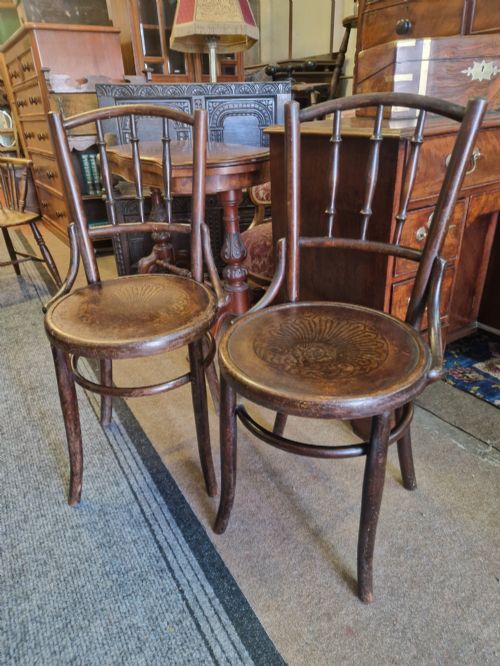
Turn of the twentieth-century pieces shift towards simpler bentwood forms or office swivel mechanisms in oak and mahogany.