



Brown Wooden Secretary Desk
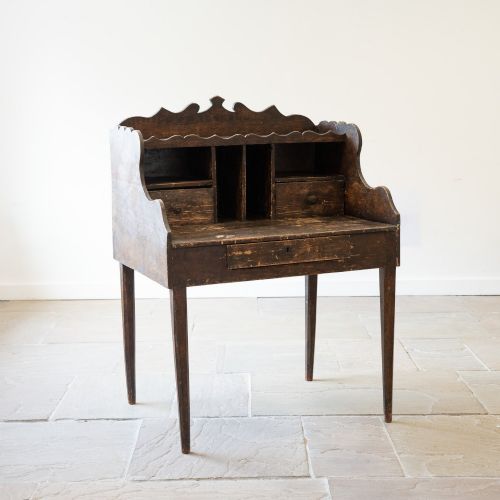
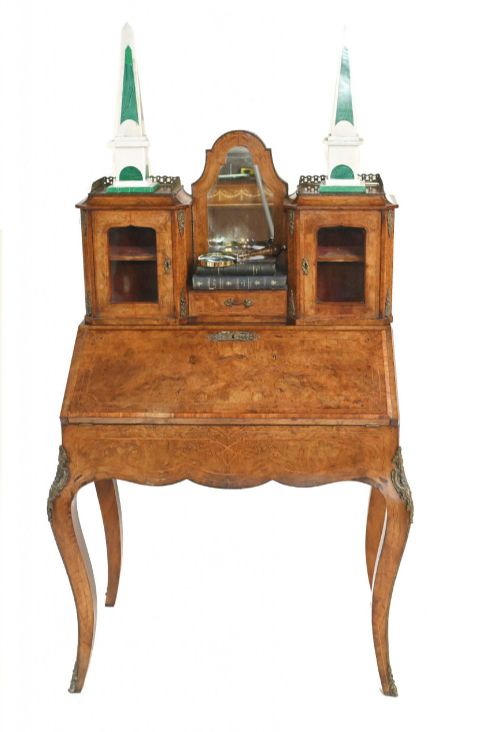
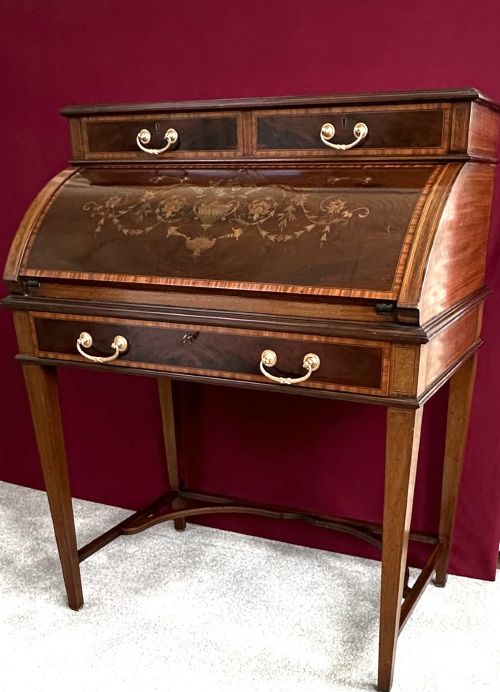
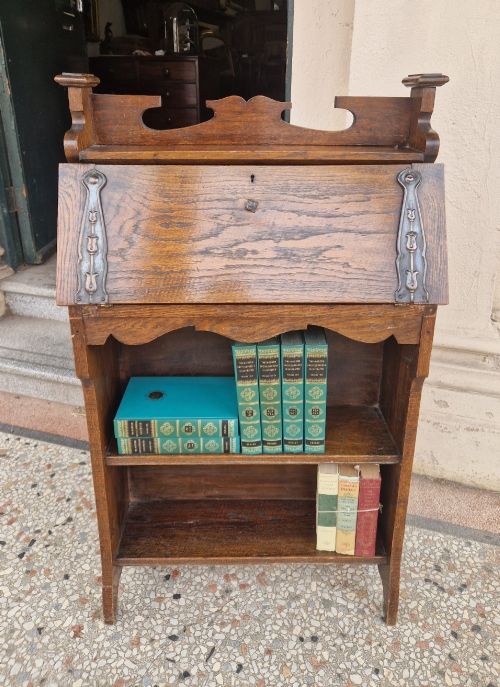
A brown wooden secretary desk provides a hidden writing slope and ample storage, grounding a study with period character and practical charm.
Brown Wooden Secretary Desk
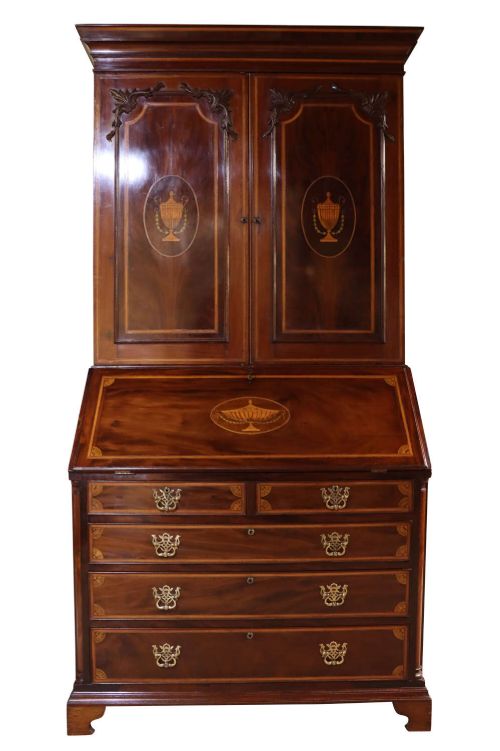
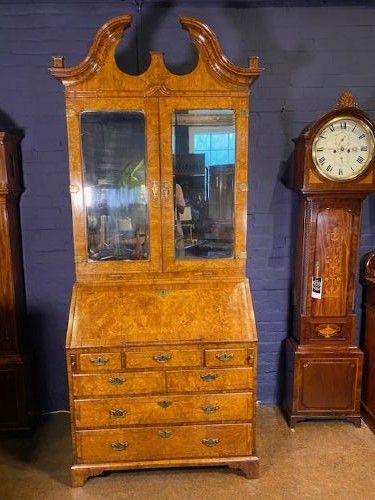
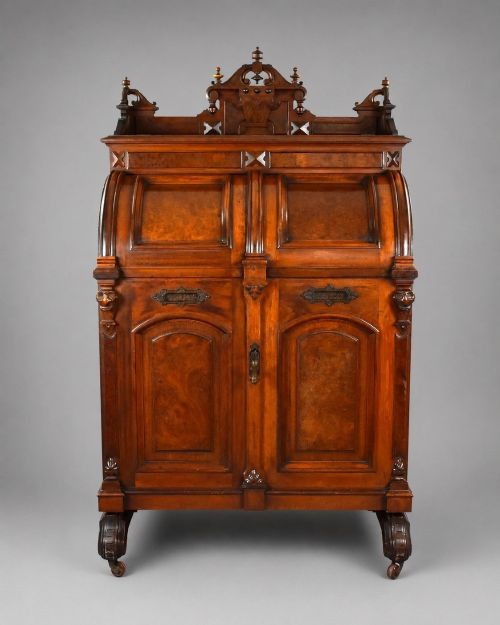
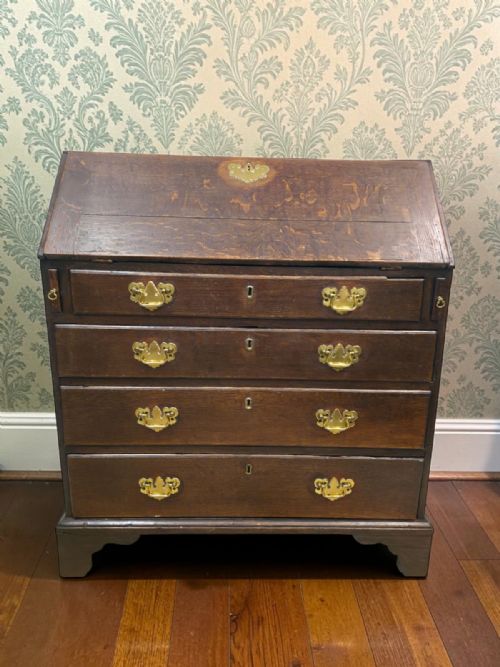
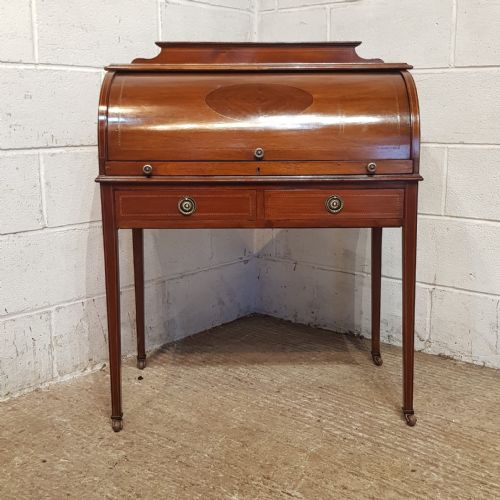
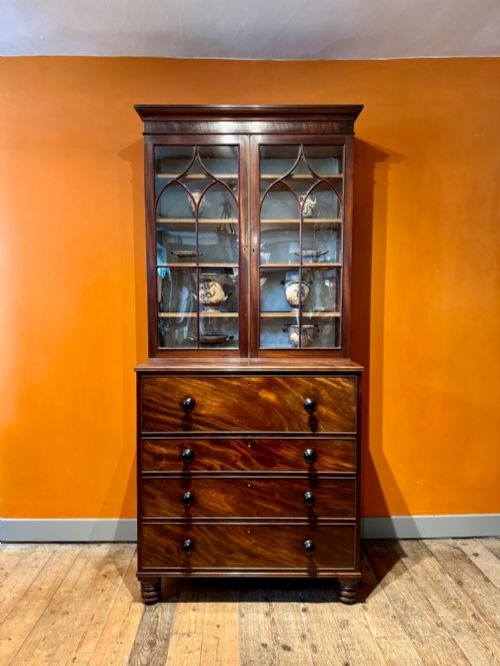
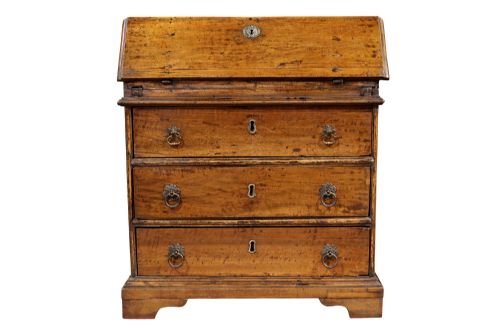
A brown wooden secretary desk encompasses traditional forms such as fall front bureaux, bureau bookcases, secretaire bookcases, and cylinder desks. These pieces merge a concealed writing surface with compartmented interiors and lower storage drawers or upper bookcase cabinets.
The selections span distinct historic eras, drawing heavily from Georgian, Regency, Victorian, and Edwardian periods. Buyers encounter simpler domestic writing boxes alongside grand architectural bookcases.
Timber selections shape the visual presence of each brown wooden secretary desk, ranging from rich figured mahogany and burr walnut to sturdy oak, elm, and maple.
Materials and construction methods
Cabinet makers utilised dense native and imported timbers, notably mahogany, oak, walnut, and elm, often pairing primary structural woods with decorative veneers like satinwood, flame mahogany, and burr walnut. These surfaces were frequently polished to highlight natural grain patterns.
Joinery incorporated traditional dovetailing for drawers and secure framing for fall fronts, cylinder lids, and bookcase sections. Metal fittings such as brass handles, escutcheons, and ironwork hardware completed the construction.
Brown Wooden Secretary Desk Retail Price Guide 2026
Typical asking prices for brown wooden secretary desk among the pieces listed under this phrase on Sellingantiques today, from the lower quarter to the upper quarter. They describe what is for sale here now, not the wider market.
Several items reveal hidden compartments designed to keep private correspondence safe from prying eyes.
Markers of distinction and craftsmanship
Superior examples of a brown wooden secretary desk display exceptional timber selection, such as matched flame mahogany veneers or intricate satinwood stringing, alongside well-figured burr walnut. The precision of internal pigeonholes, hidden compartments, and original hardware elevates the piece.
Proportion and structural integrity distinguish finer work from standard output, evident in balanced drawer scaling, tight joints, and cleanly executed carved details or inlaid motifs.
Wiggers
The Brown Wooden Secretary Desk Glossary
- Fall front
- A hinged writing flap that drops down to create a horizontal desk surface, concealing pigeonholes and small drawers inside.
- Secretaire
- A piece of furniture incorporating a writing drawer or drop-front desk compartment disguised as a standard drawer or panel.
- Bureau bookcase
- A dual-purpose piece featuring a lower writing bureau surmounted by an enclosed upper shelving cabinet with glazed or solid doors.
- Davenport
- A compact pedestal desk featuring a sloping writing surface and side drawers, popular during the Regency and Victorian eras.
- Escutcheon
- A protective plate surrounding a keyhole, frequently fashioned from brass to complement the surrounding timber.
Brown Wooden Secretary Desk: Frequently Asked Questions
What is a brown wooden secretary desk?
A brown wooden secretary desk is a traditional piece of furniture featuring a hinged or cylinder writing surface that conceals compartments, often combined with drawers or bookcases.
These versatile items served as private writing stations and practical storage units in historical homes.
How do I identify a Georgian bureau?
Georgian pieces typically display robust construction in mahogany or oak, featuring clean proportions, brass batwing handles, and bracket feet.
Internal fittings often include stepped pigeonholes and secret compartments behind sliding panels.
Where should I place a secretary desk?
These desks suit studies, living rooms, or home offices where their enclosed writing slopes can conceal paperwork when not in use.
Ensure adequate clearance around the piece for the fall front or sliding cylinder to open fully.
What woods were commonly used?
Cabinet makers predominantly used mahogany, oak, and walnut, frequently enhancing them with burr walnut, satinwood, or elm veneers.
Brass hardware and ironwork provided functional and decorative contrasts to the dark timber surfaces.