



Brown Wooden Salt
These brown wooden salt vessels and containers are enduring pieces of early treen and domestic utility that bring warmth and tactile history to any interior.
Brown Wooden Salt
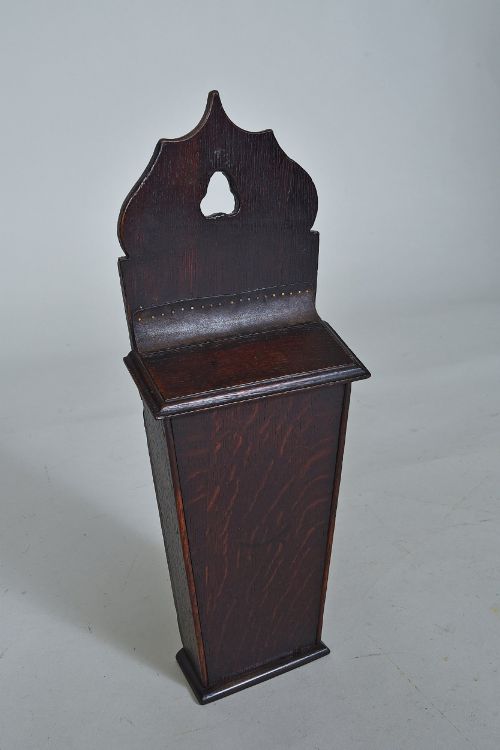
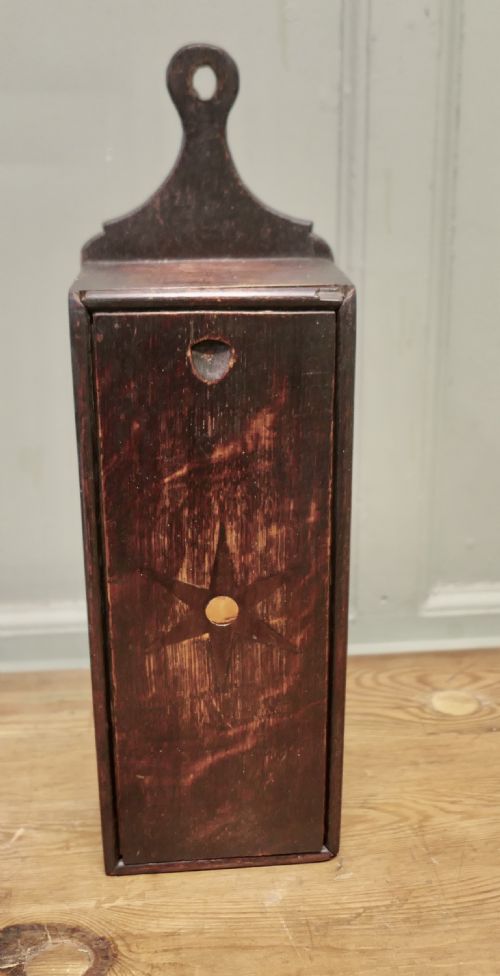
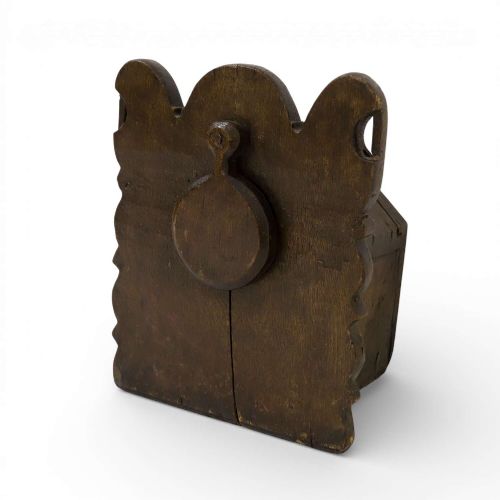
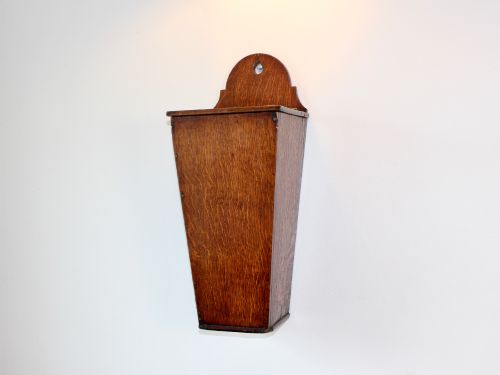
When you search for brown wooden salt pieces, you encounter a range of domestic treen spanning the seventeenth to the nineteenth centuries. The examples here include salt cellars, wall boxes, and salt boxes fashioned from timber.
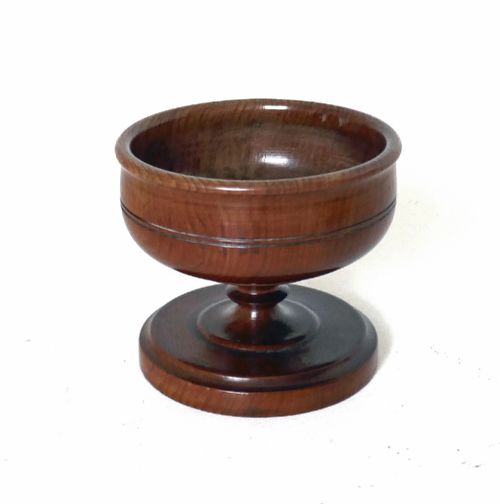
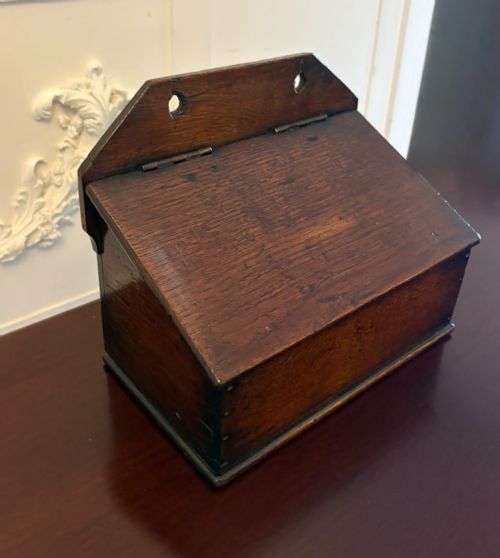
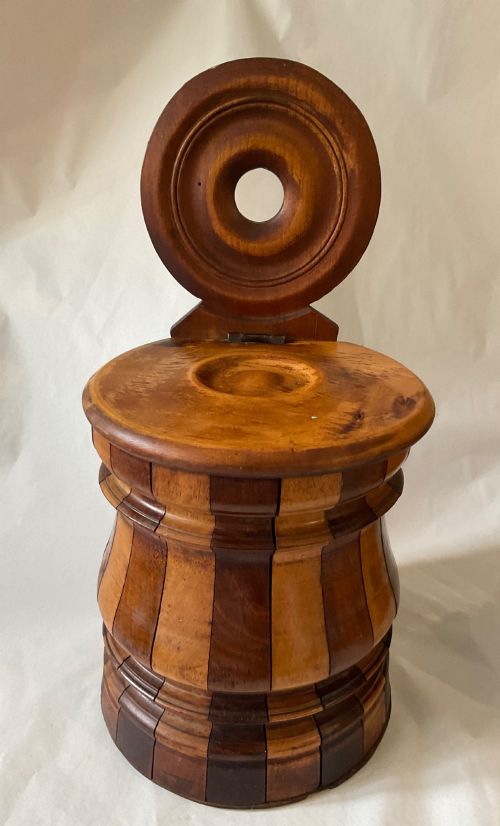
The most frequent forms you meet on this page are oak salt boxes designed for wall hanging, alongside turned yew wood vessels and pollard oak capstan salts. These objects originate from Georgian and Victorian domestic contexts, reflecting utilitarian needs of past households.
Alongside dedicated salt containers, the listings encompass related kitchenware and boxes in mixed timber, fruitwood, and iron. Such pieces demonstrate the diverse ways woodworkers utilised local materials for everyday storage.
Materials and Craftsmanship
The makers relied on native hardwoods such as oak, yew wood, fruitwood, and pollard oak, shaping them through turning or joining techniques. Structural elements often incorporated original iron hardware such as hinges and latches to ensure daily endurance.
Surfaces frequently show the marks of early hand tools, while some pieces retain traces of historic red paint beneath layers of wax. Turned items like the raised base salt cellars exhibit careful lathe work characteristic of traditional treen production.
Brown Wooden Salt Retail Price Guide 2026
Typical asking prices for brown wooden salt among the pieces listed under this phrase on Sellingantiques today, from the lower quarter to the upper quarter. They describe what is for sale here now, not the wider market.
The listings span from the seventeenth century through the Victorian era, showcasing oak, yew wood, fruitwood, and pollard oak.
Distinguishing Quality in Early Treen
Quality rests in the integrity of the timber, the preservation of original hardware, and the subtlety of the turning. Pieces displaying untouched surfaces and honest patination stand apart from those with excessive intervention.
The Brown Wooden Salt Glossary
- Treen
- Small handmade wooden objects for domestic use. This category covers everything from salt cellars to wall boxes.
- Capstan salt
- A spool-shaped salt cellar resembling a nautical capstan. These are typically turned from decorative timbers like pollard oak.
- Pollard oak
- Timber taken from trees that were pollarded, producing a highly figured grain. It appears in nineteenth-century decorative treen.
- Salt box
- A wall-hanging container designed to keep salt dry in domestic kitchens. They often feature hinged lids and sloping fronts.
- Fruitwood
- Dense timber derived from fruit-bearing trees, used for small treen items. It offers a smooth surface suitable for spoons and small vessels.
Brown Wooden Salt: Frequently Asked Questions
How do I date an antique wooden salt cellar?
Dating relies on observing tool marks, timber species, construction methods, and hardware. Earlier pieces from the seventeenth and eighteenth centuries often display hand-sawn boards and blacksmith-made iron hinges.
Turned examples from the nineteenth century show different lathe techniques and frequently utilise decorative woods like pollard oak.
How should I care for antique treen?
Antique treen requires stable environmental conditions away from direct heat sources and strong sunlight, which can dry out the timber. Applying a microcrystalline wax occasionally helps protect the surface and preserve the patina.
Avoid using water or chemical cleaners, dusting instead with a soft, dry cloth to maintain the historic finish.
What is the difference between treen and furniture?
Treen encompasses small, functional wooden items made for household utility rather than large seating or storage furniture. This includes salt boxes, candle boxes, spoons, and small turned vessels.
These pieces were produced by turners and box makers using leftover timber scraps from larger woodworking projects.