
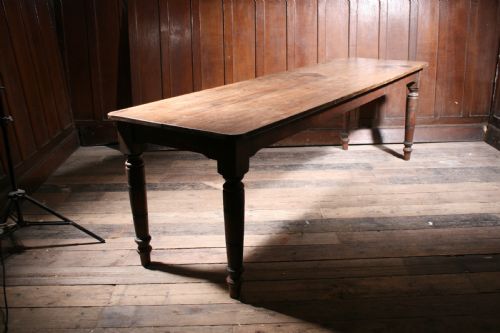
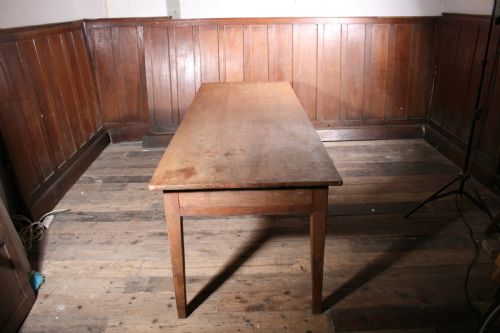
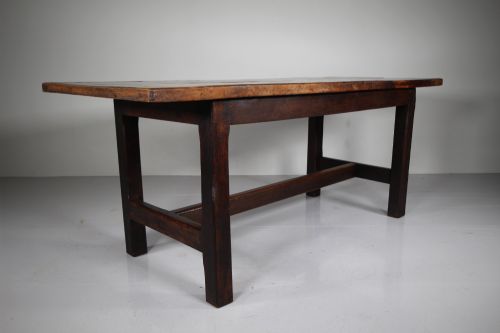
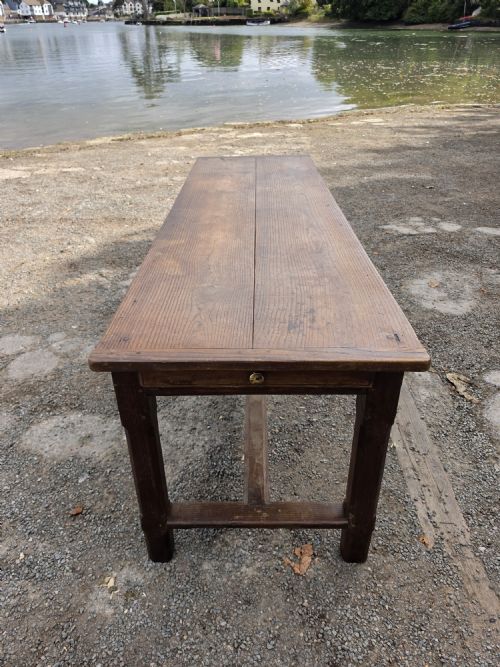
Brown Wooden Refectory Table
A brown wooden refectory table brings long-lasting utility and rustic character to a dining space, drawing on centuries of sturdy domestic tradition.
Brown Wooden Refectory Table
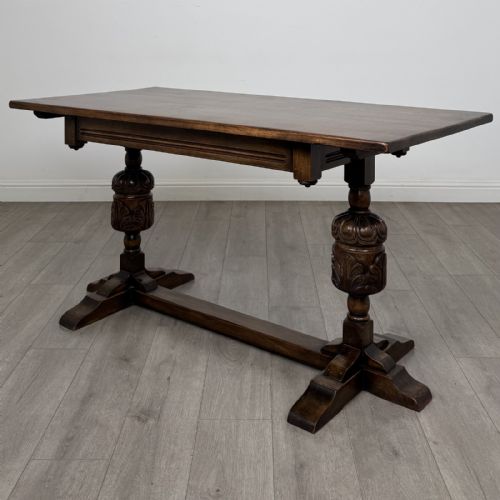
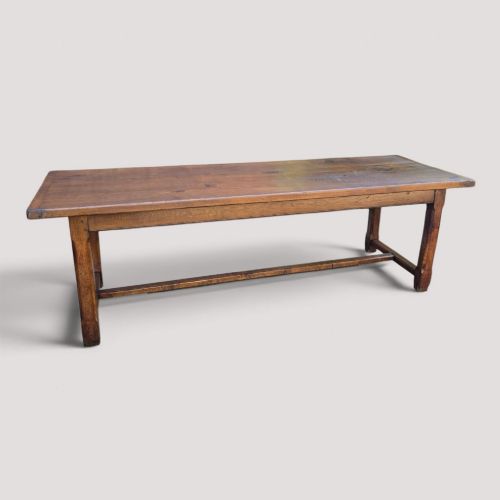
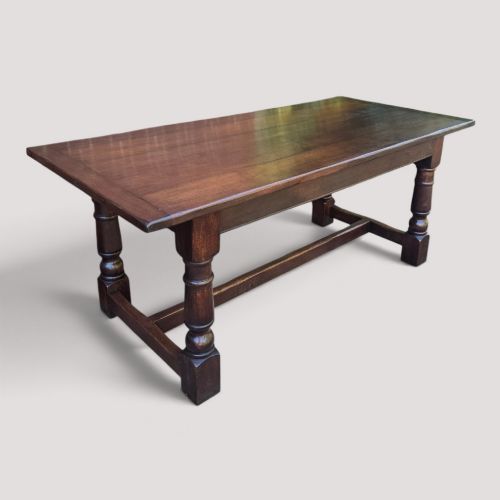
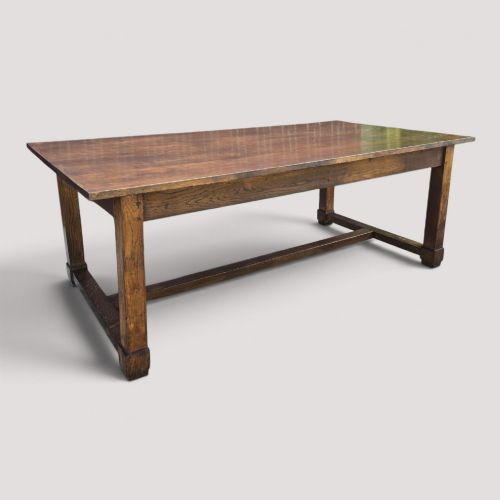
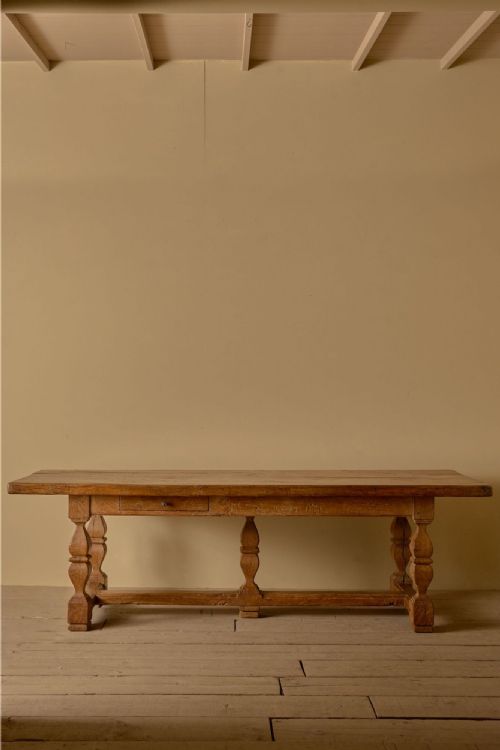
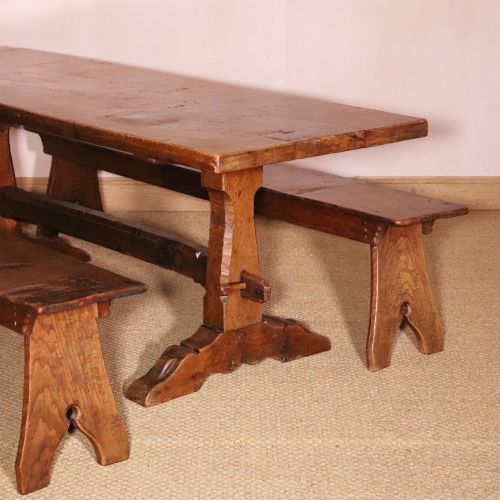
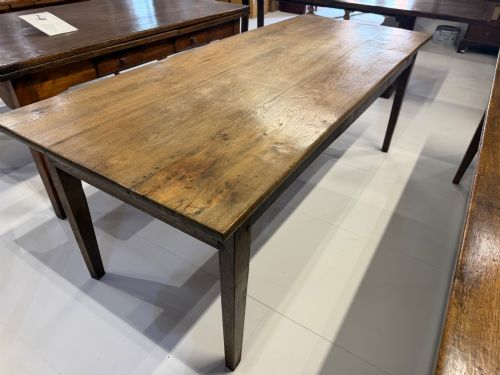
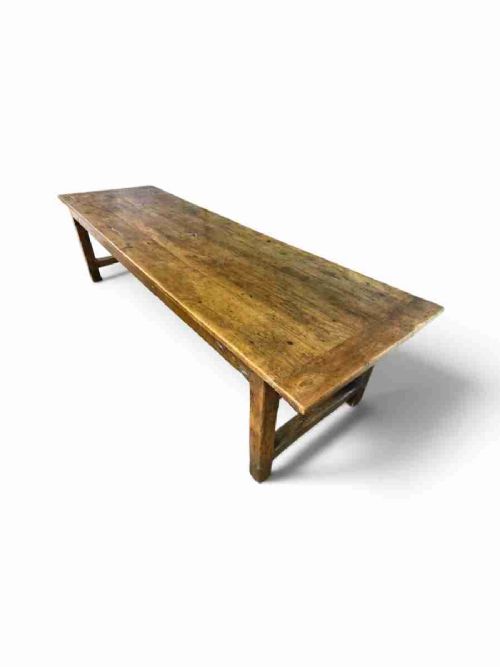
When searching for a brown wooden refectory table, buyers encounter long dining pieces originating from periods spanning the seventeenth century through to the twentieth century. These objects typically manifest as dining tables, serving tables, or kitchen tables built to accommodate communal meals and daily domestic life. Forms on this page range from simple rustic farmhouse designs to revival styles such as Jacobean and Arts and Crafts.
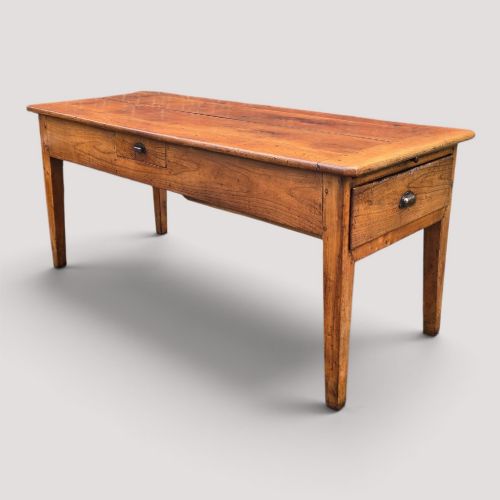
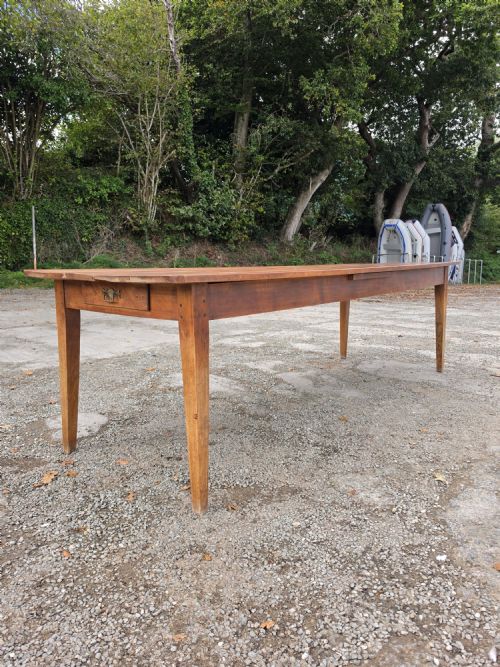
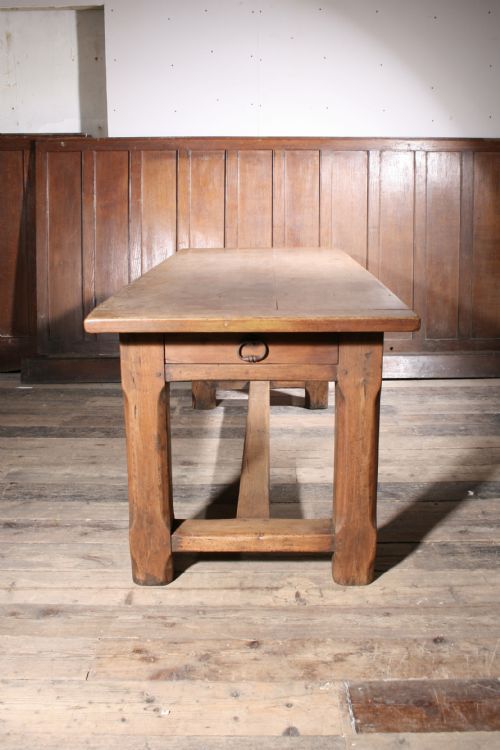
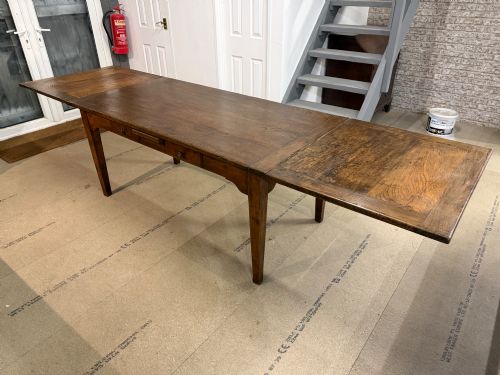
The most common versions met here are solid oak and fruitwood examples from the nineteenth century, alongside earlier eighteenth-century English and French pieces. Buyers will also find specialised variants like draw leaf extending tables and tavern tables fitted with drawers. Each piece carries the distinct regional characteristics of its maker, whether English vernacular or French provincial.
The selection reflects both formal refectory formats and more relaxed farmhouse iterations. Such tables serve as the anchor of a room, prized for their generous proportions and durable timber construction. The variety covers everything from early seventeenth-century oak tables to early twentieth-century interpretations.
Materials and construction methods
Carpenters built these tables predominantly using domestic hardwoods such as oak, fruitwood, cherrywood, walnut, elm, and beech. Solid timber boards formed the thick tops, supported by substantial underframing and sturdy legs sometimes reinforced with iron elements.
Traditional joinery techniques governed the assembly, allowing the large wooden surfaces to expand and contract with environmental changes. Draw leaf mechanisms and extending leaves were engineered with precision to provide extra dining space without compromising structural integrity.
Surface finishing relied on natural waxes and oils applied to the bare wood, enhancing the natural grain of the oak or cherrywood over decades of use. Carved details occasionally adorned the aprons and legs, particularly in revival styles.
Listings feature woods including solid oak, fruitwood, cherrywood, walnut, elm, and beech across periods from the seventeenth century to the 1940s.
Assessing quality in construction and timber
Quality rests upon the selection of timber and the integrity of the original construction. Tables made from dense, well-seasoned solid oak or richly figured fruitwood with thick, stable tops represent the higher tier of craftsmanship.
The sophistication of the joinery and the survival of original mechanisms, such as working draw leaves or unaltered bases, distinguish superior examples. Heavy framing that remains rigid without excessive modern timber replacement holds greater integrity.
Proportion and balance also define the upper range. Pieces that combine deep, generous proportions with refined hand-carved detailing or elegant tapered legs demonstrate a superior level of design.
The Brown Wooden Refectory Table Glossary
- Refectory table
- A long, narrow dining table traditionally used in monasteries and large halls for communal dining. They typically feature heavy wooden legs connected by a central stretcher.
- Draw leaf table
- An extending table equipped with two hidden leaves sliding out from beneath the main top. This design allows the surface area to double with minimal effort.
- Fruitwood
- A collective term for timber harvested from fruit-bearing trees such as cherry, pear, or apple. It yields a warm tone and fine grain highly prized in French provincial furniture.
- Tavern table
- A robust, smaller-scale wooden table historically utilised in public houses or domestic kitchens. They frequently incorporate single or multiple drawers beneath the top.
- Stretcher
- A horizontal wooden bar running between the legs of a table to provide structural stability. On these pieces, they often sit close to the floor to act as a footrest.
Brown Wooden Refectory Table: Frequently Asked Questions
How do I clean a wooden refectory table?
Maintain the surface by dusting regularly with a soft, dry cloth to prevent grit accumulation.
Nourish the timber periodically with appropriate beeswax to preserve the finish without creating a sticky residue.
Are these tables suitable for daily family use?
These tables were originally constructed for heavy domestic or communal dining, making them exceptionally robust for modern daily life.
Their solid timber surfaces handle regular activity well, provided coasters and mats are used to protect against moisture and heat.
How can I tell an eighteenth-century table from a later revival piece?
Examine the underside and joints for tool marks, peg construction, and timber shrinkage patterns consistent with age.
Later revival pieces often display more uniform machining and modern fixings compared to the hand-cut joinery of earlier centuries.
What is the difference between a refectory table and a farmhouse table?
Refectory tables traditionally emphasise a long, narrow format with connecting stretchers designed for formal communal dining.
Farmhouse tables often display slightly wider proportions and simpler domestic vernacular styling intended for everyday kitchen use.