
18th Century Wooden Table
An 18th century wooden table brings warmth and enduring craftsmanship to a room, offering practical everyday surfaces built from centuries past.
18th Century Wooden Table
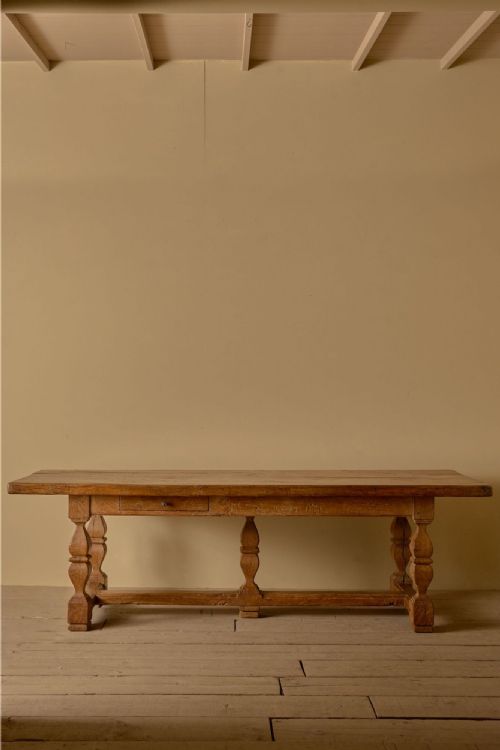
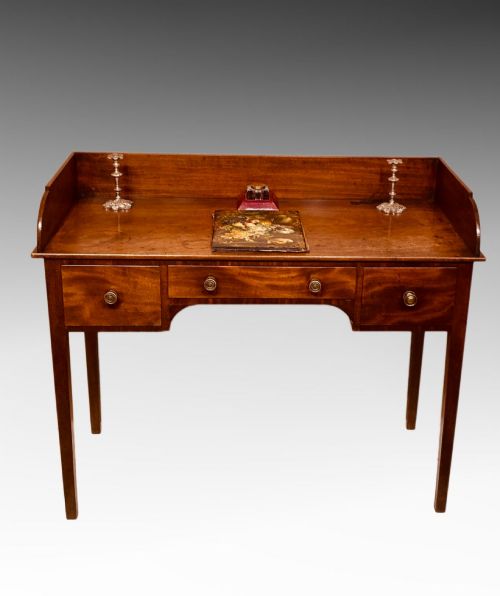
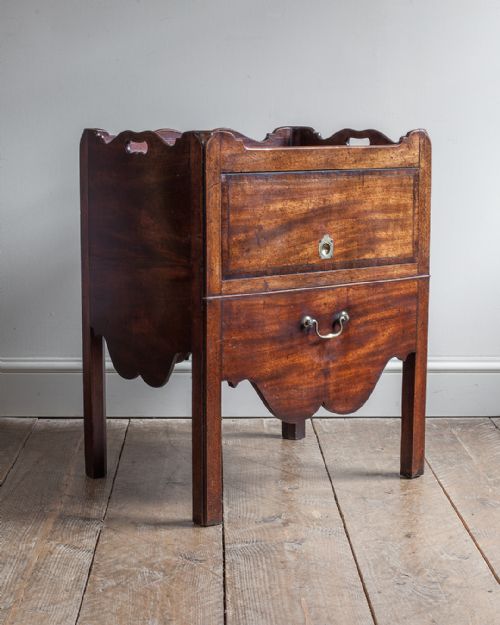
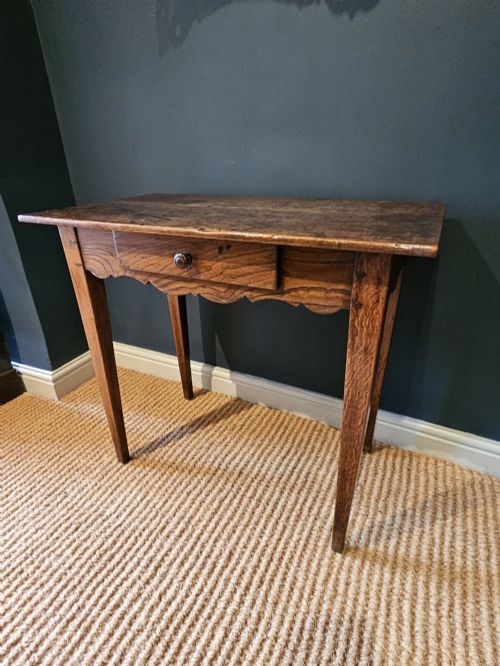
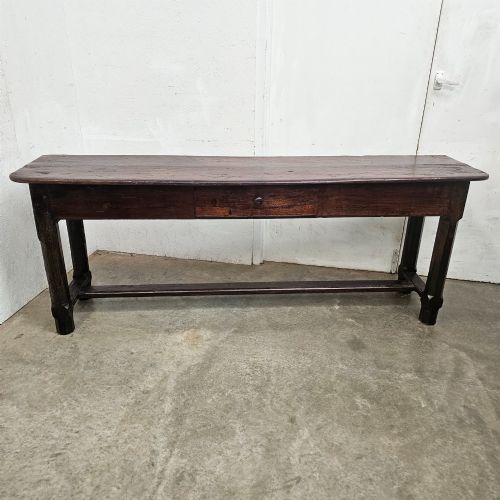
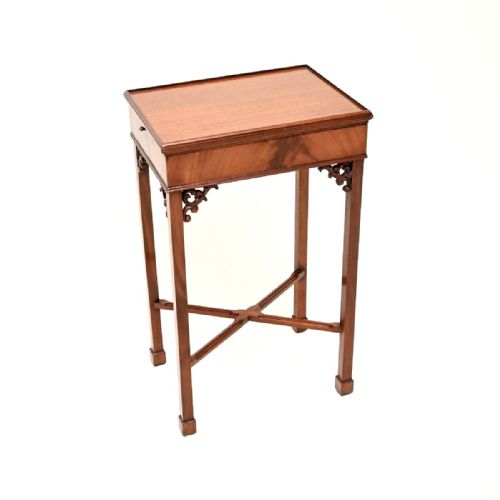
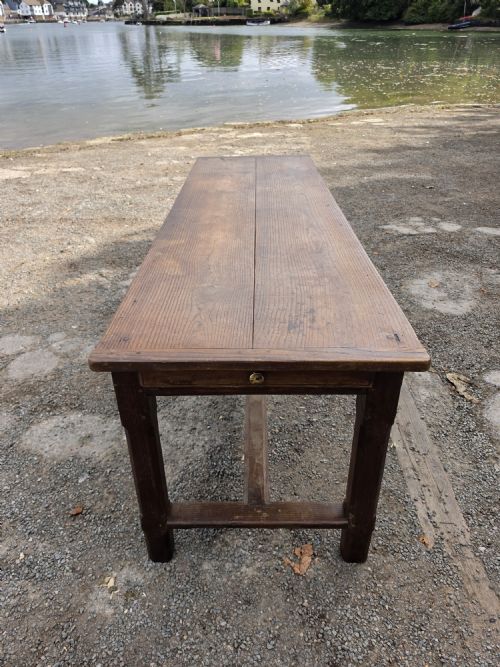
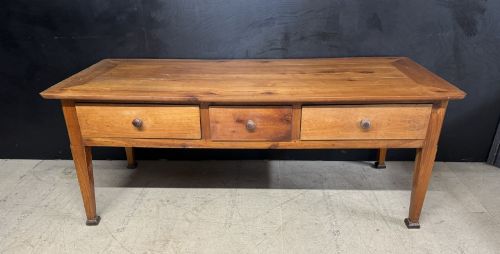
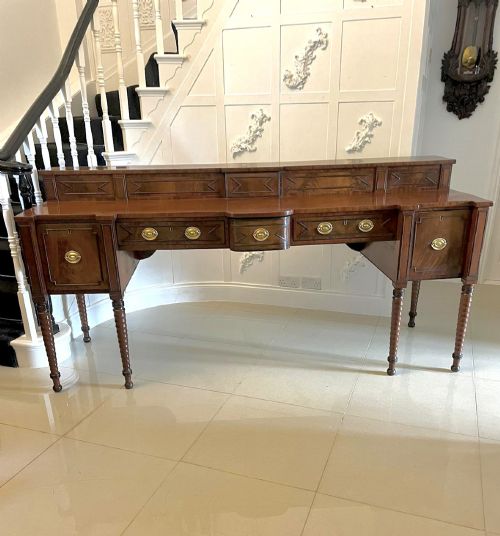
An 18th century wooden table encompasses a variety of domestic forms designed for dining, writing, serving, and display, shaped predominantly during the Georgian era. Buyers exploring this category encounter diverse regional interpretations, ranging from formal urban mahogany pieces to robust country vernacular designs in oak, elm, and fruitwood.
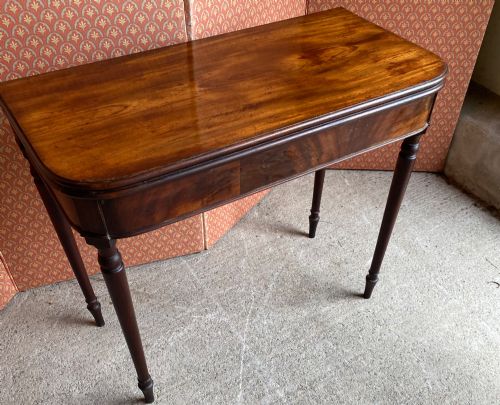
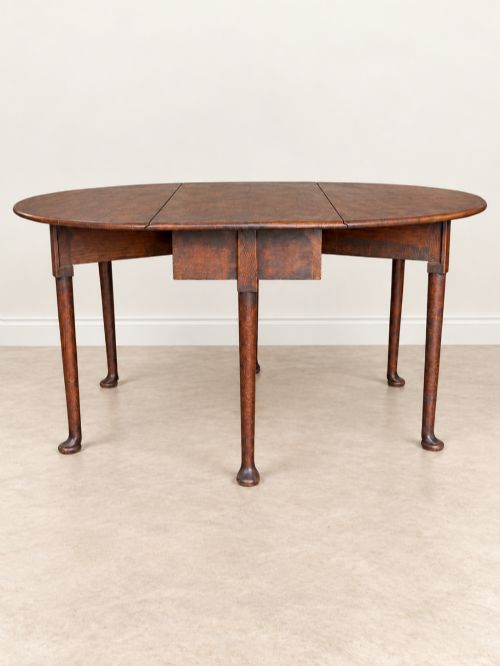
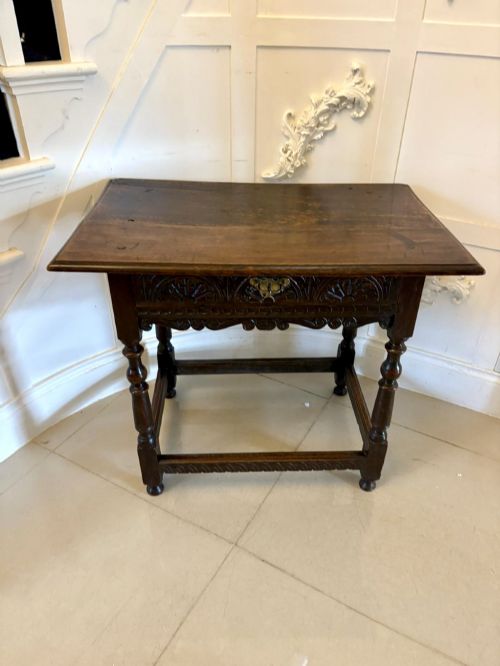
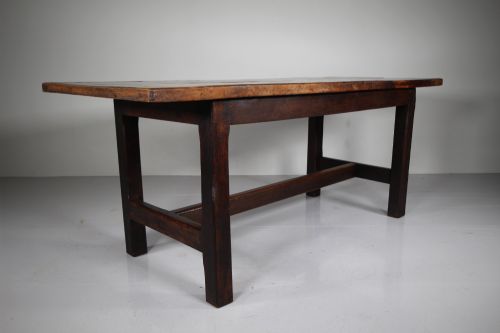
The selections on this page lean heavily towards side tables, occasional tables, and drop-leaf formats, alongside larger farmhouse and gateleg dining tables. These pieces reflect the domestic habits of their period, utilising compact proportions, folding leaves, and pivoting actions to adapt to changing room layouts.
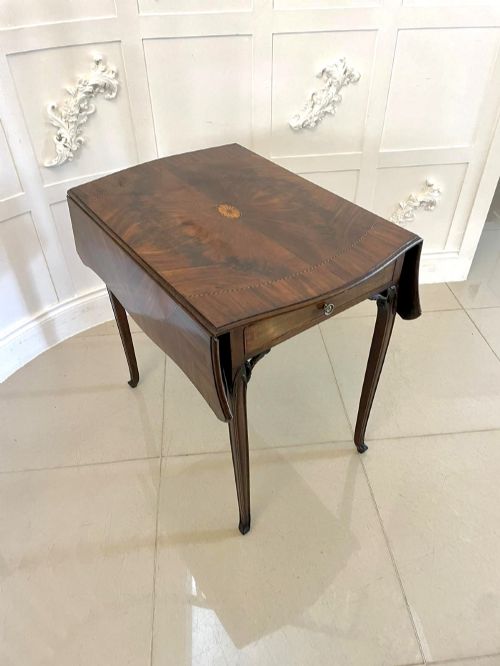
Origins span English, French, and Italian workshops, displaying regional stylistic shifts from the heavy turned legs of early periods to the refined stringing and cross-banding of later Sheraton and George III aesthetics.
Materials and construction
Makers relied on native timbers such as oak, elm, and walnut for structural integrity, later incorporating imported mahogany and exotic veneers like harewood, satinwood, and boxwood for decorative impact. Grain direction and timber selection determined both the durability of a top and its visual appeal under candle or natural light.
Joinery methods prioritized traditional pegging, dovetailing, and mortise-and-tenon construction, allowing timber to expand and contract naturally through seasonal humidity changes. Surfaces were finished with hand-rubbed oils, waxes, or shellac, building depth and patina over decades of daily use.
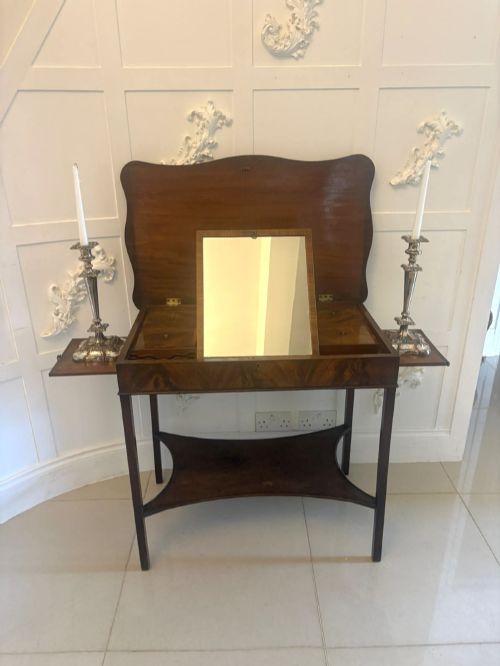
Specialised mechanisms, such as concertina actions on card tables, gateleg supports, and tilt-top ratchets, required precise woodworking to function smoothly without compromising the stability of the frame.
Listings feature periods spanning from the 17th century transition styles through the Georgian era and into later 19th-century interpretations.
Quality variations
The distinction between ordinary and exceptional pieces rests on the choice of timber and the harmony of proportions. Superior examples utilise deeply figured veneers, dense primary woods, and uniform secondary timbers for drawer linings and internal framing.
Refinement of carving and inlay separates standard workshop production from high-style output. Crisp mouldings, balanced stringing, and well-executed turning demonstrate the hand of a skilled artisan rather than routine manufacture.
Surface preservation dictates overall character, with untouched patinas, original brass hardware, and minimal structural timber replacement commanding greater appreciation among collectors.
William Gard·Giles Grendey
The 18th Century Wooden Table Glossary
- Gateleg table
- A dining or side table featuring hinged drop leaves supported by swing-out legs that pivot from a central gate framework. This design allows the surface area to expand or contract efficiently.
- Lowboy
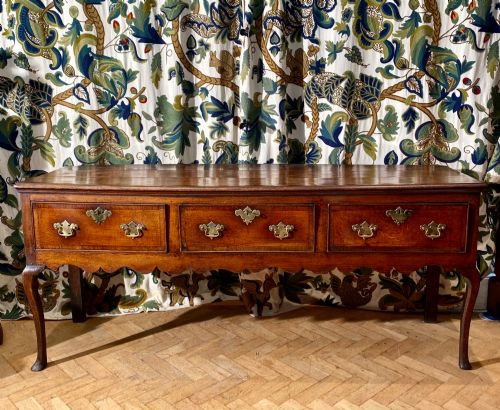
- A small low dressing table or side table typically equipped with one or more drawers set beneath the frieze. These pieces frequently feature cabriole legs and were popular throughout the Georgian period.
- Pembroke table
- A small rectangular side table with hinged flaps on either side supported by hinged brackets or swinging legs. It was commonly used for breakfast, writing, or needlework.
- Tilt-top table
- A table featuring a mechanism that allows the top to pivot into a vertical position when not in use, saving floor space. They are frequently mounted on a central pillar with tripod legs.
- Concertina action
- An expandable framework utilised on folding tables, particularly card tables, which stretches outward as the rear legs move to support an unfolded top. This sophisticated mechanism maintains symmetrical lines whether closed or open.
18th Century Wooden Table: Frequently Asked Questions
How do I use an 18th century wooden table today?
These tables adapt easily to modern interiors as lamp tables, sideboards, or compact desks. Their historic character adds textural contrast to contemporary furniture.
Protect surfaces from excessive moisture and direct heat by using coasters and placemats. Regular waxing maintains the timber finish without building up heavy residues.
What is the difference between oak and mahogany pieces?
Oak pieces generally date from earlier periods or regional country workshops, displaying strong grain patterns and robust construction. Mahogany became fashionable later in the century, allowing for sharper carved details and darker, smoother finishes.
Choosing between them depends on whether you prefer the rustic warmth of English country vernacular or the polished formality of the Georgian city style.
Can I use a drop leaf table for daily dining?
Drop leaf and gateleg tables were originally built for flexible living spaces and function effectively for regular meals. The hinged leaves provide ample surface area when raised and fold down to save floor space.
Check the stability of the swing legs and pivot joints before placing heavy items on the extended leaves.
How do I identify a George III piece?
George III furniture typically displays classical proportions influenced by Palladianism, later shifting towards lighter neoclassical lines associated with designers like Sheraton. Look for balanced drawer arrangements, subtle inlay work, and tapered or fluted legs.
Construction details inside drawers and beneath table tops help confirm the period of manufacture.