



Brown Wooden Panel Painting
These brown wooden panel painting examples offer sturdy surfaces carrying oil, paint, and gouache across periods from the eighteenth century onward.
Brown Wooden Panel Painting
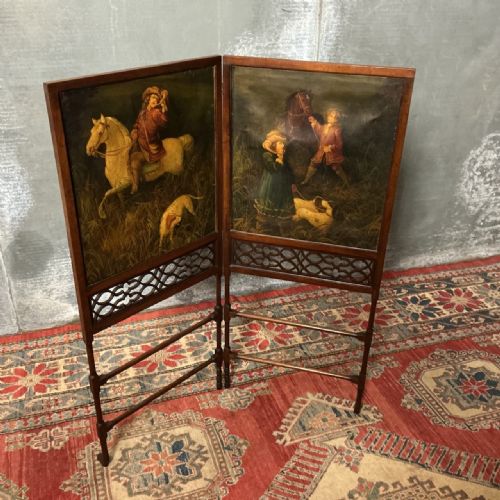
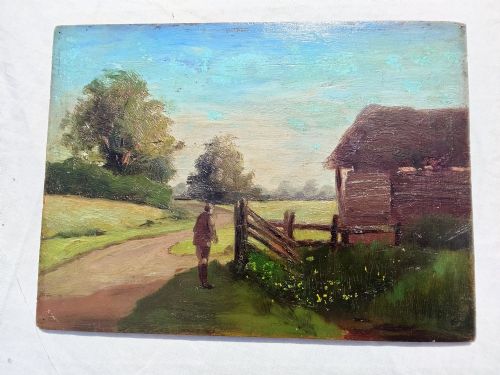
A brown wooden panel painting brings together rigid supports of mahogany, pine, walnut, and plain wood with direct pigment application. When you search for brown wooden panel painting, you encounter works executed on prepared boards rather than stretched canvas, often housed within folding screens, integrated furniture, or framed independently.
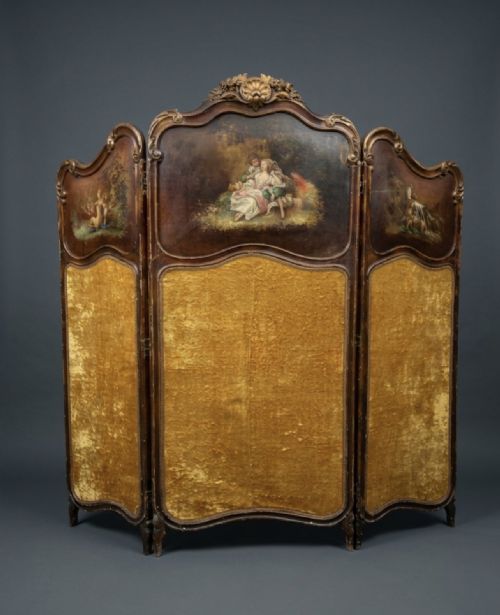
The selections span English school landscapes, French rococo revival screens, and naive topographical views. Common forms include single oil paintings on wooden boards, painted screens with multiple leaves, and decorative panels incorporated into furniture such as settles and cupboards.
Originating across varied European and international schools, these pieces demonstrate the practical use of sturdy timber supports by artists working in the eighteenth, nineteenth, and early twentieth centuries. The wood itself provides a warm, dense ground that alters the character of the pigment applied above.
How They Were Made
Makers prepared solid timber grounds using pine, mahogany, walnut, or simple wood boards, sometimes adding brass hardware or structural framing to maintain stability. Artists then applied oil paint or gouache directly to the wooden surface, often sealing the grain first to receive fine brushwork or decorative pastoral scenes.
Construction techniques combine carpentry with fine art preparation, as seen in folding screens joined by hinges or panels fitted securely into furniture frames like housekeepers cupboards and settles. The interaction between the natural timber support and the painted finish results in durable domestic objects designed for daily use.
Historic artists occasionally repurposed old cupboard doors or furniture scraps when a spare canvas was missing.
What Varies in Quality
The standard of execution in the painted surface sets the primary distinction between works, ranging from naive regional folk art to accomplished academic portraiture and landscape studies. Finer examples display confident brush control, expressive handling of light and shadow, and sophisticated composition across the wooden ground.
The integrity of the wooden support and its original finish also govern quality, with superior pieces retaining their authentic mounting, untouched painted surfaces, and minimal structural alteration. Furniture elements such as screens, settles, or boxes maintain greater interest when the integration between timber panel and decorative paint remains undisturbed by later restoration.
The Brown Wooden Panel Painting Glossary
- Panel painting
- A painting executed on a solid, flat support of wood rather than stretched canvas or paper. This technique provides a rigid ground that influenced artists from the medieval period through the nineteenth century.
- Oil on board
- A composition where oil paint is applied directly to a prepared wooden board or panel. The solid backing creates distinct resistance under the brush compared to woven textiles.
- Pine panel
- A light softwood support utilised frequently for vernacular furniture, folk art, and regional paintings. It offers a pale, absorbent ground for original paint applications.
- Mahogany
- A dense, dark hardwood valued for cabinetmaking and select panel supports due to its dimensional stability. It imparts a rich undertone beneath translucent paint layers.
- Gouache
- An opaque water-based medium containing pigment and a binding agent, producing a matte finish. It appears on paper or panel supports in specific decorative schools.
Brown Wooden Panel Painting: Frequently Asked Questions
What is a wooden panel painting?
A wooden panel painting is an artwork created directly on a rigid piece of timber, such as mahogany, walnut, pine, or plain wood board. Artists preferred these solid grounds for their durability and smooth texture.
Unlike canvas, wood does not flex, which helped preserve the paint layer over centuries of domestic display within homes and institutional settings.
How do I care for wooden panel paintings?
Care for these works involves maintaining stable indoor humidity and temperature to prevent the wood from expanding or contracting excessively. Avoid placing them in direct sunlight or near heat sources.
Dust the surface gently with a soft, dry cloth and avoid liquid cleaners that might harm the historic paint or vulnerable wooden grain.
Are these paintings part of furniture?
Many examples on this page are integrated into functional items such as folding screens, settles, cupboards, and decorative boxes. These pieces served practical domestic purposes while displaying artistic decoration.
Makers frequently decorated household timber surfaces with landscapes, floral motifs, or genre scenes to enhance everyday interior spaces.
How can I tell the period?
Dating relies on stylistic clues within the painting, the choice of wood species, carpentry methods, and associated hardware like hinges or mounts. Georgian and Regency pieces show different joinery and aesthetic preferences compared to later Victorian or Edwardian works.
Examining the ageing of the pigment and the underlying timber grain helps specialists place the object within its proper historical decade.