



Brown Wooden Night Tables
Brown wooden night tables are sturdy bedside companions built in mahogany, walnut, and fruitwood to keep nighttime essentials close.
Brown Wooden Night Tables
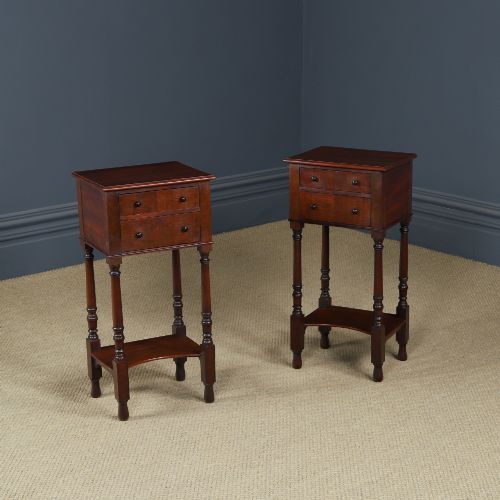
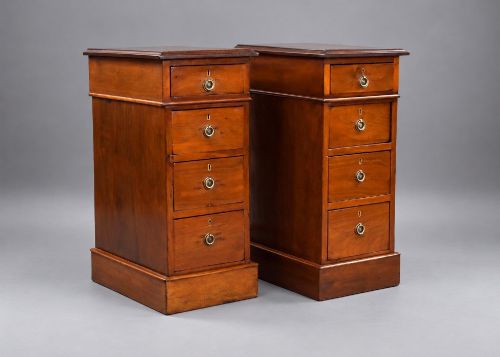
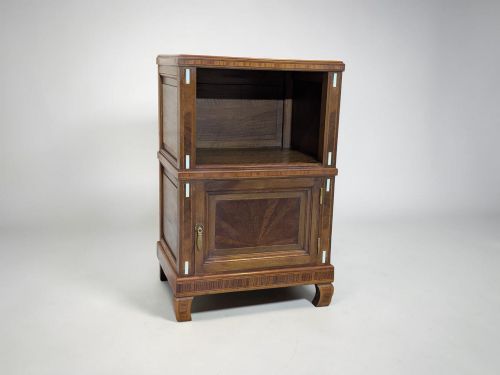
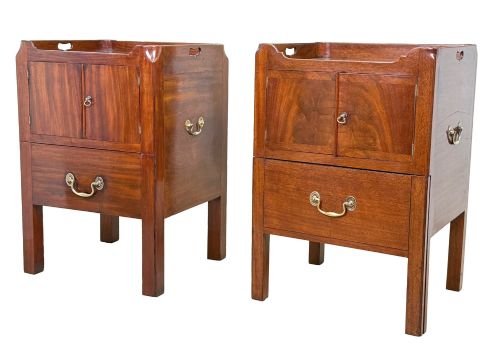
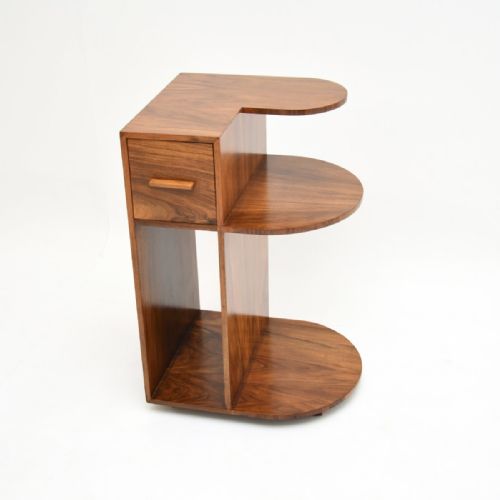
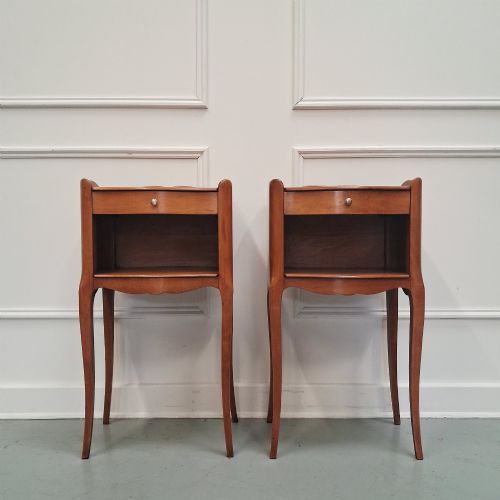
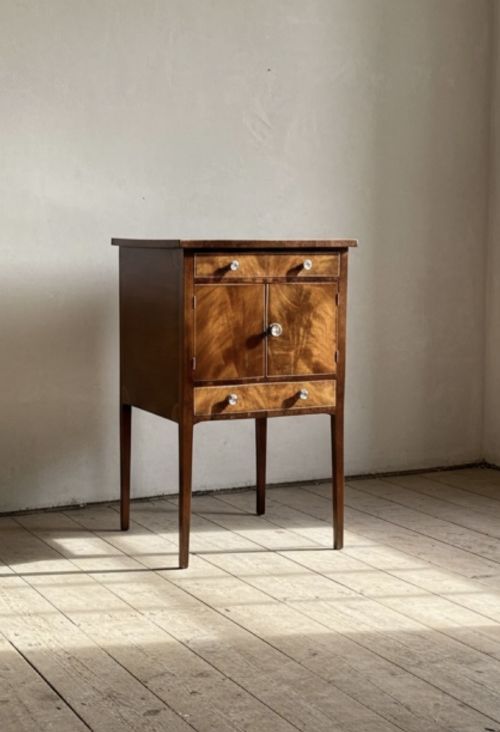
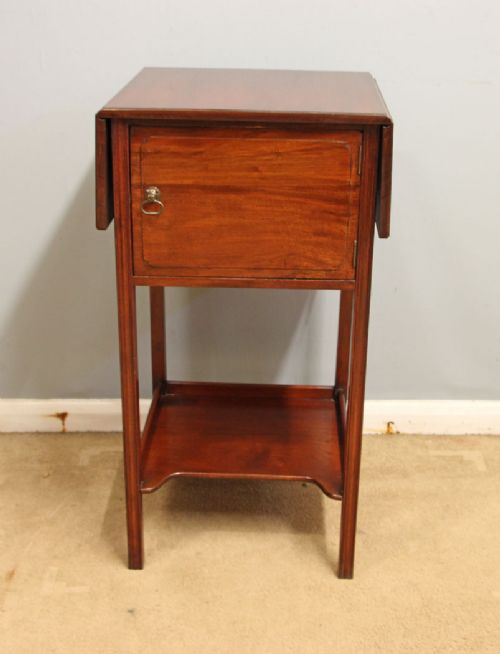
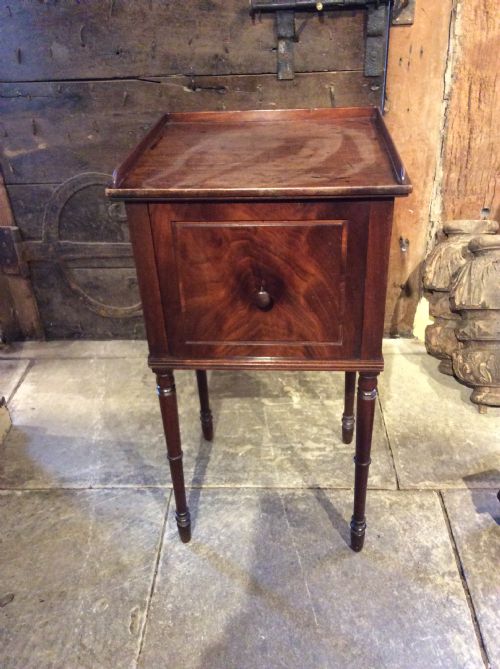
Brown wooden night tables comprise bedside tables, bedside cabinets, side tables, and side cabinets designed for domestic bedrooms. These pieces appear across multiple eras, ranging from eighteenth-century Georgian designs to Edwardian and Art Deco creations.
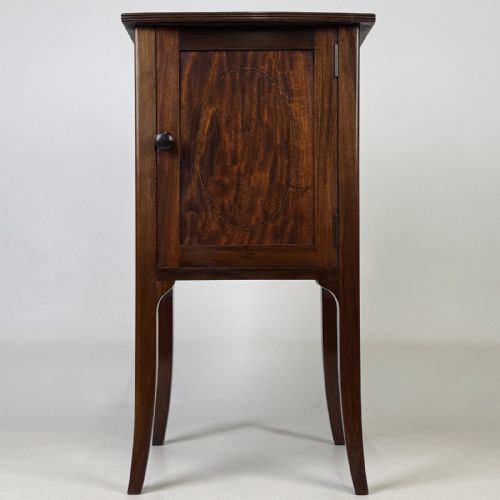
Mahogany forms the principal wood seen across these listings, accompanied by walnut, fruitwood, and satinwood. Cabinet makers utilised flame mahogany veneer, bone inlay, and brass details to decorate the surfaces.
Buyers most frequently encounter mahogany bedside cabinets and night tables originating from the Georgian and Victorian periods. Pairs and matching sets frequently emerge alongside single examples.
How they were made
Cabinet makers constructed these brown wooden night tables using solid timber frames alongside decorative veneers such as flame mahogany and walnut. Workshops incorporated satinwood stringing, bone inlay, and brass fittings to accent the primary woods.
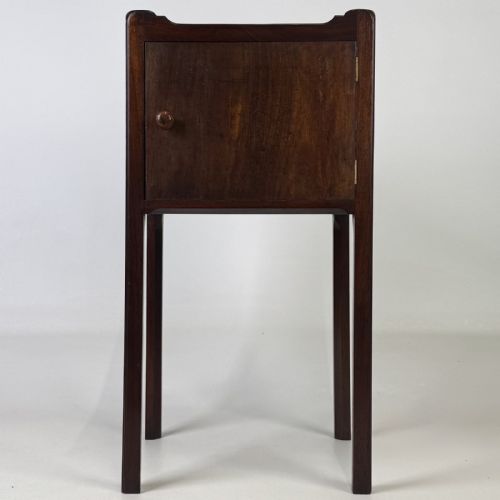
Construction techniques evolved from eighteenth-century Georgian joinery to twentieth-century Art Deco methods. Artisans shaped tray tops, cupboards, and commode compartments to serve specific bedside storage functions.
Brown Wooden Night Tables Retail Price Guide 2026
Typical asking prices for brown wooden night tables among the pieces listed under this phrase on Sellingantiques today, from the lower quarter to the upper quarter. They describe what is for sale here now, not the wider market.
Art Deco pieces introduce figured walnut and burr elm alongside geometric forms from nineteen-thirty.
What varies in quality
The choice of timber creates a distinct difference across the selection, with figured walnut and flame mahogany veneers sitting above standard plain hardwoods. The precision of inlaid satinwood and the integration of brass hardware further elevate individual pieces.
The Brown Wooden Night Tables Glossary
- Georgian
- A style and period spanning the eighteenth and early nineteenth centuries. Pieces from this era typically feature classical proportions and solid mahogany construction.
- Commode
- A low enclosed cabinet or chest with doors or drawers. These items often doubled as bedside cupboards in traditional bedrooms.
- Tray-top
- A raised rim edging the top surface of a table or cabinet. This design prevented items from rolling off the surface.
- Veneer
- A thin layer of decorative wood applied to a secondary timber base. Flame mahogany and walnut veneers created highly figured patterns on furniture surfaces.
Brown Wooden Night Tables: Frequently Asked Questions
What periods do these tables come from?
The pieces span from the eighteenth century through the Victorian era up to the nineteen-thirties. Georgian, Victorian, and Art Deco designs represent the main periods available.
Earlier examples often feature mahogany solids, while twentieth-century pieces introduce burr elm and distinct veneer work.
Are pairs easy to find?
Matching pairs appear regularly alongside single tables and cabinets. Georgian style and Art Deco pieces frequently survive as matched sets.
Single bedside tables remain common for mix-and-match bedroom schemes.
What materials were used?
Mahogany serves as the dominant wood, supported by walnut, satinwood, and fruitwood. Details include brass fittings and bone inlay.
Some cabinets incorporate marble tops, particularly in French provincial designs from the early twentieth century.
How were bedside cabinets used?
These pieces functioned as enclosed storage beside the bed for chamber pots, books, and personal items. Cupboards and commode drawers kept utilitarian objects hidden from view.
Open bedside tables and side tables provided surface space for lamps and nighttime necessities.