


Brown Wooden Library Table
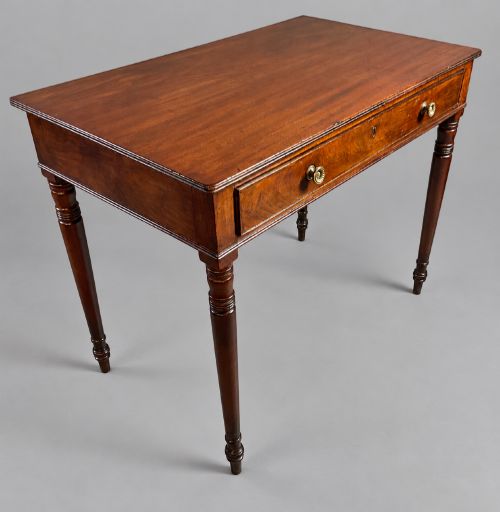
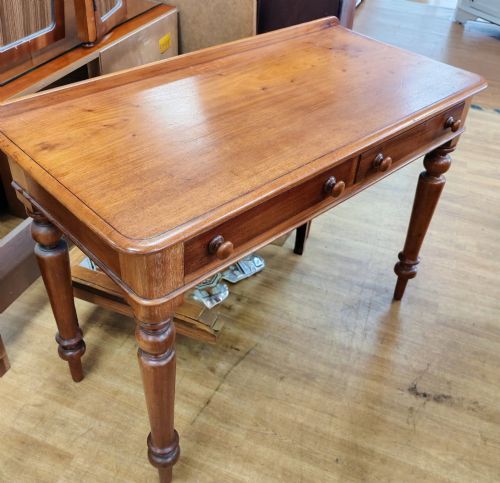
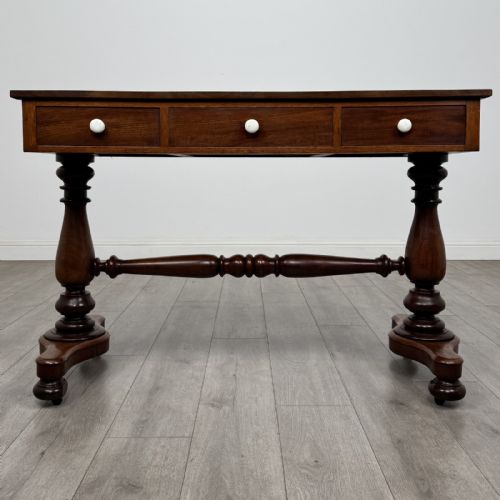
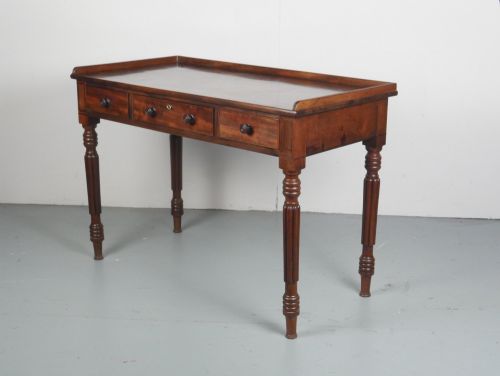
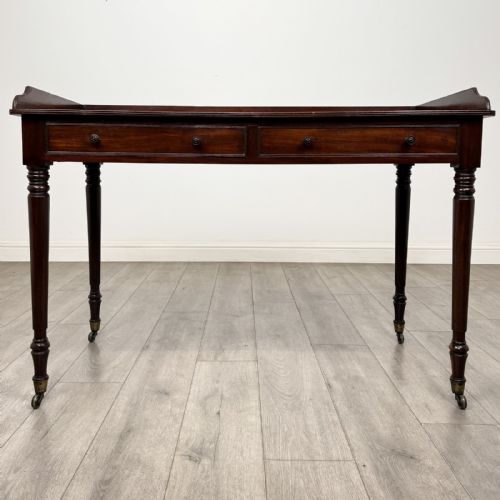
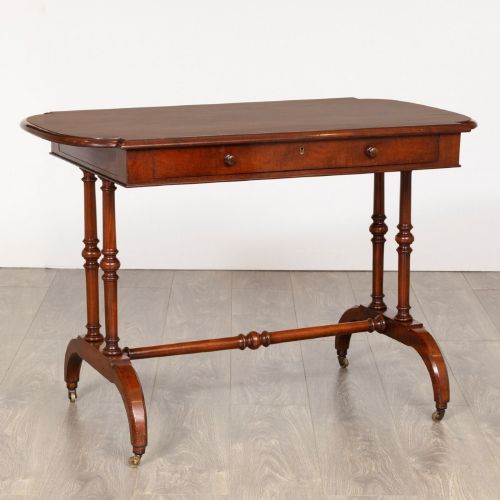
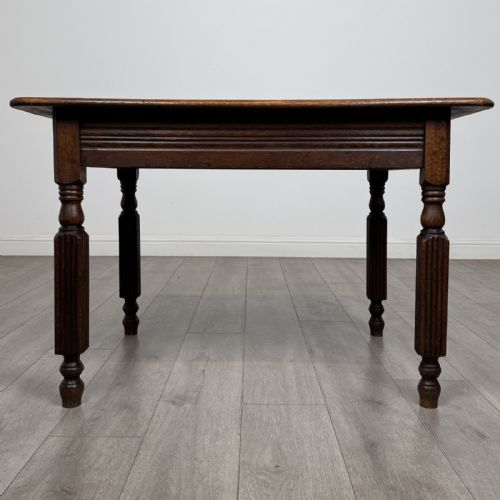
A brown wooden library table brings practical workspace and period character into a room.
Brown Wooden Library Table
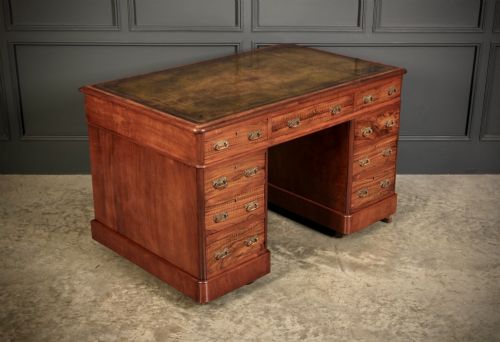
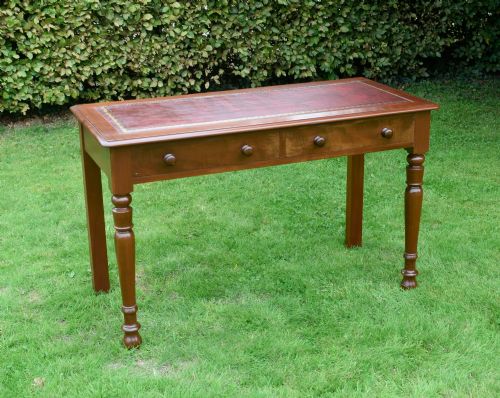
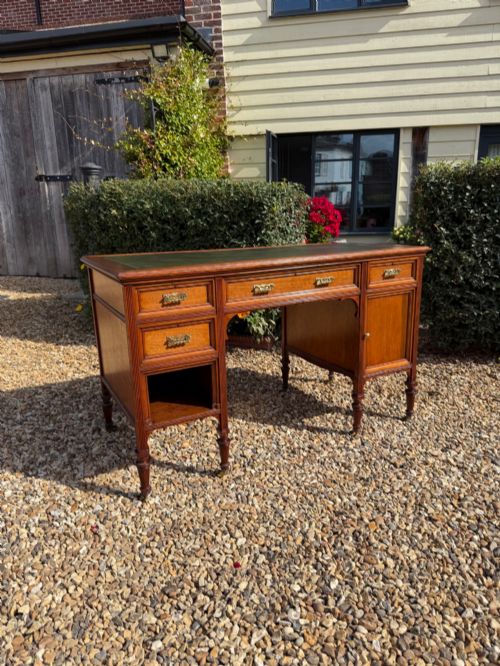
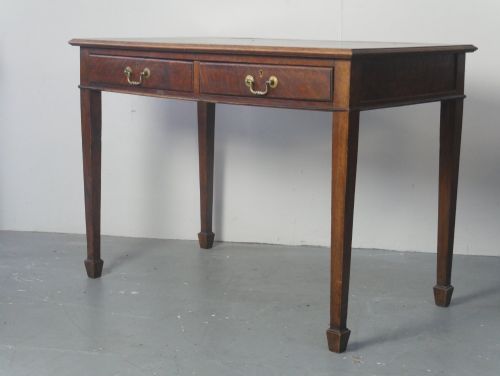
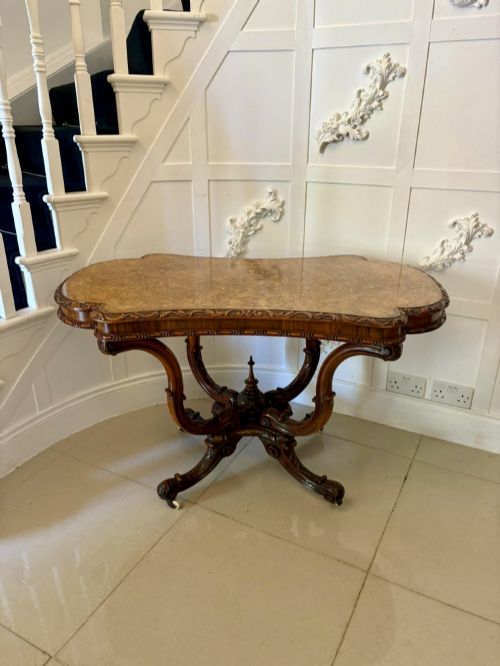
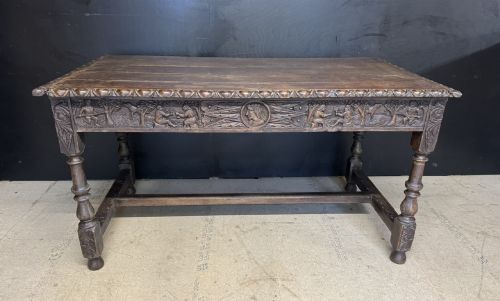
When you search for a brown wooden library table, you encounter practical furniture designed for writing, reading, and storage across several centuries. The pieces on this page span the Georgian, Regency, Victorian, and Edwardian periods, alongside forms from the seventeenth and nineteenth centuries. You will most frequently meet mahogany, oak, and walnut writing tables and desks featuring drawers, leather inserts, and freestanding designs suited to a study or home office.
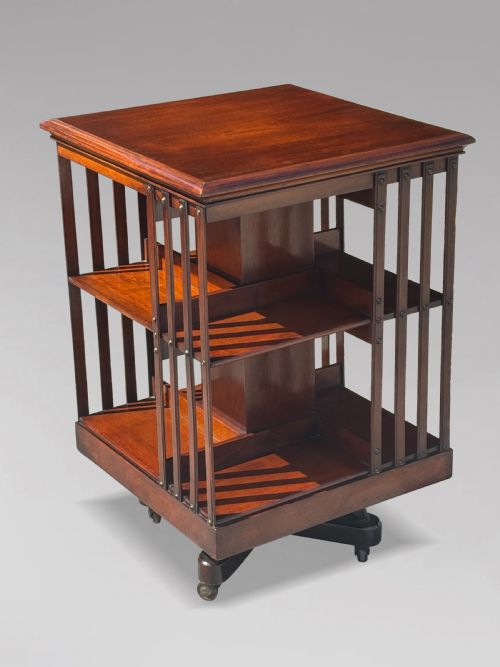
Makers and workshops of the nineteenth century produced these tables with single or multiple drawers, pedestal configurations, and revolving bookcase attachments. Alongside standard writing desks, the selection includes centre tables, reading tables, and partners desks that function from both sides. These brown wooden surfaces reflect the domestic and professional habits of earlier eras, offering robust construction and generous proportions for contemporary daily use.
Materials and construction methods
Makers built these tables primarily in solid and veneered timbers such as mahogany, oak, walnut, and burr walnut, selecting dense hardwoods for durability. Surfaces often incorporate inset leather writing panels, sometimes paired with polished glass or brass handles and castors. Construction relies on traditional joinery techniques, ensuring the stability of multi-drawer carcasses and freestanding frames.
Carved details and figured timber grains appear across Victorian and Georgian examples, whilst brass hardware secures drawers and doors on pedestal desks and cabinets. Cabinetmakers applied French polish or clear varnishes to protect the wood while highlighting natural grain patterns. The integration of cast iron mechanisms and brass fittings provides structural support for heavier writing desks and revolving bookcases.
Brown Wooden Library Table Retail Price Guide 2026
Typical asking prices for brown wooden library table among the pieces listed under this phrase on Sellingantiques today, from the lower quarter to the upper quarter. They describe what is for sale here now, not the wider market.
Several desks include revolving bookcases, allowing a reader to spin an entire library while sitting firmly in place.
Quality differences across the range
The distinction between standard and superior pieces rests upon the choice of timber and the precision of the cabinetwork. Fine examples utilise figured mahogany, burr walnut, or carefully matched oak, displaying deliberate grain selection across large surfaces like table tops and pedestals. Superior tables incorporate secondary timbers of equal quality inside drawer linings and back panels.
Design complexity and hardware integration also set finer pieces apart from utilitarian desks. Elaborate carving, inlaid borders, and original brass fittings indicate higher workshop standards during the Victorian and Georgian periods. The presence of original leather inserts, functioning brass locks, and stable pedestal construction elevates the standing of any library table.
Howard and Sons·Bush of London·Webster Cornhill London·Dent
The Brown Wooden Library Table Glossary
- Pedestal desk
- A heavy writing desk supported by two banks of drawers or cupboards flanking a central kneehole. This form provides substantial storage beneath a large writing surface.
- Partners desk
- A double-sided writing table designed for two people to work opposite one another, featuring drawers and cupboards accessible from both sides.
- Burr walnut
- Timber taken from the warted growth on a walnut tree, yielding highly decorative swirling grain patterns used for veneers on tabletops and desk fronts.
- Fusee clock
- A clock movement regulated by a conical pulley and chain, ensuring even power delivery as the mainspring unwinds. These mechanisms frequently appear in library clocks housed in wooden cases.
- Directoire
- A transitional French design style dating to the late eighteenth century, characterised by clean lines and classical restraint.
Brown Wooden Library Table: Frequently Asked Questions
What is a library table used for?
A library table serves as a sturdy surface for writing, reading heavy volumes, and general study in a domestic library or office. These tables provide expansive wooden tops and frequently incorporate drawers for stationery and documents.
Historically placed in the centre of a room rather than against a wall, they allowed users to work from multiple sides. Today, they function effectively as large home office desks or central display tables.
How do I identify a Victorian desk?
Victorian desks typically display heavier proportions, darker mahogany or walnut timbers, and often incorporate inset leather writing surfaces. Common configurations include single or double pedestal bases and kneehole arrangements.
Stylistic markers range from restrained mid-nineteenth-century forms to heavily carved later Victorian examples. Hardware often includes turned wooden knobs or cast brass pulls.
How do I care for a wooden library table?
Keep wooden library tables away from direct heat sources and strong sunlight to prevent the timber from drying out and the veneer from lifting. Dust regularly with a dry, soft cloth and apply quality beeswax periodically to nourish the polished surface.
Protect leather inserts by avoiding excessive moisture and sharp implements. Lift rather than drag the table when repositioning it to protect the joints and any attached castors.