

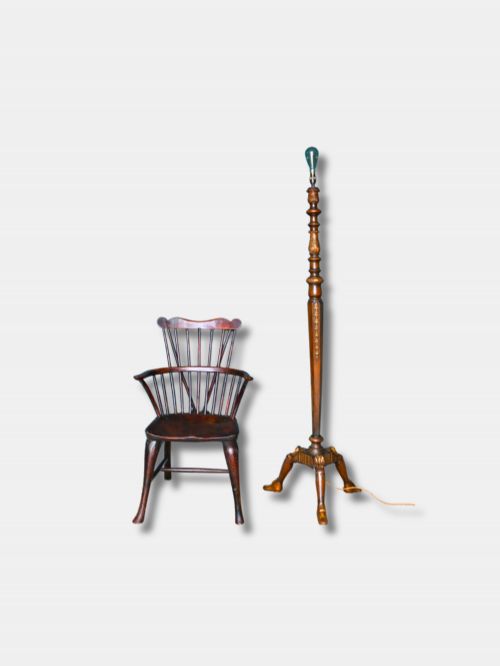


Brown Wooden Lamp Base
A brown wooden lamp base brings warmth and character to a room, turning utilitarian lighting into a piece of decorative furniture.
Brown Wooden Lamp Base
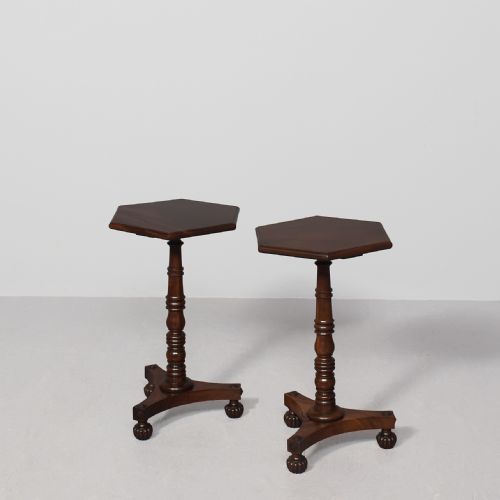
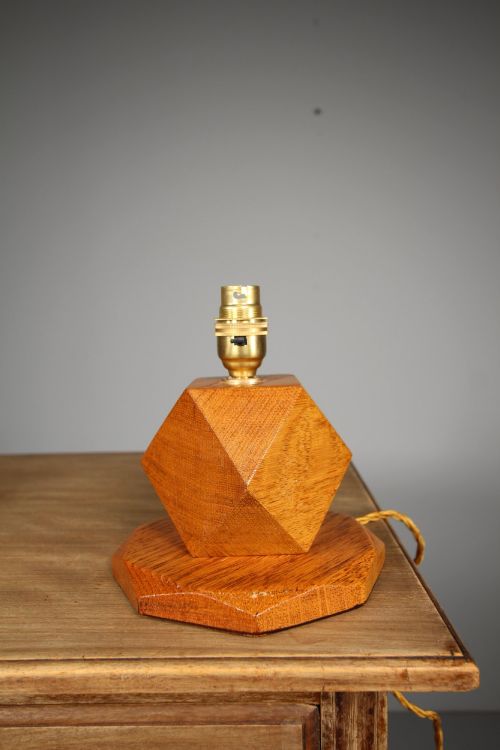
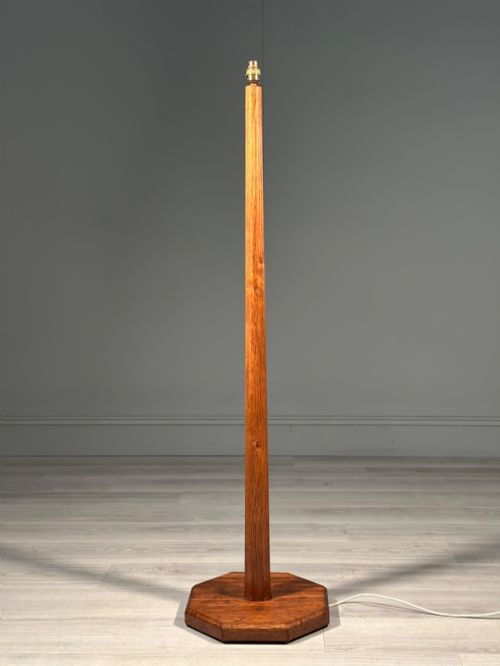
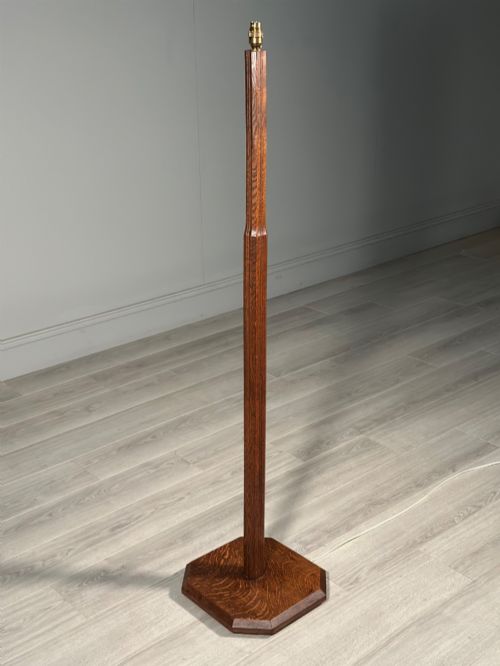
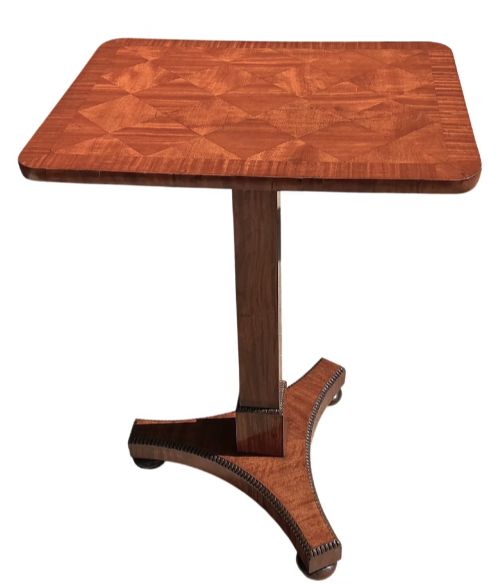
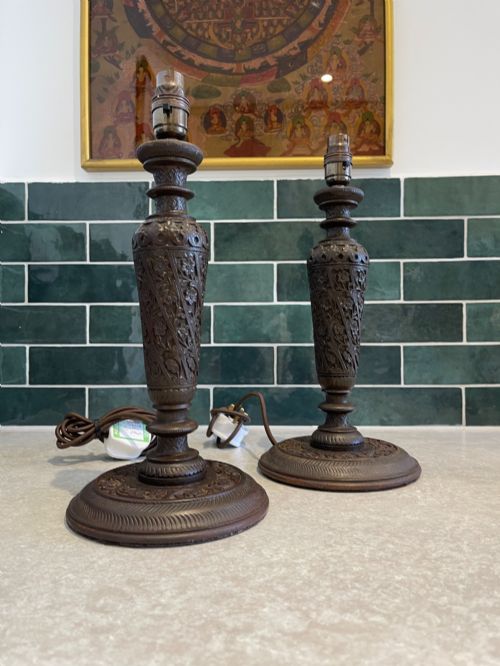
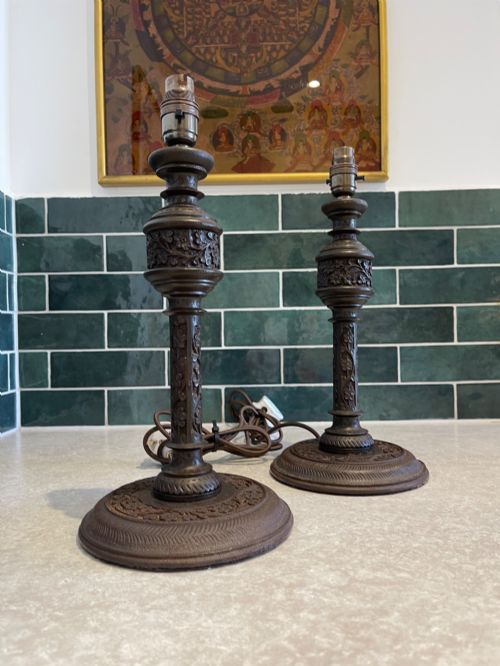
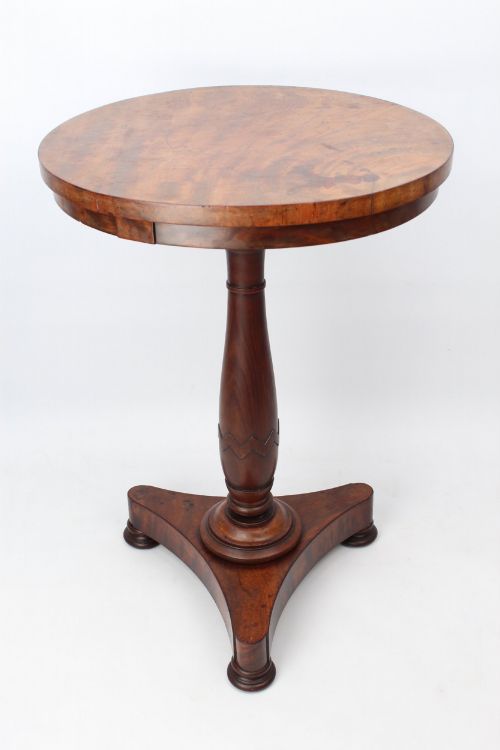
A brown wooden lamp base provides a solid, decorative foundation for domestic lighting, taking forms from carved upright pillars to converted occasional tables and standard lamps. When you search for a brown wooden lamp base, you encounter pieces that span centuries of craftsmanship, utilising rich timbers to anchor a room's lighting scheme.
The selection on this page draws heavily from early twentieth-century production, alongside nineteenth-century examples and revival pieces. You will find standard lamps, tall floor standing designs, and table lamps fashioned from hardwoods, walnut, oak, and carved root wood.
Origins vary widely across these listings, ranging from English workshop designs to Kashmiri, Chinese, and Japanese interpretations. This international spread introduces diverse carving techniques and regional timber choices to the traditional lamp base format.
How they were made
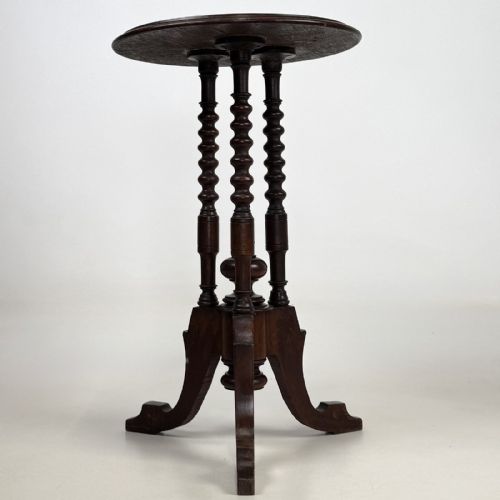
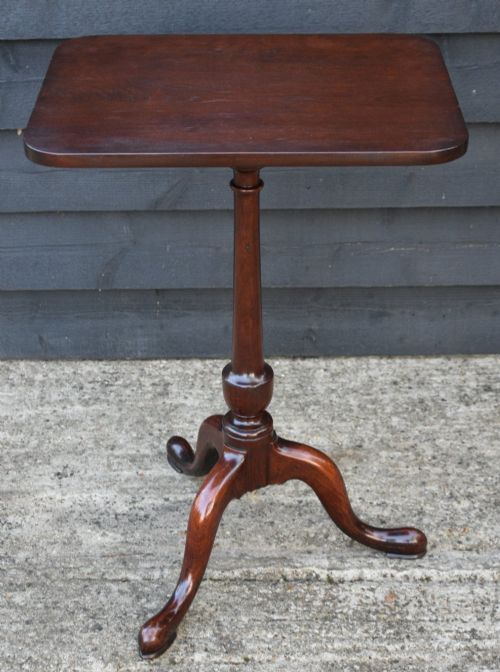
These bases rely on durable hardwoods such as mahogany, walnut, oak, and cherry, selected for their stability and grain. Turnery, hand carving, and joinery shape the timber into columns, tripods, and pedestal forms.
Surface treatments enhance the natural grain of the wood, sometimes paired with gilt accents, brass fittings, or contrasting toleware sections. Carved root wood pieces preserve the organic contours of the timber, utilising natural knots and twists for visual impact.
Brown Wooden Lamp Base Retail Price Guide 2026
Typical asking prices for brown wooden lamp base among the pieces listed under this phrase on Sellingantiques today, from the lower quarter to the upper quarter. They describe what is for sale here now, not the wider market.
Some wooden lamp bases double as quiet bibliophiles, sharing shelf space with small carved sculptures of bookworms.
What varies in quality
The distinction between standard and superior pieces rests on the depth of the carving and the selection of the timber. Finely figured burr walnut, dense mahogany, and intricate hand-carved details elevate a standard pillar into an accomplished decorative object.
Proportion and structural balance dictate the success of a floor or table lamp base. Well-weighted tripod bases and robust turned stems demonstrate superior engineering compared to simpler, purely utilitarian turnings.
The Brown Wooden Lamp Base Glossary
- Standard lamp
- A tall floor-standing lamp base designed to sit directly on the floor. These pieces often feature turned columns or tripod supports.
- Root wood
- Timber sourced from the root system of a tree, prized for its gnarled, twisting grain patterns and organic shapes. Carvers utilise these natural contours to create sculptural lamp bases.
- Turnery
- The method of shaping wood on a lathe using cutting tools to produce symmetrical pillars, columns, and spindles. This technique forms the upright stems of many traditional lamp bases.
- Toleware
- Painted or lacquered metalware used in lighting and decorative objects. It often provides a contrasting material element against wooden components.
- Torchiere
- A tall standing ornamental candlestick or lamp standard designed to direct light upwards. These pieces provide significant height and presence in a room.
Brown Wooden Lamp Base: Frequently Asked Questions
How do I date a wooden lamp base?
Dating relies on examining the timber species, turning styles, and construction methods used in the stem and base. Stylistic cues such as Art Deco stepped profiles or Edwardian turnery provide clear chronological markers.
Secondary materials like brass fittings and wiring configurations also help establish the approximate period of manufacture.
Are these lamp bases converted from other items?
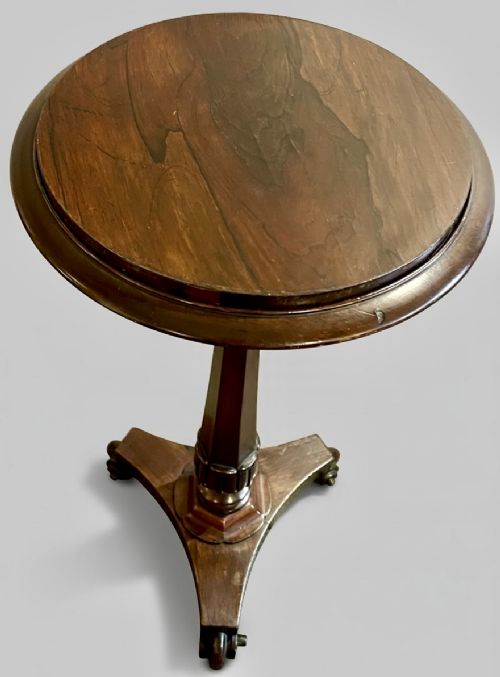
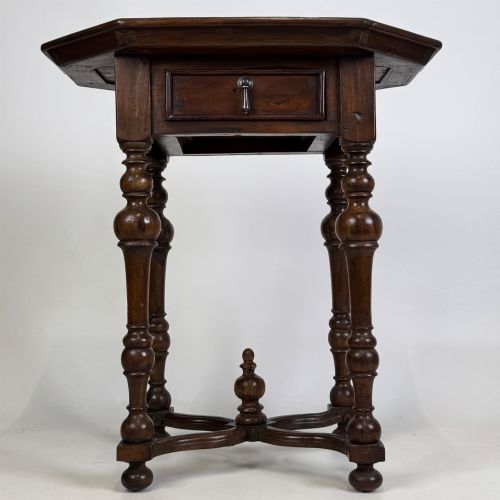
Many traditional lamp bases began life as architectural elements, candlesticks, or small tables before receiving electrical wiring. Conversion is a common practice in antique lighting, preserving older turned wood components for contemporary use.
Inspect the body for plugged holes or channel cuts that indicate past alterations or rewiring work.
What wood types are most common?
Mahogany, walnut, and oak appear frequently across these listings, prized for their strength and deep colour. Hardwoods and exotic root woods also feature prominently in Asian and regional decorative pieces.
Each timber brings a distinct grain pattern and weight to the finished lamp base.
How do I care for antique wood?
Maintain the finish by dusting regularly with a soft, dry cloth and avoiding placement near direct heat sources. Periodic application of suitable furniture wax preserves the moisture and lustre of the timber.
Keep moisture away from the electrical components and the wooden base to prevent staining or warping.