


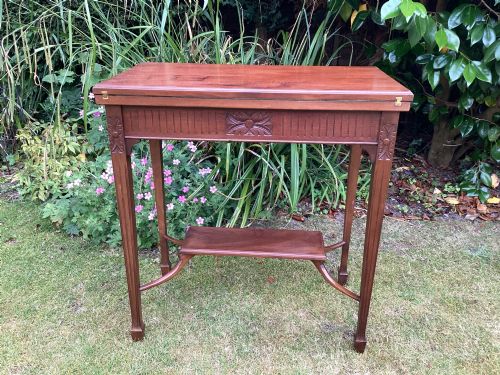
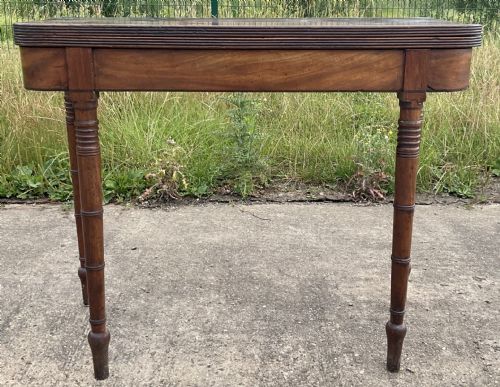
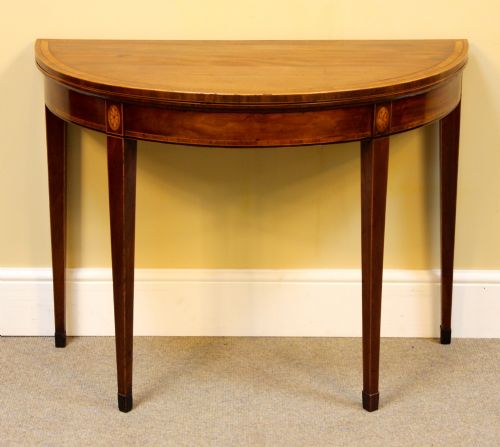
Brown Wooden Gaming Table
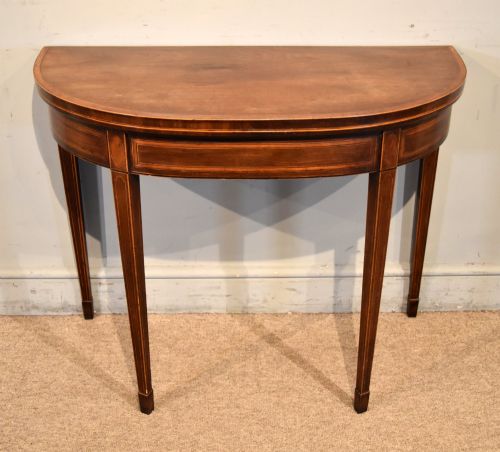
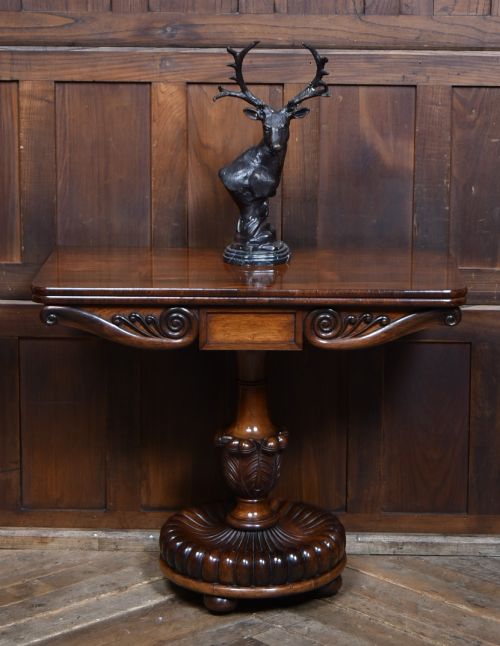
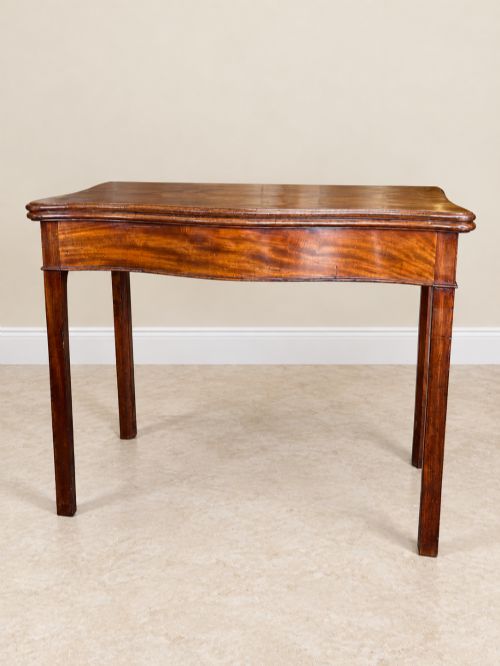
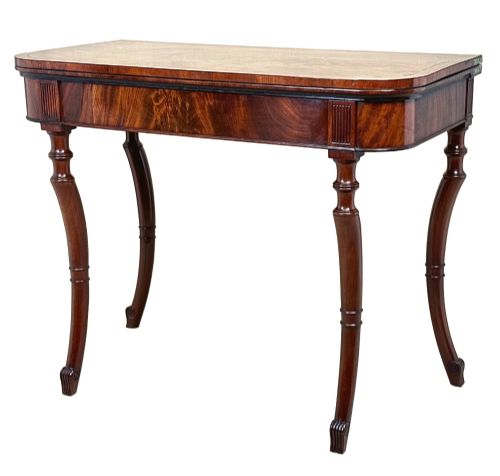
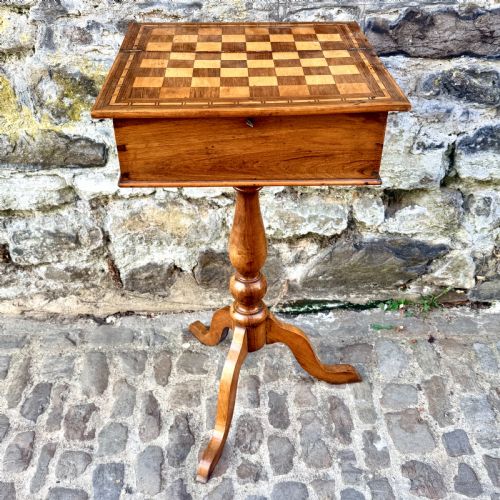
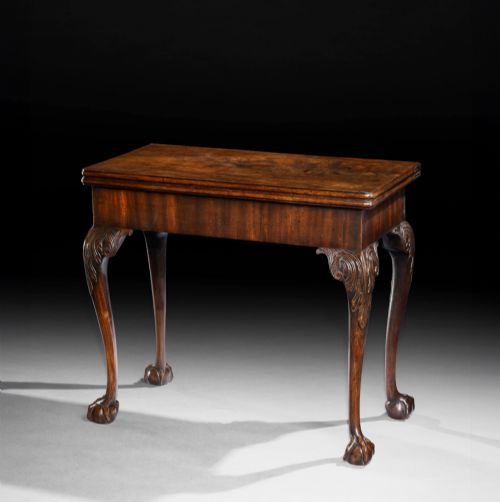
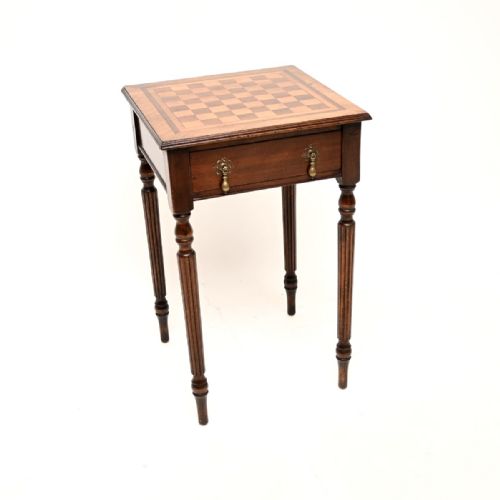
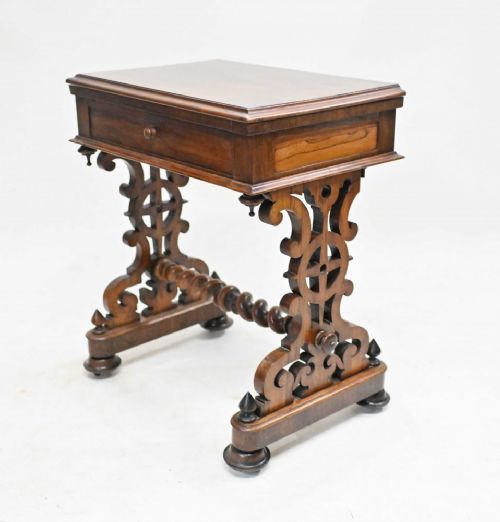
A brown wooden gaming table brings centuries of social pastimes into a modern room with timber surfaces designed for foldover card play and chess.
Brown Wooden Gaming Table
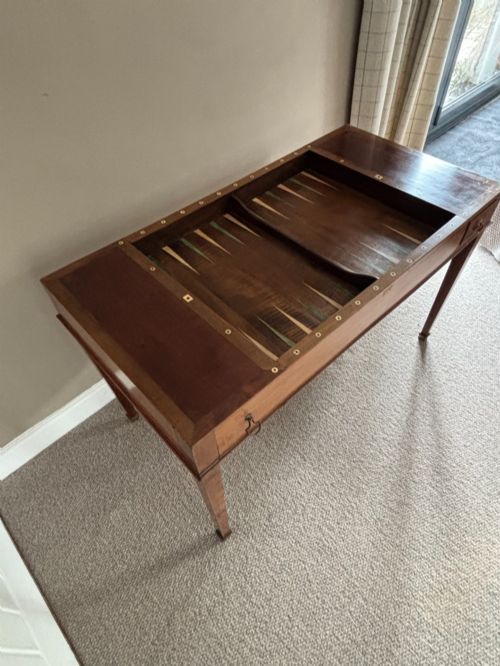
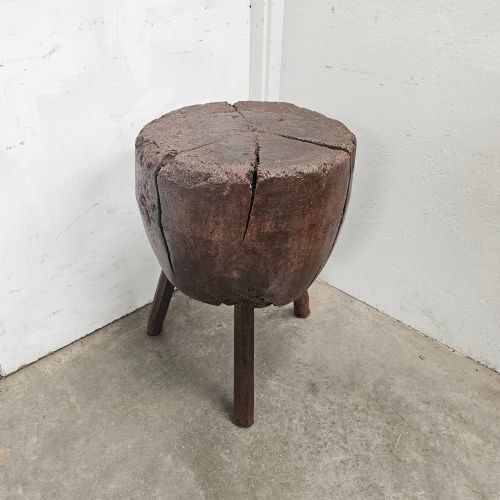
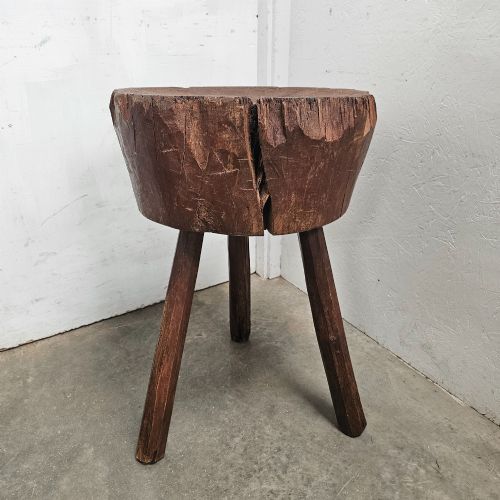
A brown wooden gaming table encompasses diverse forms designed for pastimes, ranging from foldover card tables to chess and backgammon boards and primitive beech game blocks. These pieces date across the 18th century, Georgian, Regency, Victorian, and Edwardian periods.
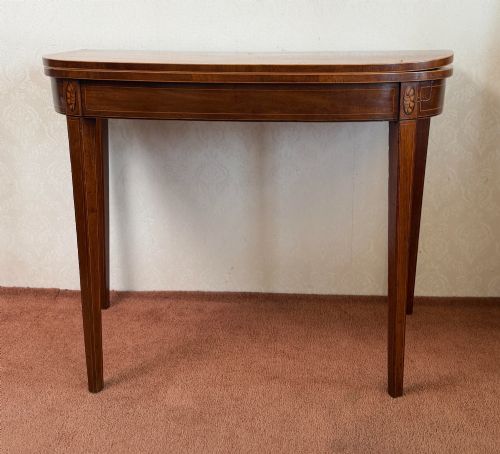
The most common examples encountered are mahogany and walnut card and tea tables from the Georgian and Regency eras, alongside later Victorian walnut and Edwardian inlaid pieces. Timber surfaces often conceal folding leaves, concertina actions, or specialised compartments for counters and dice.
Makers and workshops utilised varied structural formats, from demi-lune shapes and D-shaped card tables to tripod bases and occasional side tables. Each type reflects the social habits of its period, built for domestic parlour entertainment and card games.
Materials and Construction Techniques
Cabinet makers relied heavily on dense hardwoods such as mahogany and walnut, frequently accented with satinwood, boxwood, and oak for contrasting stringing or marquetry detailing. Timber selection prioritized rich grain figures, particularly on foldover tops exposed when the furniture opened for play.
Advanced joinery supported mechanical elements like concertina actions, turn-over leaves, and pivoting tops that revealed dished gaming wells or compartments beneath. Beech and oak served structural roles in French provincial game blocks and English parlour cases alike.
Brown Wooden Gaming Table Retail Price Guide 2026
Typical asking prices for brown wooden gaming table among the pieces listed under this phrase on Sellingantiques today, from the lower quarter to the upper quarter. They describe what is for sale here now, not the wider market.
Certain antique parlour sets arrive complete with instructions for playing the Royal and Pleasant Game of Goose.
Assessing Quality and Execution
Quality rests in the precision of the timber matching and the execution of mechanical joints that allow foldover leaves or concertina frames to operate smoothly. Superior examples display carefully selected grain patterns, such as figured mahogany or intricate marquetry, across the primary surfaces.
The sophistication of internal detailing, including dished wells, hand-painted boards, and integrated storage for gaming pieces, distinguishes finer workshop production. Structural integrity in the legs, whether cabriole, pillar and claw, or tapered, dictates the overall stability of the piece during active use.
Giles Grendey·William Trotter·Gillows
The Brown Wooden Gaming Table Glossary
- Concertina action
- An expandable frame mechanism allowing a card table to open fully while providing stable corner support without a swing leg. This engineering feat characterises finer 18th-century tables.
- Foldover table
- A dual-purpose piece featuring a hinged top that folds flat for use as a side or tea table and opens to reveal a baize-lined surface for cards.
- Marquetry
- Decorative veneer work arranged in geometric or pictorial patterns using contrasting woods like satinwood and boxwood set into a walnut or mahogany ground.
- Demi-lune
- A half-moon shape characteristic of tea and card tables designed to stand flat against a wall when closed.
- Dished gaming well
- A depressed circular or rectangular cavity carved into the timber surface to hold counters, dice, or coins securely during play.
Brown Wooden Gaming Table: Frequently Asked Questions
How do I use a foldover gaming table?
The hinged top swings open on pivot or concertina hinges to double the surface area, transforming a compact side table into a stable platform for cards or board games.
Many designs incorporate hidden wells beneath the top leaf for storing counters, dice, or playing cards when not in use.
What is the difference between a tea table and a games table?
Tea tables were built primarily for serving beverages with flat or dished timber tops, while games tables generally contain specialised interiors intended for pastimes like chess or card playing.
Several examples in these periods served dual functions, featuring foldover surfaces that accommodated both domestic tea service and parlour gaming.
How can I tell a Georgian table from a Victorian one?
Georgian pieces often display restrained lines, mahogany timbers, and cabinetmaking techniques associated with Chippendale or Sheraton manners, focusing on proportion and subtle carving.
Victorian examples frequently utilise dark walnut with heavier carved decoration, tripod bases, and more complex multi-game surfaces incorporating backgammon and chess boards.
Where should I place a gaming table in my home?
These tables function effectively as console or side tables against a wall when closed, displaying figured mahogany or walnut grain.
When pulled into the room and opened, they provide a functional surface for social gatherings or display spaces for lamps and decorative objects.