
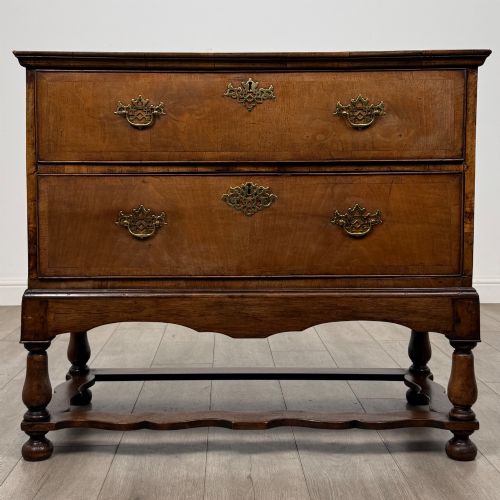
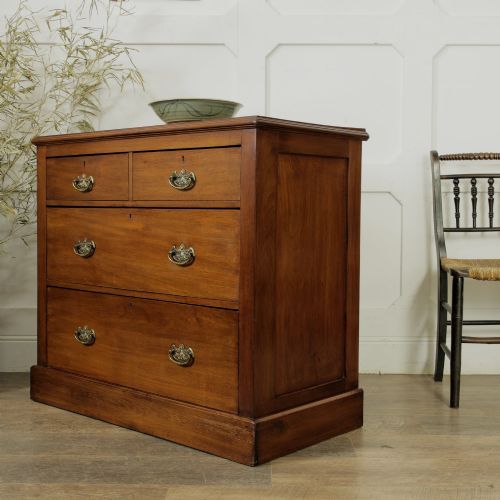
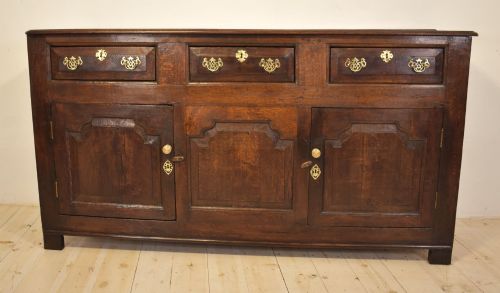
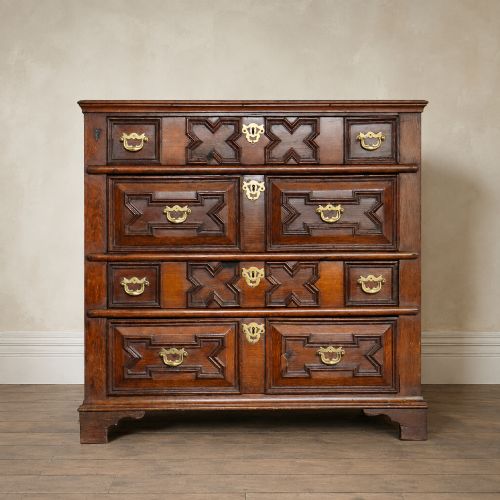
Brown Wooden Dresser Base
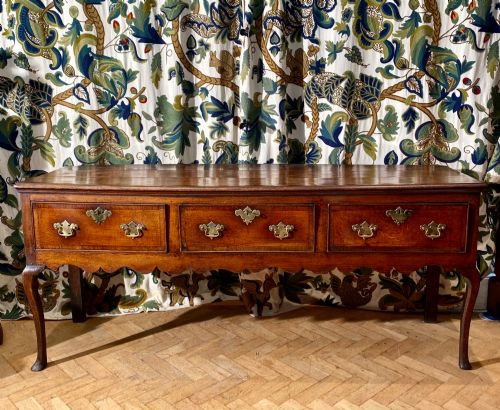
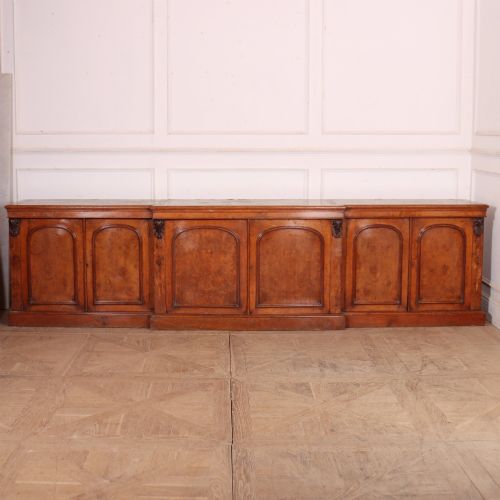
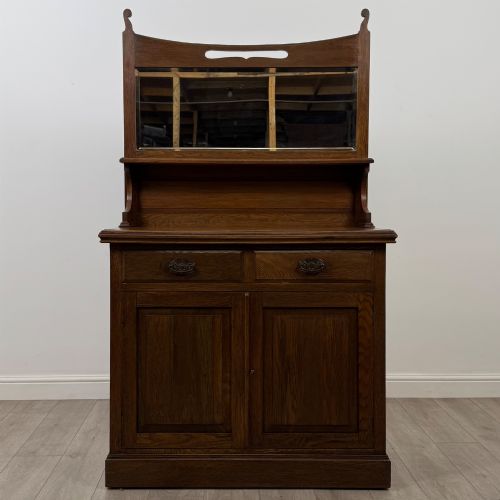
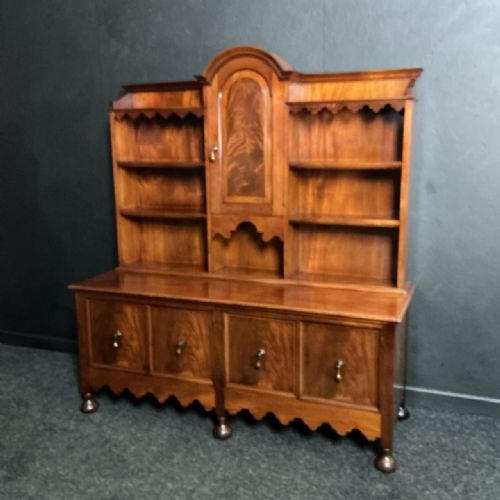
A brown wooden dresser base offers practical storage and timeless utility, bringing grounded character to a kitchen or dining room.
Brown Wooden Dresser Base
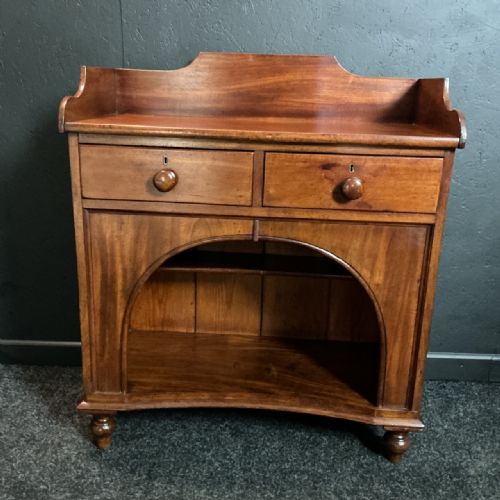
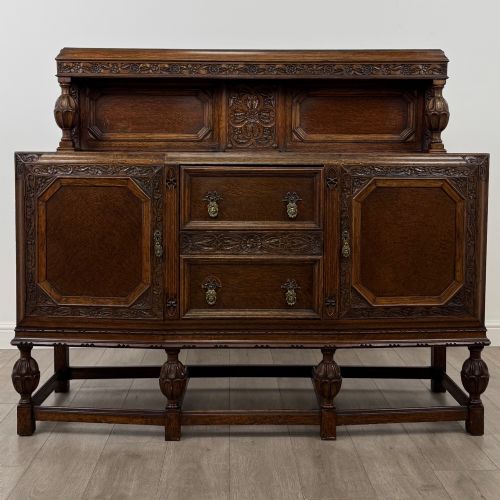
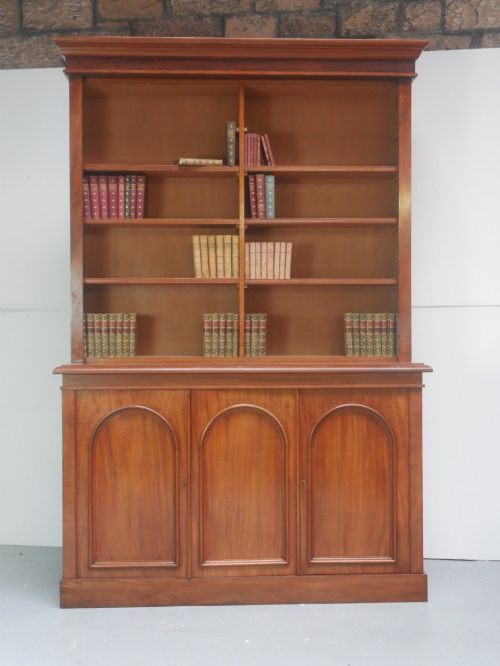
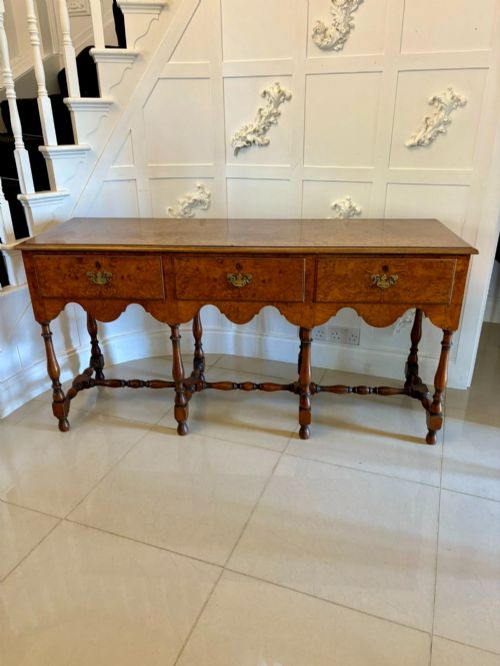
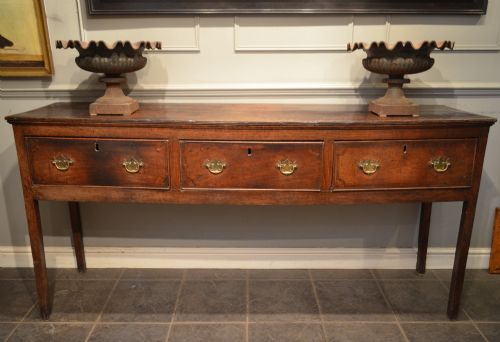
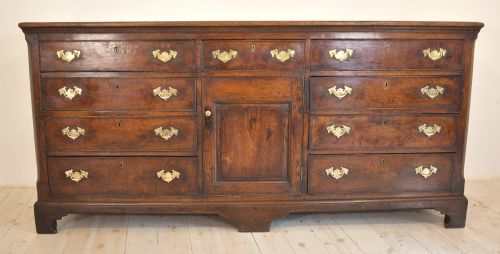
The selections available span from eighteenth-century country workshop pieces to Edwardian and Victorian iterations, reflecting changes in domestic habits. Oak examples often display robust regional character, whilst mahogany and walnut versions show refined cabinet-making traditions.
Materials and construction
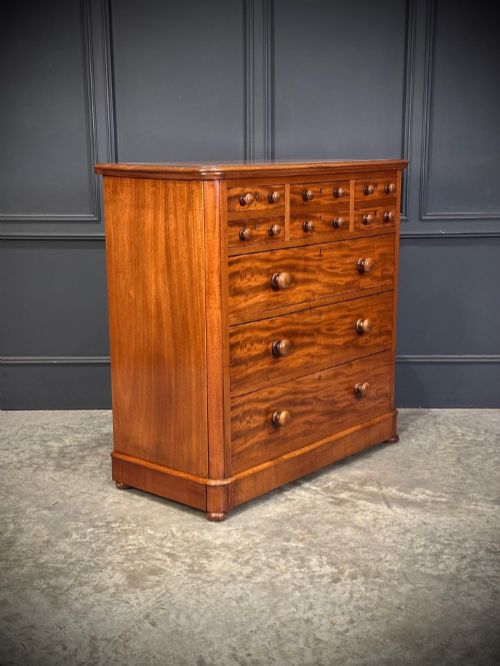
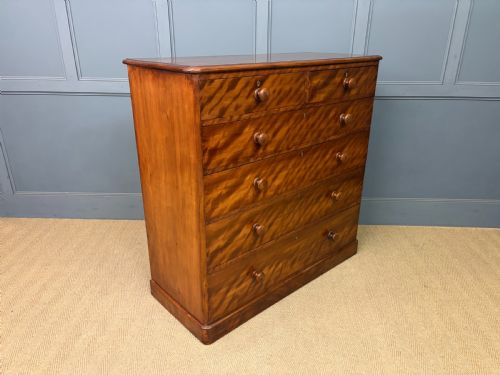
Cabinet-makers relied primarily on native timbers, predominantly oak and elm in earlier centuries, followed by mahogany and walnut as global trade expanded. Construction methods involved sturdy mortise and tenon joints, hand-cut dovetails for drawer boxes, and occasional use of flame mahogany veneers.
Surfaces were finished with natural oils, waxes, or shellac French polish to protect the timber while highlighting natural grain patterns. Hardware typically consisted of brass drop handles or knobs, affixed securely to drawer fronts.
The listings span multiple centuries, incorporating oak, mahogany, walnut, elm, and pine across Georgian, Victorian, and Edwardian eras.
Judging quality and proportion
Quality rests upon the selection of timber, the integrity of the joinery, and the retention of original surfaces rather than modern refinishing. Finer pieces display carefully chosen grain alignments, particularly on drawer fronts and top boards.
Proportion and untouched patination elevate a piece significantly, as do original brass fittings and unaltered base structures like pot boards. The crispness of geometric moulding or carved details separates standard utility furniture from superior workshop output.
Heal & Son
The Brown Wooden Dresser Base Glossary
- Dresser base
- A low sideboard or cabinet with drawers and cupboards beneath a surface top, historically used for serving food.
- Pot board
- An open lower shelf built into a dresser base, originally intended for storing heavy pots and pans.
- Geometric moulding
- Raised decorative wooden mouldings applied in geometric patterns, characteristic of seventeenth and eighteenth-century joinery.
- Flame mahogany veneer
- Thin slices of mahogany cut from the fork of the tree, producing a swirling, flame-like grain pattern.
- Dovetail
- A traditional interlocking joint used in drawer construction to ensure durable, long-lasting corners.
Brown Wooden Dresser Base: Frequently Asked Questions
What is a dresser base?
A dresser base is the lower portion of a traditional kitchen dresser, functioning as a standalone sideboard with a flat top surface and under-counter storage.
Unlike tall dressers with plate racks, these low units provide versatile surface space and enclosed storage suited to modern dining rooms or hallways.
How were these used originally?
In historic homes, these units served as workspace for food preparation and as serving tables during meals.
Cupboards and drawers held tableware, linens, and cooking implements, keeping essential items close at hand in the kitchen or parlour.
How do I date an oak dresser base?
Dating relies on examining construction techniques, such as hand-cut dovetails, tool marks, and the type of hinges or drawer runners used.
Early pieces often feature pegged mortise and tenon joints and simpler timber preparation, whilst later Victorian and Edwardian examples show machine assistance.
Will an antique dresser base fit a modern kitchen?
These pieces integrate well into contemporary spaces, frequently serving as sideboards, media units, or kitchen island alternatives.
Their varied widths and depths mean checking precise room dimensions against the listed measurements is essential before purchase.