
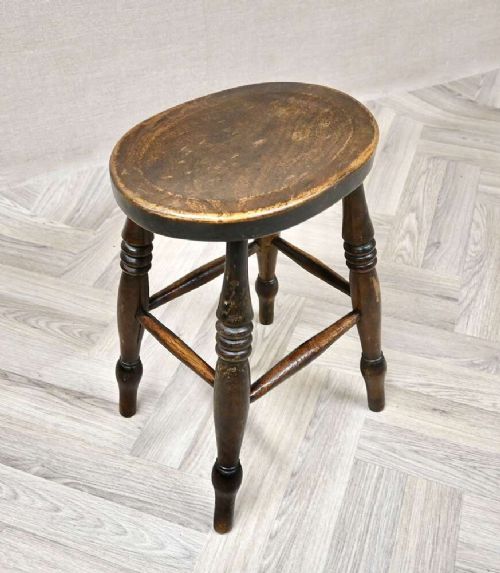
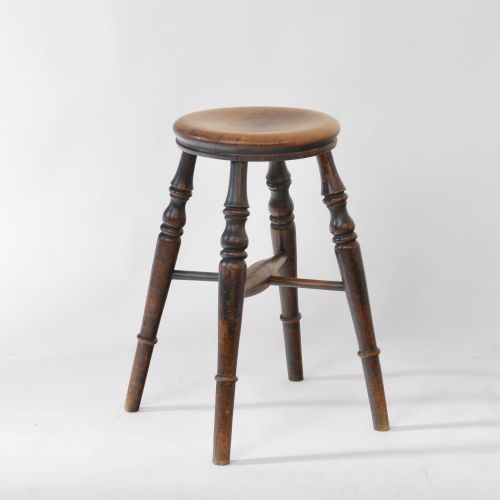
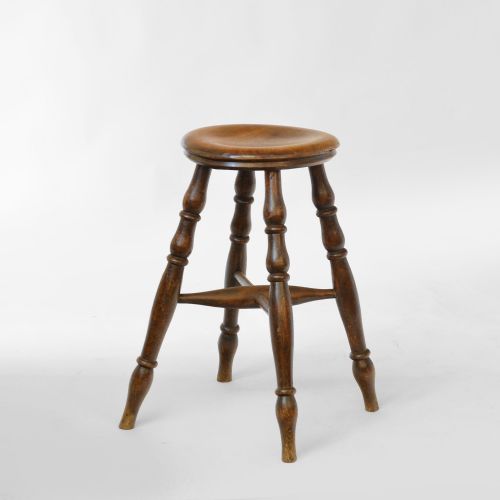
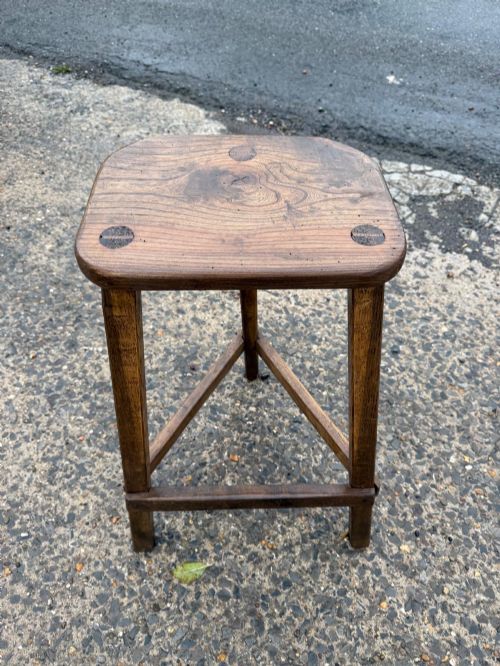
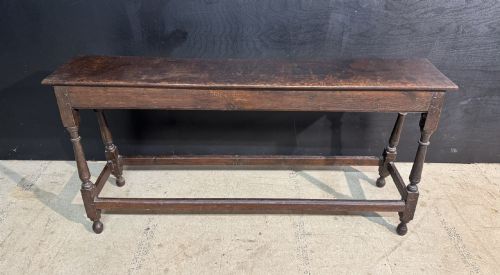
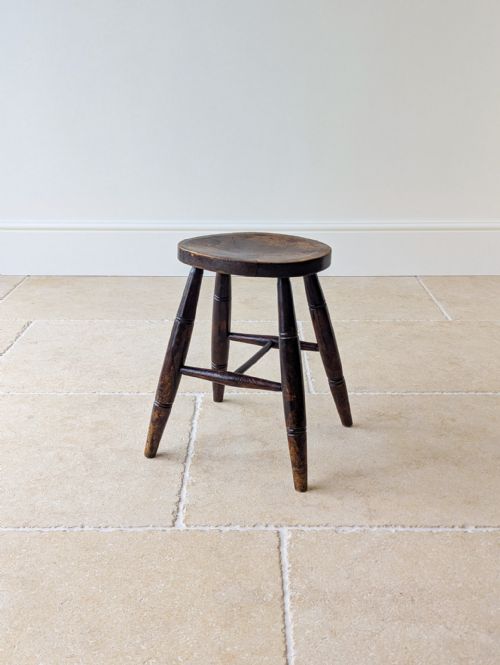
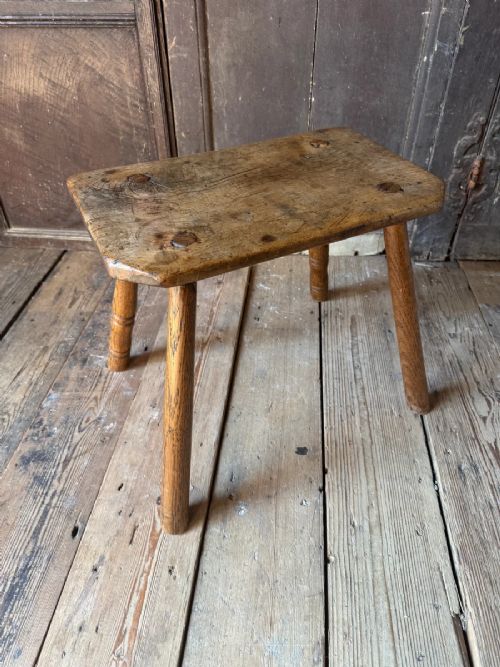
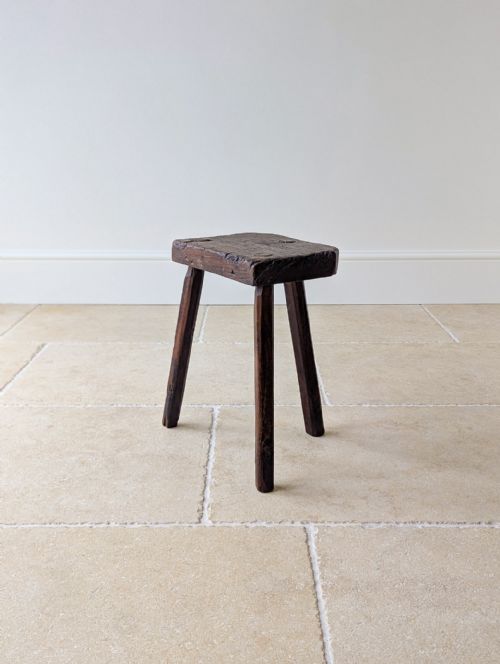
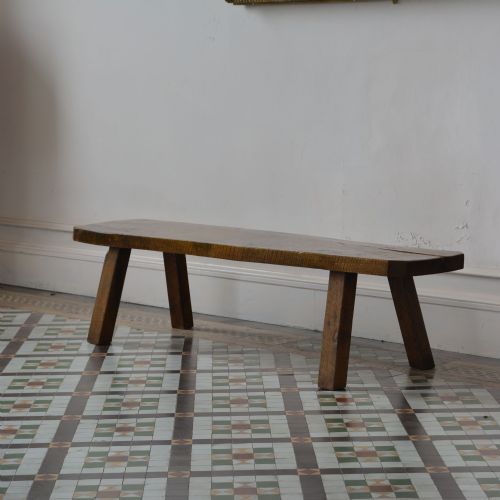
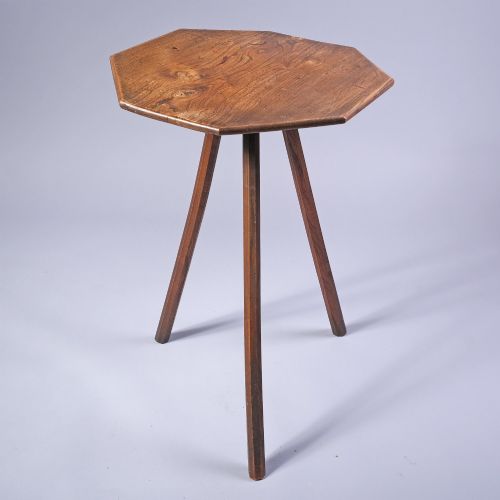
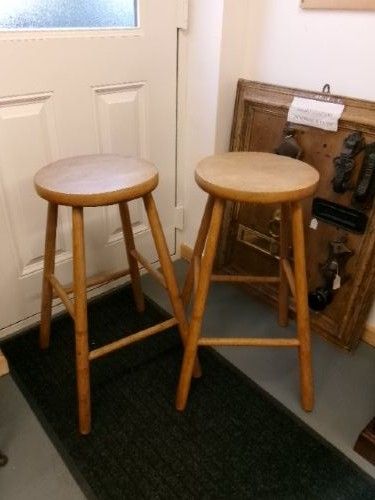
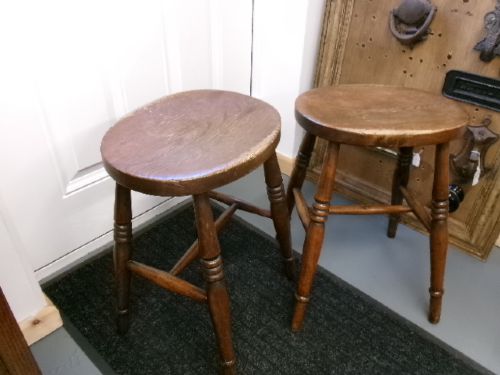
Brown Wooden Country Stool
A brown wooden country stool brings honest vernacular charm to an interior, shaped by generations of practical rural use.
Brown Wooden Country Stool
A brown wooden country stool is a utilitarian seat born from rural workshops, pubs, and farmhouses, designed for daily endurance rather than salon display.
Buyers looking at this selection encounter pieces originating primarily from the eighteenth and nineteenth centuries, including Georgian joints stools and vernacular low seats.
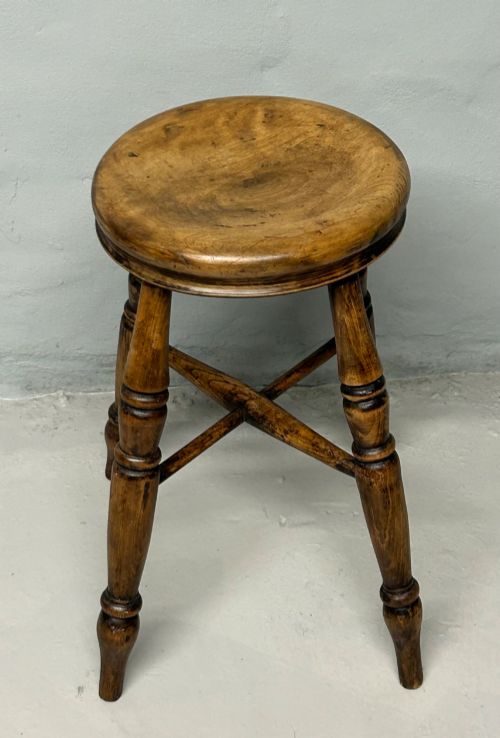
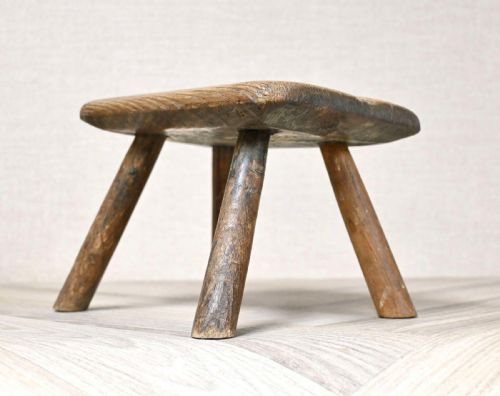
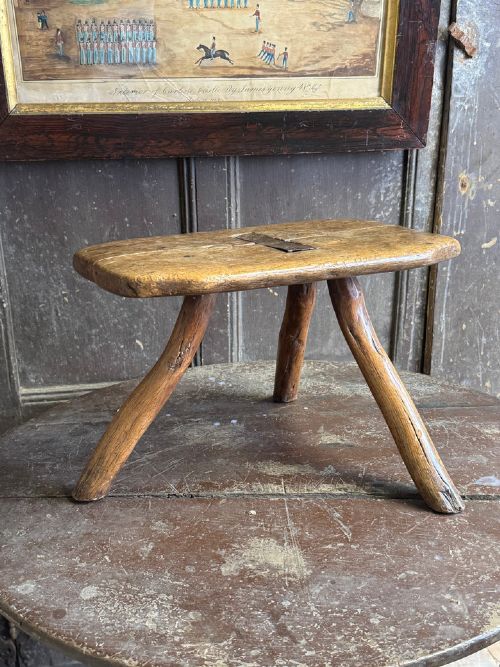
Common forms span Windsor oval seats, tavern stools with dished tops, and three-legged milking designs, each reflecting local provincial traditions.
How they were made
Craftsmen built these pieces using solid domestic timbers such as oak, elm, ash, beech, and sycamore, often combining woods within a single seat and base.
Joinery techniques rely heavily on traditional pegging, mortise and tenon joints, and splayed legs wedged directly into sculpted seats.
Blacksmith repairs and iron fastenings frequently reinforce the structure, showing how working items were maintained over centuries.
Primary materials recorded include oak, elm, ash, beech, pine, and sycamore.
What varies in quality
The distinction between ordinary and exceptional pieces lies in the integrity of the original timber and the depth of natural surface patina accumulated through use.
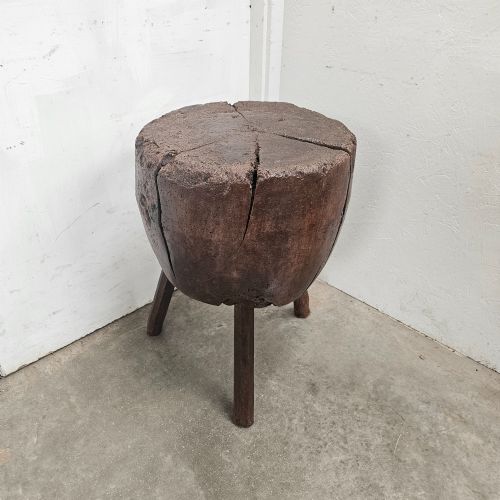
Proportion and sculptural presence separate standard workshop output from rarer vernacular survivors, particularly where seats display distinct dishing or unusual leg placement.
Originality of construction matters greatly, distinguishing untouched historic surfaces and period repairs from later alterations.
The Brown Wooden Country Stool Glossary
- Joint stool
- A sturdy wooden seat constructed with mortise and tenon joints pegged together, predating common use of chairs in domestic interiors.
- Vernacular
- Objects made by local craftsmen for everyday regional use rather than following strict high-style academic architectural rules.
- Dished top
- A wooden seat hollowed into a shallow concave shape by adzing or turning to provide greater comfort for the user.
- Splayed legs
- Legs angled outward from the centre of the seat to provide enhanced stability on uneven floors.
- Patina
- The surface sheen and darkening developed on timber over decades of handling, exposure to light, and polishing.
Brown Wooden Country Stool: Frequently Asked Questions
What were country stools used for?
These stools served practical roles around the farmhouse, hearth, and tavern, functioning as movable seating or work platforms.
Their simple construction allowed them to be easily carried wherever a low seat was needed during daily chores.
How do I date a wooden country stool?
Dating relies on examining tool marks, timber species, joint construction methods, and the nature of any historical repairs.
Earlier examples often feature heavy oak frames and pegged joints, while later nineteenth-century versions frequently utilise turned beech and elm.
Are these stools sturdy enough to sit on?
Most period stools remain structurally robust due to their utilitarian design and heavy timbers, though movement in the wood can occur.
It is sensible to check the tightness of the leg joints before using them for regular seating.
How should I clean a historic wooden stool?
Maintenance requires only gentle dusting with a dry cloth and occasional application of traditional beeswax to nourish the dry timber.
Avoid modern liquid polishes or harsh detergents that can strip the accumulated surface patina.