

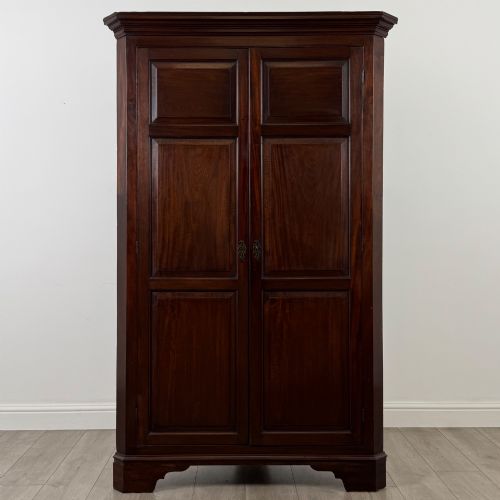

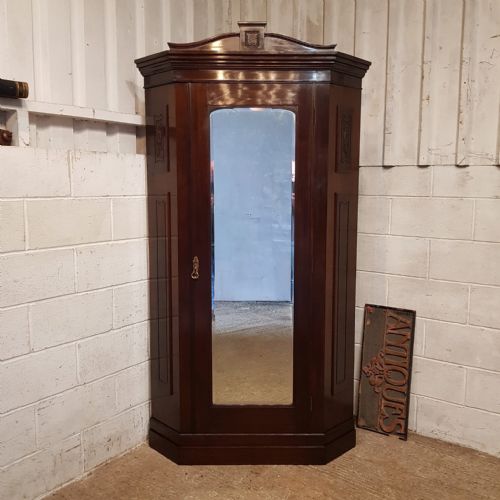
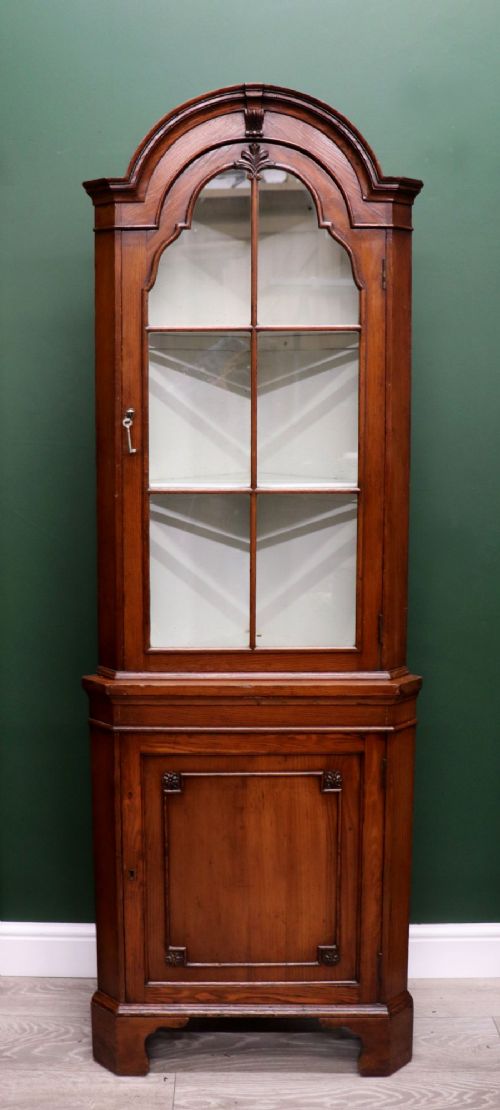
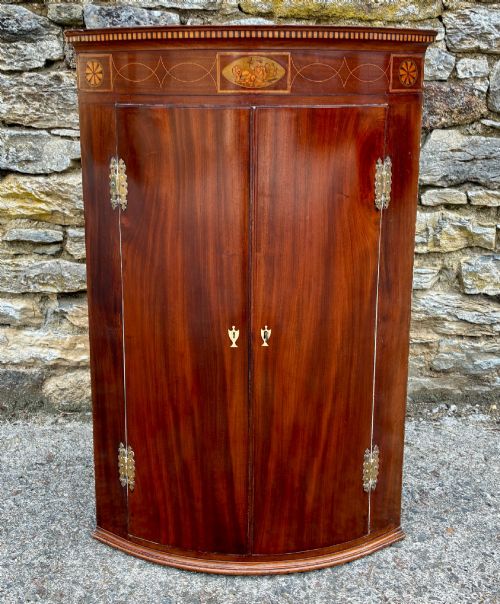
Brown Wooden Corner Cupboard
A brown wooden corner cupboard turns dead room space into useful display, bringing warm timber tones and period character to an overlooked angle.
Brown Wooden Corner Cupboard
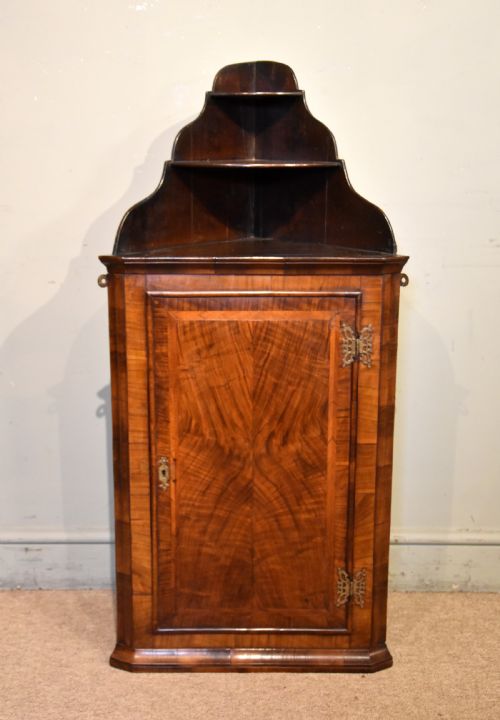
A brown wooden corner cupboard provides fitted storage designed to slot neatly into room angles, saving floor space while displaying cherished objects. These pieces range from compact hanging models to tall floor-standing cabinets.
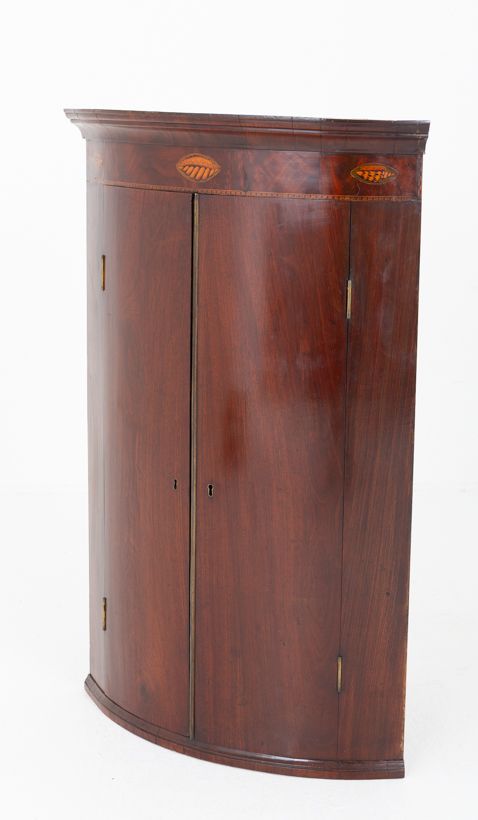
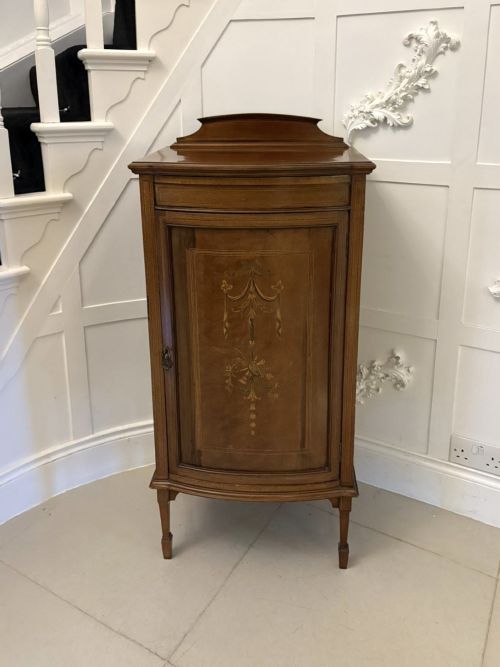
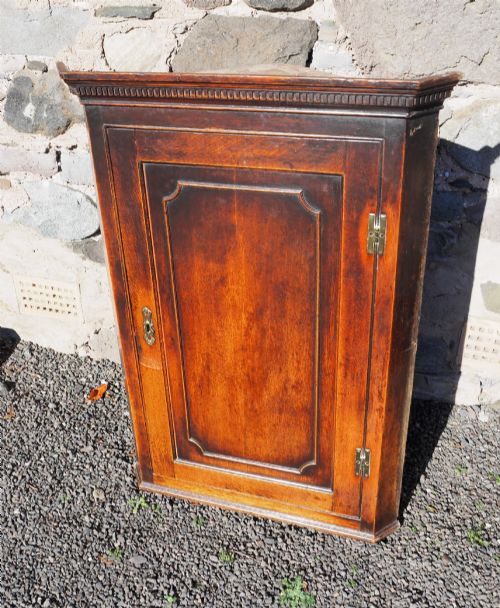
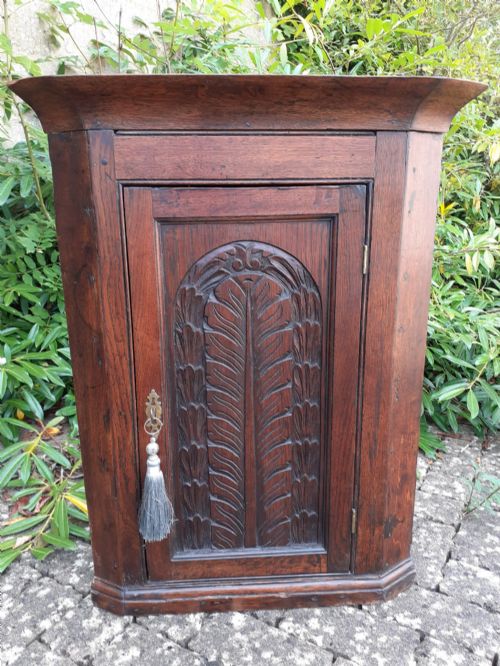
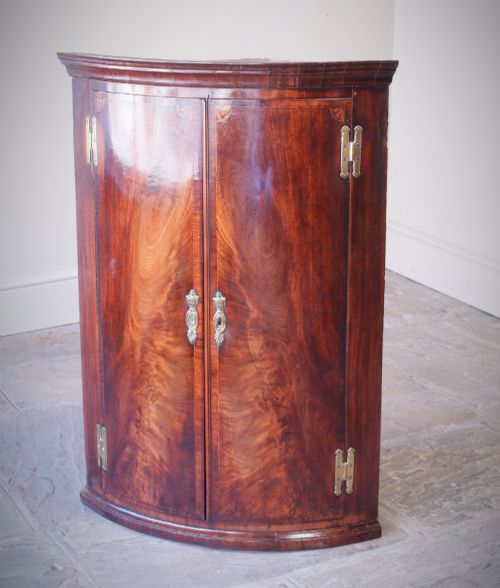
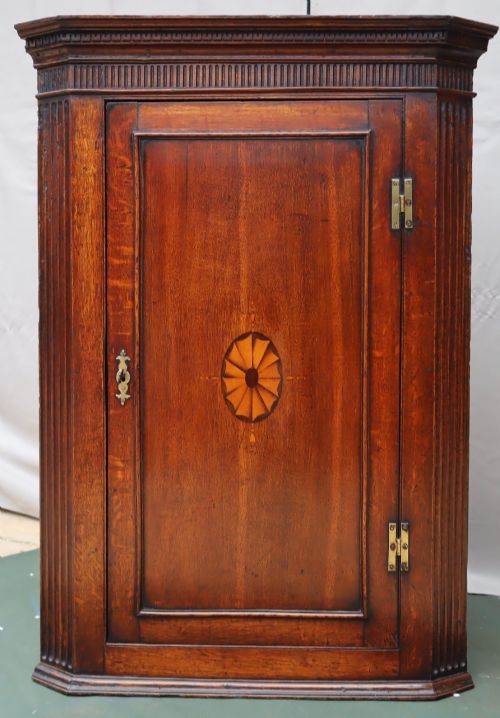
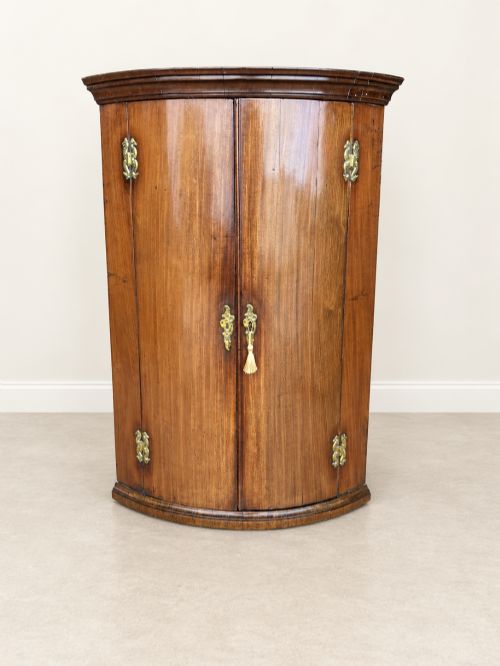
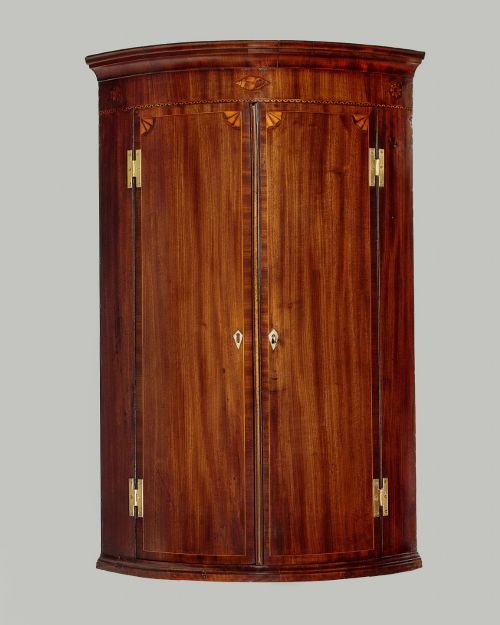
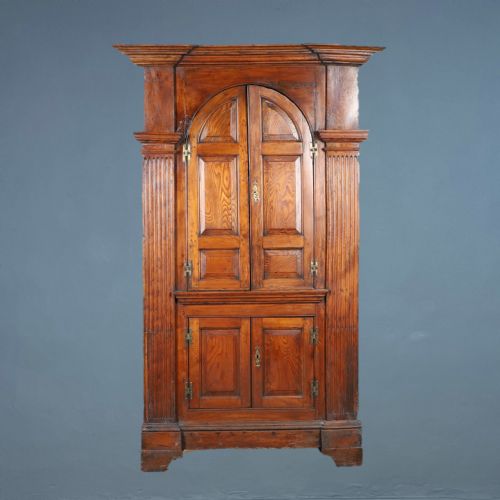
The selections here are dominated by Georgian and 18th-century examples in sturdy oak and rich mahogany, often sporting bow fronts or panelled doors. Buyers frequently encounter regional country pieces alongside more formal urban iterations.
Makers historically built these to utilise awkward domestic spaces efficiently, meaning many feature clever internal shelving contours. The enduring appeal lies in this marriage of practical geometry and traditional cabinet-making.
Materials and construction methods
Makers relied heavily on native oak and imported mahogany, often selecting dense timber boards for durability and rich grain patterns. Walnut, elm and fruitwoods appear alongside contrasting inlay materials such as boxwood and satinwood.
Construction typically involved traditional joinery like dovetailing for carcass stability and pegged mortise-and-tenon joints for doors. Panel construction allowed timber to move naturally with seasonal humidity changes without splitting.
Brown Wooden Corner Cupboard Retail Price Guide 2026
Typical asking prices for brown wooden corner cupboard among the pieces listed under this phrase on Sellingantiques today, from the lower quarter to the upper quarter. They describe what is for sale here now, not the wider market.
Listings feature woods spanning mahogany, oak, walnut, boxwood, satinwood, kingwood, and tulipwood, alongside painted and faux finishes.
Assessing quality and craftsmanship
Quality rests on the selection of timber figures, such as plum pudding mahogany or figured walnut, matched carefully across the door panels. Superior examples show refined proportions and restrained inlay rather than heavy, cluttered ornament.
Original brass H-hinges, working locks with matching escutcheons, and untouched interior paint or polished surfaces elevate a piece. The crispness of carved mouldings and the tightness of corner joints separate standard utility work from fine cabinet-making.
The Brown Wooden Corner Cupboard Glossary
- Bow front
- A convex curved cabinet facade that projects forward in a gentle arc. This shape gained popularity during the Georgian period.
- Escutcheon
- A protective plate surrounding a keyhole, often cast in brass or inlaid in contrasting wood. It prevents the timber around the lock from wearing down.
- Dovetail
- A joint formed by interlocking wedge-shaped fingers, prized for tensile strength in drawer and carcass construction. Hand-cut versions show slight irregularities.
- Marquetry
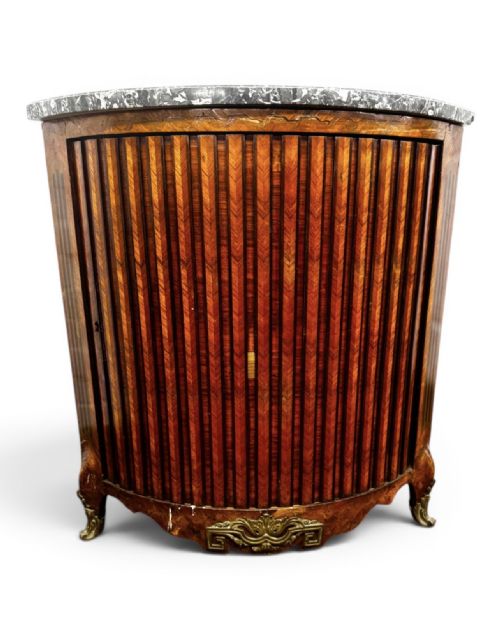
- Decorative veneer work forming pictorial or geometric patterns using various coloured woods. Craftsmen applied these thin slices to the primary carcass timber.
- Cornice
- The moulded projection crowning the top of a tall standing cupboard. It visually caps the furniture piece against the wall.
Brown Wooden Corner Cupboard: Frequently Asked Questions
How do I measure for a corner cupboard?
Measure the wall space extending outwards from the corner in both directions, noting the exact angle of the walls. Also check the maximum height available, particularly if you are considering a floor-standing cabinet.
Keep in mind that bow front models project further into the room than flat-fronted versions. Allowance must also be made for door swing clearance in tight hallways or small dining rooms.
How do I care for wooden cabinet surfaces?
Maintain the timber by dusting regularly with a soft, dry cloth and applying occasional natural beeswax. Avoid placing wooden furniture near direct heat sources or in strong sunlight.
Excessive heat dries out antique timbers and can cause splits in old panels or shrinkage in veneer. Consistent indoor humidity keeps the historical polish stable and healthy.
What is the difference between oak and mahogany pieces?
Oak pieces generally hail from earlier periods or regional country workshops, showing prominent grain patterns and robust construction. They often suit rustic or traditional interiors.
Mahogany became the dominant timber of the later 18th century, offering a darker, reddish-brown tone and a finer grain suited to formal parlours. Both woods handle daily domestic use exceptionally well.