




Brown Wooden Cellarette
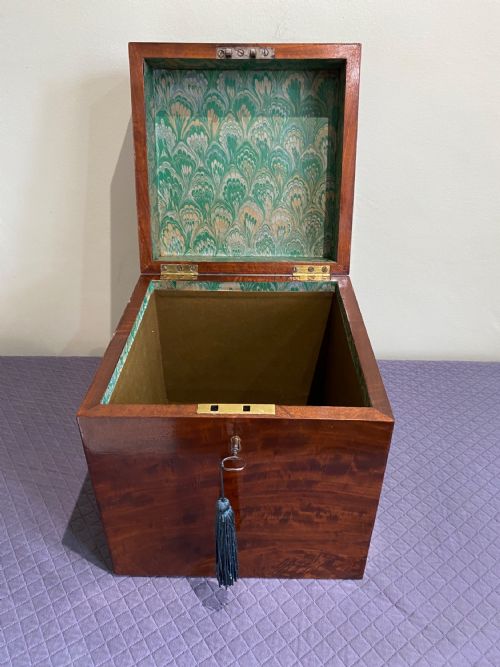
A brown wooden cellarette is a heavy timber vessel designed to chill wine bottles beside the dining table, combining practical storage with grand presence.
Brown Wooden Cellarette
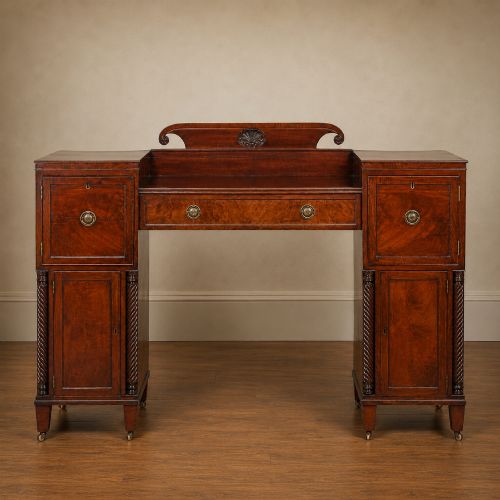
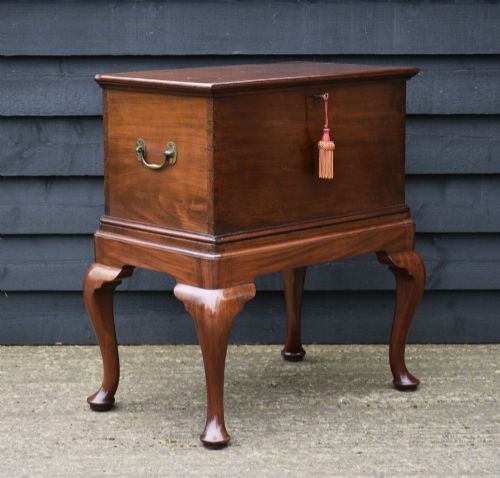
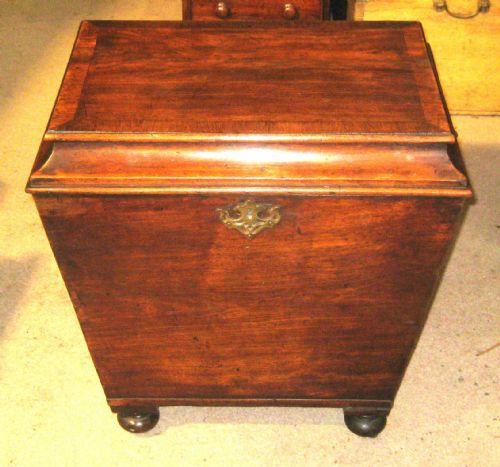
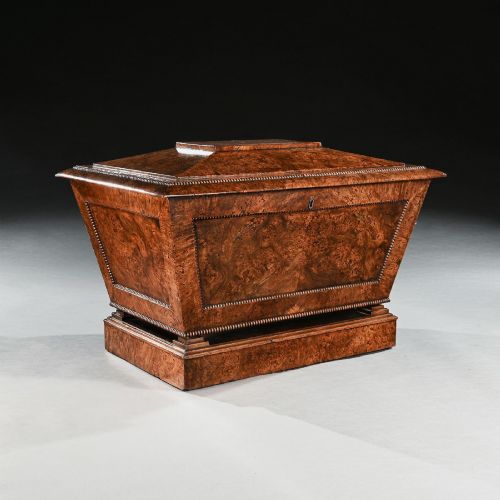
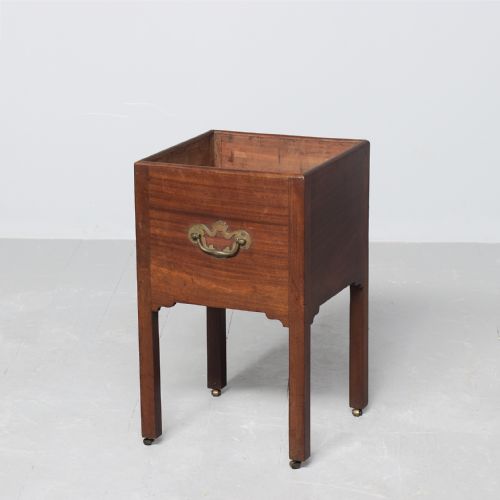
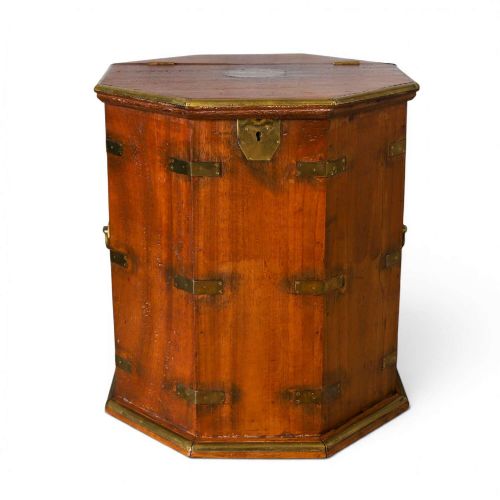
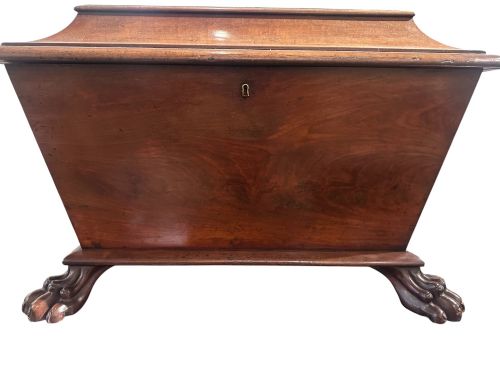
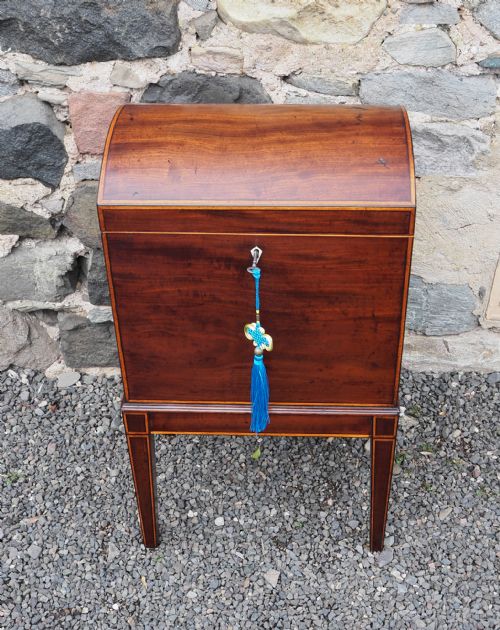
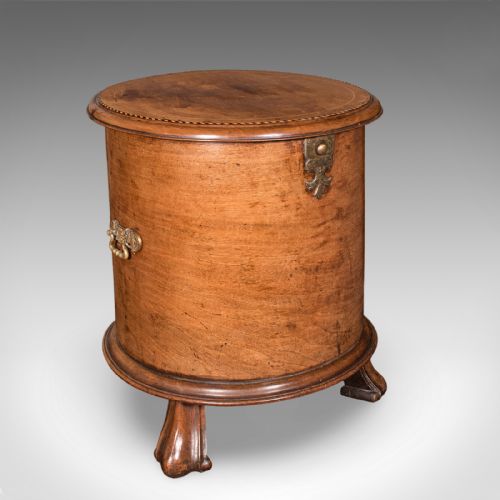
A brown wooden cellarette serves as a dedicated container for holding wine and decanters within dining spaces. These pieces appear frequently across Georgian, Regency, and Victorian periods, often taking the form of sarcophagus boxes, pedestal cabinets, or table stands.
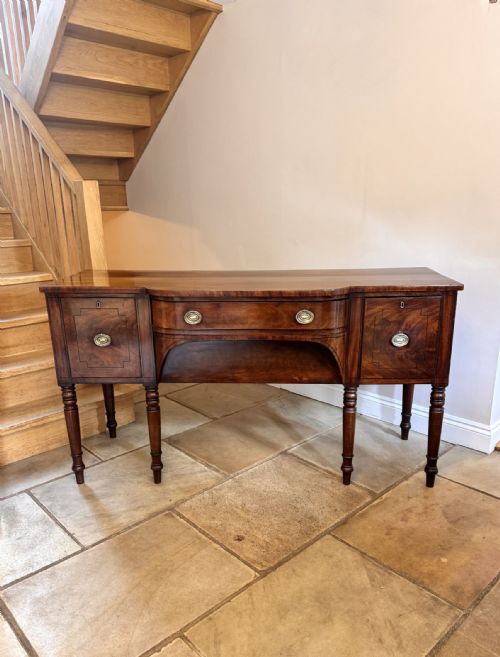
The objects listed under a brown wooden cellarette encompass wine coolers, decanter boxes, and sideboard combinations. Most examples rely on substantial timber carcases designed to sit firmly on the floor or upon dedicated stands.
Many items date from the eighteenth and nineteenth centuries, reflecting the dining customs of their eras. Cabinetmakers built these vessels to keep bottles secure and cool using lead linings or internal compartments.
Materials and construction methods
Cabinetmakers utilised dense timbers such as mahogany, walnut, pollard oak, and satinwood to construct the main bodies of these pieces. Workshops often applied flame mahogany veneer to the exterior surfaces to create rich, figured grain patterns.
Metal components including brass handles, paw feet, hinges, and banding provide structural reinforcement and decorative contrast against the dark wood. Joinery techniques ensured the heavy timber carcases could withstand the weight of liquid and stone or metal linings.
Materials span mahogany, walnut, pollard oak, satinwood, and brass across eighteenth and nineteenth century periods.
Distinctions in craftsmanship
Quality rests upon the selection of timber figure, such as well-matched flame mahogany veneer or distinct pollard oak grain. Superior examples exhibit precise marquetry, brass inlay, and crisp carving on paw feet or pilasters.
Internal arrangement dictates utility and grade, with finer pieces retaining original lead linings, bottle dividers, and fitted compartments for decanters. The integration of the stand or pedestal also influences the formal balance of the design.
Gillows of Lancaster and London·Maples & Co·Robert Strahan & Co of Dublin
The Brown Wooden Cellarette Glossary
- Cellarette
- A lockable container used for storing wine bottles near the dining table. These vessels often feature internal divisions to keep bottles separated.
- Sarcophagus
- A monumental coffin shape with sloping sides, adapted during the Regency period for large wine coolers. This form frequently rests on paw feet.
- Flame Mahogany
- Timber cut from the fork of the mahogany tree to produce a flickering, highly figured grain pattern. Cabinetmakers placed these veneers on prominent exterior surfaces.
- Pollard Oak
- Wood taken from trees that have been pollarded, resulting in a dense, mottled grain full of small knots. This timber appeared on high-status nineteenth-century furniture.
- Tantalus
- A locked frame holding decanters that displays the contents while preventing access to the stoppers. These fittings often appear inside nineteenth-century box forms.
Brown Wooden Cellarette: Frequently Asked Questions
What is a brown wooden cellarette?
A brown wooden cellarette is a historical container built to hold wine bottles and decanters in the dining room. These pieces kept wine cool and secure before modern refrigeration.
Most examples date from the Georgian and Regency eras, constructed from timbers like mahogany and walnut with fitted internal compartments.
How were cellarettes used?
Servants placed wine bottles inside the container, often surrounded by ice or cold water in a lead-lined interior. They sat on the floor near the dining table or sideboard during meals.
Owners also utilised them to lock away fine vintages and decanters from household staff.
How do I date a cellarette?
Dating relies on the prevailing style, timber choice, and construction details of the piece. Georgian and Regency items often feature sarcophagus shapes, flame mahogany veneers, and brass paw feet.
Later Victorian versions tend to be larger, utilising heavy carved walnut or oak with deep mouldings.
Where should I place one?
These pieces suit dining rooms, living spaces, or hallways where their substantial timber presence can act as a focal point. Many function effectively as side tables or miniature cabinets.
Keep them away from direct heat sources to protect the polished wood surfaces and delicate veneers.