

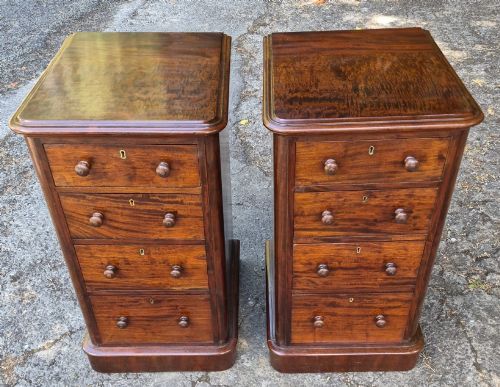
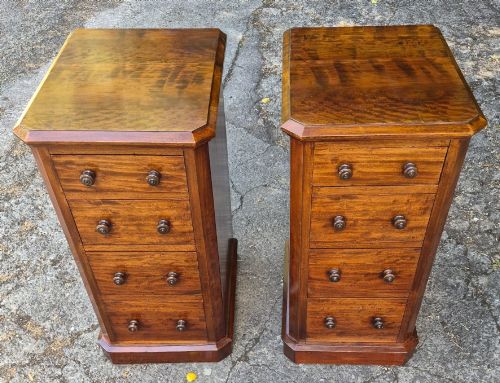
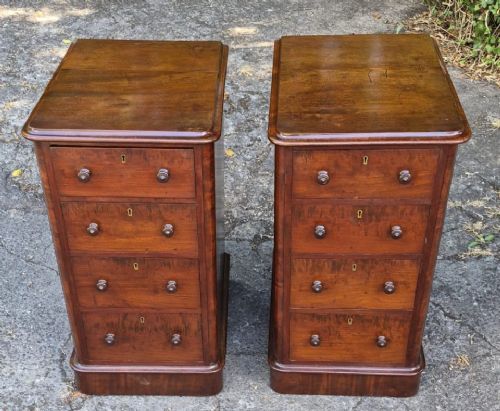
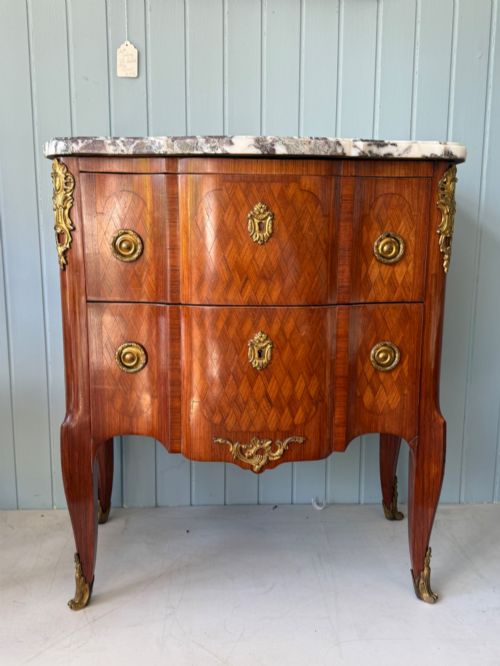
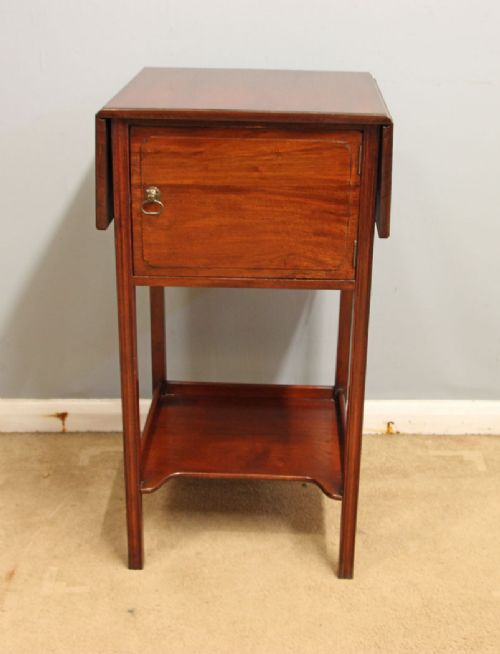
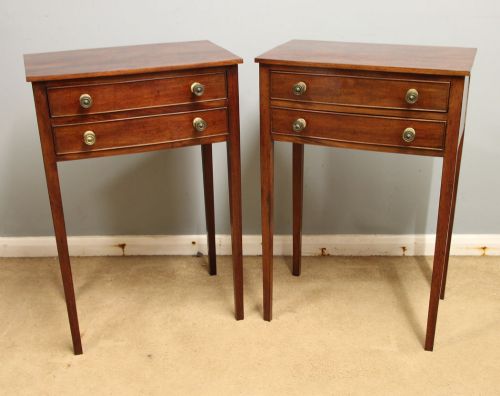
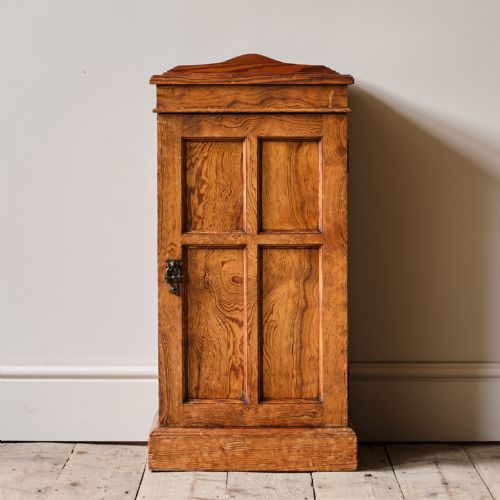
Brown Wooden Bedside Cabinets
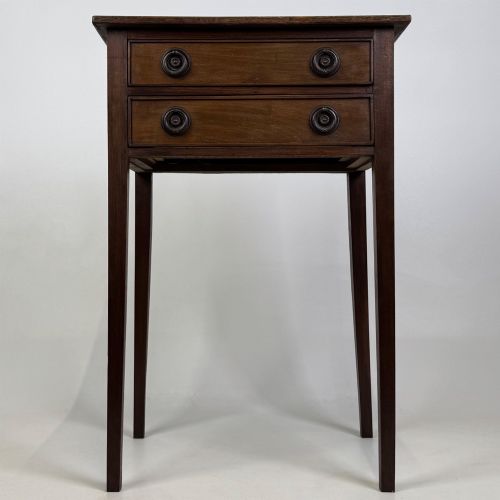
These brown wooden bedside cabinets span the nineteenth and twentieth centuries, offering practical bedside storage shaped by Victorian, Edwardian, and Art Deco traditions.
Brown Wooden Bedside Cabinets
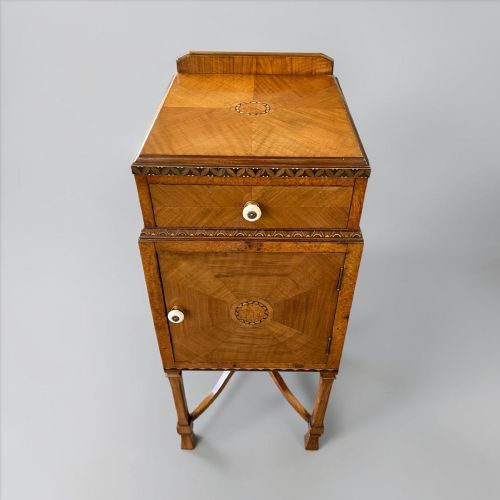
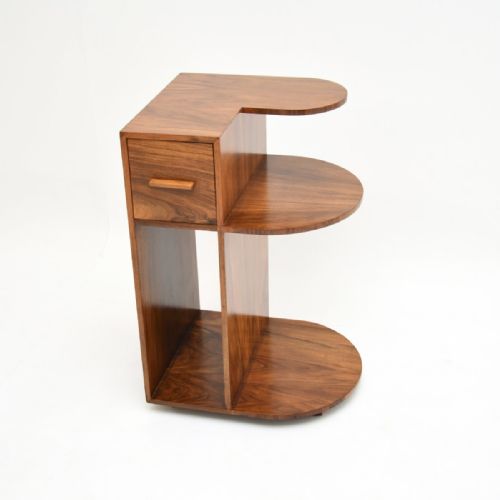
The selection ranges from Victorian mahogany chests and Edwardian inlaid cabinets to Art Deco walnut tables and French provincial cupboards. These pieces reflect diverse regional tastes, including Georgian style revivals and Gothic Revival designs.
Makers utilised various timber configurations, pairing solid woods with veneered surfaces to create compact bedside furniture. Buyers seeking brown wooden bedside cabinets find both single cupboards and matching pairs.
Materials and Technique
Cabinet makers constructed these brown wooden bedside cabinets using traditional timbers such as mahogany, oak, walnut, burr walnut, rosewood, and cherrywood. Surfaces often feature fine mahogany flames, marquetry, or satinwood inlay work.
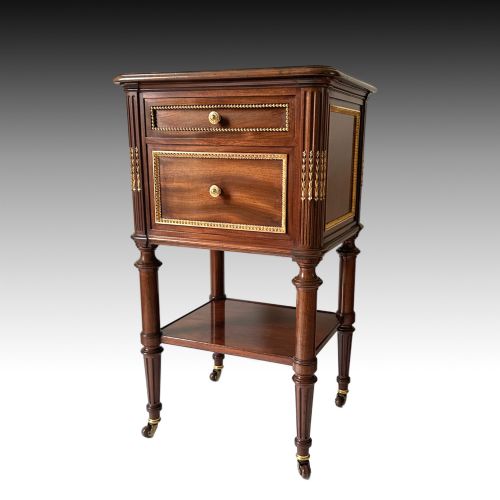
Metal elements like brass handles, ormolu mounts, and marble tops appear on select pieces, particularly French and Victorian models. Joinery techniques range from simple cupboard construction to multi-drawer chests with turned legs.
Eighteenth-century close stools disguised as small bedside chests let polite company pretend chamber pots did not exist.
Standard and Selection
Quality in brown wooden bedside cabinets rests on timber selection and decorative restraint. Pieces utilising figured burr walnut, flame mahogany, or detailed marquetry demonstrate higher ambition than plain secondary woods.
Proportion and execution define the hierarchy, distinguishing simpler utility cupboards from refined Edwardian inlaid cabinets or French commodes. Matching pairs command distinct attention compared to single tables.
Gomme
The Brown Wooden Bedside Cabinets Glossary
- Commode
- A low cabinet or chest of drawers, often referencing French designs from the nineteenth century. These pieces served functional storage roles before evolving into decorative bedroom furnishings.
- Pot Cupboard
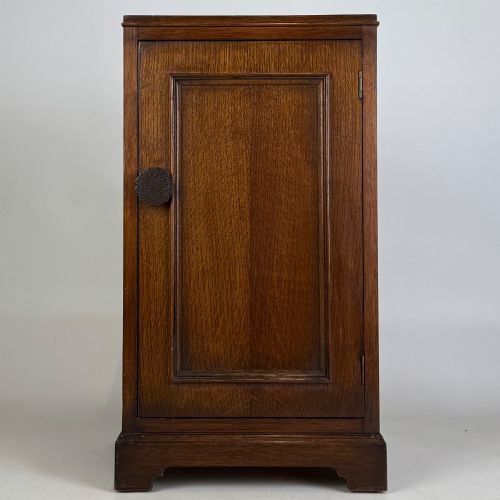
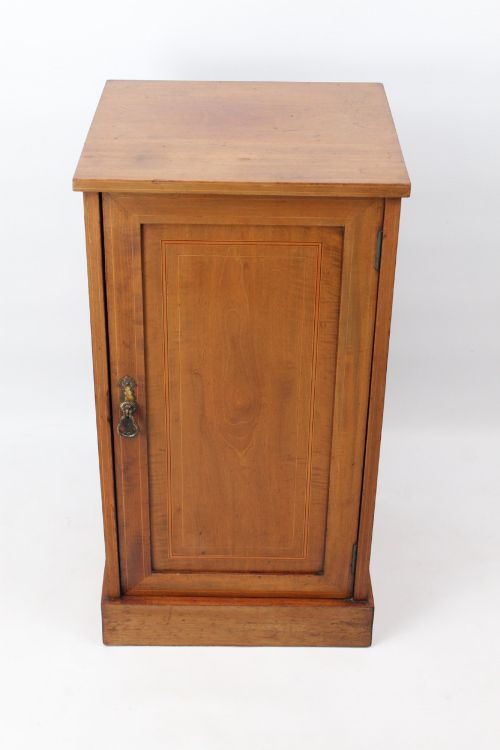
- A traditional term for a small bedside cabinet featuring a single door enclosing a shelf or space for a chamber pot. They appear frequently in nineteenth-century oak and mahogany.
- Inlay
- A technique where contrasting woods like satinwood are inserted into the primary timber surface to create decorative patterns. Edwardian cabinet makers used this extensively on mahogany furniture.
- Marquetry
- Elaborate veneer patterns arranged to form pictorial or geometric designs on furniture surfaces. French lamp tables and commodes frequently display this decorative method.
- Ormolu
- Gilt-bronze mounts applied to furniture for decorative effect, common on French mahogany and walnut pieces. It adds metallic contrast to the brown wooden surfaces.
Brown Wooden Bedside Cabinets: Frequently Asked Questions
What is a brown wooden bedside cabinet?
A brown wooden bedside cabinet is a small piece of bedroom furniture designed to hold night-time essentials, typically featuring a cupboard door, drawers, or an open shelf.
They appear in various woods like mahogany, oak, and walnut across Victorian, Edwardian, and Art Deco periods.
How were bedside cabinets used historically?
Historically, these cabinets stored chamber pots, night-time lighting, and personal items within arm's reach of the bed.
Over time, their internal layout shifted from utilitarian pot cupboards to multi-drawer chests and lamp tables.
How do I identify an Edwardian bedside cabinet?
Edwardian bedside cabinets often feature lighter mahogany construction enhanced by delicate satinwood inlay or stringing. They typically date from around nineteen hundred to nineteen-ten.
Their proportions tend to be neat and upright, reflecting the domestic styles of the period.
Are bedside cabinets found in matching pairs?
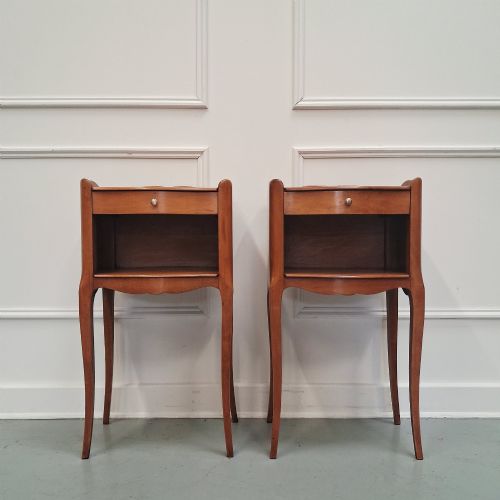
Yes, many listings include pairs of bedside tables or chests created to flank a double bed symmetrically. These matched sets span Victorian, Edwardian, and nineteen-thirties production.
Finding a matching pair remains a traditional priority for bedroom placement.