


Brown Wooden Bar
A brown wooden bar encompasses seating and serving pieces in mahogany, oak, and elm spanning the Georgian to Art Deco periods.
Brown Wooden Bar
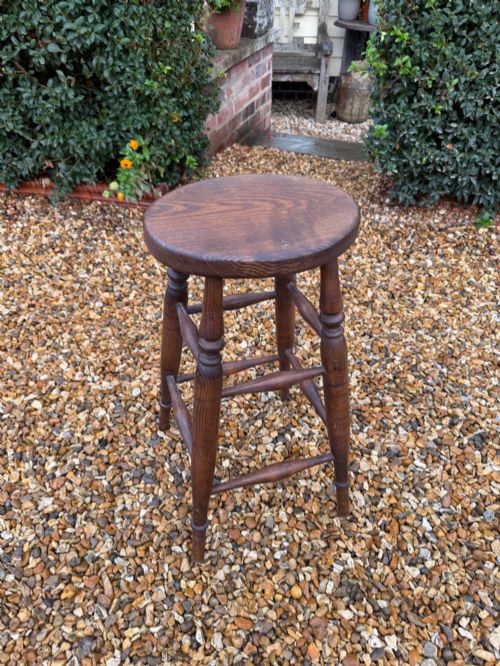
Buyers will most frequently encounter nineteenth-century tavern stools, bar back chairs, and mid-twentieth-century drinks cabinets or trolleys. The selection bridges formal domestic dining furniture with commercial hospitality seating and mobile refreshment storage.
The periods represented stretch from the Georgian era through Victorian, Edwardian, and Art Deco times, offering pieces suited for both traditional interiors and vintage hospitality settings.
Materials and construction methods
Makers utilised solid timbers including mahogany, oak, elm, sycamore, and laburnum to build these chairs, stools, and serving pieces. Grain patterns and natural wood tones define the primary surfaces, often complemented by brass studs, metal fixtures, and occasional leather or fabric elements.
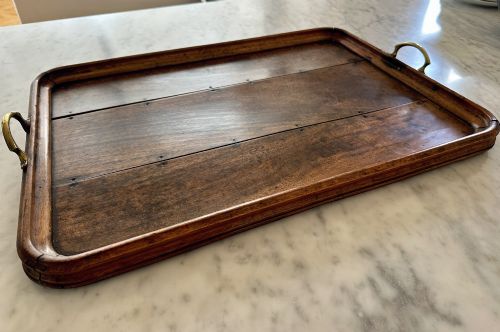
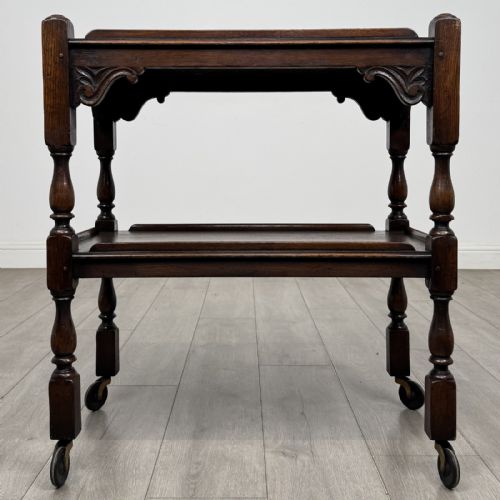
Construction techniques rely on traditional joinery suited to heavy use, particularly in pub and tavern stools featuring dished wooden tops or tall frames. Trolleys and drinks cabinets incorporate tiered shelving, removable trays, and wheels designed for serving utility.
Brown Wooden Bar Retail Price Guide 2026
Typical asking prices for brown wooden bar among the pieces listed under this phrase on Sellingantiques today, from the lower quarter to the upper quarter. They describe what is for sale here now, not the wider market.
Some nineteenth-century tavern stools feature deeply dished wooden tops shaped entirely by the persistent seating of countless patrons.
Distinctions in quality
Quality in these pieces rests upon the selection of timber, such as figured walnut, dense mahogany, or well-seasoned wild elm. Superior examples display refined turning on stool legs and clean joinery on bar back chairs and drinks cabinets.
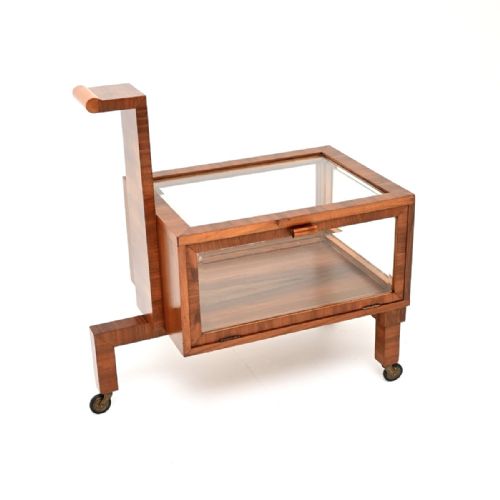
The finesse of secondary details, including brass studding, integrated trays, and metamorphic mechanisms on Art Deco bar carts, separates standard utility items from finer workshop productions.
Incorporall
The Brown Wooden Bar Glossary
- Bar back chair
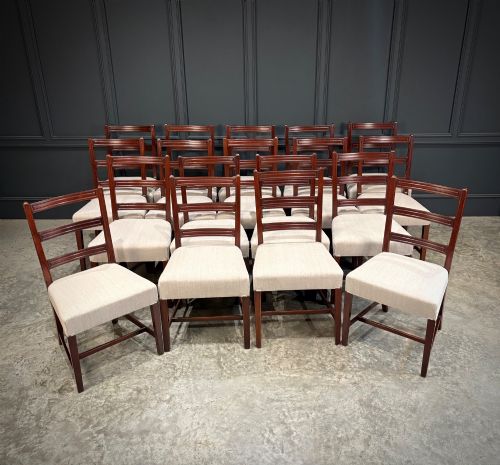
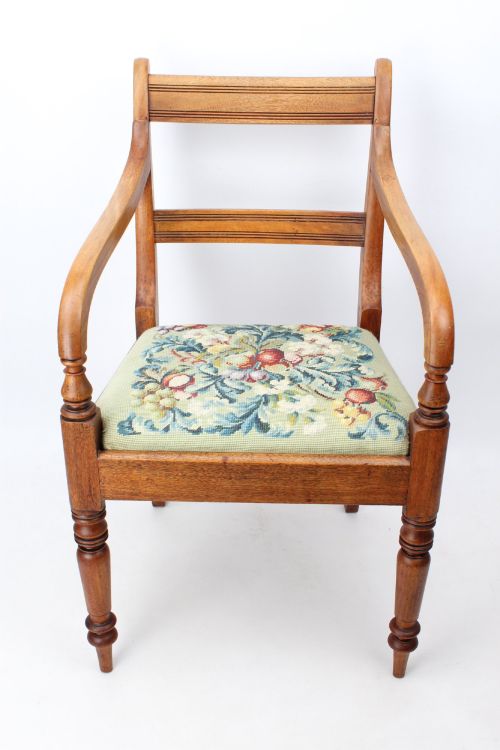
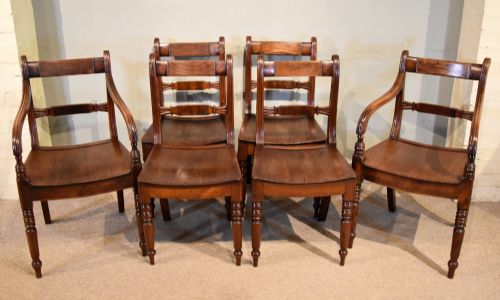
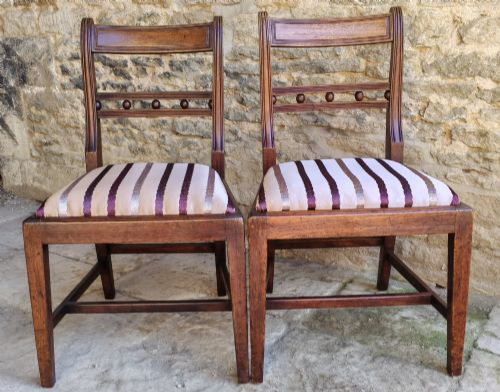
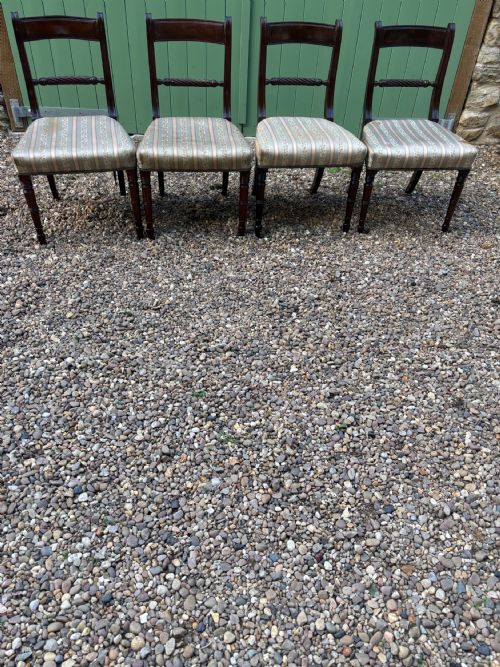
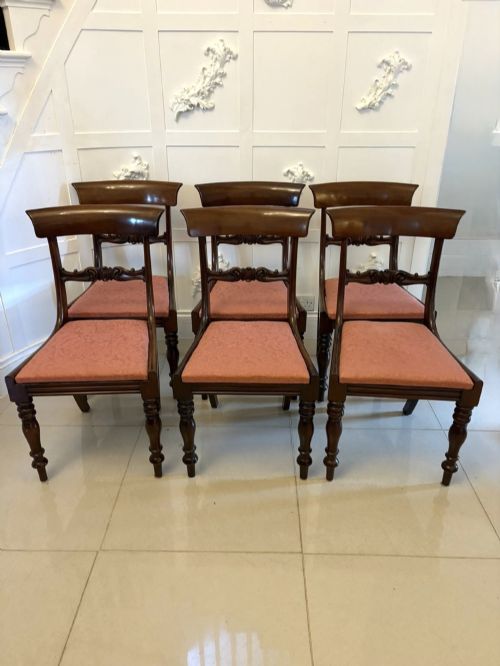
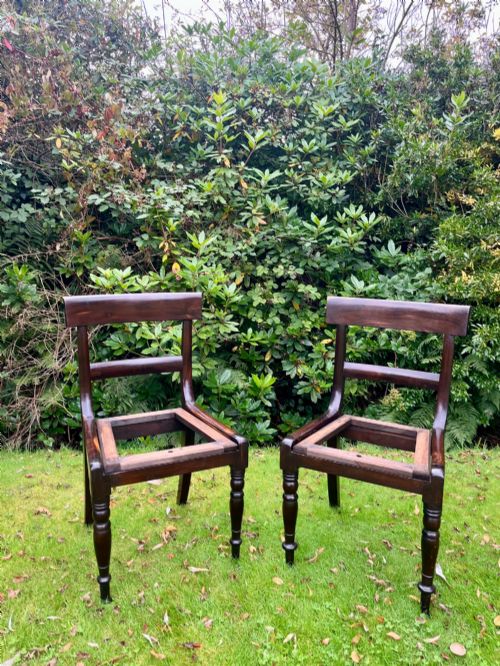
- A dining chair or armchair featuring a horizontal wooden top rail resembling the curved rail of a traditional bar seat. These chairs frequently date from the Georgian, Regency, and William IV periods.
- Pub stool
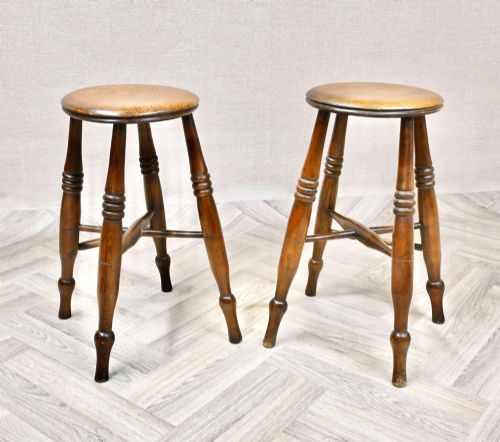
- A tall, sturdy wooden stool constructed for tavern or public house seating. They often feature elm or sycamore seats, sometimes with dished or oval tops for comfort.
- Drinks trolley
- A mobile serving cart with two or three tiers used for holding bottles and glassware. Popularised during the Edwardian and Art Deco periods in mahogany and walnut.
- Wellington chest
- A tall, narrow chest of drawers secured by a locking hinged side pilaster. These pieces typically emerge in mahogany during the nineteenth century.
Brown Wooden Bar: Frequently Asked Questions
What is a bar back chair?
A bar back chair is a seating form featuring a distinct curved horizontal wooden top rail across the backrest. These chairs appear frequently in Georgian, Regency, and William IV styles.
They were designed for dining rooms and domestic spaces, offering sturdy construction and classic proportions that complement traditional tables.
How were tavern stools used?
Tavern stools served as tall seating options in nineteenth-century public houses and commercial establishments. Their elevated heights allowed patrons to sit comfortably at counters or high tables.
Built from robust timbers like elm and sycamore, they frequently feature plain or dished wooden seats designed to withstand heavy daily use.
How do I identify a Wellington chest?
A Wellington chest is a tall, narrow set of drawers characterised by a locking wooden arm or pilaster on one side. This bar secures all the drawers simultaneously when locked.
Originating in the nineteenth century, these chests are usually made from mahogany and provide deep storage within a compact floor footprint.