



Brown Wooden Artwork
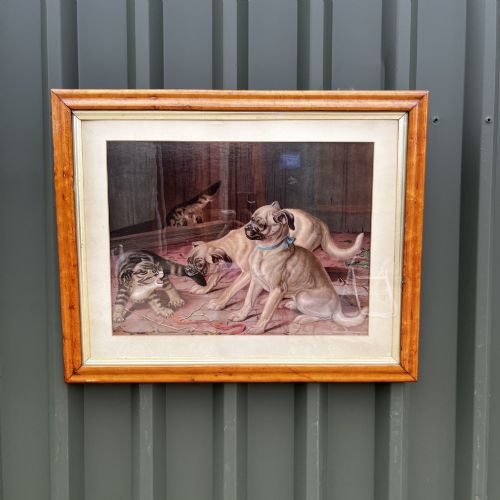
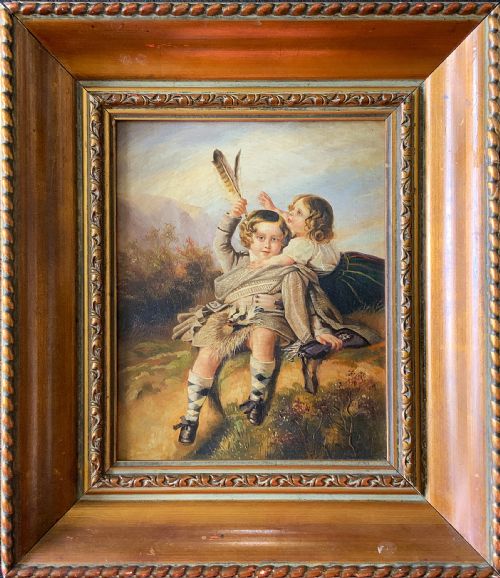
Brown wooden artwork encompasses framed paintings, carved panels, and watercolours set in timber frames spanning the seventeenth to twentieth centuries.
Brown Wooden Artwork
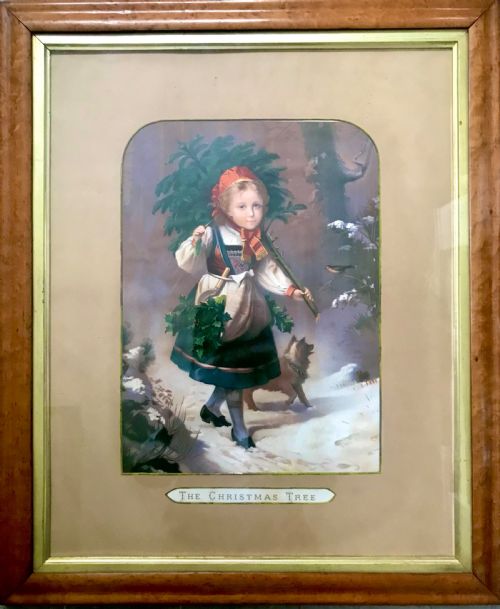
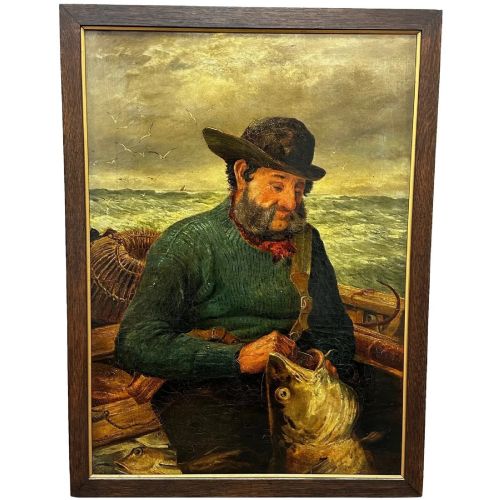
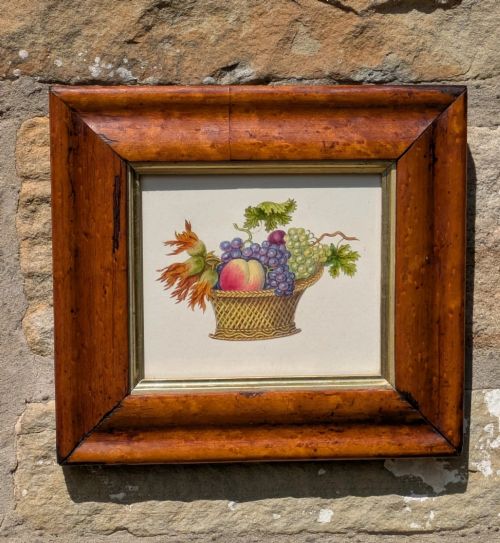
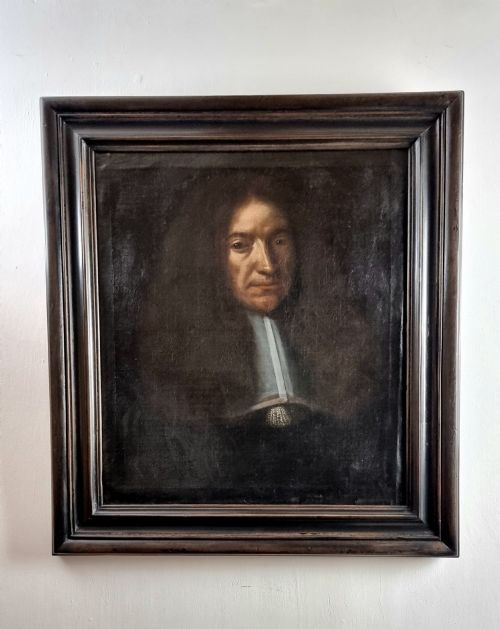
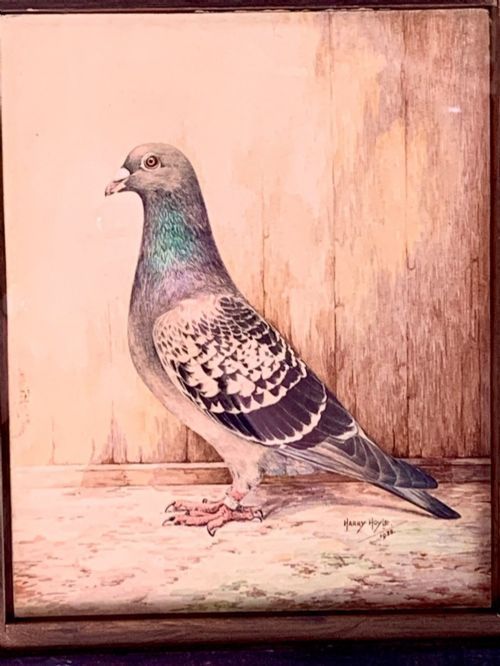
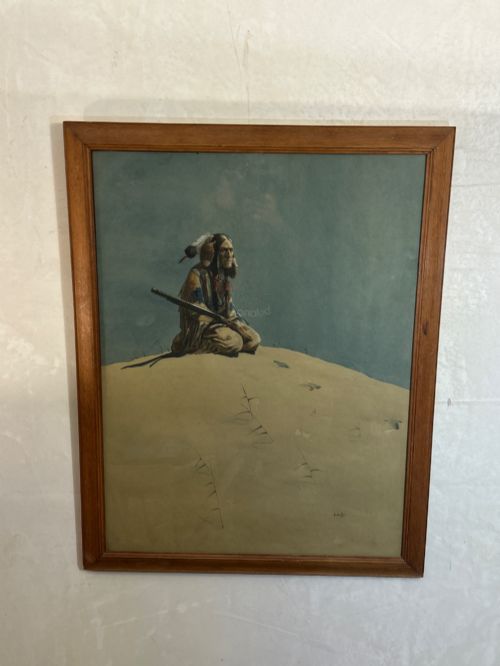
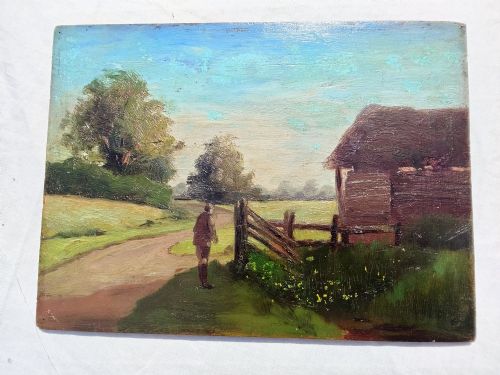
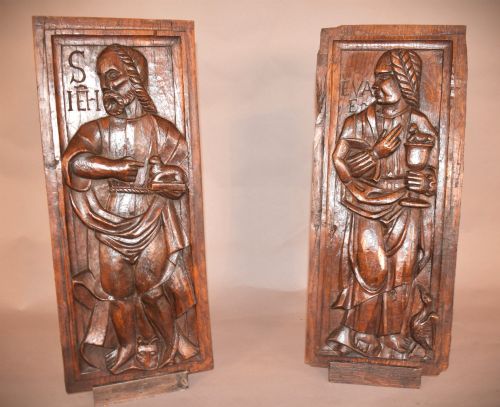
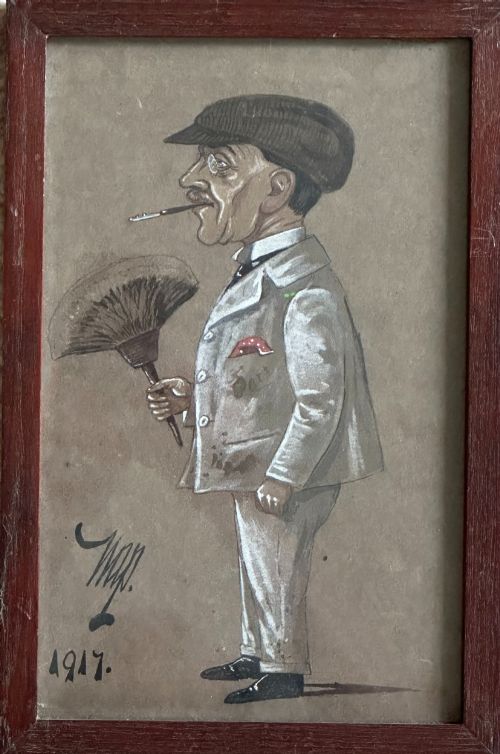
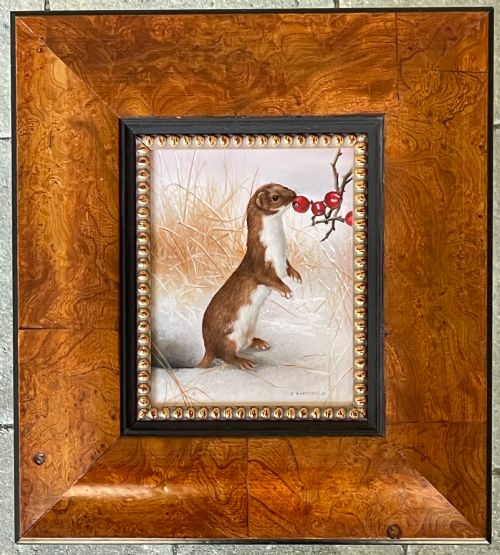
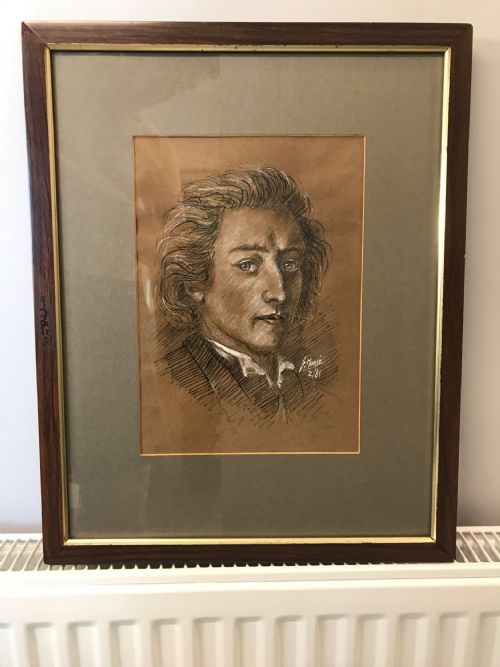
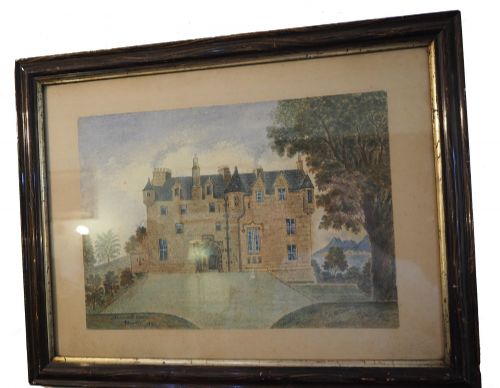
Brown wooden artwork covers a diverse selection of painted, carved, and illustrated pieces connected by their timber panels or wooden frames. Buyers exploring brown wooden artwork encounter oil paintings on pine or wooden board, carved lime wood figures, and detailed watercolours housed in period frames.
How they were made
Makers utilised traditional supports including pine panels, lime wood, canvas laid onto board, and heavy paper, applying oil paint, watercolour, gouache, or ink wash by hand. Carved pieces demonstrate skilled hand-chiselling on dense timber surfaces.
Framing forms an integral part of the construction, employing moulded and carved timber to house paintings, prints, and embroideries securely.
Brown Wooden Artwork Retail Price Guide 2026
Typical asking prices for brown wooden artwork among the pieces listed under this phrase on Sellingantiques today, from the lower quarter to the upper quarter. They describe what is for sale here now, not the wider market.
Listings feature works across the eighteenth, nineteenth, and twentieth centuries, using oil, watercolour, gouache, and carved timber.
What varies in quality
Quality rests upon the execution of the painting or carving, distinguishing competent regional work from master execution by documented artists. Pigment preservation and the original integrity of the wooden support or carved relief determine the enduring standard of the piece.
The harmony between the artwork and its period timber frame influences the overall integrity, alongside the clarity of brushwork in oils and watercolours.
Carl Whitfield·Horatio Henry Couldrey·Gustave De Bréanski·William Williams·George E Sharpe·Henri Joseph Pauwels·Edwin Hughes·George Weatherill
The Brown Wooden Artwork Glossary
- Lime Wood
- A fine-grained timber favoured by carvers for its softness and even texture, allowing intricate detail in figures and relief panels.
- Gouache
- An opaque water-based paint that provides solid, matte colour application, frequently seen in Mughal and nineteenth-century works.
- Chromolithograph
- A multicoloured planar printing method used in the nineteenth century to reproduce artworks with rich tonal variation.
- Pine Panel
- A rigid wooden board utilised as a stable painting surface before stretched canvas became dominant.
- Encaustic
- A technique involving heated beeswax mixed with coloured pigments, applied to canvas to create textured compositions.
Brown Wooden Artwork: Frequently Asked Questions
How do I identify wooden panel paintings?
Examine the reverse of the artwork to check for timber grain, natural bowing, and historical tool marks. Panel paintings use solid wood supports rather than woven fabric.
Older panels often exhibit shrinkage cracks and carpenter's marks that confirm their age and authenticity.
Where should I hang these artworks?
Position them away from direct sunlight and strong heat sources to protect sensitive watercolours, gouache, and oil pigments. Stable indoor humidity prevents timber frames and wooden panels from warping.
Pair carved wooden panels with plain walls to highlight the depth of the relief work.
How do I care for wooden frames?
Dust timber frames gently with a dry, soft brush to remove surface particles without disturbing aged patination. Avoid applying liquid polishes or chemical cleaners to historic wood and gilt surfaces.
Inspect hanging wires periodically to ensure the weight of the wooden frame is supported safely.
What is the difference between oil and watercolour?
Oil paint utilises slow-drying binders that allow rich blending and deep surface texture on canvas or wooden boards. Watercolour applies transparent pigments onto paper, creating luminous effects that require protective glass.
Oils are generally more resilient to light exposure than watercolours on paper.