

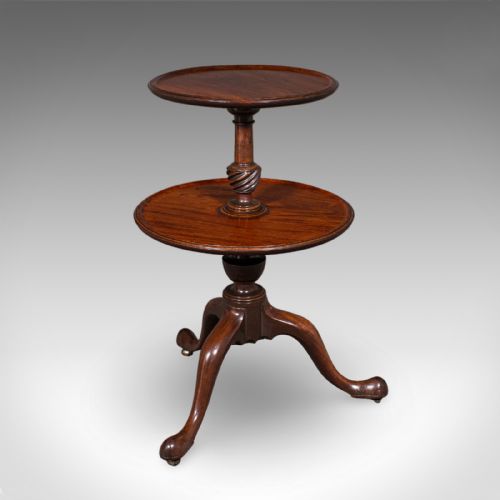


Brown Wood Tray Stand
These brown wood tray stand pieces combine practical service with period craftsmanship, offering a functional surface for any room.
Brown Wood Tray Stand
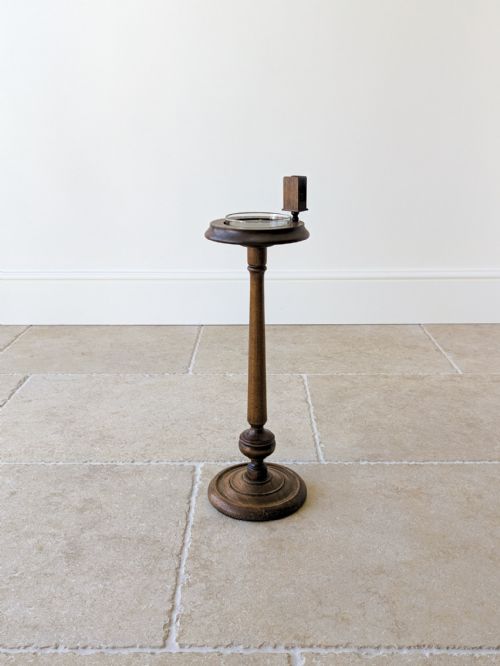
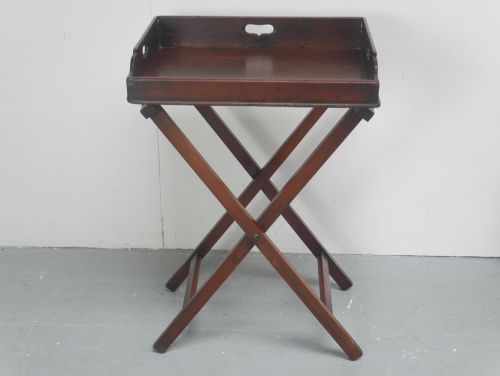
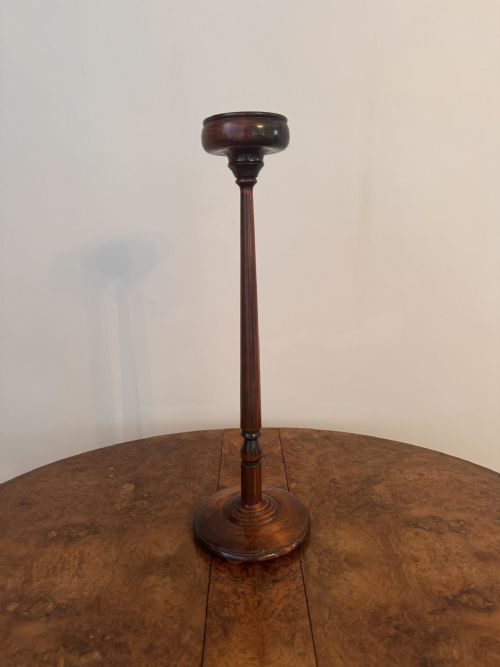
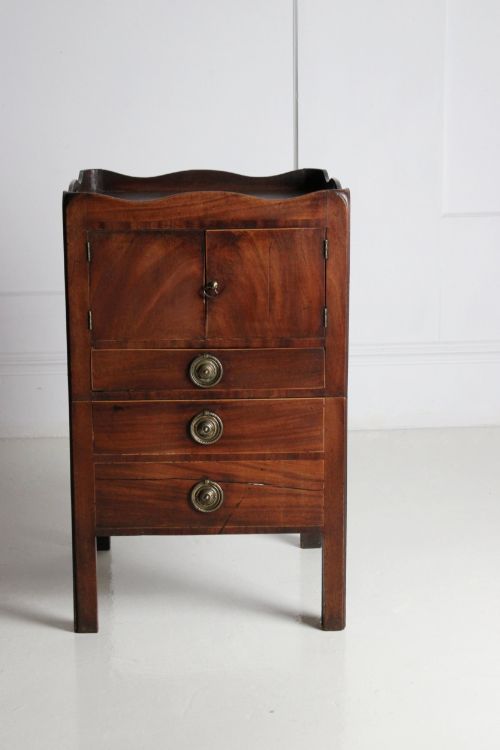
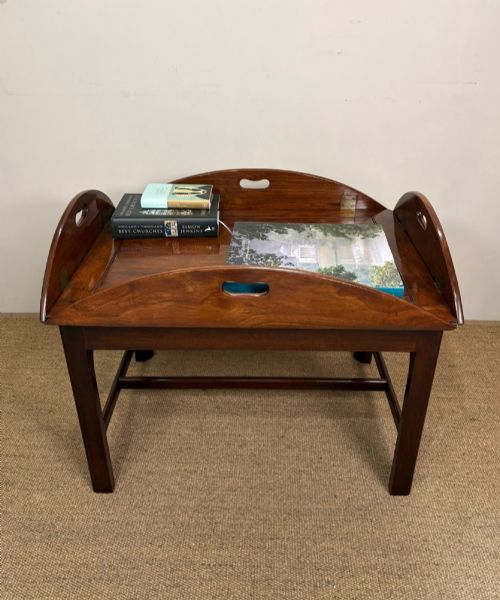
A brown wood tray stand brings together versatile furniture forms from the eighteenth, nineteenth, and early twentieth centuries. Buyers searching for a brown wood tray stand encounter various interpretations, most commonly butler's trays on folding bases, smoking stands, and occasional serving tables.
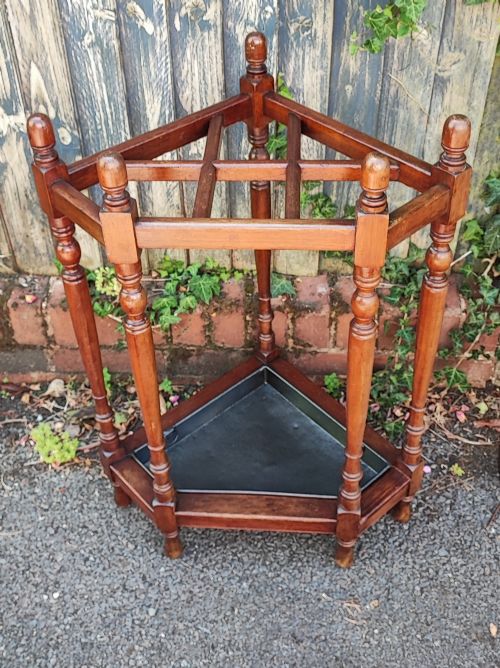
The selection ranges from George III mahogany examples to Edwardian iterations and Victorian oak pieces. These items serve multiple domestic functions, operating as serving surfaces, umbrella holders, or display tables depending on their specific form.
Materials and Construction
Cabinetmakers utilised dense timbers such as mahogany, oak, walnut, and teak, often selecting Cuban mahogany or figured hardwoods for superior pieces. Joinery techniques varied from traditional dovetailing on tray edges to sturdy mortise and tenon joints on floor-standing frames.
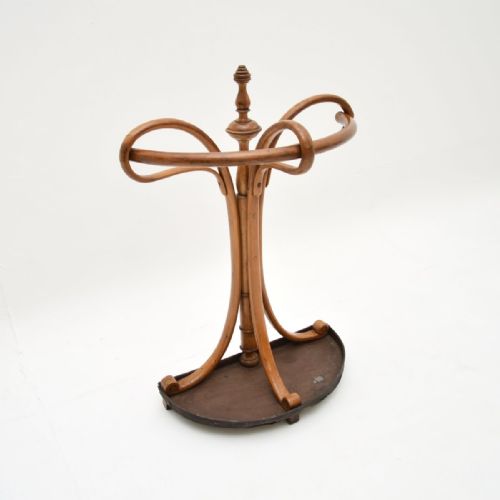
Secondary materials like brass hinges, copper tops, and glass inserts appear on specific utilitarian forms. Turned wooden spindles, carved details, and bent beechwood provide structural support and decorative definition across different regional styles.
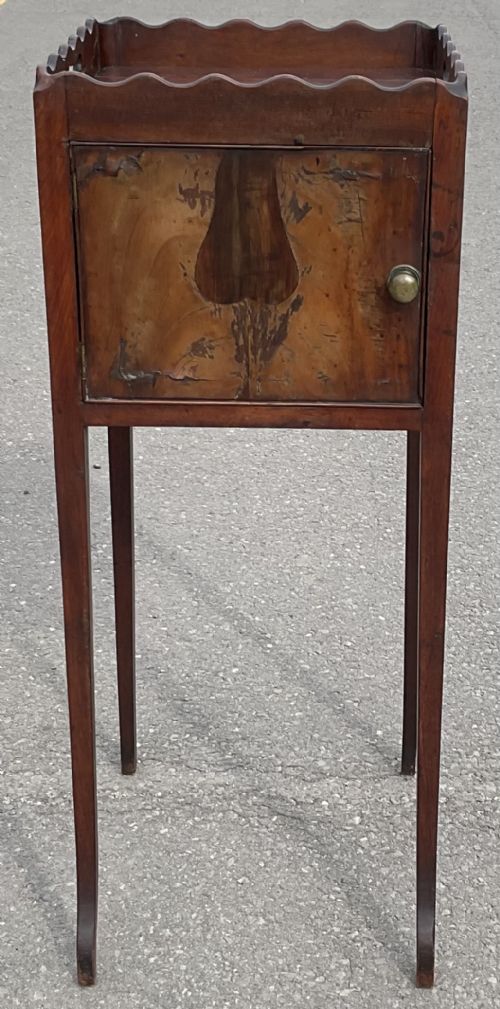
Form variations include umbrella stands, dumb waiters, butler's trays, and smoking stands constructed in various woods.
Distinctions in Quality
Timber selection dictates the baseline quality, with well-figured grain and solid hardwood construction marking superior items. Finer examples display crisp hand-carving, well-fitted hinges, and proportional folding stands that remain rigid when assembled.
The integration of the tray with its base reveals the maker's intent, where bespoke stands match the patination and timber of the removable top. Later or utilitarian pieces often show simpler construction methods and more modest wood selection without diminishing their structural utility.
Thonet·Gillows
The Brown Wood Tray Stand Glossary
- Butler's tray
- A removable wooden tray with hinged or shaped sides, designed to sit upon a folding X-frame stand for serving. This form originated in domestic dining spaces.
- Smoking stand
- A floor-standing piece designed during the Victorian and Edwardian eras to hold smoking paraphernalia, often incorporating built-in trays and compartments. These items frequently utilise mahogany or oak.
- Dumb waiter
- A multi-tiered serving stand used in dining rooms to hold food and utensils without requiring servant attendance. Examples span the Georgian and Regency periods.
- Marquetry
- The art of applying decorative veneer pieces to a structure to form intricate designs. This technique appears on tabletops from the Edwardian period.
- Bent beechwood
- Wood softened by steam and bent into curved structural forms, famously utilised by makers like Thonet. This technique created lightweight umbrella and stick stands.
Brown Wood Tray Stand: Frequently Asked Questions
What is a butler's tray stand?
A butler's tray stand consists of a portable wooden tray resting on a collapsible or fixed wooden base. It was traditionally used for serving food and drinks in formal households.
Today, these pieces function well as portable side tables or serving surfaces in modern living spaces.
How do I date a wooden tray stand?
Dating relies on identifying the timber species, joinery methods, and stylistic cues associated with periods like Georgian, Victorian, or Edwardian. Earlier pieces often feature solid mahogany and hand-cut joinery.
Later Edwardian examples may show machine-assisted production or specific veneer work characteristic of the early twentieth century.
Are these stands sturdy enough for daily use?
Most antique wooden stands are constructed from durable hardwoods like oak or mahogany, designed to bear weight securely. Folding mechanisms on tray stands remain functional when properly maintained.
Placing them on level flooring prevents undue stress on the joints during everyday use.
How should I maintain antique wood surfaces?
Maintenance involves dusting with a dry, soft cloth and occasionally applying traditional beeswax to nourish the timber. Avoid placing wooden stands in direct sunlight or near heat sources to prevent cracking.
Promptly wiping up moisture protects the original polish and grain of the wood.