
Brown Wood Standing Lamp
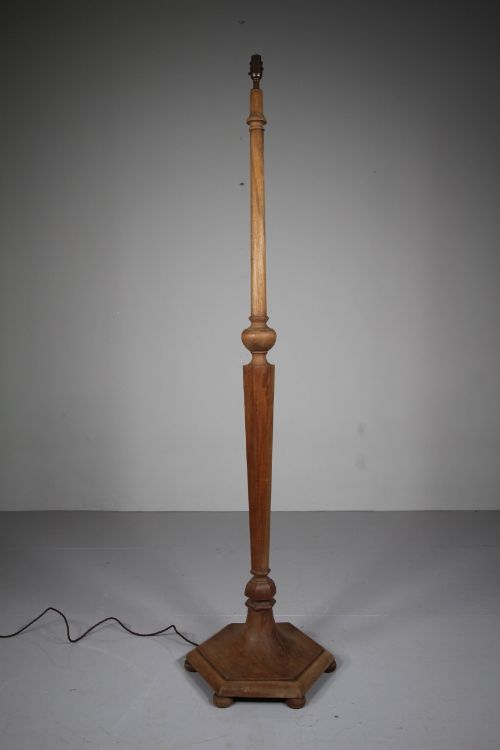
A brown wood standing lamp provides height and warm illumination, bringing both utility and traditional character to a room.
Brown Wood Standing Lamp
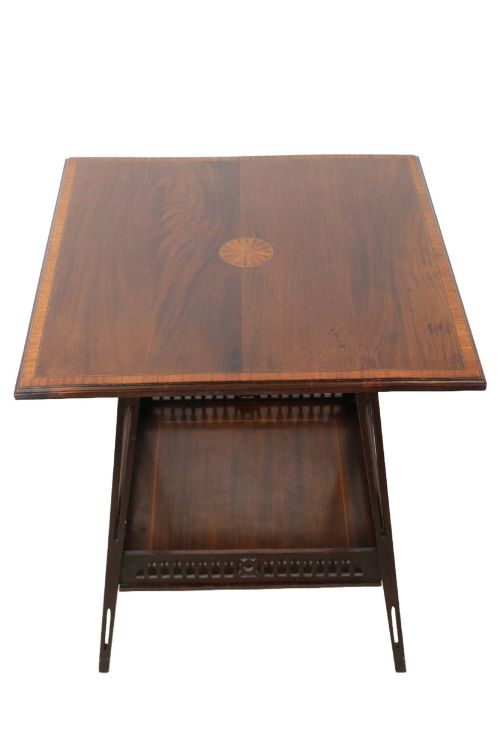
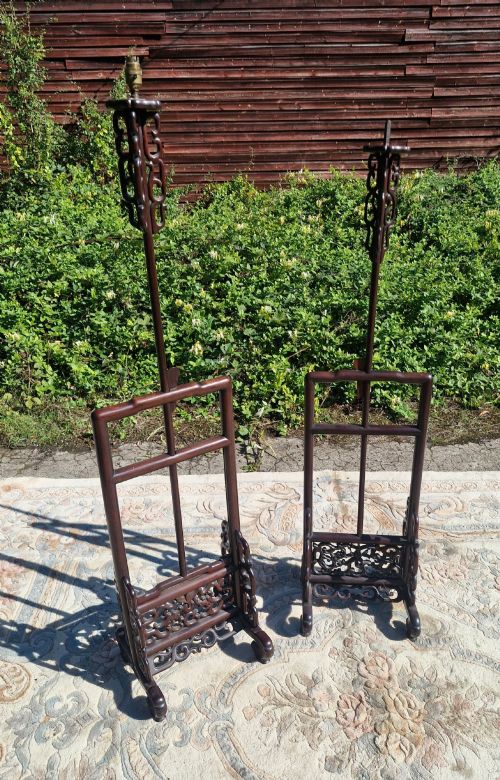
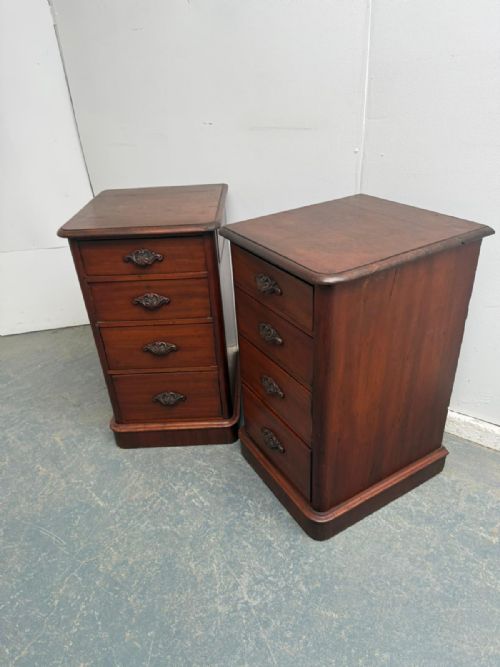
A brown wood standing lamp serves as a functional source of illumination while functioning as a substantial piece of interior furnishing. When searching for a brown wood standing lamp, buyers encounter pieces primarily originating from the Edwardian, Victorian, and Georgian periods, alongside later twentieth-century examples.
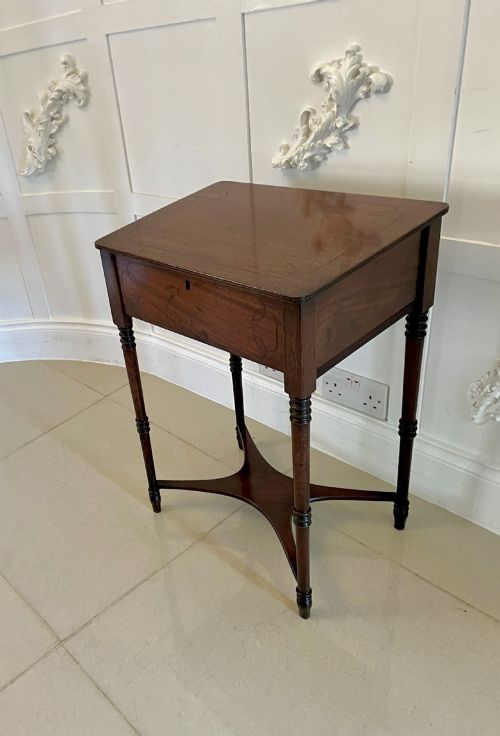
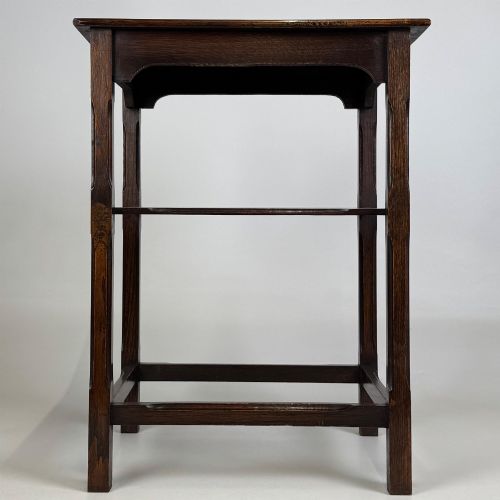
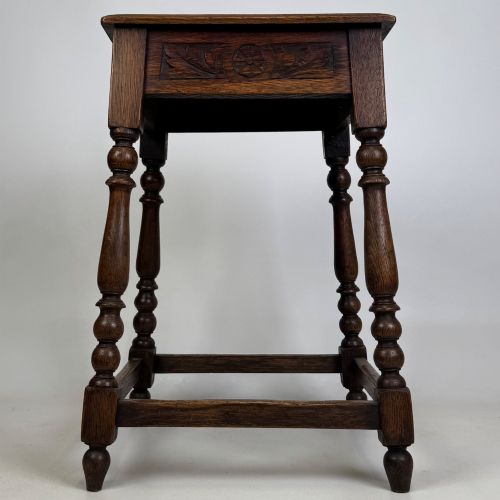
The material palette of these pieces relies heavily on mahogany, oak, and walnut, often shaped into standard lamps, adjustable lamp standards, and occasional tables that double as lamp supports. These items reflect traditional craftsmanship from various decades spanning the nineteenth and twentieth centuries.
Makers and workshops of the past utilised durable hardwoods to construct tall lighting supports and companion tables designed for domestic sitting rooms and libraries. The selection on this page demonstrates how domestic lighting evolved alongside evolving furniture styles.
Materials and construction
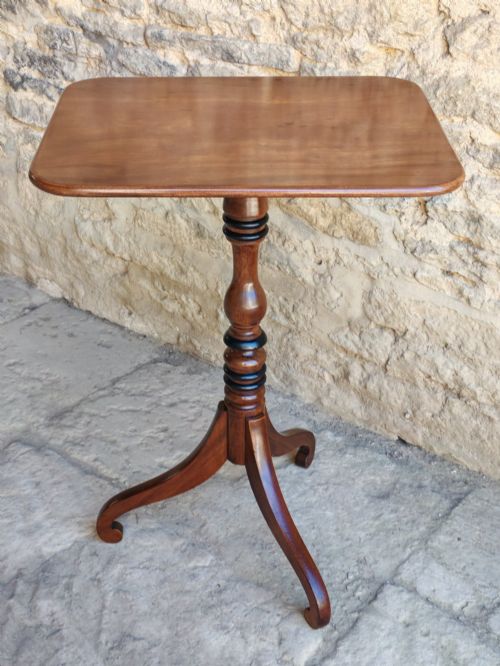
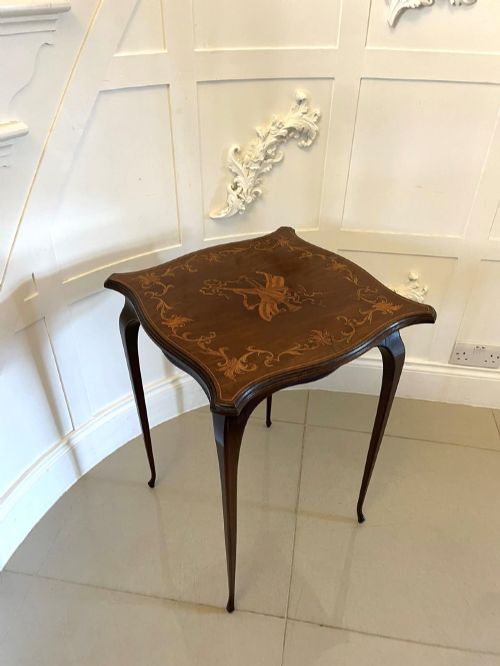
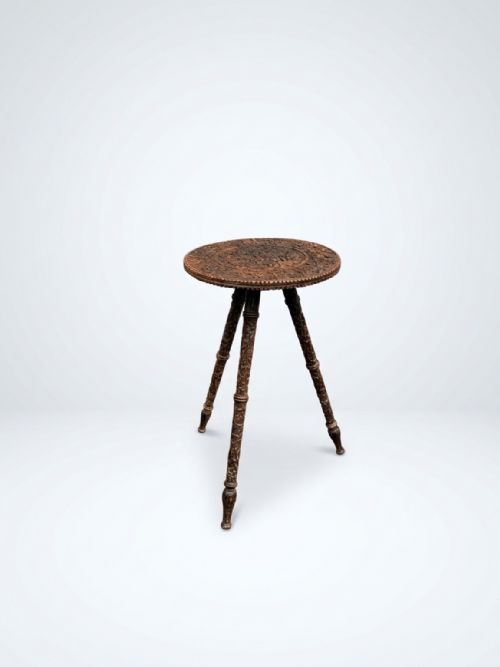
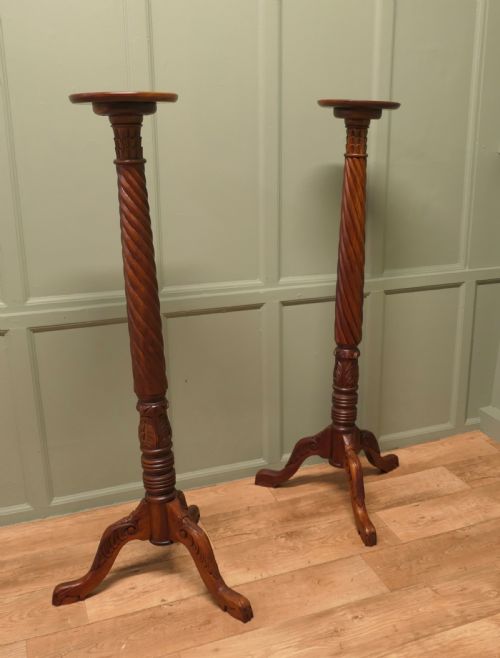
Makers constructed these lighting supports and tables using solid hardwoods such as mahogany, oak, and walnut, frequently incorporating brass fittings for adjustable elements. Cabinetmakers shaped the timber on lathes or carved details by hand to produce fluted columns, barley twists, and tripod bases.
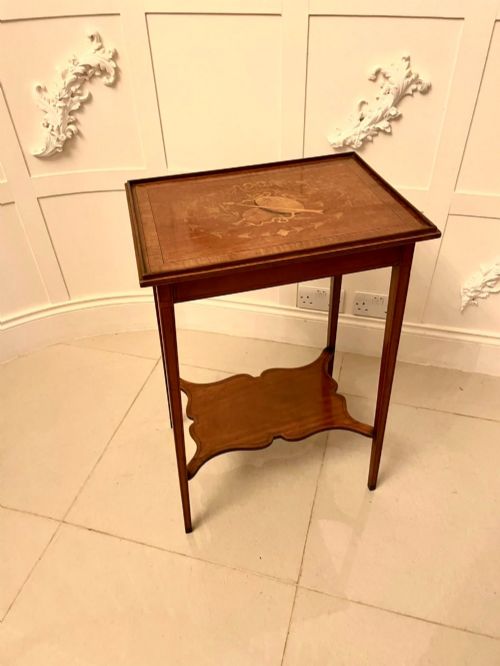
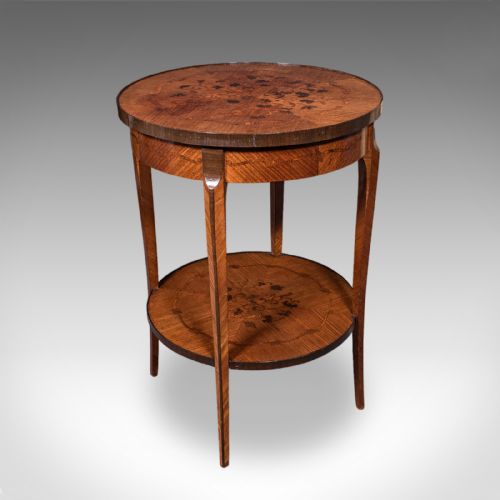
Surface treatments typically involved wax finishing or polishing to enhance the natural grain of the wood. Inlaid details using lighter timbers like satinwood added decorative contrast to darker mahogany or walnut surfaces.
Listings feature woods such as mahogany, oak, walnut, and satinwood across Edwardian, Victorian, and Georgian periods.
Evaluating construction and finish
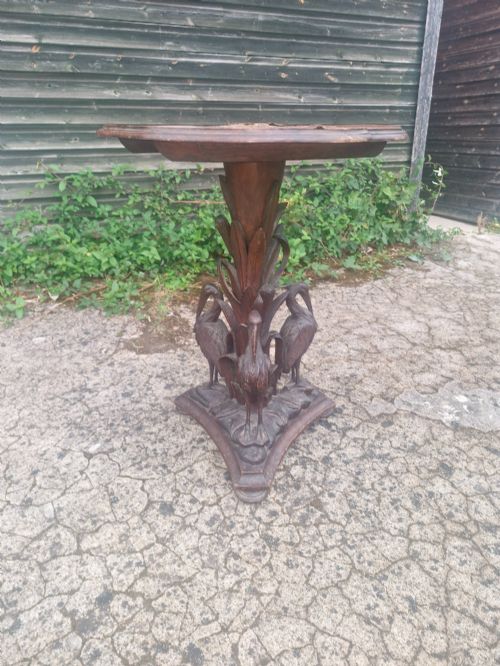
The standard of a brown wood standing lamp depends upon the selection of timber and the precision of its joinery. Heavier, solid hardwood bases provide greater stability than lighter veneer alternatives, while hand-carved decorative motifs display sharper definition than mass-produced mouldings.
Finishing techniques also distinguish finer examples, where traditional hand-polished wax preserves the depth of the wood grain. The integration of adjustable brass mechanisms demonstrates superior mechanical execution in standard lamps.
Trevor Page & Co·Liberty of London·Hubert Simpson of Kendal
The Brown Wood Standing Lamp Glossary
- Standard lamp
- A tall floor lamp designed to stand upright on the floor without requiring a table surface. These pieces provide ambient room illumination.
- Tripod table
- A small occasional table supported by three individual legs diverging from a central pillar. This form offers stable placement on uneven period floorboards.
- Barley twist
- A decorative woodworking technique producing a helical spiral carved along the length of a vertical pillar or table leg. This style appears frequently on Edwardian oak furniture.
- Inlay
- A decorative technique where contrasting pieces of wood or metal are inserted into recesses cut into the primary surface. Satinwood frequently provides contrast on darker mahogany bodies.
- Etagere
- A set of open shelves supported by slender columns, used for displaying decorative objects or small lamps. These pieces emphasise vertical storage in compact rooms.
Brown Wood Standing Lamp: Frequently Asked Questions
How do I identify an Edwardian wooden lamp?
Edwardian lighting pieces frequently display lighter mahogany or oak construction, sometimes featuring delicate inlaid satinwood motifs or barley twist turnings. These items date from the early years of the twentieth century.
They reflect a lighter aesthetic compared to heavy Victorian designs, often incorporating transitional styles that bridge nineteenth-century proportions with twentieth-century utility.
Where should I place a standing lamp?
These lamps suit corners of living rooms, beside reading armchairs, or adjacent to heavy period sideboards to create layered ambient lighting. Their vertical presence adds height to empty wall spaces.
Ensure the base rests upon a level surface, particularly with antique tripod designs, to maintain proper vertical balance.
Are these lamps adjustable?
Certain standard lamps and lamp standards feature adjustable brass mechanisms that allow the height of the light source to be altered. These metal components were engineered during manufacture.
Such adjustments provide versatility for direct task reading or broader room illumination depending on the user's requirements.
What woods were used for these lamps?
Makers relied principally on mahogany, oak, and walnut as the foundational timbers for standard lamps and companion tables. These dense hardwoods ensured structural stability for tall vertical columns.
Secondary woods and veneers like satinwood appeared primarily for decorative inlay work rather than structural support.