




Brown Wood Specimen Chest
These brown wood specimen chests are small, purposeful cabinets designed to hold precious objects, bringing quiet order and fine timber figure into any room.
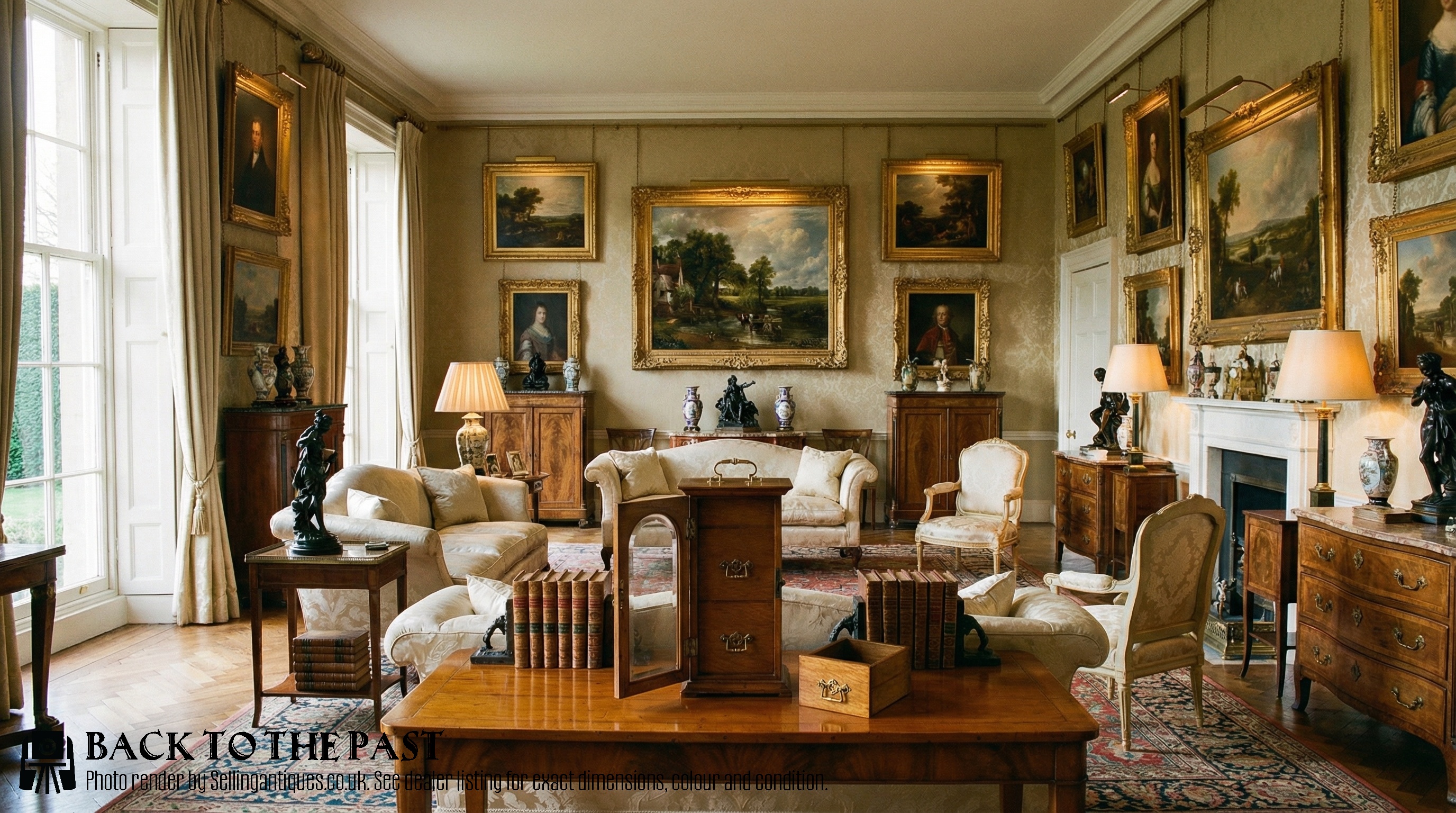
Brown Wood Specimen Chest
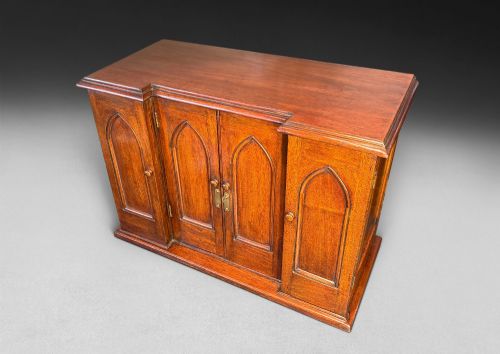
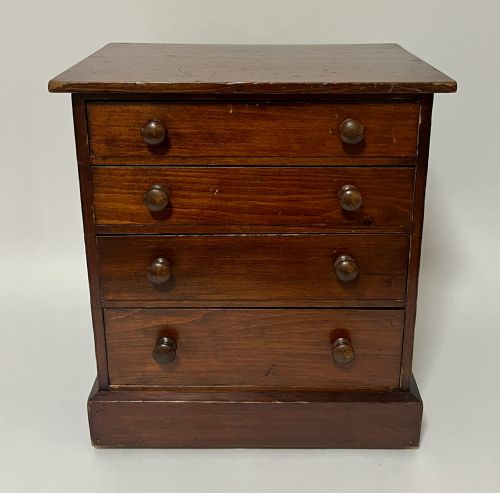
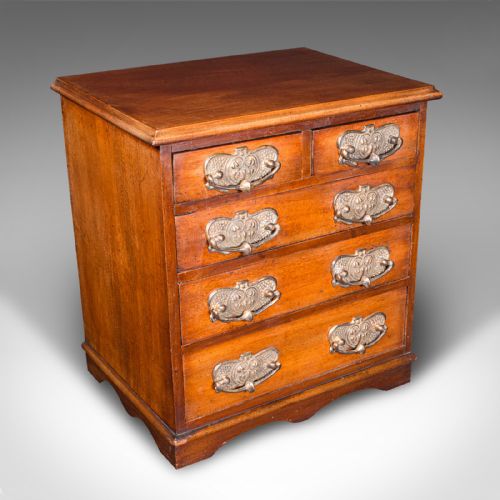
A brown wood specimen chest is a compact storage piece intended for natural history collections, small curiosities, and miniatures, often taking the form of a miniature chest of drawers or a tabletop cabinet. When you search for this phrase, you encounter pieces primarily from the Victorian and Georgian periods, alongside Edwardian and later examples.
The materials you meet most frequently on this page include mahogany, oak, and pine, sometimes enhanced with satinwood or amboyna. These cabinets range from simple apothecary drawers and watch repairer's cases to elaborate glazed collectors' cabinets with numerous small drawers.
How they were made
Cabinet makers utilised dense hardwoods such as mahogany, oak, and walnut, often selecting figured veneers to create striking drawer fronts and polished exterior surfaces. Brass fittings, including recessed carrying handles, campaign locks, and small turned knobs, appear regularly to secure and transport these heavy, compact items.
Internal construction involved precise joinery to house multiple shallow drawers, sometimes fitted with glass fronts or divided compartments designed to protect delicate items. Secondary timbers like pine appear on drawer linings and carcases, reflecting traditional workshop practices of the eighteenth and nineteenth centuries.
Mahogany, oak, and pine form the primary structural materials across the current selection.
What varies in quality
The distinction between standard utility storage and superior cabinet work lies in the choice of timber figure, such as well-matched mahogany or amboyna, and the precision of the drawer construction. Better examples feature tight dovetail joints, original brass hardware, and intact glass doors that operate smoothly within heavy timber frames.
Proportion and decorative restraint set apart the finer pieces, particularly where inlay or Gothic Revival elements are integrated with balance. The presence of original fitted interiors for specific collecting purposes elevates the integrity of the piece.
The Brown Wood Specimen Chest Glossary
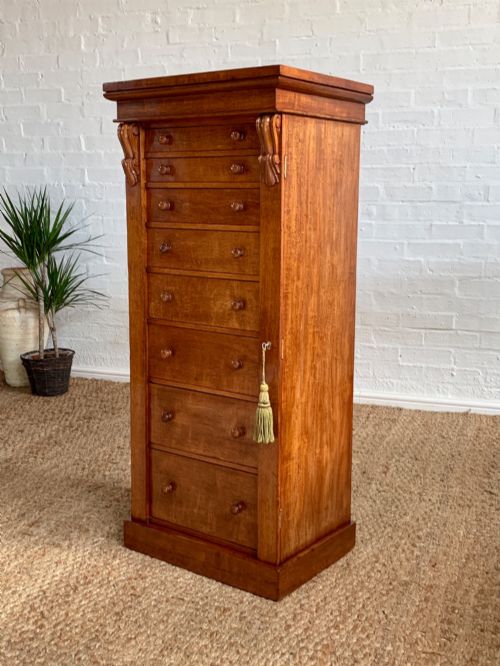
- Wellington chest
- A tall, narrow chest of drawers characterised by a hinged locking stile on one side that secures all the drawers when locked.
- Specimen cabinet
- A small piece of furniture fitted with many shallow drawers intended for storing natural history items, coins, or small collectibles.
- Apprentice piece
- A small-scale item made by a craftsman to demonstrate skill and secure entry into a trade guild.
- Figured mahogany
- Timber cut to reveal distinctive grain patterns such as flame, ripple, or fiddleback, prized for decorative cabinet surfaces.
Brown Wood Specimen Chest: Frequently Asked Questions
What were specimen chests originally used for?
These cabinets housed scientific samples, botanical specimens, shells, fossils, and small natural history collections gathered by amateur and professional naturalists.
Collectors valued the shallow drawers for organising fragile or small items safely away from light and dust.
How do I date a brown wood chest?
Dating relies on timber selection, construction methods such as hand-cut dovetails, and stylistic markers like Georgian inlay or Victorian Gothic detailing.
Secondary woods and hardware fittings also provide clear indicators of the period in which the workshop built the piece.
Where should I place a small cabinet?
Tabletop collectors' chests sit well on sturdy desks, sideboards, or dedicated stands where the top surface can be easily viewed.
Their compact footprints allow them to fit into studies and drawing rooms without dominating the floor space.
Are these chests suitable for modern storage?
The multiple shallow drawers serve well for organising modern collections, jewellery, stationery, and small everyday objects.
Their robust timber construction ensures they withstand regular handling in a contemporary home.