




Brown Wood Screen
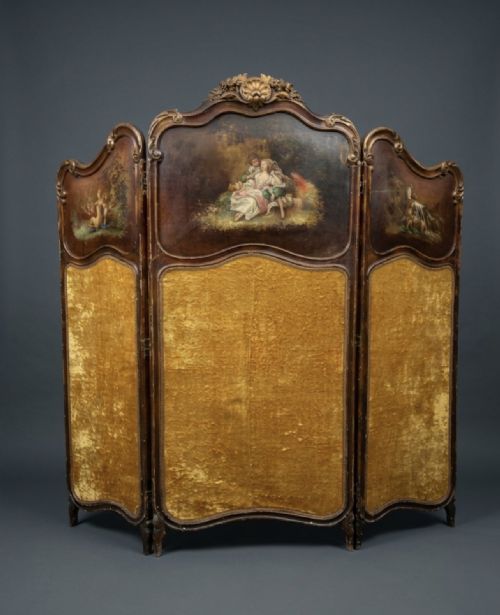
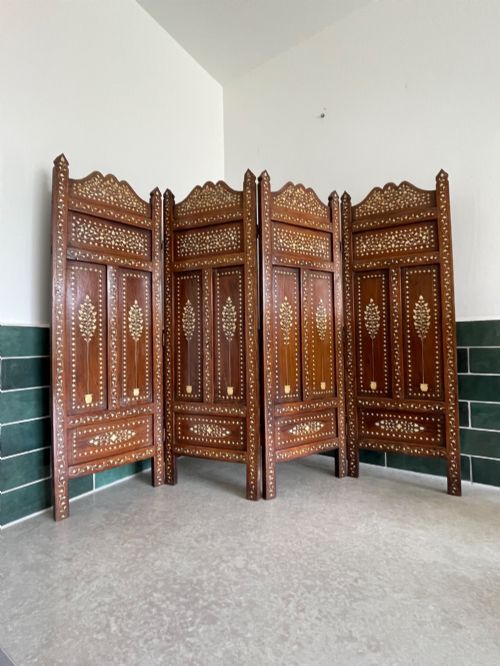
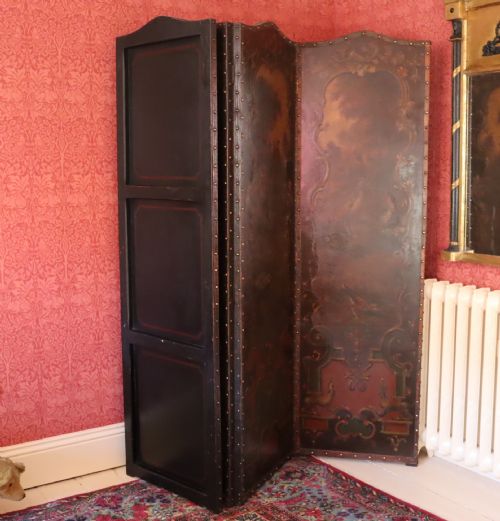
Brown wood screen pieces are functional room dividers and firesides dating from the Georgian, Victorian, and later periods, chosen for privacy and warmth.
Brown Wood Screen
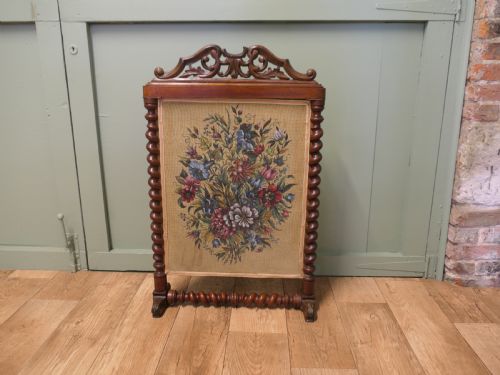
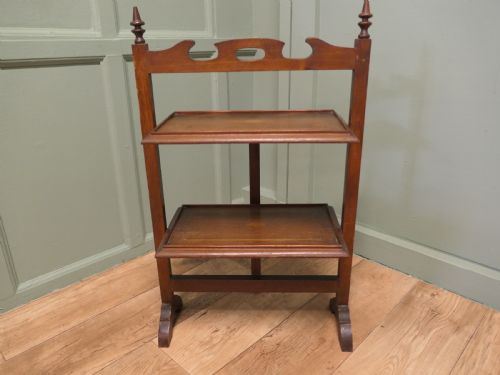
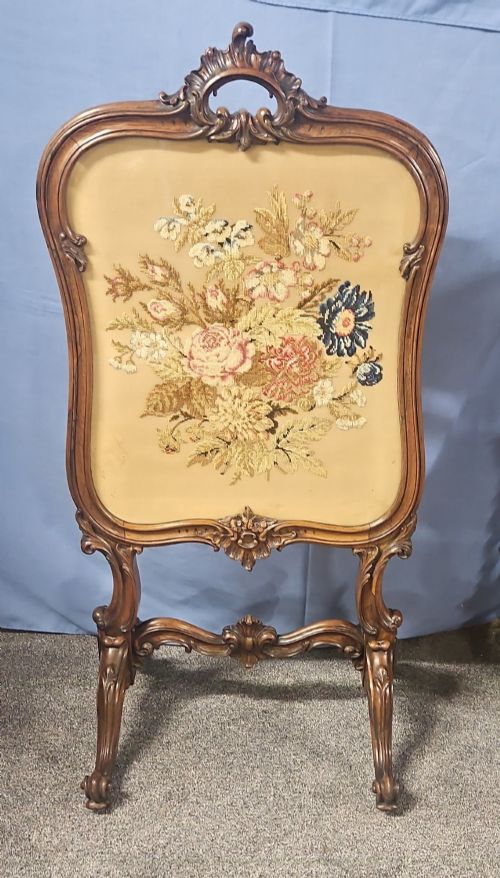
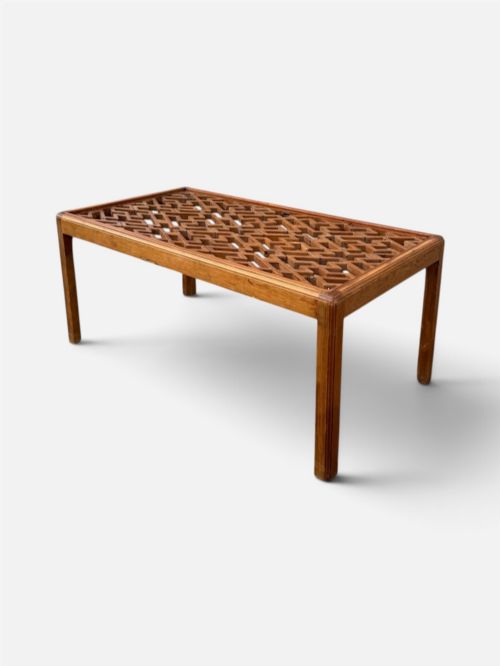
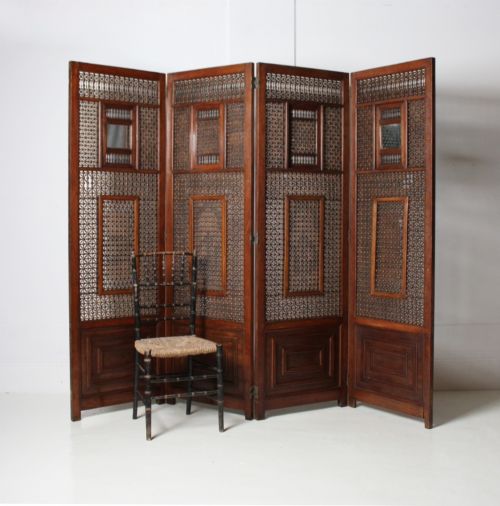
A brown wood screen serves either to block radiant fireplace heat or to divide interior space, appearing in forms ranging from single-panel pole screens to large four-fold room dividers. Buyers searching for a brown wood screen encounter various configurations including folding panels, metamorphic tables, and static modesty screens.
The selection spans numerous eras and origins, incorporating nineteenth-century English mahogany and walnut alongside Chinese hardwood, Burmese, and Anglo-Indian regional items. The examples reflect domestic interiors from grand country houses to specific parlour uses, utilising traditional joinery and folding hinges.
How they were made
These items rely on solid timbers such as mahogany, walnut, rosewood, oak, and broader hardwood varieties, fashioned into frames, turned poles, and articulated panels. Joinery techniques connect multiple folds with hinges, while panels frequently integrate inserted panels of carved wood, fretwork, or textiles.
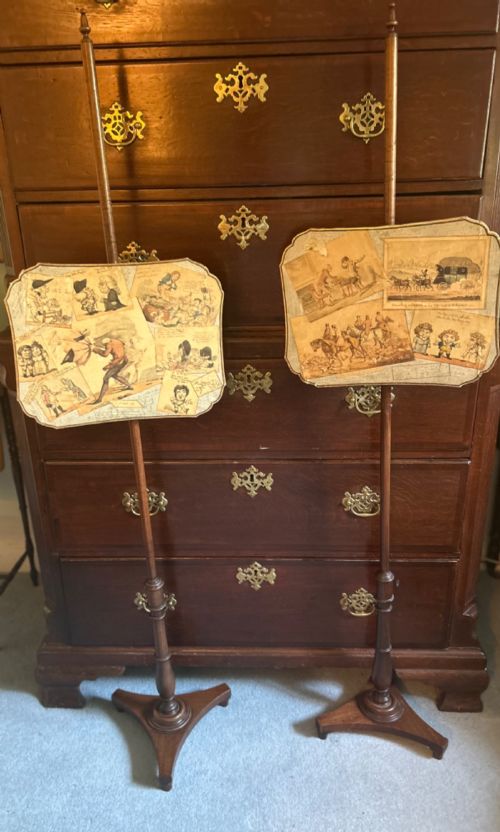
Surface decoration involves needlepoint, tapestry, silk cotton, paper, painted designs, and decoupage or scrap work applied directly to the wood or fabric backing. Brass hardware appears on adjustable poles and hinges, supporting movable elements like pull-out leaves and sliding screens.
Brown Wood Screen Retail Price Guide 2026
Typical asking prices for brown wood screen among the pieces listed under this phrase on Sellingantiques today, from the lower quarter to the upper quarter. They describe what is for sale here now, not the wider market.
One listed piece is a life-size dummy board depicting a gentleman accompanied by a monkey.
What varies in quality
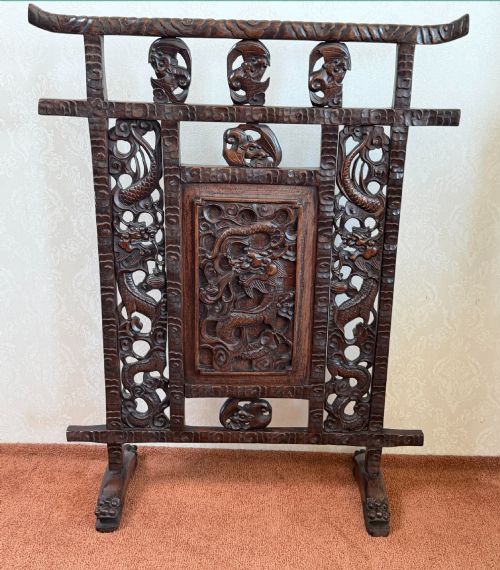
Quality rests upon the choice of timber and the execution of the carving, whether in the crispness of Black Forest or Chinese dragon motifs or the precision of turnery on mahogany frames. Substantial country house examples demonstrate heavier construction and more complex multi-fold mechanisms.
The secondary materials and decorative infills dictate the visual weight, from hand-woven tapestry and needlework samplers to delicate fretwork panels and painted canvas. Original hardware, intact upholstery, and well-preserved surface finishes distinguish the finer survivals.
The Brown Wood Screen Glossary
- Pole screen
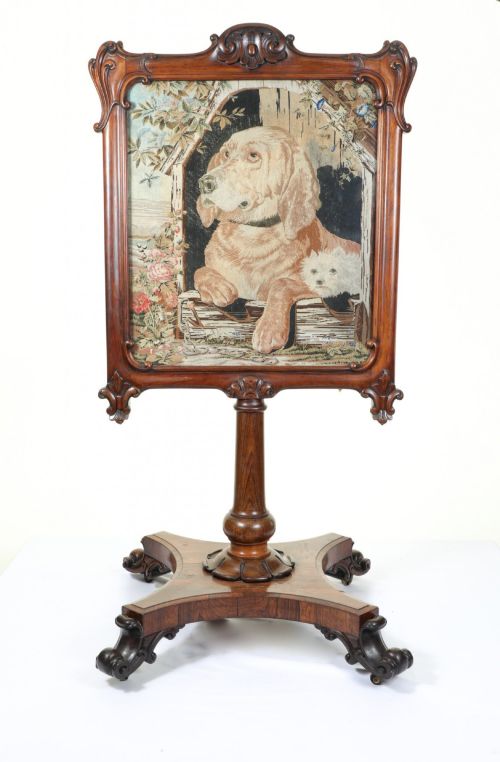
- A vertical firescreen featuring an adjustable panel mounted on a central standing pole with a tripod or weighted base. It protected the face from fireplace heat.
- Dummy board
- A life-sized painted figure cut from wood, often depicting a person or animal, designed to stand by a fireplace or in a room as a trompe l'oeil decoration.
- Modesty screen
- A small decorative screen historically used to shield a person from view or drafts, often placed near tables or seating areas.
- Needlepoint
- Embroidery stitched onto a canvas mesh ground, commonly mounted within the wooden frames of nineteenth-century firescreens.
- Mashrabiya
- An architectural wooden lattice or fretwork screen traditionally utilised in Middle Eastern and Indian interiors for privacy and ventilation.
- Decoupage
- The art of decorating a surface by gluing paper cutouts, engravings, or scraps onto an object and sealing them with varnish.
Brown Wood Screen: Frequently Asked Questions
What is a pole screen used for?
A pole screen protected a seated person's face from the intense radiant heat of an open coal fire.
The adjustable panel slid up and down the vertical shaft to find the correct height against the flames.
How do I use a folding screen today?
Folding screens divide open-plan rooms, create private dressing areas, or conceal utilitarian corners in modern interiors.
They also function as decorative wall backdrops or photographic props without requiring permanent installation.
What is scrap work on a screen?
Scrap work involves layering Victorian paper chromolithographs, trade cards, and prints onto a wooden panel before varnishing.
This technique produced dense, narrative collages popular in nineteenth-century domestic spaces.
How can I tell a Victorian screen from a Georgian one?
Georgian screens typically display restrained classical proportions in mahogany with needlework panels or pole configurations.
Victorian examples frequently introduce heavier carving, walnut timbers, complex multi-fold room dividers, and scrap work decoration.