


Brown Wood Religious Carving
A brown wood religious carving brings devotional focus into a room through centuries of hand-chiselled timber, from intimate household saints to architectural church panels.
Brown Wood Religious Carving
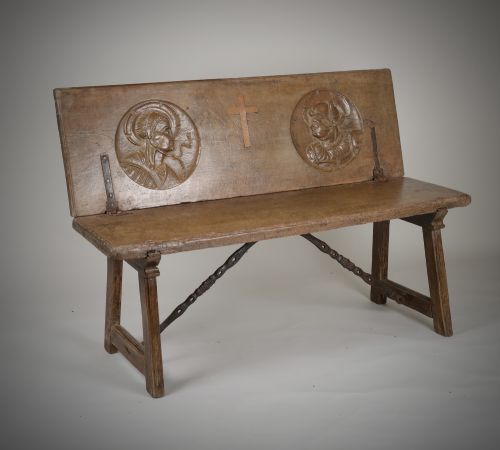
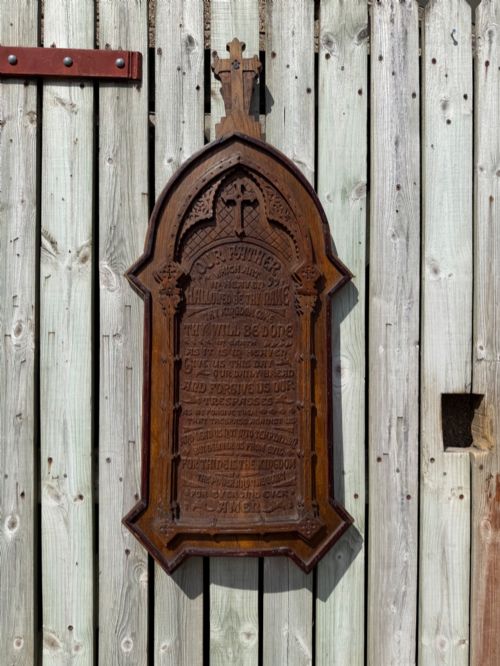
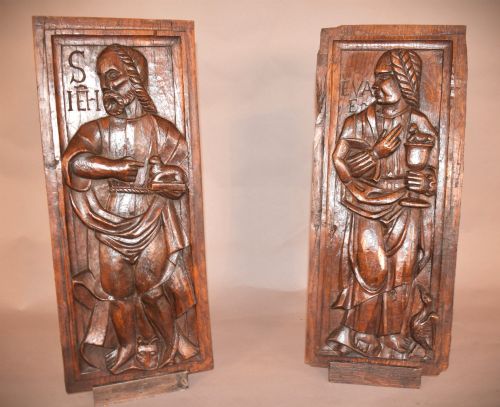
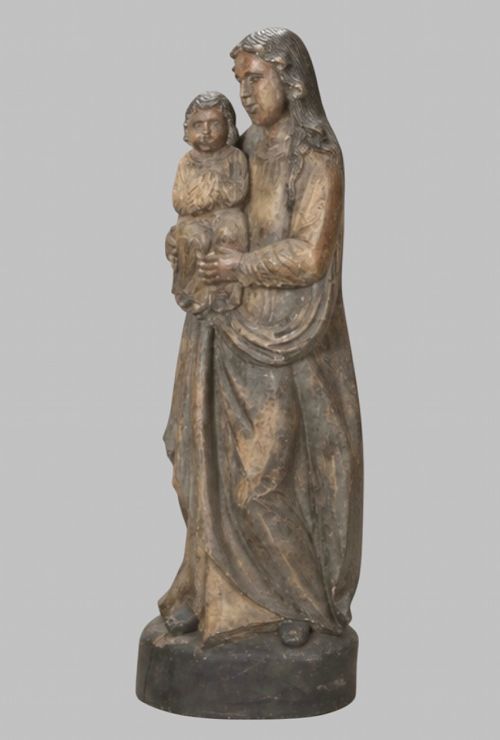
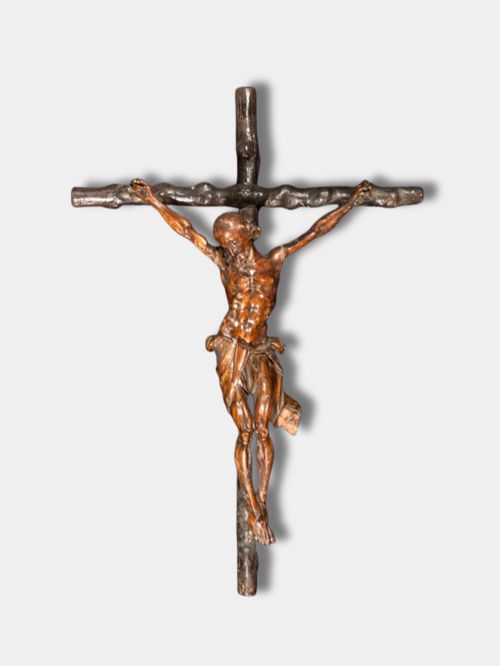
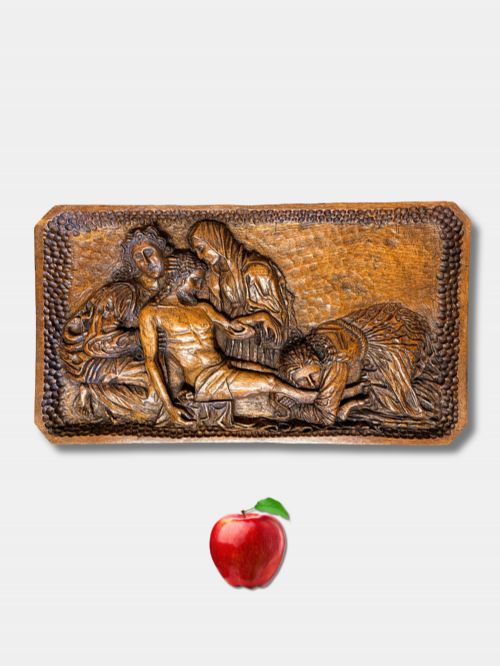
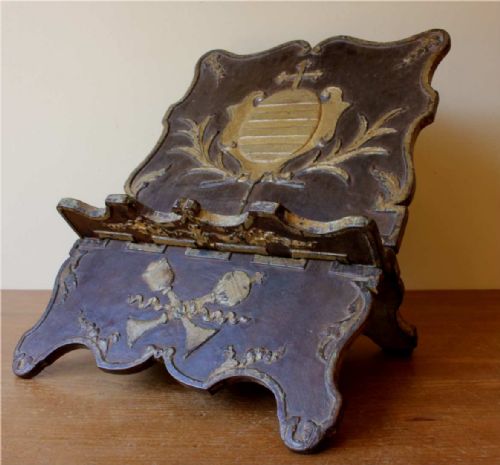
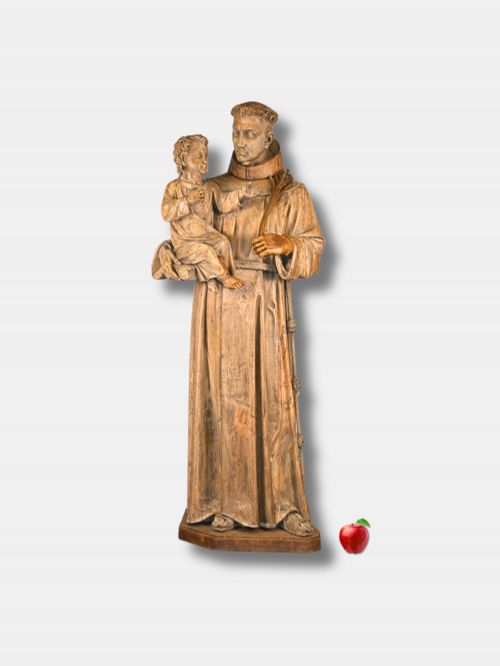
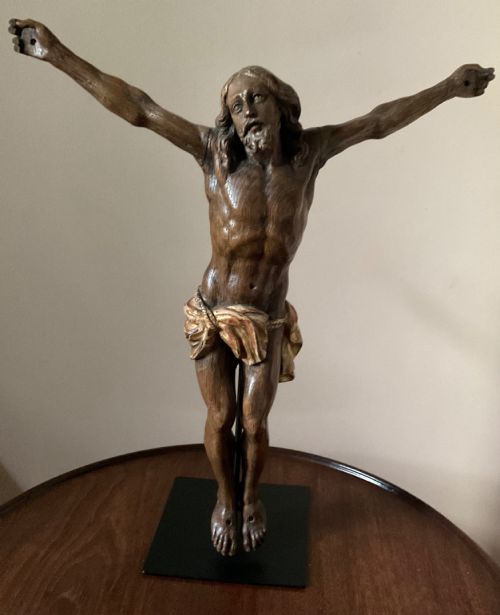
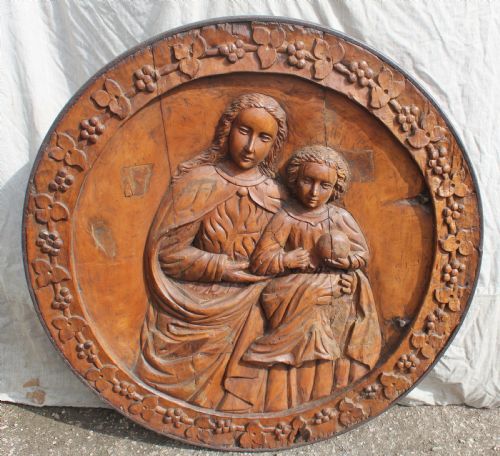
A brown wood religious carving encompasses figures of saints, Madonna and child groups, corpus christi figures, wall reliefs, and missal stands created for private devotion and ecclesiastical settings.
The pieces on this page span several centuries, reaching back to pre-sixteenth century Gothic church sculptures and seventeenth-century Baroque panels, alongside later nineteenth-century devotional works.
Buyers encounter Continental European origins predominantly, including Italian, French, German, and Spanish workshops, rendered in dense hardwoods and native timbers.
How They Were Made
Carvers shaped these objects from native European timbers, utilising oak, walnut, chestnut, lime wood, pine, and olive wood, selected for their grain and density.
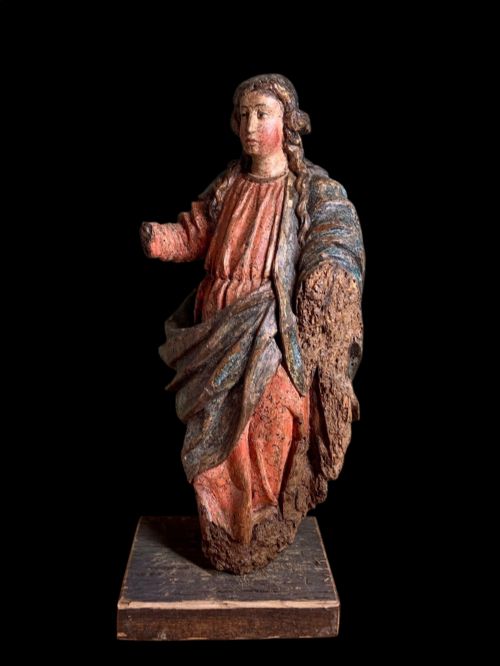
Many early surfaces retain layers of gesso and polychrome paint, while others display bare, waxed wood finished by hand chisels and gouges.
Materials recorded across the selection include oak, walnut, chestnut, lime wood, olive wood, and gessoed polychrome paint surfaces.
What Varies in Quality
The preservation of original polychrome paint surfaces and untouched gesso grounds alters the historical integrity of timber figures significantly.
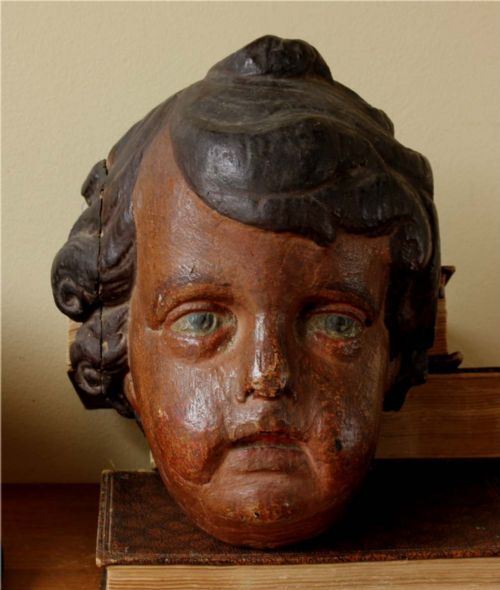
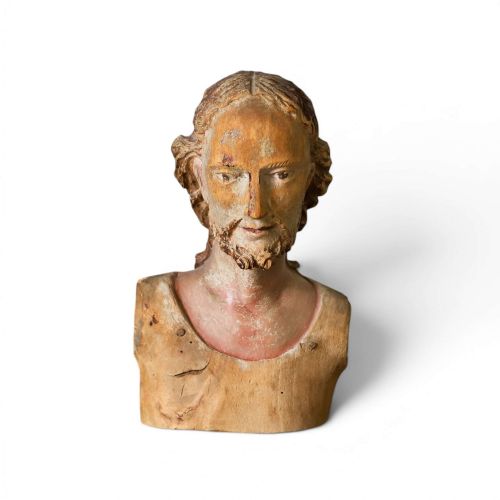
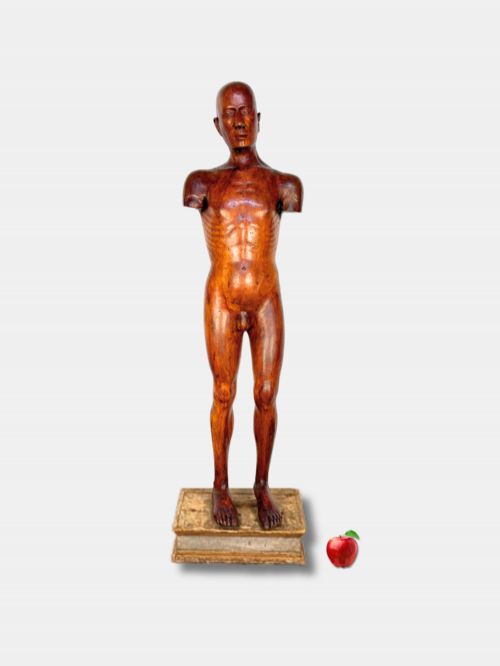
Scale dictates presence, moving from small devotional busts and cherub heads to life-size figures on plinths.
Franz Keller
The Brown Wood Religious Carving Glossary
- Polychrome
- Painted in several colours. This surface treatment was widely applied to medieval and Baroque wooden sculptures to heighten realism.
- Corpus Christi
- The body of Christ depicted on a cross. These wooden figures range from small devotional carvings to large church crucifixes.
- Gesso
- A plaster mixture used as a smooth base for painting on wood. It provides the foundation for polychrome decoration on historical carvings.
- Wall Relief
- A sculptural design that projects from a flat background. These carved panels often depict biblical narratives or allegorical scenes.
- Santos
- A carved figure of a saint or holy person. These statues frequently originated in southern European and Latin religious contexts.
Brown Wood Religious Carving: Frequently Asked Questions
How do I date a wooden religious figure?
Dating relies upon tool marks, wood species selection, and stylistic traits aligned with periods such as Gothic or Baroque. Sculptural proportions and regional clothing details also provide clear temporal markers.
Examining the underside, base, or back of the carving reveals construction methods and natural timber ageing that help confirm its era.
How should I care for antique wood carvings?
Keep wooden sculptures away from direct heat sources and rapid humidity fluctuations to prevent timber splitting. A light application of microcrystalline wax preserves bare wood surfaces.
Avoid using liquid cleaners or modern polishes, particularly on pieces that retain fragile historical gesso and polychrome paint layers.
What is the difference between oak and lime wood carvings?
Oak offers a dense, robust grain utilised for heavy structural panels and robust sixteenth-century church figures. Lime wood provides a softer, fine-grained material favoured by Continental carvers for intricate drapery and expressive facial details.
Each timber dictates the crispness of the chisel work and the overall weight of the finished sculpture.