





Brown Wood Privacy Screen
A brown wood privacy screen divides a room with folding panels and sturdy timber.
Brown Wood Privacy Screen
A brown wood privacy screen offers movable separation for a room, folding across multiple panels to shape space and block views. You encounter these screens in forms such as four-fold room dividers and modesty panels, originating from diverse traditions across the nineteenth century.
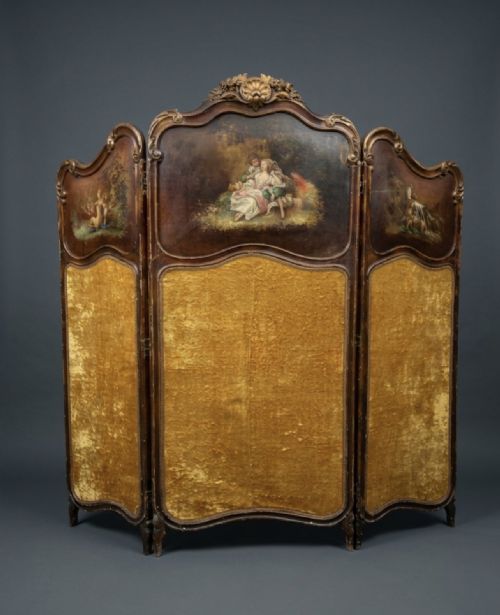
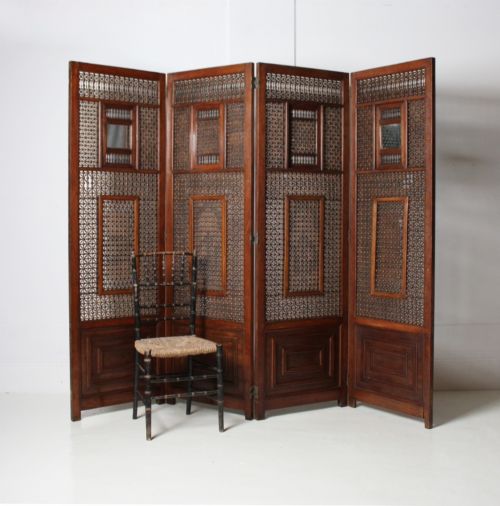
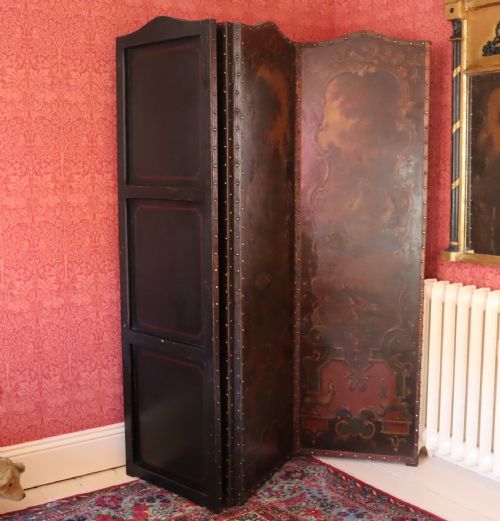
The pieces listed here span various cultural styles, including French Rococo Revival, Anglo-Indian, Islamic Revival, and Chinese Traditional designs. Most examples employ sturdy timber frames fitted with painted panels, fretwork, or textile inserts.
How they were made
Maker construction relies heavily on hardwoods such as mahogany and teak, shaped into multi-panel frames with brass hinges. Artisans carved these woods deeply or pierced them into intricate fretwork patterns.
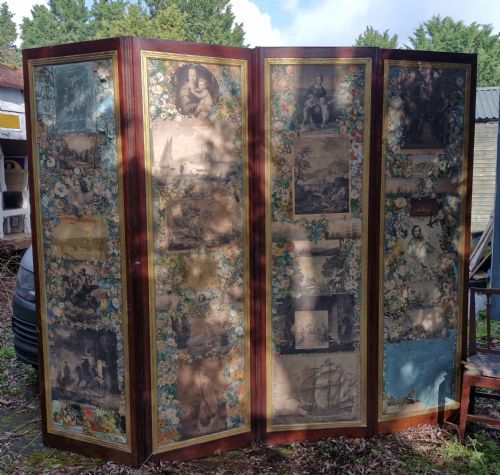
Surface decoration incorporates oil paint, needlepoint, silk cotton, and paper to fill the wooden frames. Some panels feature intricate scrap work or photographic elements mounted onto the timber base.
Several screens served unusual original roles, functioning as photographic studio props or modest dressing barriers.
What varies in quality
Quality rests in the depth of the timber carving and the integrity of the folding joints. Finer panels display crisp fretwork and substantial hardwood frames rather than thin veneers.
The artistic execution of the painted or stitched inserts dictates the visual standing of each piece. Superior examples maintain intact original textiles and oil paint without clumsy later repairs.
The Brown Wood Privacy Screen Glossary
- Privacy screen
- A movable partition designed to shield parts of a room from view. These typically consist of several hinged wooden panels.
- Fretwork
- Ornamental design created by cutting patterns through solid wood. This technique appears frequently in Anglo-Indian and Eastern folding screens.
- Modesty screen
- A low folding screen historically used to shield someone dressing or washing. French examples often feature painted decorative panels.
- Mashrabiya
- An architectural wooden screen characterised by intricate lattice work. These panels filter light and provide seclusion in Islamic design.
Brown Wood Privacy Screen: Frequently Asked Questions
How do you use a privacy screen?
These folding panels stand freely to partition a large room or block specific lines of sight. They adjust easily to different angles along brass hinges.
Position a screen against a wall to create a distinct backdrop or angle the folds to form a private dressing nook.
What periods do these screens date from?
The available pieces primarily date across the nineteenth century and into the early twentieth century. Styles range from Regency and Victorian to specific revival aesthetics.
Exact dating relies on construction techniques, hinge types, and the specific decorative motifs applied to the wood.
What materials are used in these screens?
Makers utilised dense hardwoods such as mahogany and teak for the primary folding frames. Brass hardware connects the individual panels together.
Infill materials vary widely, incorporating oil paint on wood, needlepoint, silk cotton, paper, and velvet across different cultural traditions.
How do different regional styles vary?
Regional aesthetics dictate both the carving and the infill of each piece. Islamic Revival screens favour intricate lattice work, while French panels display painted pastoral scenes.
Chinese and Burmese examples incorporate deep dragon carvings and traditional fretwork directly into the solid timber.