
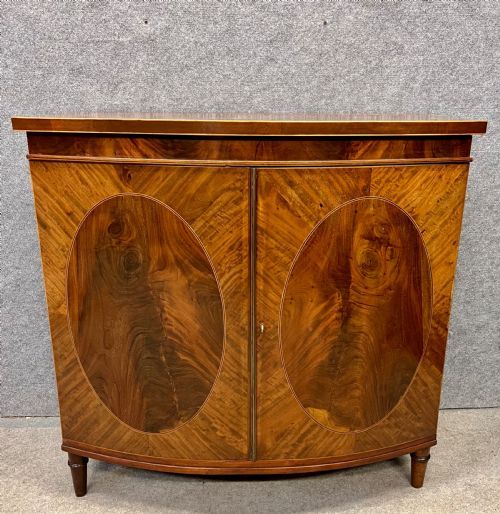
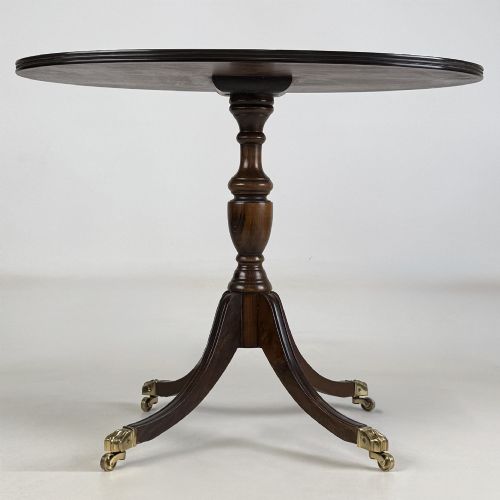
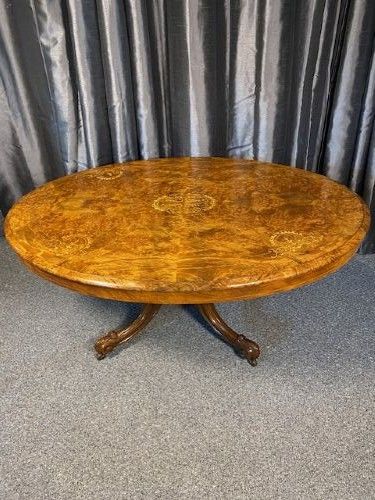
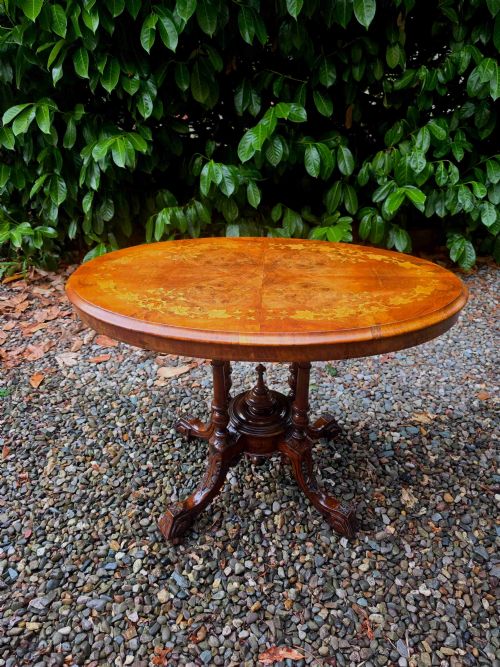
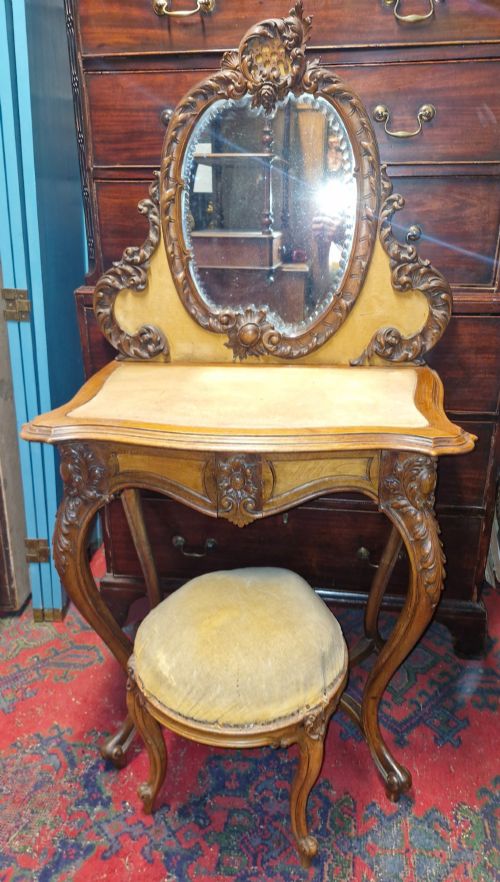
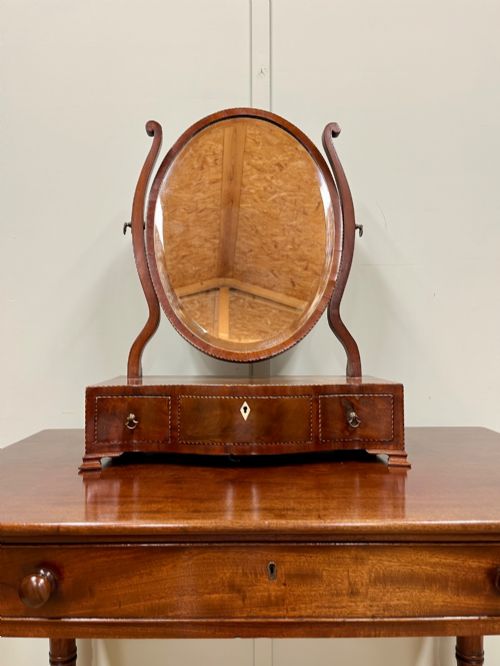
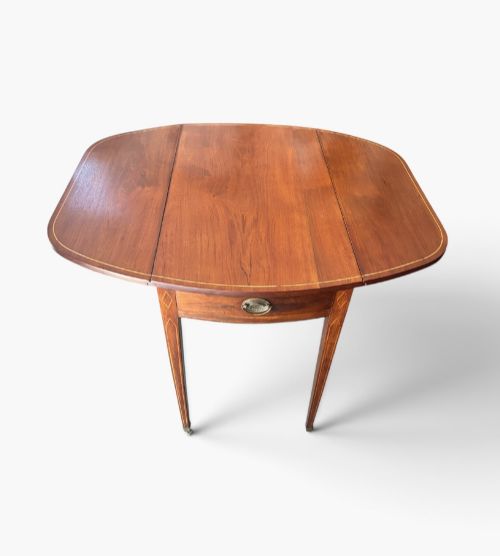
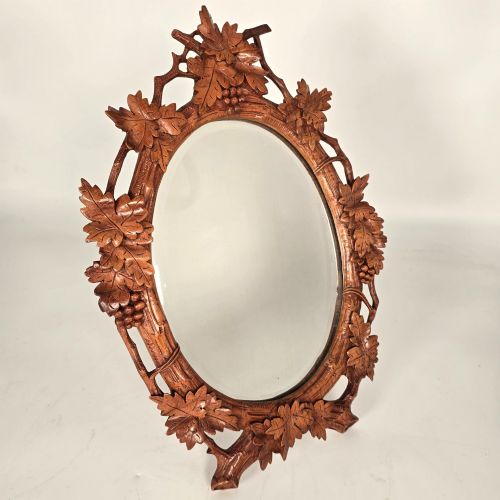
Brown Wood Oval Table
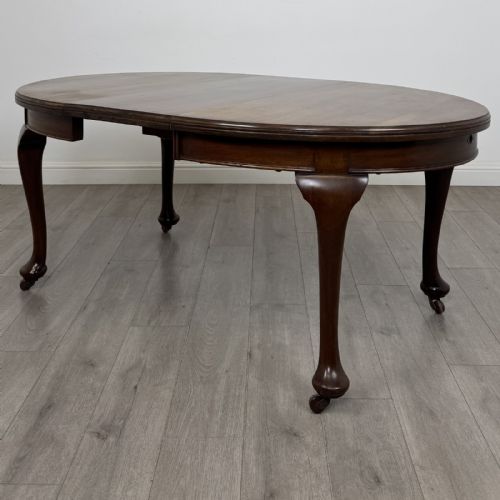
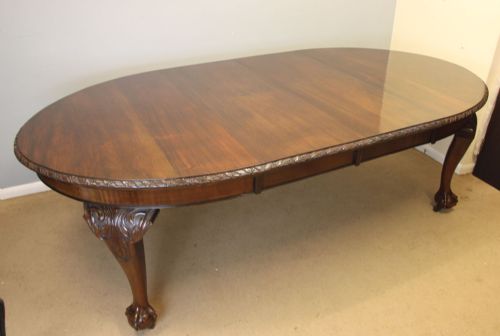
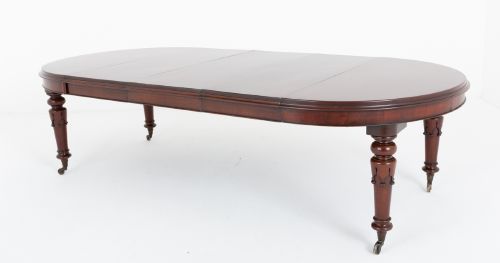
A brown wood oval table brings warmth and curved lines to a room, offering practical surface space rooted in traditional cabinet making.
Brown Wood Oval Table
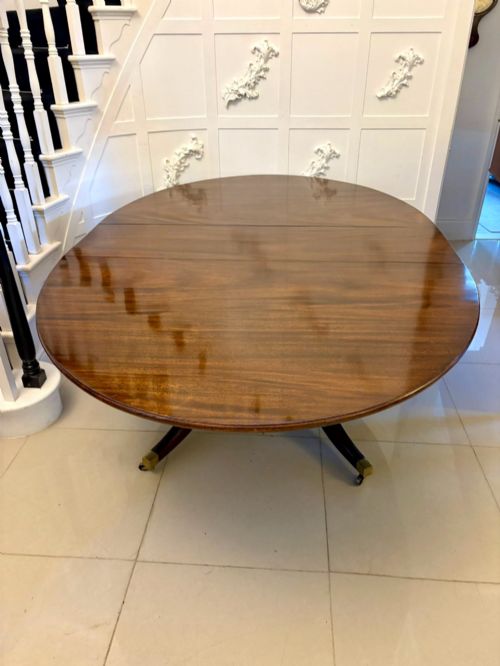
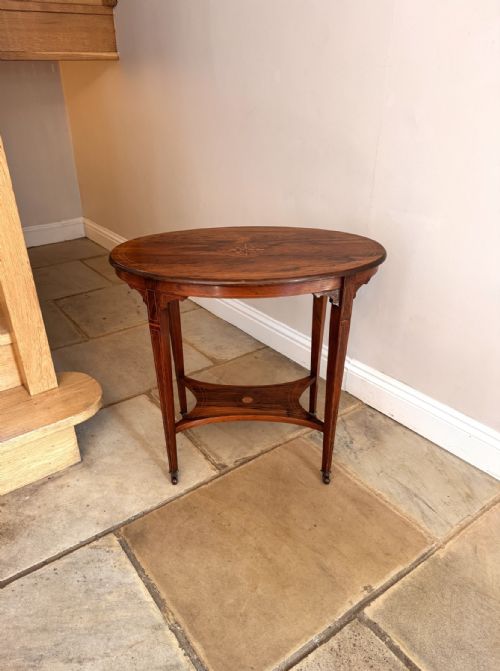
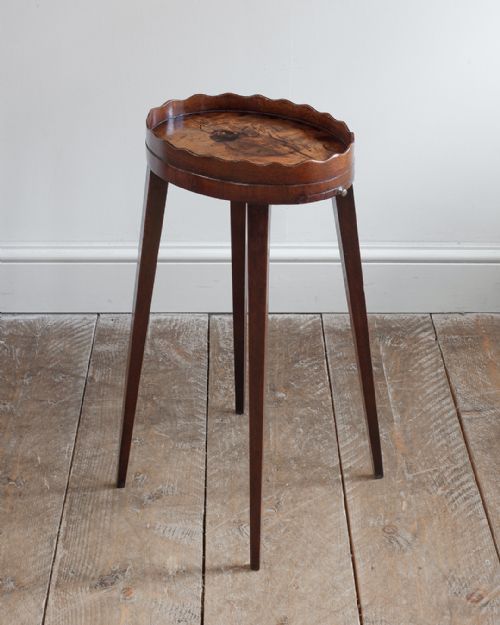
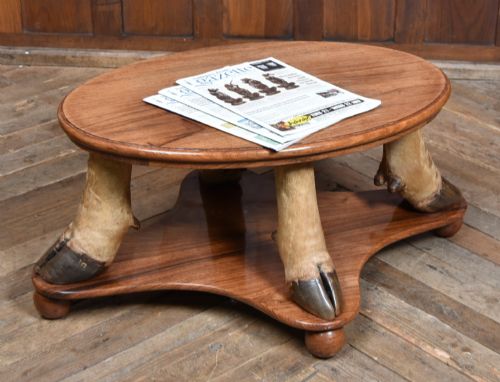
A brown wood oval table encompasses various formats ranging from large dining surfaces to smaller coffee tables, occasional tables, and Pembroke tables. Buyers searching for a brown wood oval table encounter pieces spanning the Georgian, Victorian, and Edwardian periods, alongside later 20th-century revivals.
Materials and Construction
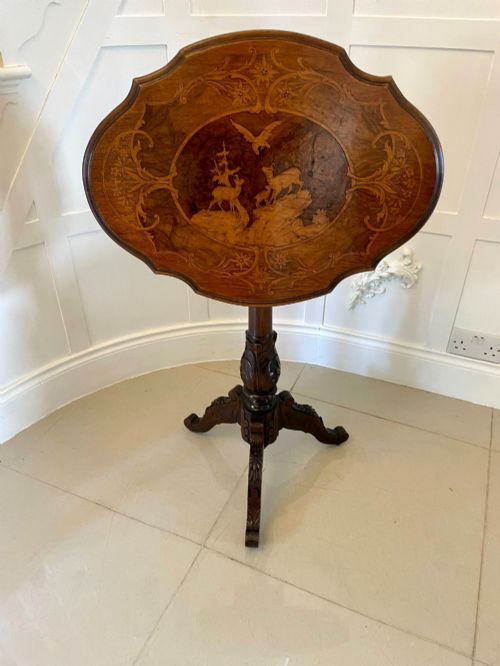
Makers utilised solid timbers and veneers, predominantly mahogany, walnut, and burr walnut, supported occasionally by oak and yew wood. Surfaces often featured secondary elements such as satinwood inlay, boxwood stringing, and brass fittings.
Joinery methods combined traditional framing with turning, carving, and crossbanding to accentuate the natural grain of the timber. Polishing and finishing techniques highlighted the rich brown tones intrinsic to the woods employed.
Listings feature mahogany, walnut, burr walnut, oak, and satinwood across dining tables, coffee tables, and Pembroke tables.
Assessing Quality and Execution
Quality rests upon the selection of timber figures, such as the rich patterning found in burr walnut or figured mahogany, balanced against the precision of inlay work like satinwood crossbanding. Superior examples display crisp carving and tight, stable joinery that preserves the structural integrity of the curved top.
The proportion of the base in relation to the oval surface distinguishes finer workshop production from simpler output. Attention to secondary details, including brass hardware and the finish applied to the underside, indicates the level of care invested by the maker.
François Linke
The Brown Wood Oval Table Glossary
- Crossbanding
- A border technique where thin strips of veneer are laid perpendicular to the grain of the main surface, often seen on fine table edges.
- Pembroke table
- A drop-leaf table with hinged flaps on opposing sides, frequently featuring an oval top when opened.
- Burr walnut
- A highly figured timber taken from the growth growths of the walnut tree, prized for its swirling grain patterns.
- Satinwood inlay
- Contrasting light-coloured wood inserted into recesses on the primary timber surface to create decorative motifs.
- Pedestal table
- A table supported by a central pillar or pillars rather than four corner legs.
Brown Wood Oval Table: Frequently Asked Questions
How do I date a brown wood oval table?
Dating relies on identifying timber choices, construction techniques, and stylistic markers associated with periods like the Georgian, Victorian, or Edwardian eras. Secondary woods and hardware often provide further chronological clues.
Examining the underside and the method of joining the top to the base helps differentiate original period pieces from later revival items.
Are oval dining tables practical for everyday use?
An oval surface removes sharp corners, improving circulation in smaller dining rooms while seating multiple guests comfortably. Extending versions offer flexibility for hosting larger gatherings.
Pebble and pedestal configurations allow chairs to tuck in neatly when the table is not in full use.
What is the difference between mahogany and walnut tables?
Mahogany offers a dense, straight-grained surface with a reddish-brown hue that responds well to traditional polishing. Walnut and burr walnut display more pronounced, swirling grain patterns in deeper brown tones.
Both timbers were favoured across different centuries for their durability and decorative potential.
How should I care for a vintage wooden table?
Maintain the finish by avoiding direct sunlight and excessive heat sources that can dry out timber and veneers. Regular dusting with a soft cloth preserves the polish without building up residue.
Applying occasional appropriate wax feeds the wood and protects the surface from minor moisture marks.