
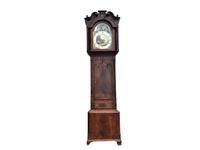
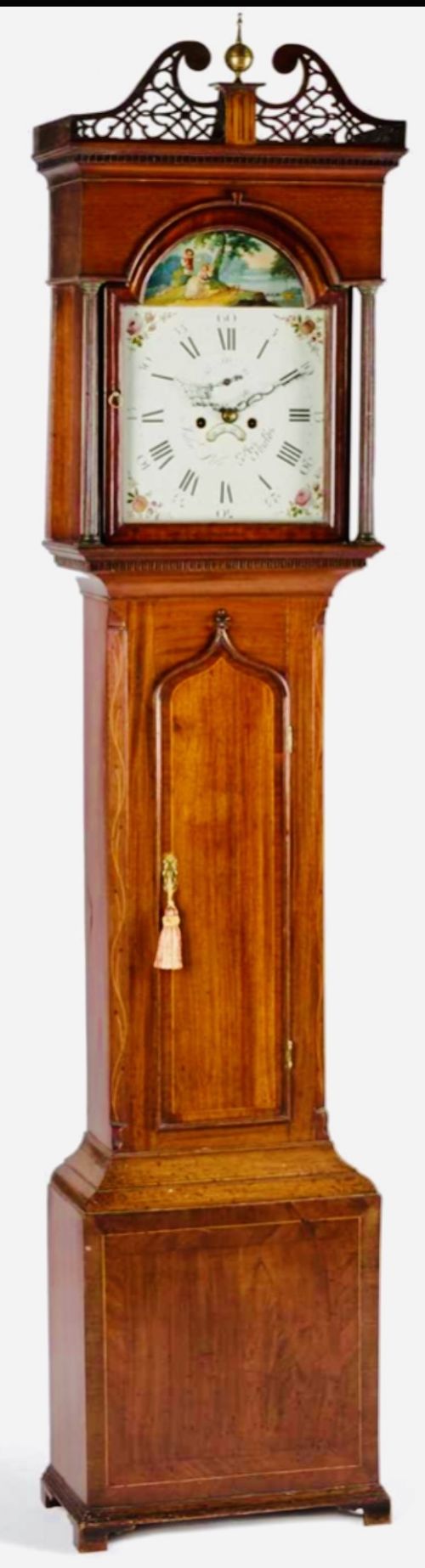
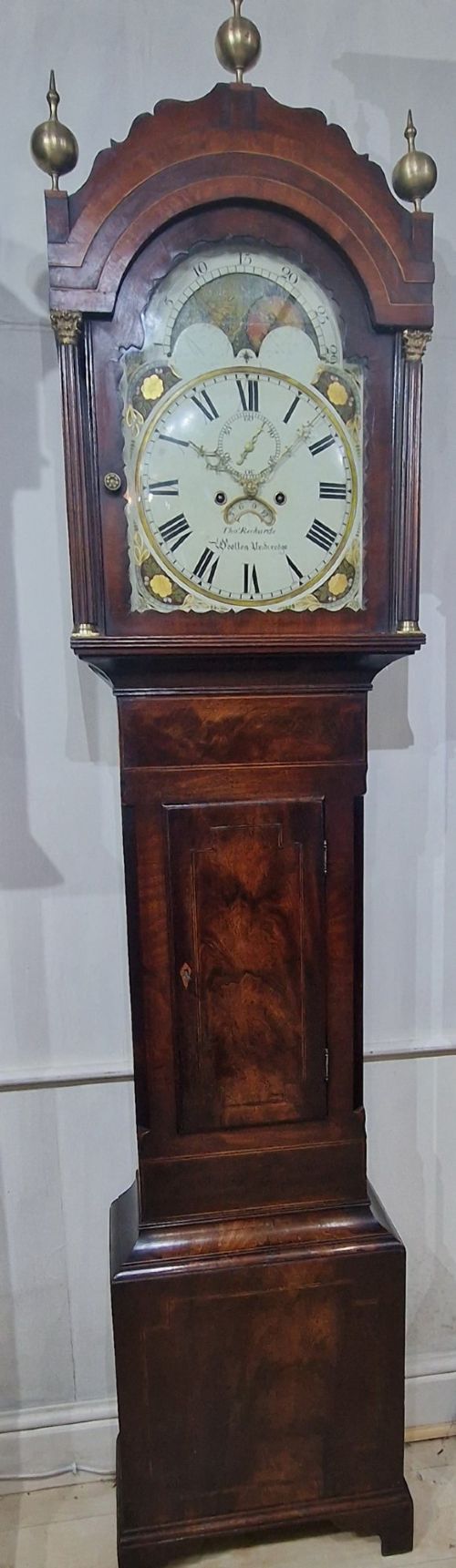


Brown Wood Longcase Clock
A brown wood longcase clock anchors a room with steady mechanical timekeeping and architectural timber presence.

Brown Wood Longcase Clock
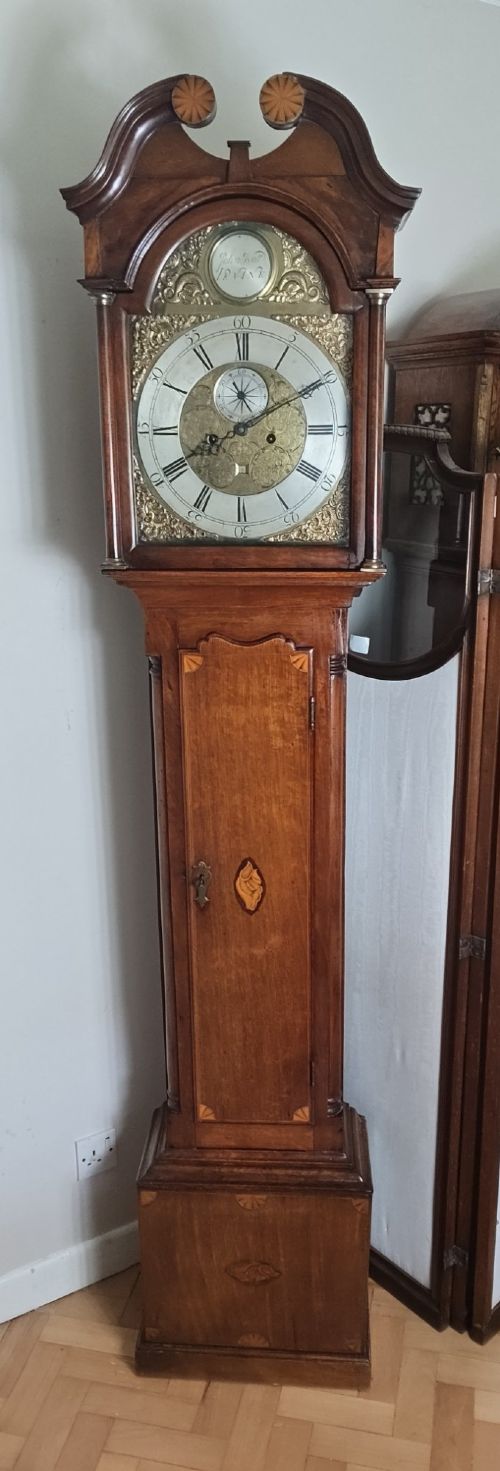
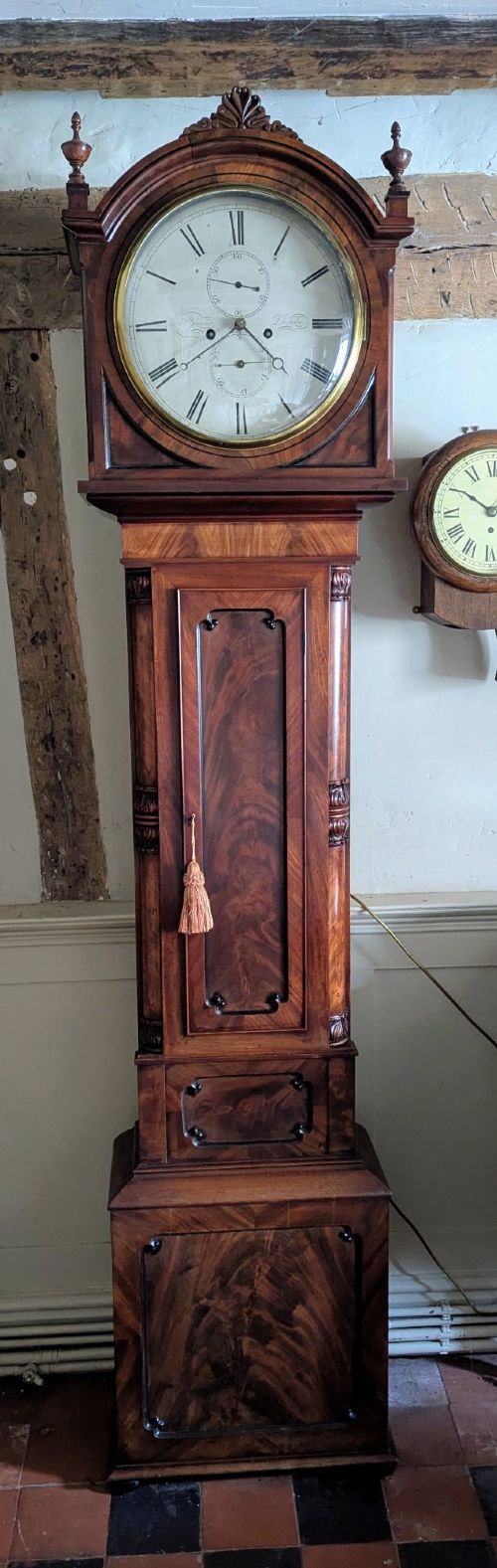
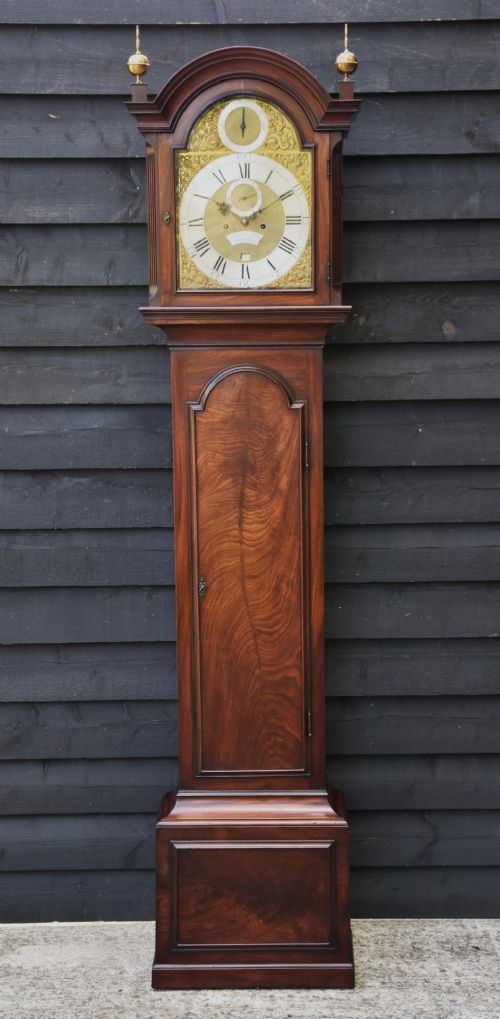
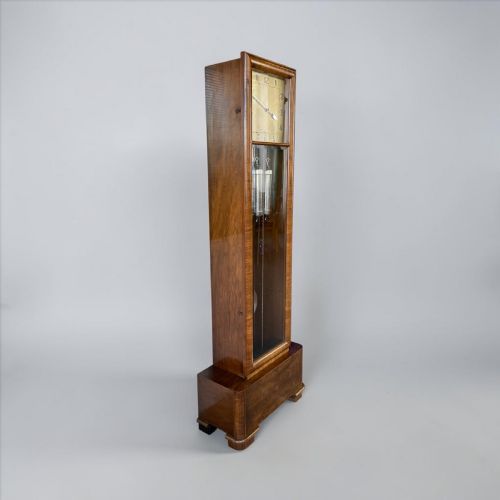
A brown wood longcase clock combines tall cabinet woodwork with intricate pendulum-driven movement, serving as both a functional timekeeper and a central furnishing. These pieces originate across several centuries, spanning periods from the seventeenth century through the Victorian era and into the early twentieth century.
The most common examples encountered on this page date from the Georgian and Victorian periods, constructed predominantly in regional timbers like oak and mahogany. Cabinet variations range from simple provincial country builds to elaborate Scottish and English specimens with marquetry or inlaid details.
Makers housed these movements in tall wooden trunks designed to protect the weights and pendulum while displaying the dial at eye level. Variations include drum head styles, cottage editions, and grander domestic regulators with painted arched dials and moon rollers.
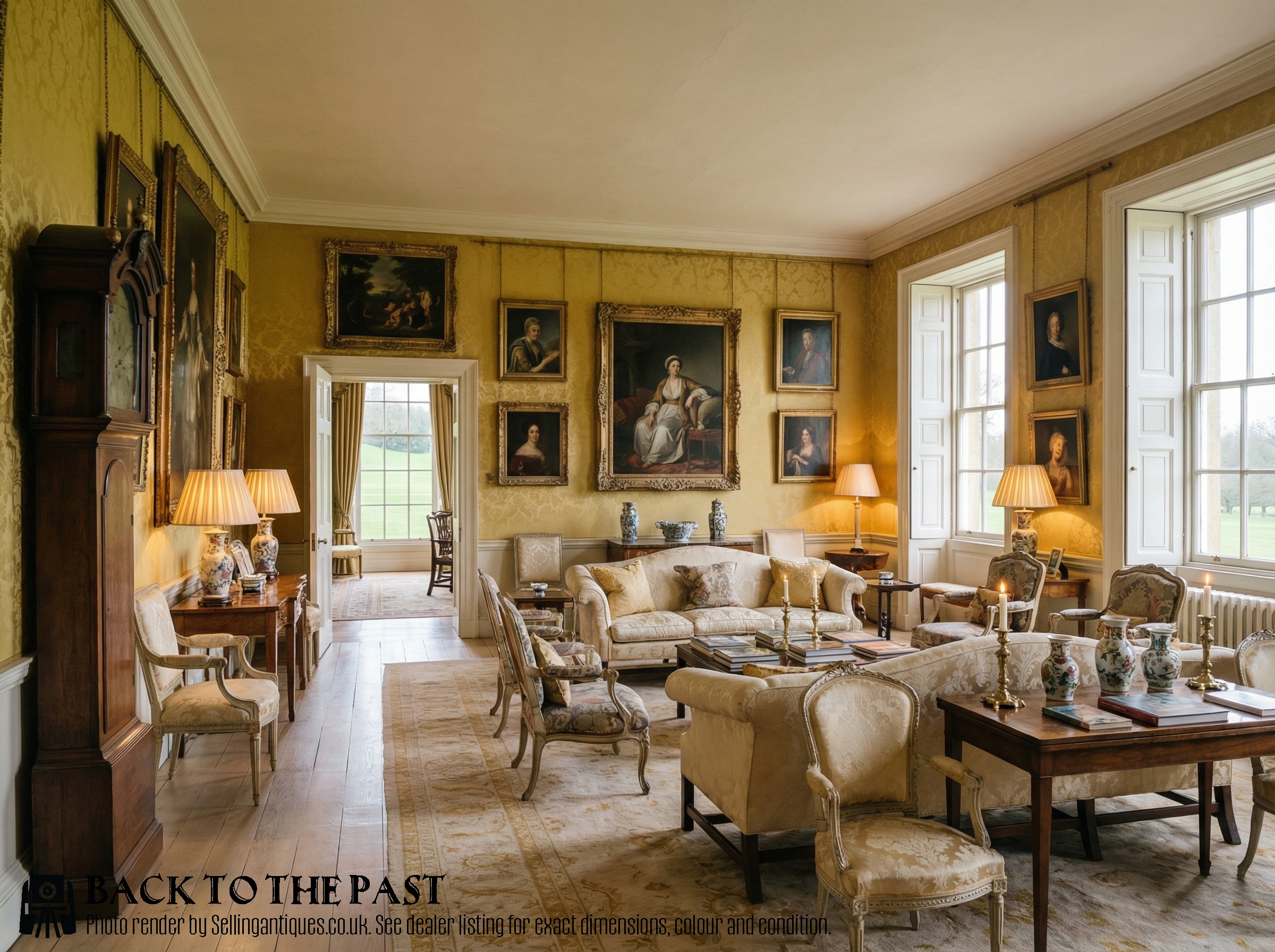
Materials and Construction
Cabinetmakers utilised dense hardwoods such as mahogany, oak, and walnut, often selecting figured veneers or flame mahogany for the primary visual surfaces. These timbers were joined using traditional cabinet techniques to house the heavy mechanical works securely within the tall trunk.
The internal mechanics rely on brass and iron components, driven by hanging weights and regulated by swinging pendulums, whilst glass protects the dial face. Dials themselves feature painted iron or brass chapter rings, sometimes incorporating enamel details and mechanical complications like rocking ship automata or moon rollers.
Some provincial dials include Father Time with a scythe, reminding owners that time marches on regardless.
Evaluating Quality and Craftsmanship
Quality in a brown wood longcase clock rests upon the crispness of the cabinet woodwork and the sophistication of the dial work. Finer examples display carefully matched timber veneers, restrained inlay work, and hand-carved details that integrate harmoniously with the proportions of the trunk.
The distinction between standard provincial production and superior execution often appears in the movement and the dial. Master horologists signed their work on brass or painted dials that feature intricate subsidiary seconds, calendar apertures, and smooth motion work rather than generic mass-produced components.
Rickards Wotton Under Edge·Matt Wylie Paisley·Richard Biggs Romsey·Richard Alexander Devizes·James Coster Henley·Dan Williams Crickhowell·W Prior Skipton·W M Smith Of Leith·John Wyat Altringham
The Brown Wood Longcase Clock Glossary
- Longcase clock
- A tall pendulum clock enclosed in a wooden case standing directly on the floor. These pieces are frequently referred to as grandfather clocks.
- Moon roller
- A secondary dial mechanism that tracks the phases of the moon through a rotating painted disc behind the clock face. This complication added both utility and visual interest to the dial.
- Marquetry
- The art of applying decorative pieces of veneer to a structure to form intricate patterns and pictures. Craftsmen utilised contrasting woods to create floral or geometric designs on the trunk door and base.
- Grandmother clock
- A smaller, more compact version of the traditional longcase clock produced during later periods. These shorter models suit restricted ceiling heights while retaining eight-day movements.
Brown Wood Longcase Clock: Frequently Asked Questions
How do I wind an eight day clock?
An eight day movement requires winding every week using a matching crank key on the winding holes of the dial face. Care must be taken not to overwind the springs or pull the weights too abruptly.
Maintaining a regular winding schedule ensures the movement keeps accurate time and prevents unnecessary tension on the internal brass gear trains.
Where should I place a longcase clock?
These clocks require a stable, dry interior wall away from direct sunlight, central heating vents, and damp floorboards. Securing the tall wooden trunk to the wall using internal brackets prevents accidental tipping.
Placing the clock on a solid foundation allows the pendulum to swing evenly without interference from uneven floor levels or heavy household vibrations.
How do I tell an 18th century clock from a 19th century one?
Eighteenth century examples often display simpler oak or early mahogany proportions with square brass dials and engraved maker signatures. Nineteenth century versions frequently introduce painted arched dials, mahogany veneers, and more substantial hood mouldings.
Examining the construction methods inside the trunk and the style of the brass movement plates helps confirm the manufacturing period.
Why does my clock need to be in beat?
Being in beat means the anchor pallet strikes the escape wheel teeth at exact, uniform intervals, producing a steady tick-tock rhythm. If the sound is uneven, the pendulum will eventually stop swinging.
Adjusting the crutch wire or shifting the position of the case feet corrects the beat so the mechanical escapement functions properly.