


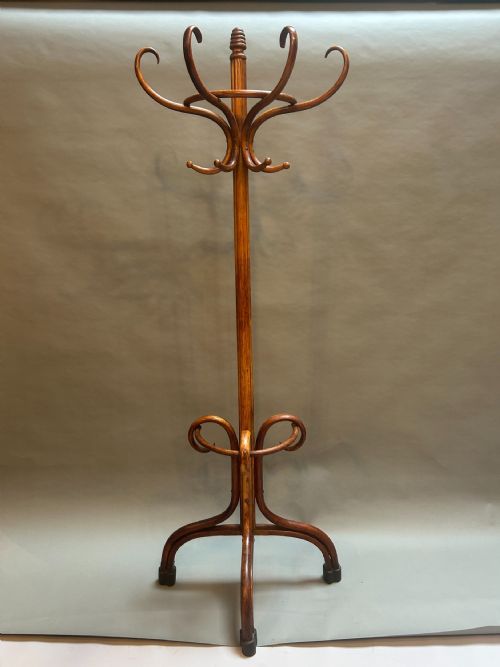


Brown Wood Hat Stand
A brown wood hat stand organises daily garments with upright timber presence, ranging from simple bentwood curves to carved Black Forest figures.
Brown Wood Hat Stand
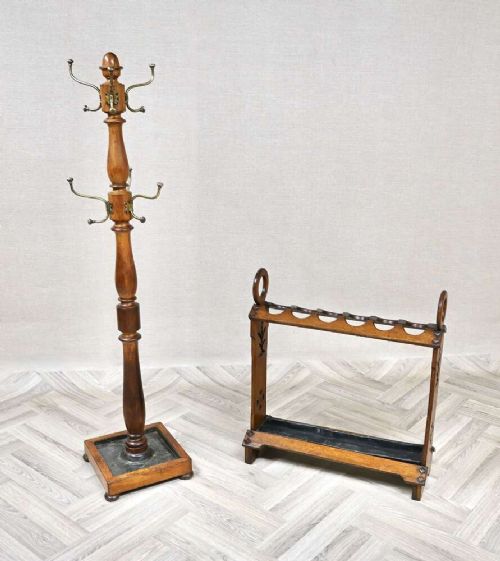
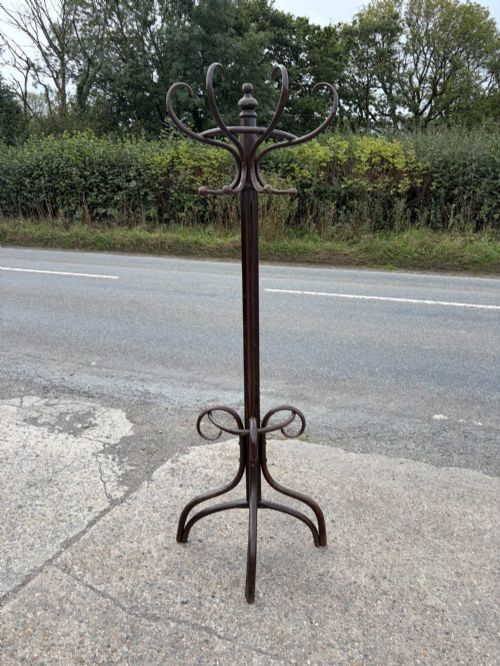
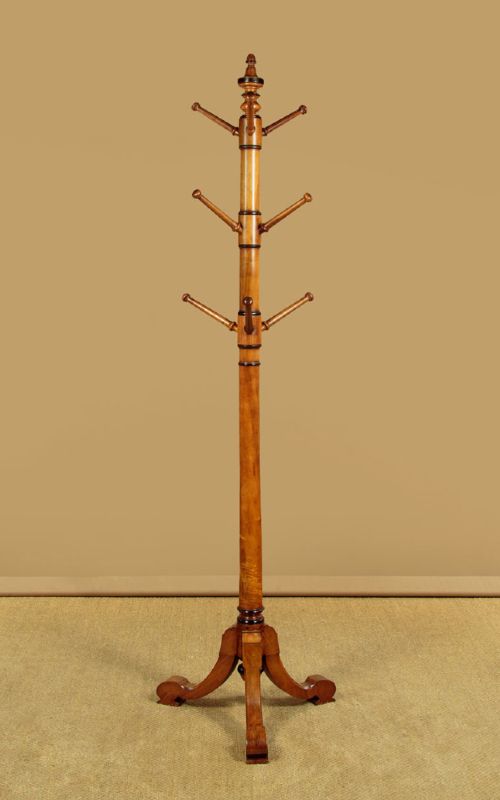
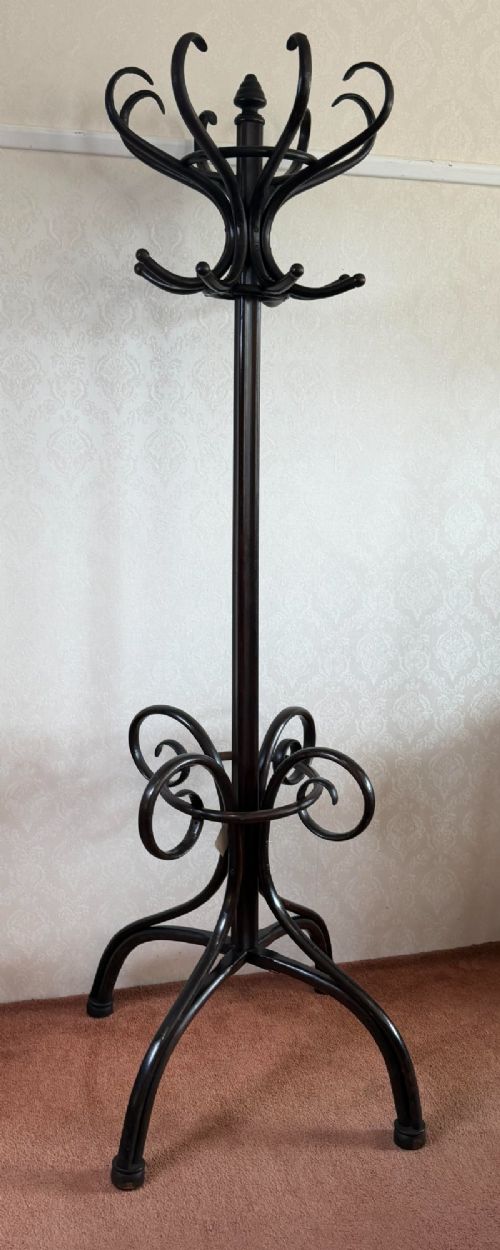
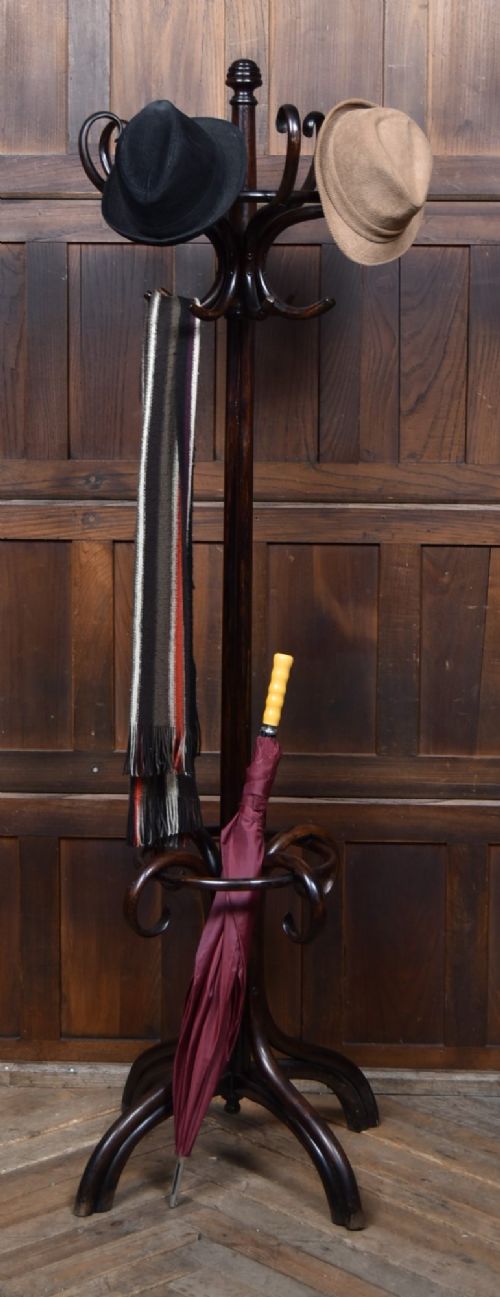
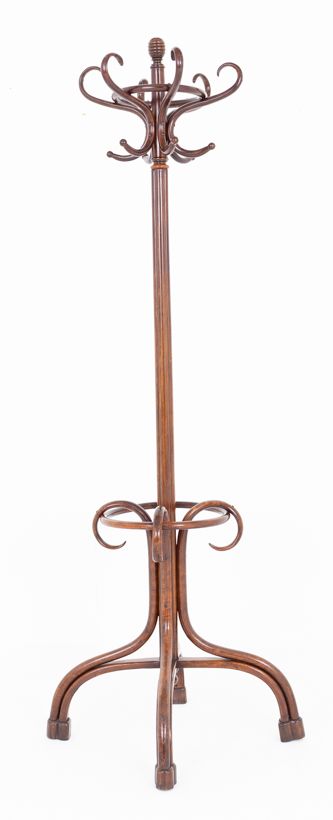
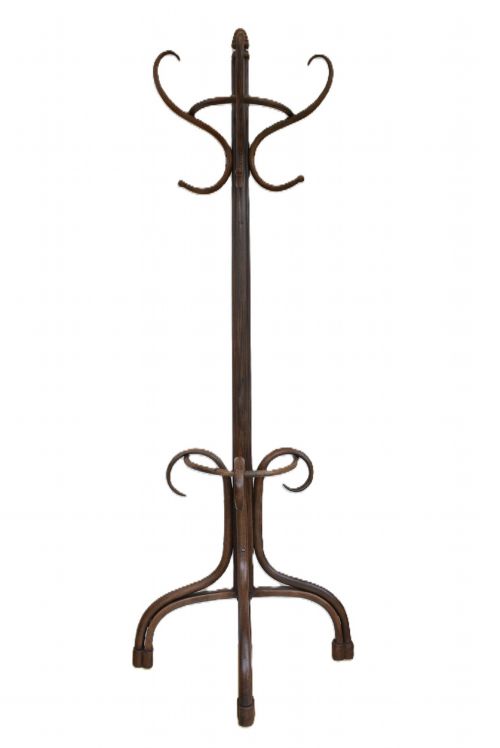
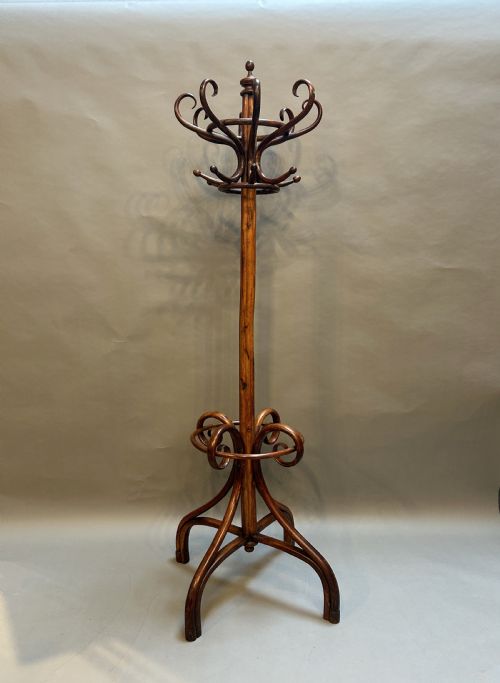
A brown wood hat stand appears in multiple configurations across this selection, from tall floor-standing hall furniture to wall-mounted racks and small tabletop wig blocks. The most frequent iteration is the bentwood hall stand, produced in large numbers during the late nineteenth and early twentieth centuries, particularly around 1900 and the 1920s.
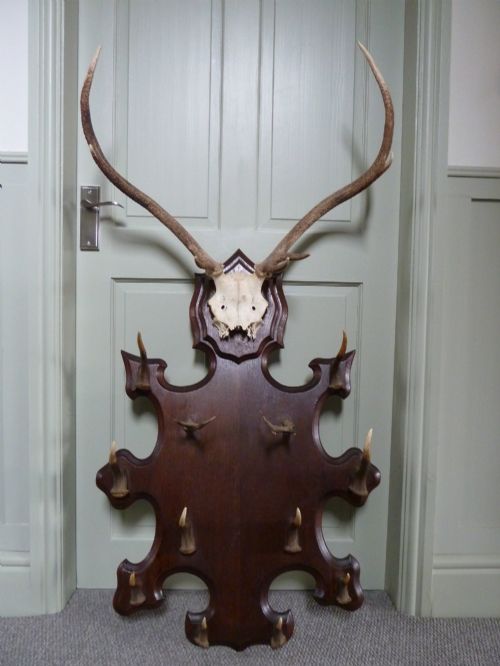
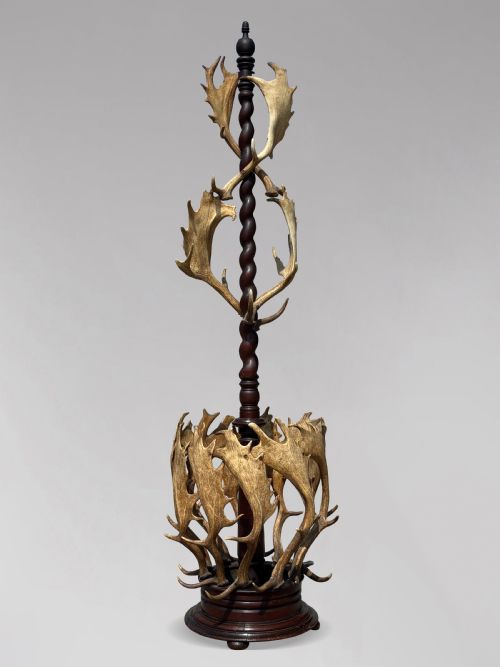
Makers shaped these utilitarian items in diverse regional traditions, spanning Victorian walnut and oak designs, Edwardian mahogany pieces, and elaborate Black Forest carvings involving bears and deer antlers. Alongside these tall furniture items sit solid beech milliner hat blocks from the early twentieth century.
Origins stretch from English country houses to Austrian workshops and Swiss or South German carving centres. Pieces date variously from the 18th century up to the 1930s, reflecting changing hallway requirements in domestic interiors.
Materials and construction methods
Makers utilised a variety of timbers including beech, oak, walnut, mahogany, linden wood, and yew wood, often combining solid sections with steamed components. Bentwood pieces rely on moisture and heat to bend solid beech into curved hooks and frames, characteristic of Thonet style production.
Carved examples employ manual chiselling techniques in dense woods like linden and oak, seen in Black Forest animal figures, stag horns, and Greenman motifs. Additional structural stability and decorative contrast arrive via brass hooks, glass elements, and inlaid mahogany panels.
Brown Wood Hat Stand Retail Price Guide 2026
Typical asking prices for brown wood hat stand among the pieces listed under this phrase on Sellingantiques today, from the lower quarter to the upper quarter. They describe what is for sale here now, not the wider market.
A stoic carved bear watches over your coats from a nineteenth-century Swiss forest.
Distinctions in construction and design
Quality rests upon the crispness of hand-carved detail in Black Forest and Victorian specimens, where depth and expression elevate animal motifs above standard production. Timber selection similarly defines the tier, with figured walnut, rich mahogany, and solid beech outperforming utilitarian softwood alternatives.
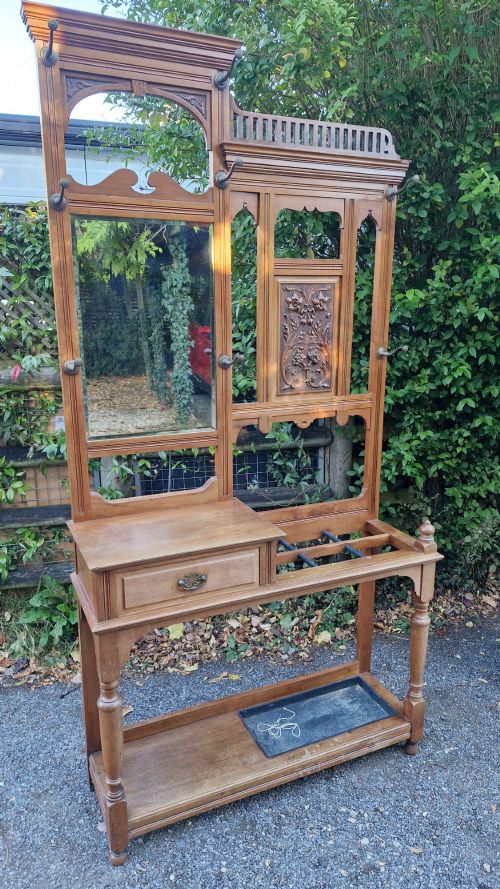
Structural complexity marks the higher end of the range, evidenced by double tops on bentwood stands, inlaid woodwork, and integrated mirrors or umbrella trays. Original hardware, such as matching brass hooks and intact rotating top sections, maintains the integrity of the piece.
J. Parker of Woodstock·Thonet
The Brown Wood Hat Stand Glossary
- Bentwood
- Wood softened by steam and bent into curved shapes, widely utilised for lightweight hall stands and coat racks.
- Black Forest
- Carved wooden furniture and decorative objects originating from Switzerland and Germany, typically featuring bears, deer, and naturalistic foliage.
- Hall Stand
- A piece of hallway furniture combining coat hooks, a hat rack, and frequently a mirror or umbrella storage.
- Hat Block
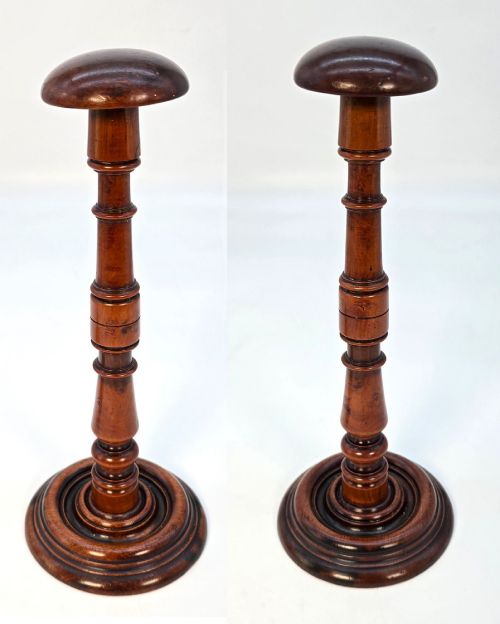
- A solid wooden form used by milliners to shape hats during manufacture.
- Wig Stand
- A small wooden stand designed to support and display a wig, often dating to the eighteenth century.
Brown Wood Hat Stand: Frequently Asked Questions
What is a bentwood hat stand?
A bentwood hat stand is a tall hall fixture constructed from steam-bent timber, usually beech, featuring curved branches for hanging hats and coats.
These pieces emerged in abundance around 1900 and into the 1920s, offering a lighter alternative to heavy Victorian oak furniture.
How do I identify Black Forest hall stands?
Black Forest hall stands display distinct hand-carved animal figures, most commonly bears, chamois, or deer, often incorporating real antlers and linden wood.
Originating in Switzerland and South Germany during the nineteenth century, these sculptural pieces double as functional coat and hat storage.
Where were hall stands placed in historical homes?
Hall stands stood in entrance halls and vestibules to provide immediate storage for outdoor garments, hats, and walking sticks upon entering the house.
Victorian and Edwardian households relied on these central pieces to keep entranceways orderly for family members and visitors.