



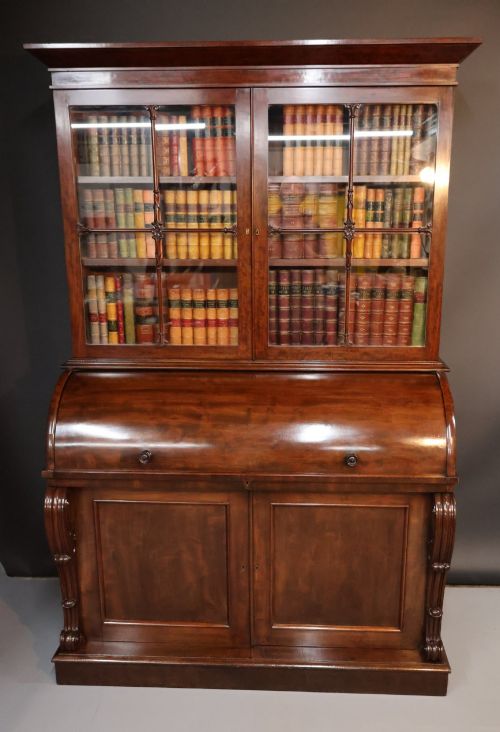
Brown Wood Desk Cabinet
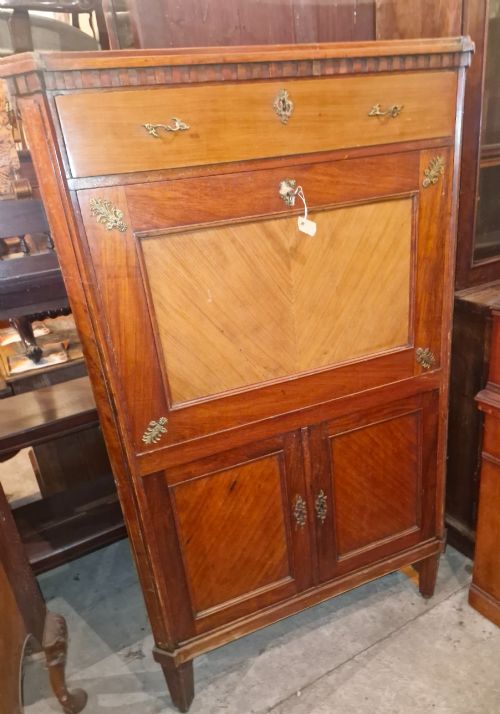
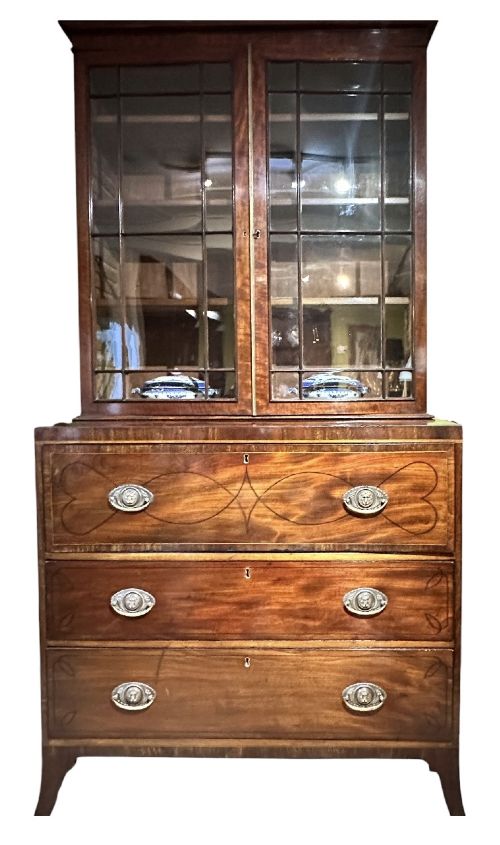
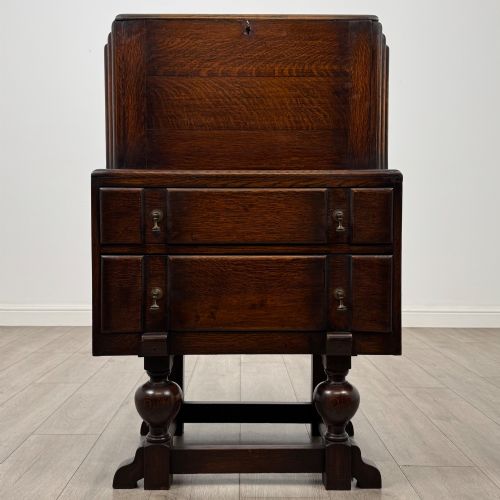
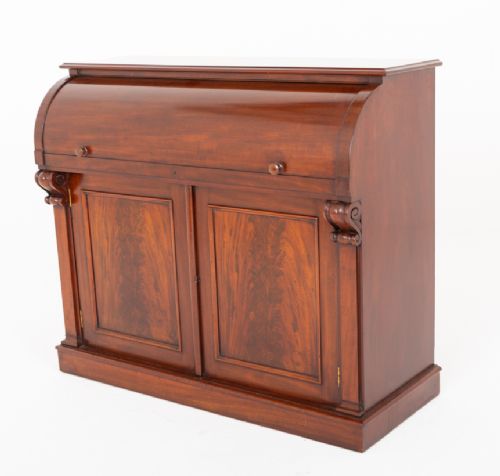
A brown wood desk cabinet combines functional workspace and compartmentalised storage, offering classic timber warmth alongside hidden compartments and display shelving.
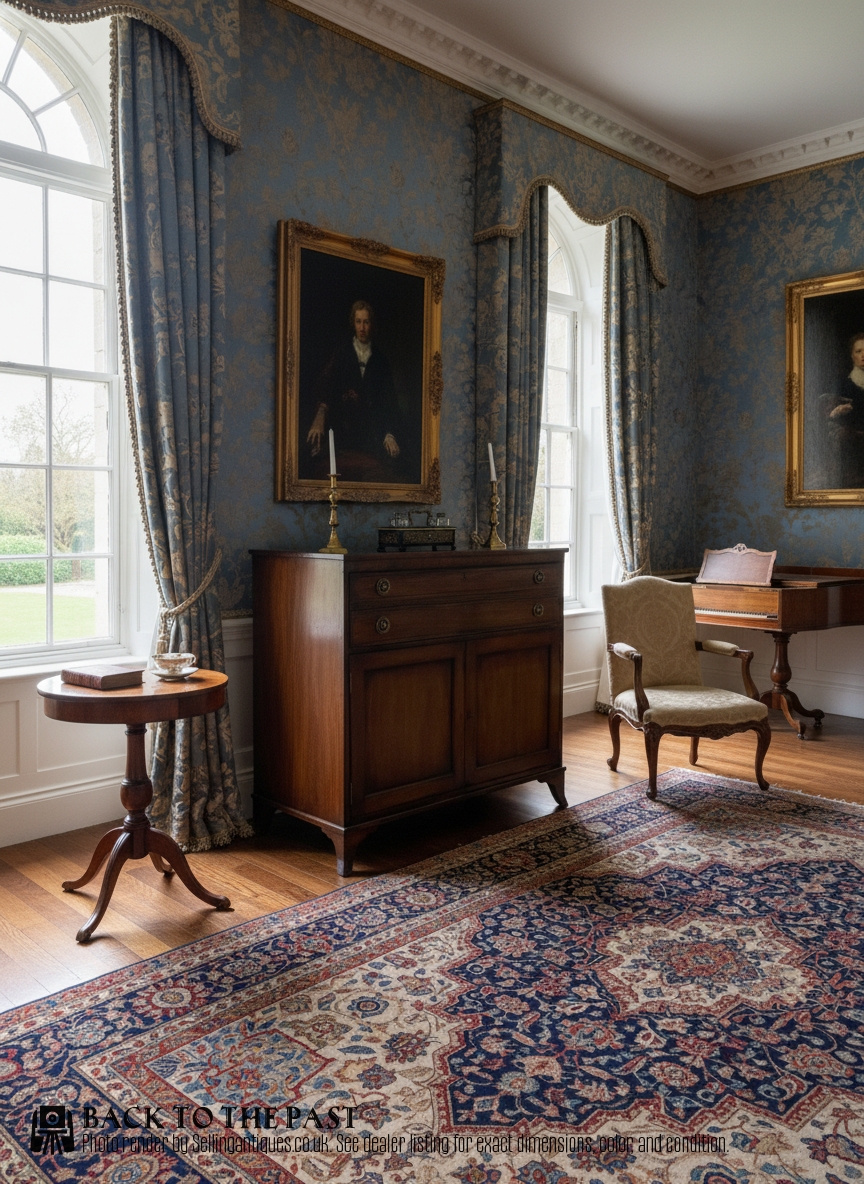
Brown Wood Desk Cabinet
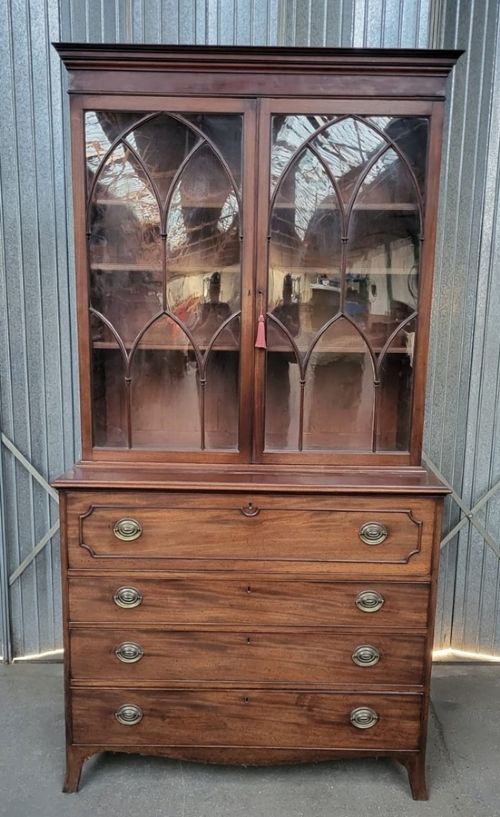
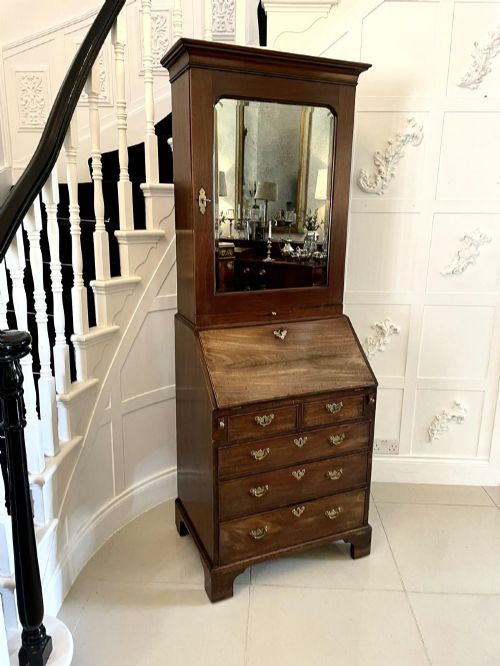
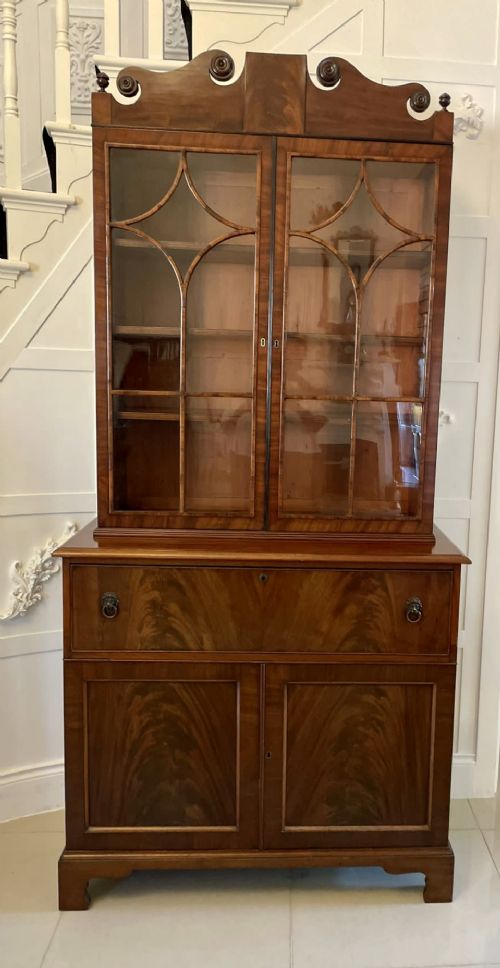
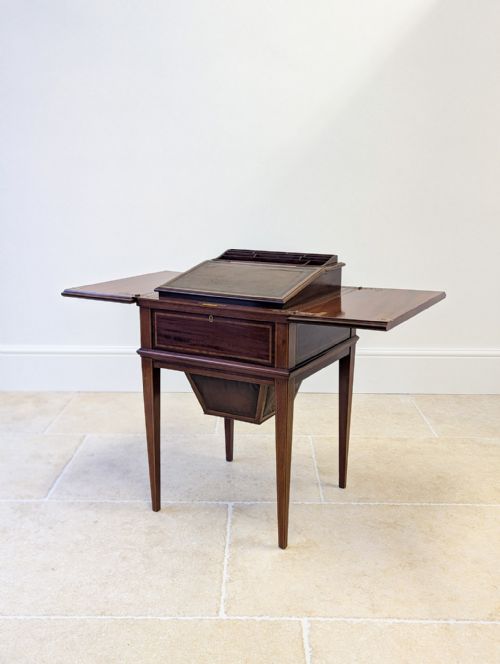
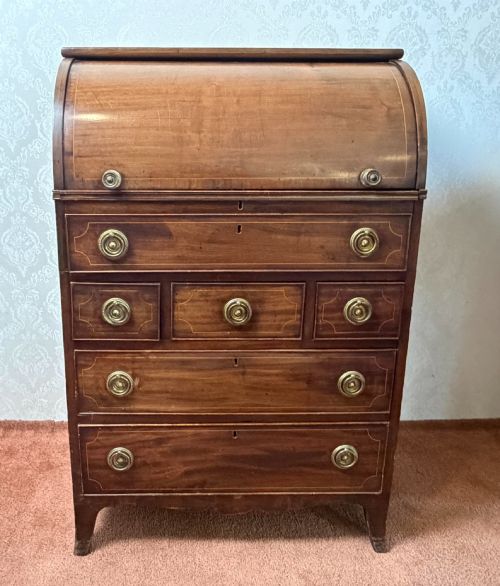
A brown wood desk cabinet encompasses a variety of writing furniture forms, including bureaus, secretaire bookcases, and writing tables. These pieces emerge predominantly from eighteenth-century, nineteenth-century, and Edwardian periods, reflecting shifting domestic requirements for correspondence and record-keeping.
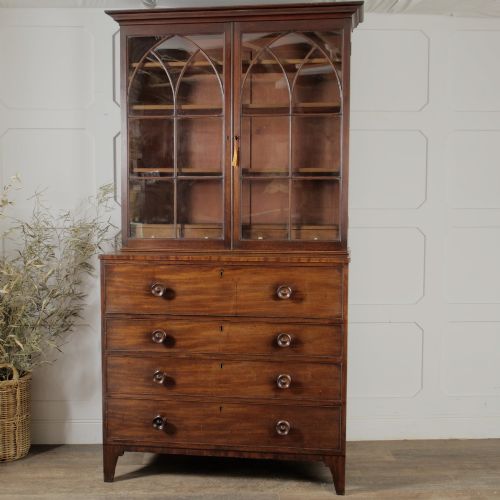
The selections on this page feature regional British designs alongside continental examples such as French writing tables and bonheur du jour pieces. Bureau bookcases dominate the assortment, merging upper shelving with fold-down writing surfaces and lower drawer arrangements.
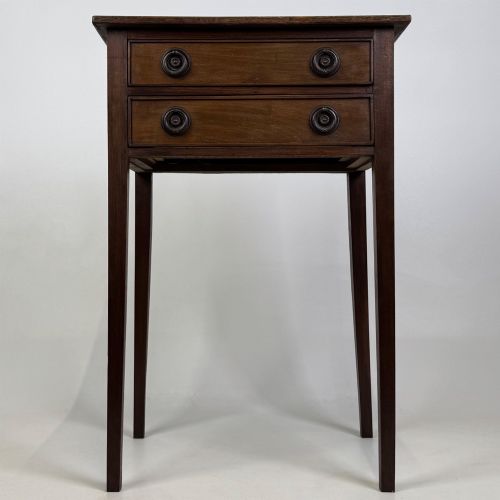
Compact variations such as miniature apprentice samples, games tables, and kneehole desks also appear amongst the broader selection of mahogany, walnut, and oak furniture.
Materials and construction methods
Cabinetmakers utilised dense hardwoods including mahogany, walnut, oak, and exotic veneers such as kingwood and yew wood. These timbers provided structural stability for large bureau bookcases while accepting intricate cross-banding and marquetry decoration.
Secondary structural elements incorporated brass hardware, glazed doors, and leather writing inserts. Surface finishes typically involved French polishing, which highlighted the natural grain patterns of the primary timber.
Distinctions in construction and design
Quality separates pieces through the selection of timber figures and the precision of internal joinery within drawers and pigeonholes. Finer examples display symmetrical wood grains, balanced proportions, and careful integration of decorative elements like ormolu mounts or inlaid banding.
The sophistication of the writing mechanism, such as balanced fall-front hinges and well-fitted secret compartments, indicates the tier of craftsmanship involved. Superior specimens maintain original hardware and glass panels alongside uncompromised structural integrity.
The Brown Wood Desk Cabinet Glossary
- Bureau
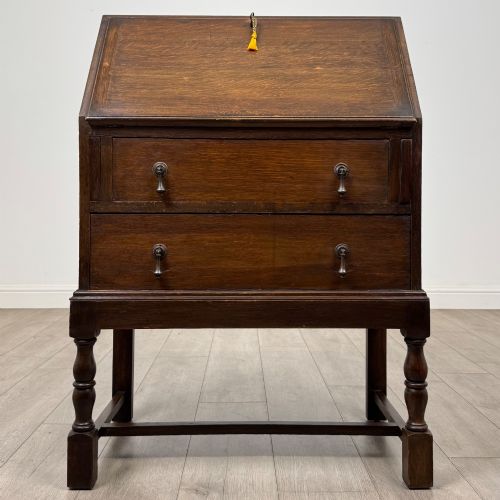
- A desk featuring a sloping hinged lid that drops to reveal a writing surface and small drawers. This form often sits upon a chest of drawers or a dedicated stand.
- Secretaire Bookcase
- A tall cabinet combining upper bookshelf storage with a middle drawer or fall-front panel that pulls down to serve as a writing desk. It represents a substantial piece of architectural furniture.
- Mahogany
- A durable tropical hardwood prized for its reddish-brown colour and stability, heavily utilised by British cabinetmakers from the eighteenth century onwards.
- Bonheur Du Jour
- A light lady's writing desk featuring a tiered superstructure with small drawers and shelves above the main writing surface. Originating in France, it prioritised elegance for correspondence.
- Kneehole Desk
- A compact desk configuration featuring a central recess for the user's legs, flanked by pedestals of smaller drawers. This layout allows seated writing without obstruction.
Brown Wood Desk Cabinet: Frequently Asked Questions
How do I identify a Georgian bureau?
Georgian bureaus generally display solid timber construction, dovetailed drawer joints, and restrained proportions. Mahogany and walnut serve as the predominant woods for this era.
The interior compartments often showcase shaped pigeonholes and concealed locking drawers. Bracket feet or ogee feet typically support the lower section of the cabinet.
Where were secretaire cabinets placed?
Secretaire cabinets found homes in principal reception rooms, libraries, and private drawing rooms of large country houses and town residences. They provided a private space for managing correspondence.
Because they combined book storage and writing facilities, they saved floor space in multi-functional living areas. Their refined exteriors suited formal domestic interiors.
What maintenance do antique wood desks need?
Antique wood desks require stable indoor humidity and protection from direct sunlight to prevent timber splitting and fading. Regular dusting with a soft, dry cloth preserves the polished surface.
Periodic application of appropriate wax polish maintains the moisture level of the timber. Harsh chemical cleaners must be avoided to protect historical finishes.