
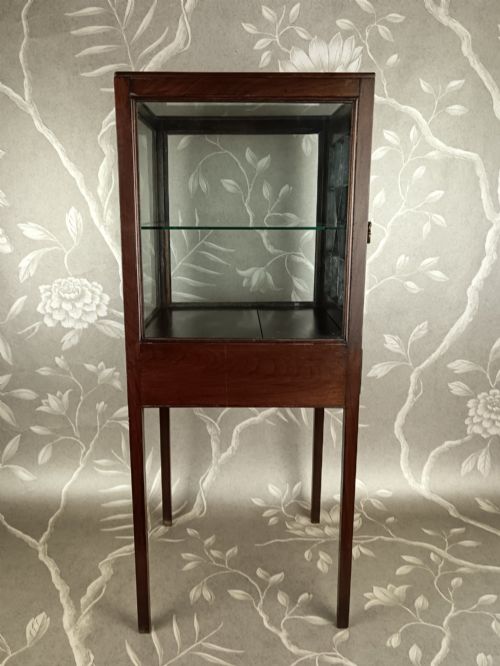
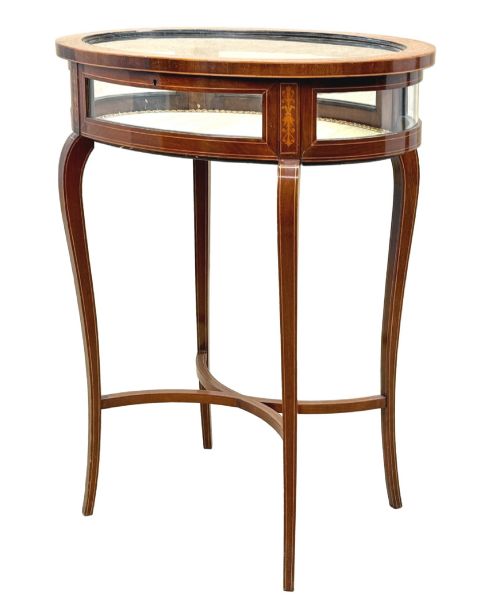
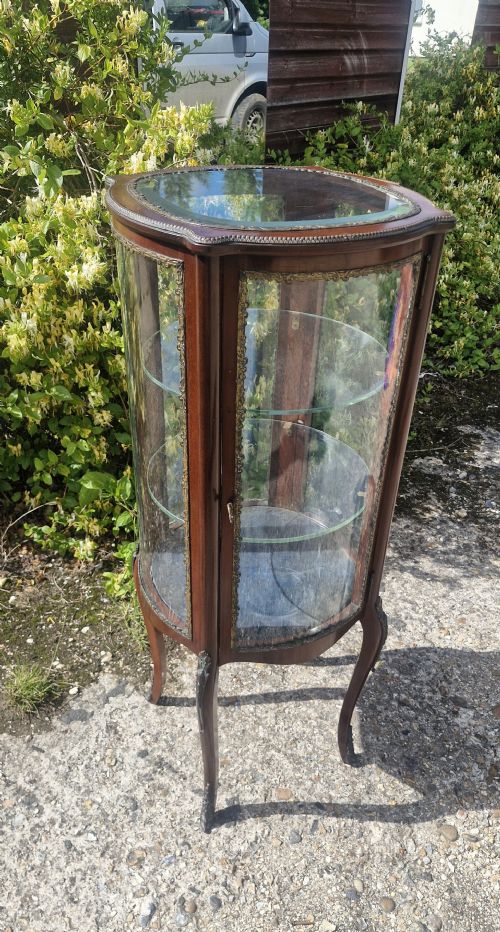
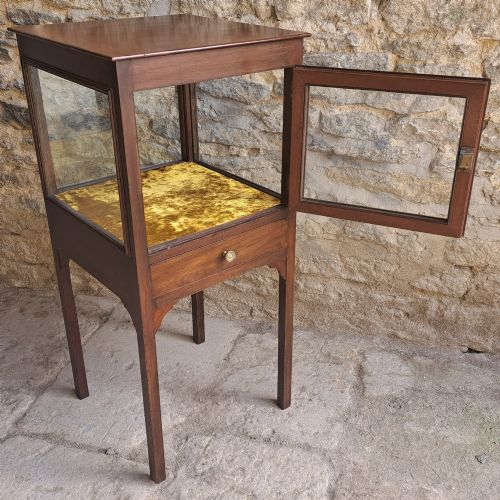


Brown Wood Curio Table
A brown wood curio table puts your prized possessions under glass, combining the warmth of timber with the elegance of a display case.
Brown Wood Curio Table
A brown wood curio table is a specialist piece of furniture designed to exhibit small treasures, jewellery, and collections beneath a glass top. These tables combine the function of a traditional display cabinet with the height and surface of a small table.
Georgian and eighteenth-century origins appear as well, demonstrating enduring craftsmanship in mahogany and satinwood. The forms vary from simple glazed cases to sophisticated inlaid tables designed for drawing rooms.
How they were made
Mahogany forms the primary structural timber across these pieces, frequently enhanced by delicate satinwood banding and marquetry inlay. Cabinet makers utilised this dense wood to achieve stable frames that could support glazed lids and delicate legs.
Glass panels create the viewing area, held securely within wooden framing or secured by gilt metal mounts. Interiors are often lined with velvet or fabric to cushion displayed items and provide a contrasting background.
Brass fittings appear on hinges, locks, and handles, adding functional metalwork that complements the warm tones of the timber. Sheraton revival influences brought restrained classical inlay and slender tapered legs to the construction.
Listings span from eighteenth-century Georgian pieces to Edwardian revivals, predominantly utilising mahogany, glass, and brass.
What varies in quality
The refinement of the timber and the precision of the inlay set the finest examples apart from simpler pieces. Rich grain patterns in the mahogany and intricate marquetry indicate higher workshop standards.
The integration of the glass display case with the structural frame demonstrates the maker's skill. Superior tables feature well-fitted glazed lids that operate smoothly on their original brass hinges.
Decorative mounts in gilt metal and the quality of internal fabric linings distinguish exceptional pieces from standard furniture. Every detail, from the taper of the legs to the choice of secondary woods, reflects the original commission's budget.
The Brown Wood Curio Table Glossary
- Bijouterie table
- A specialist display table with a glass top and upper compartment designed for showing small ornaments and jewellery. They became particularly popular during the Victorian and Edwardian periods.
- Vitrine
- A glass-fronted or glass-topped cabinet used for displaying fine objects and curiosities. The term derives from the French word for glass.
- Satinwood
- A pale, lustrous hardwood utilised for contrasting inlay and stringing on darker furniture. It gained widespread popularity during the Sheraton revival style.
- Whatnot
- A piece of open shelving furniture designed for displaying ornaments, books, or curiosities. Some nineteenth-century examples combine this open format with enclosed display spaces.
Brown Wood Curio Table: Frequently Asked Questions
What is a bijouterie table?
A bijouterie table is a specialised display piece featuring a glazed top and compartment designed to exhibit small valuables and collections. These tables allow owners to view items from above while keeping them protected.
The form emerged strongly in the nineteenth century for drawing rooms, serving both as decorative furniture and practical storage for delicate curiosities.
How do I date a display table?
Dating relies on examining the timber species, construction methods, inlay styles, and hardware present on the piece. Edwardian examples often feature lighter satinwood inlay and slender Edwardian proportions, whereas eighteenth-century pieces display heavier solid mahogany construction.
Secondary woods inside the frame and the style of the brass hinges also provide reliable clues to the exact manufacturing era.
What were these tables used for?
These tables served as sophisticated display surfaces in formal reception rooms where hosts could show off travel souvenirs, fine jewellery, and miniature portraits. Guests would browse the collection through the glass top during social gatherings.
They offered a secure, dust-free environment for delicate objects while remaining part of the room's seating arrangement.
How do I care for mahogany furniture?
Mahogany requires stable indoor humidity away from direct sunlight and heat sources to prevent the timber from warping or splitting. Regular dusting with a soft, dry cloth maintains the finish without needing heavy polishes.
Internal fabric or velvet linings benefit from gentle vacuuming with a low-suction brush attachment to remove accumulated dust.