
Brown Wood Circular Table
A brown wood circular table brings warmth and proportion to a room, offering practical surface space rooted in centuries of cabinet-making tradition.
Brown Wood Circular Table
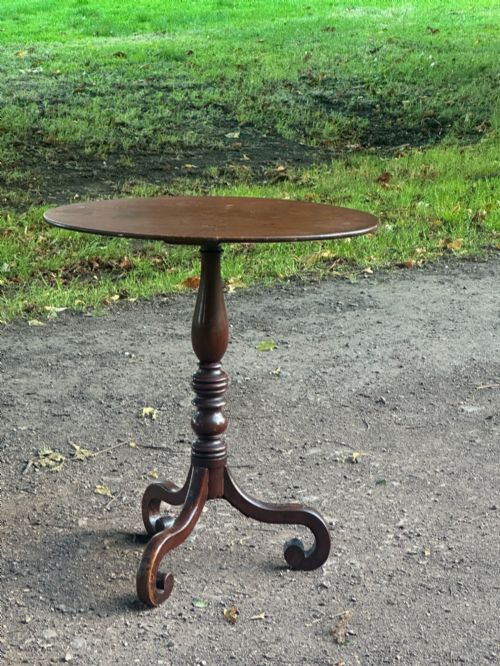
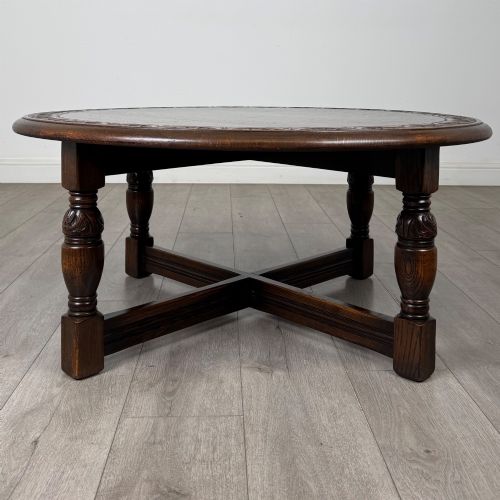
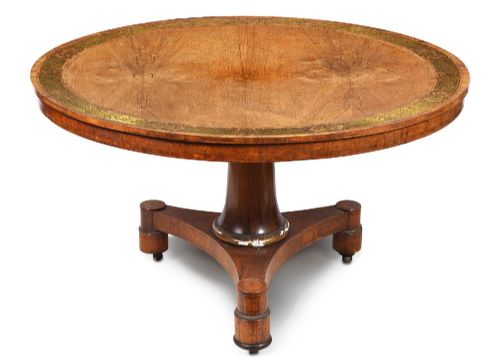
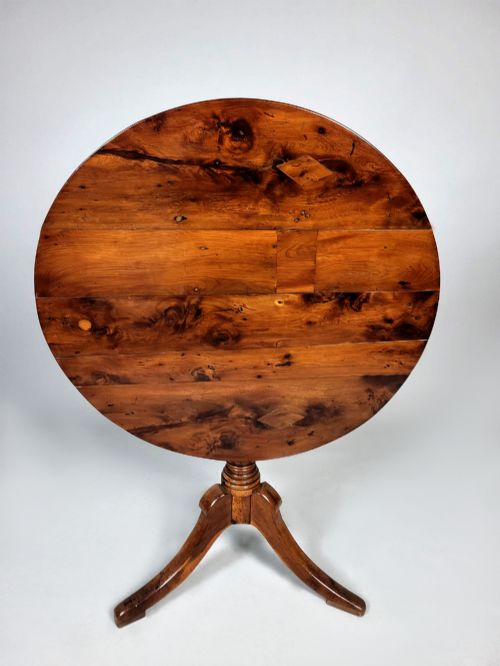
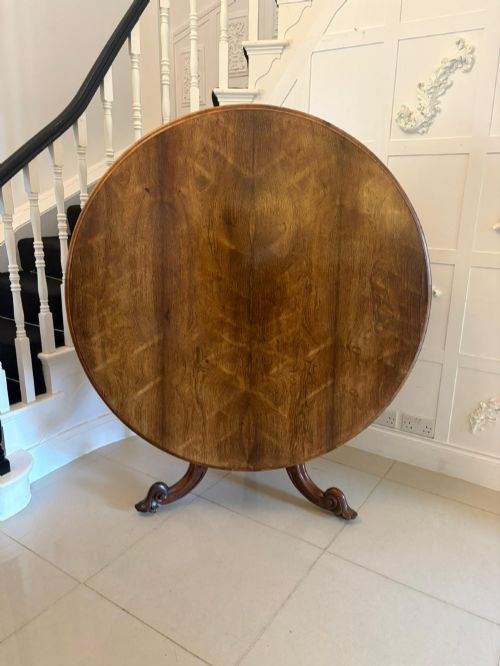
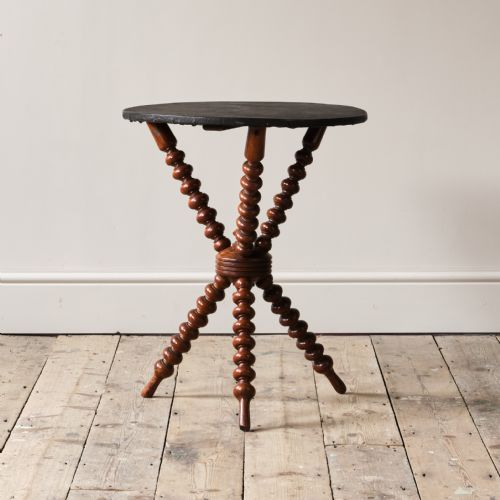
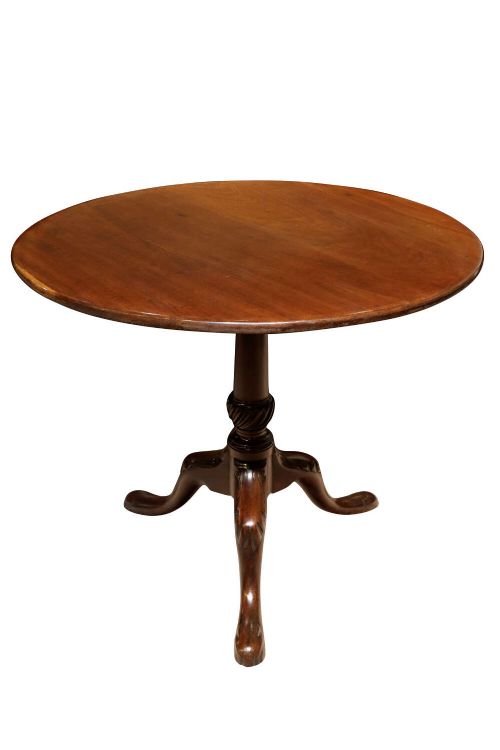
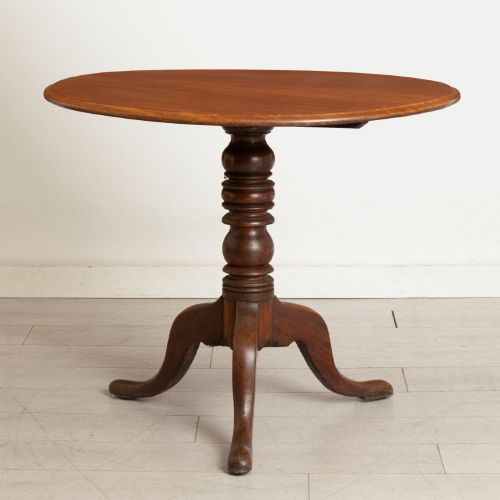
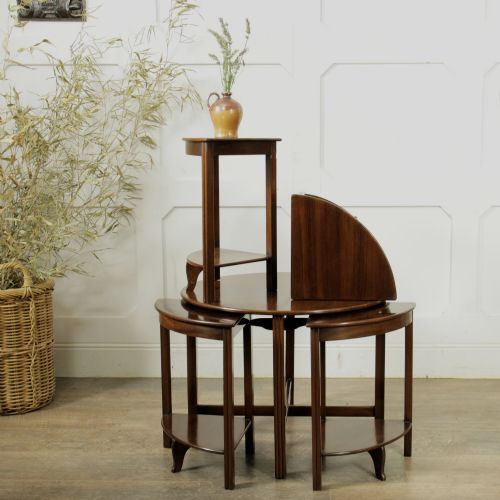
A brown wood circular table appears in numerous guises across this selection, spanning intimate wine tables and occasional pieces to grander dining and centre tables. Buyers searching for a brown wood circular table frequently encounter forms from the Georgian, Victorian, and Edwardian eras alongside later twentieth-century interpretations.
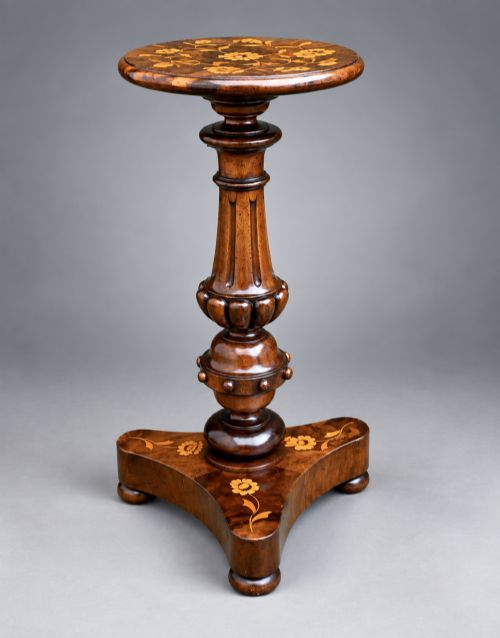
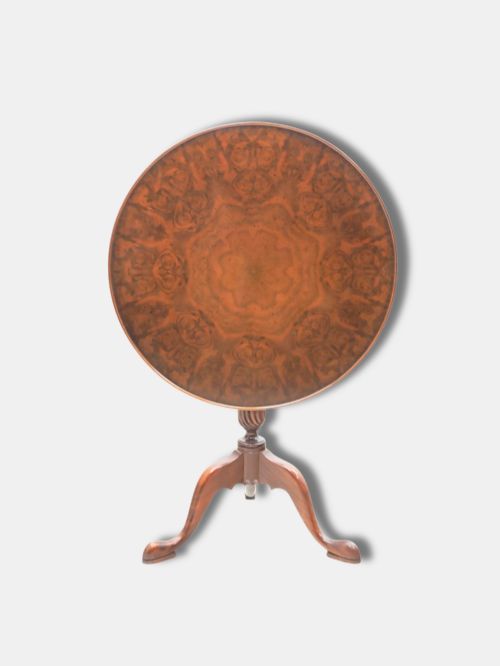
The materials recorded across these pieces encompass traditional timbers such as mahogany, walnut, oak, and rosewood, often shaped into tripod bases, tilt-top mechanisms, or pedestal designs. Simpler country-made elm versions sit alongside finely figured walnut and inlaid Edwardian examples, reflecting diverse domestic uses through the centuries.
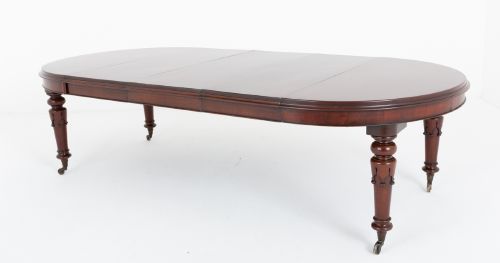
Smaller occasional and wine tables dominate the lighter end of the spectrum, while substantial pedestal dining tables and extending formats cater to larger spaces. Whether selecting a compact Victorian lamp table or a Regency centre table, the circular format encourages social gathering and efficient placement within a room.
Materials and Construction
Cabinet-makers relied heavily on dense hardwoods like mahogany and walnut, frequently selected for their rich grain patterns and durability. Timber was often paired with specialised techniques such as tilt-top mechanisms, birdcage supports, and tripod bases joined with traditional joinery.
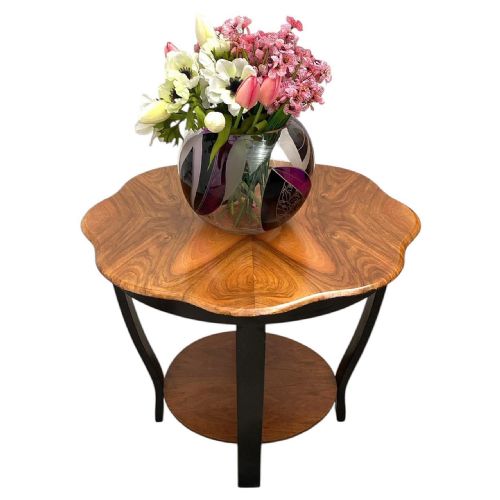
Surface decoration involved marquetry, brass inlay, and satinwood banding to add visual contrast to the primary dark woods. Finishing techniques highlighted the natural figure of the wood, utilising polishes that brought out the depth of burr walnut and figured mahogany over decades of use.
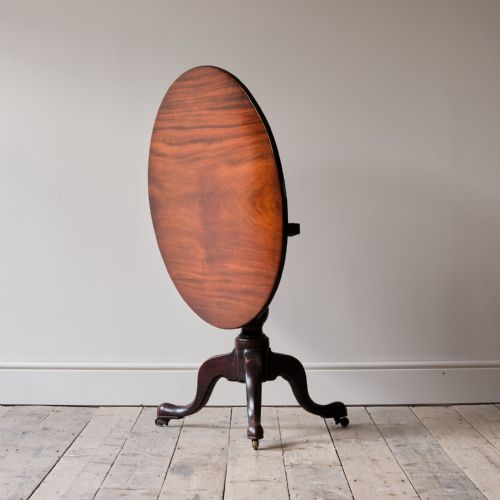
Several tables include clever tilting mechanisms originally designed to tuck the surface flat against the wall like an oversized wooden shield.
Assessing Quality
Quality reveals itself in the selection of timber figures, such as highly prized burr walnut or figured mahogany, matched carefully across the tabletop. Superior pieces demonstrate crisp carving on pedestal bases and precise inlay work rather than painted imitation.
Structural integrity also separates standard items from finer examples, seen in the smooth operation of tilt-top mechanisms, stable tripod legs, and the absence of clumsy repairs. The handling of secondary woods and the neatness of dovetails or joints indicate the skill of the original workshop.
The Brown Wood Circular Table Glossary
- Tilt-top table
- A table with a tabletop that hinges vertically to allow compact storage against a wall when not in use. This clever mechanism became particularly popular on eighteenth-century tripod tables.
- Tripod table
- A small freestanding table supported by a pillar on three spreading legs. These versatile tables were easily moved around rooms for tea or reading.
- Birdcage
- A revolving wooden framework beneath a tabletop that allows the surface to both tilt and rotate. It represents a mark of finer eighteenth-century cabinet-making.
- Marquetry
- The art of applying pieces of veneer to a structure to form decorative patterns and pictures. Craftsmen used various contrasting woods to achieve detailed floral or geometric motifs.
Brown Wood Circular Table: Frequently Asked Questions
How were wine tables used?
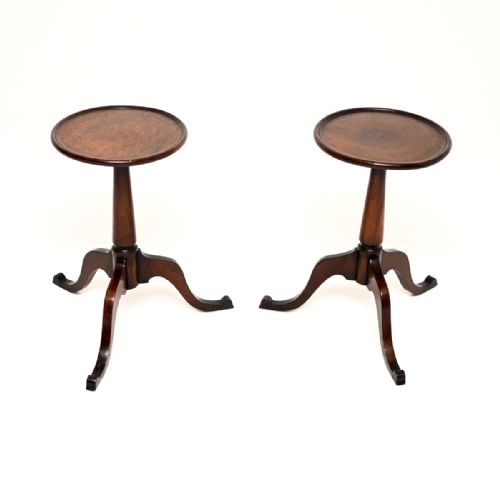
Wine tables served as small, portable surfaces positioned beside seating during evening gatherings to hold glasses, bottles, or candles.
Their compact tripod bases allowed servants to move them easily around a drawing room as guests shifted position.
How do I identify a Georgian table?
Georgian tables often display solid mahogany construction, elegant tripod bases with pad or snake feet, and sometimes birdcage mechanisms.
Craftsmanship from this period emphasises proportion and restrained carving rather than heavy Victorian ornamentation.
Where should I place a centre table?
A centre table stands freely in the middle of a room rather than against a wall, functioning as a focal point.
These larger pieces require ample surrounding space to appreciate their circular tops and pedestal bases fully.