

Brown Wood China Cupboard
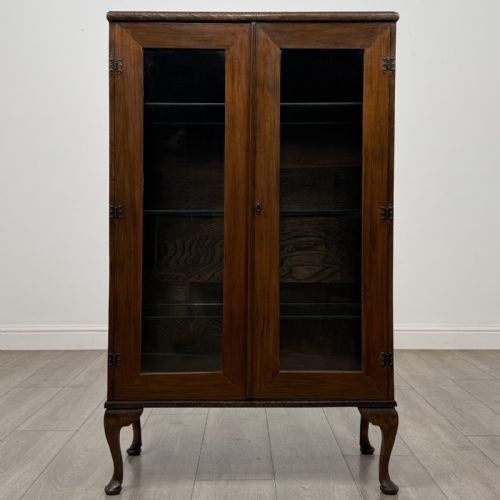
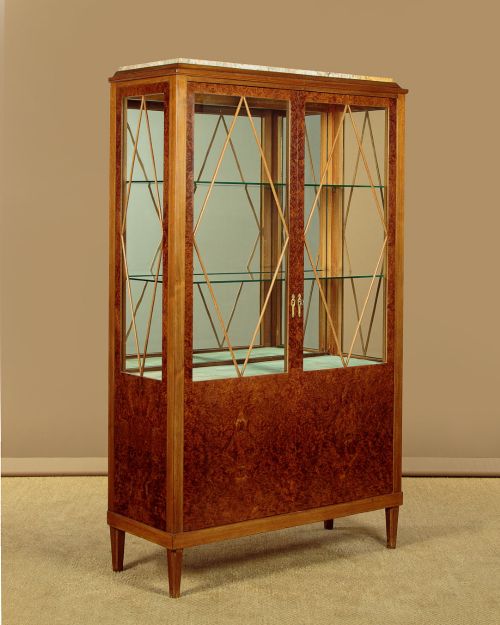
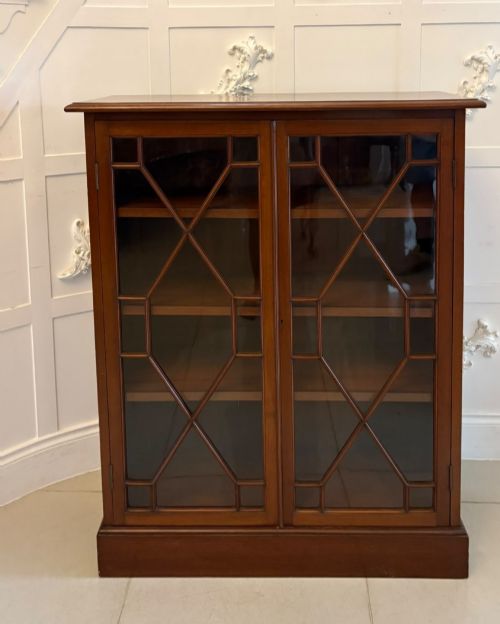
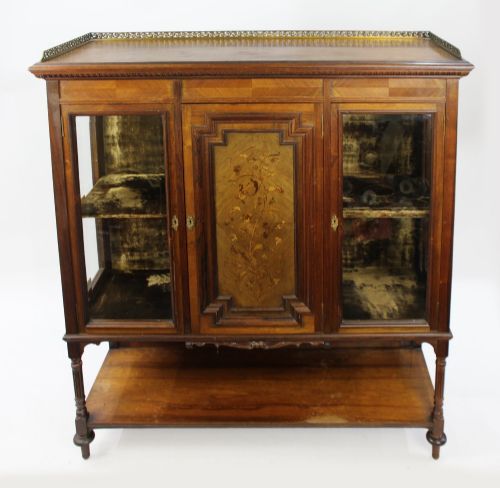
A brown wood china cupboard holds your porcelain behind glass, bringing rich timber grains and traditional craftsmanship directly into a living room or dining space.
Brown Wood China Cupboard
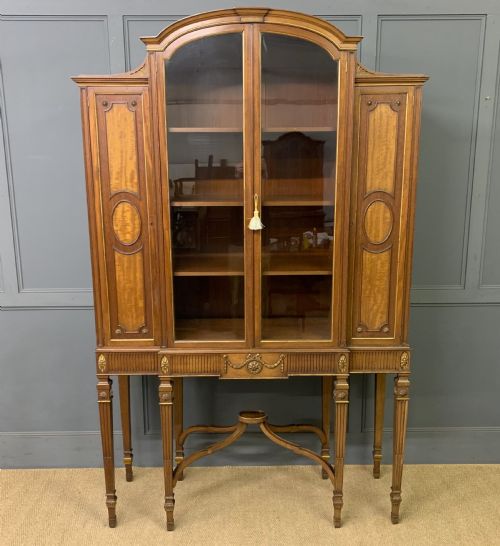
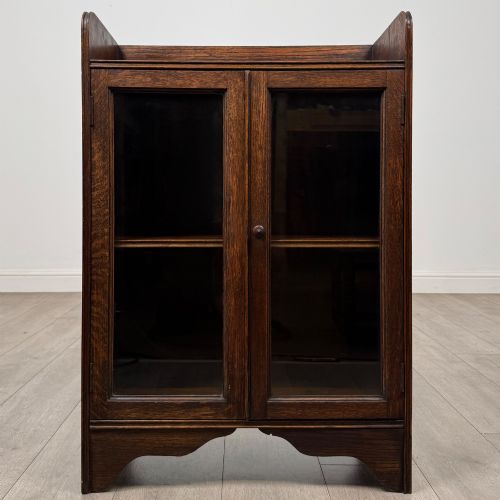
When you search for a brown wood china cupboard, you encounter glazed display cabinets, bookcases, corner cupboards and dressers originating from the eighteenth, nineteenth and early twentieth centuries. These pieces serve primarily to protect and exhibit fine ceramics, glassware and books behind fitted glass doors.
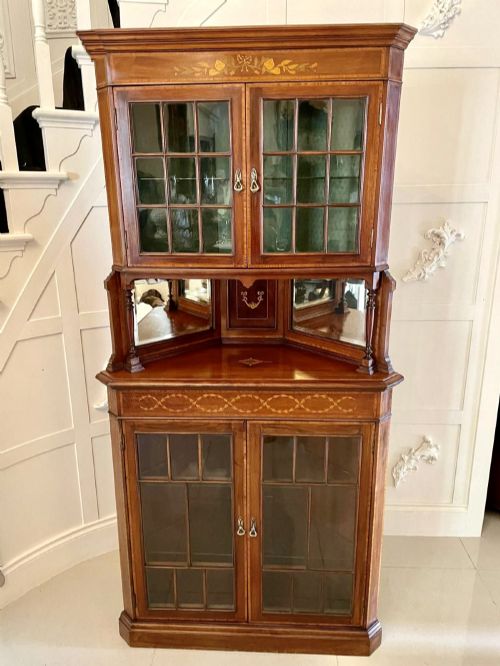
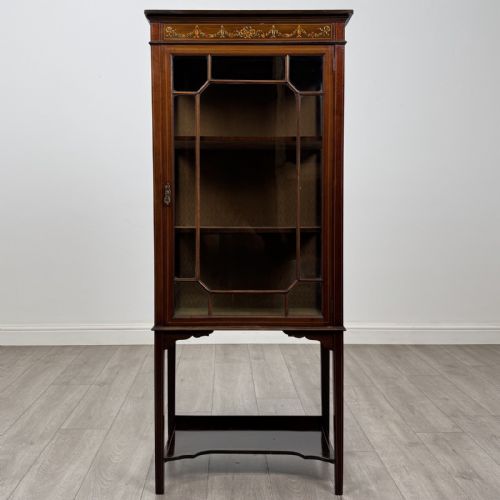
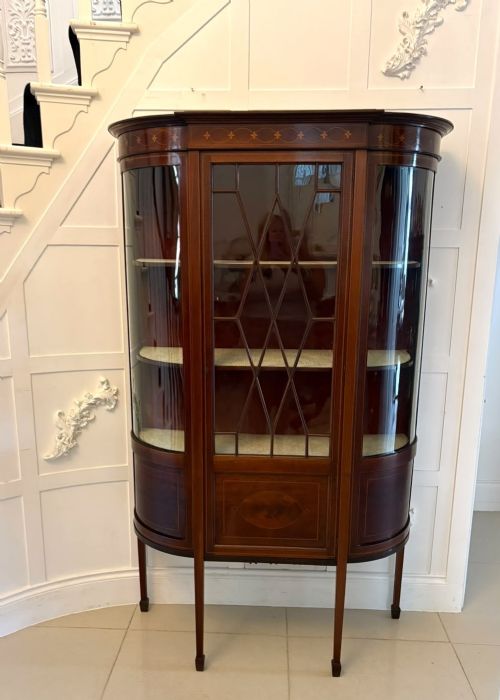
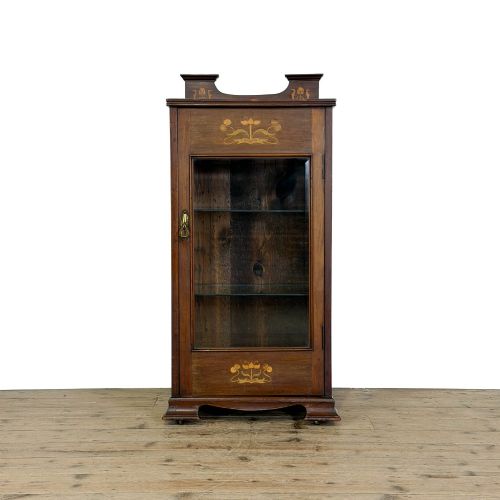
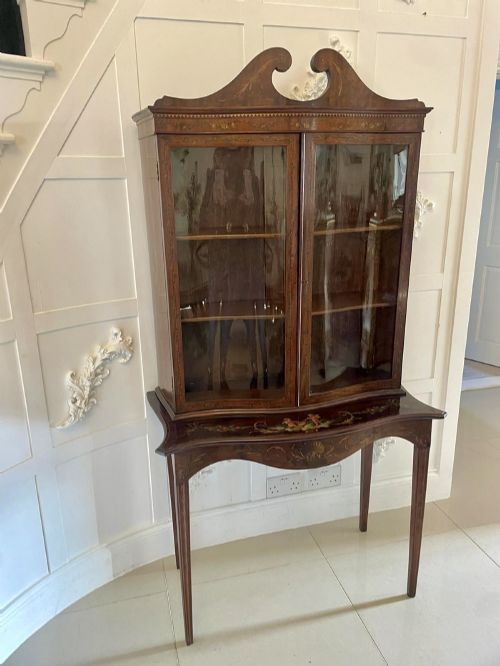
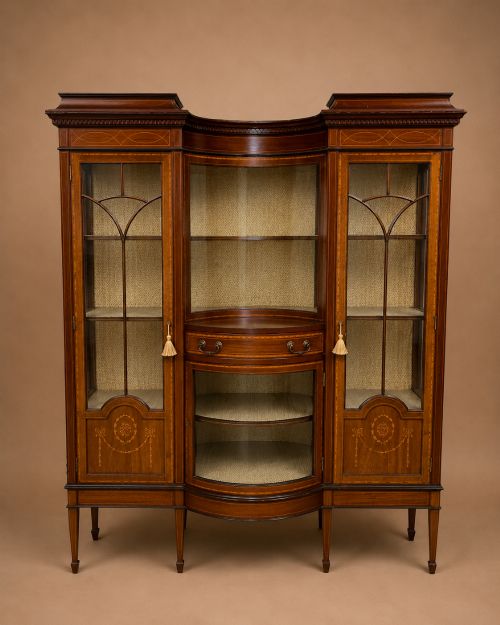
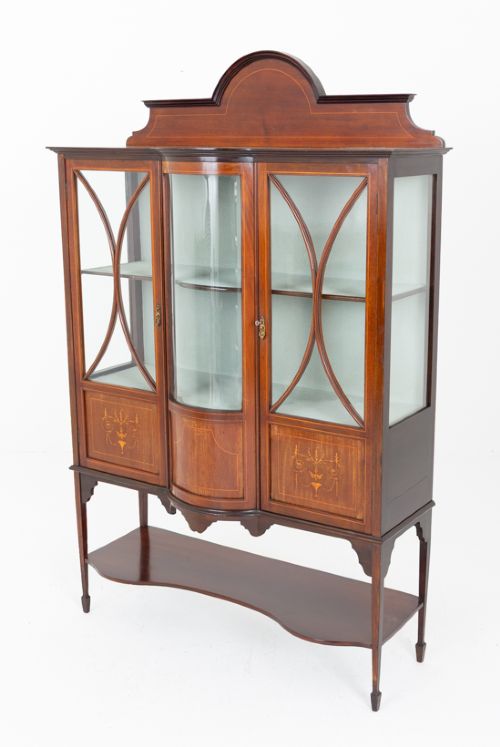
Edwardian and Victorian examples in mahogany, oak and walnut dominate the selection, often incorporating fine details like satinwood inlay, marquetry or painted decoration. Corner cabinets and floor-standing vitrines provide practical solutions for varying interior layouts while keeping your collection visible.
Origins span British workshops of the Georgian, Victorian and Edwardian eras alongside continental pieces such as French oak commodes and vitrines. Each form demonstrates how cabinetmakers adapted timber frames to domestic storage needs over three centuries.
Materials and construction methods
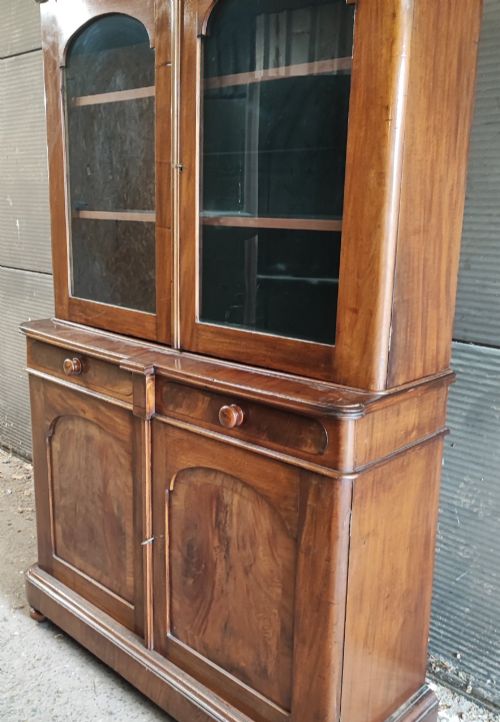
Makers built these cabinets using dense hardwoods like mahogany, oak and walnut as structural carcases, frequently applying lighter veneers such as satinwood and kingwood for decorative contrast. Timber selection dictated the character of the grain, whether straight and reddish-brown in mahogany or richly figured in burr walnut.
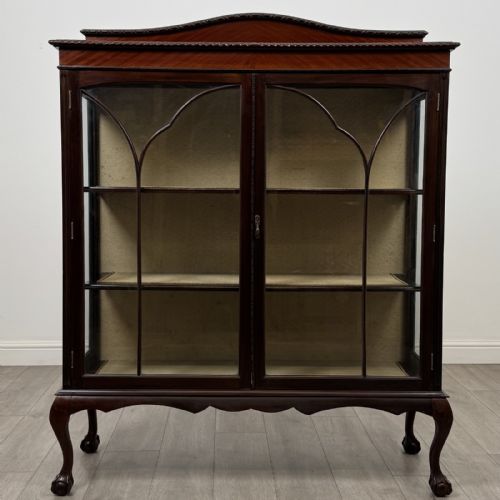
Glazing bars divided the glass panels into geometric or Gothic arch patterns, while brass hardware secured doors and drawers. Inlaid details employed contrasting wood species and marquetry techniques to ornament the surfaces of late nineteenth and Edwardian pieces.
Some Edwardian cabinets hide secret proportions behind gentle bow fronts, asking little more than a corner of a room to show off your tea sets.
Distinguishing quality across the range
The degree of hand-finishing in the timber carving, marquetry and inlay work separates standard utility storage from fine cabinetmaking. Superior pieces display precise matching of wood veneers and cleanly executed glazing bars rather than heavy or mechanical assembly.
The choice of primary timber and secondary framing woods indicates the standing of the workshop. Dense, well-figured mahogany or burr walnut paired with original painted decoration or quality brass mounts denotes a higher standard of production.
Edwards & Roberts·Wylie and Lochhead Ltd
The Brown Wood China Cupboard Glossary
- Vitrine
- A glass-fronted cabinet designed specifically for displaying fine porcelain, curiosities and objects of art. These pieces typically feature glazed sides as well as doors to maximise ambient light on the contents.
- Marquetry
- The art of applying decorative pieces of veneer to a structural structure to form intricate picture designs or geometric patterns. Makers utilised different coloured woods to create contrast without using paint.
- Bow-ended
- A cabinet front curved in a convex sweep rather than flat or serpentine. This shaping softens the silhouette of larger timber furniture in a room.
- Glazing bars
- The narrow wooden strips that hold individual panes of glass within a frame. Elaborate arrangements like Gothic arches demand considerable joinery skill.
- Serpentine
- A curved furniture front characterised by a concave centre flanked by convex ends. This flowing contour requires careful shaping of solid timber or veneer.
Brown Wood China Cupboard: Frequently Asked Questions
What is a brown wood china cupboard used for?
These cabinets provide enclosed shelving behind glass doors to display porcelain, china sets and glassware while keeping them free from household dust. They also serve as bookcases or general display furniture in living rooms and dining areas.
Interior shelves allow you to arrange collections at eye level, turning utilitarian storage into a decorative feature within a room.
How do I identify an Edwardian china cabinet?
Edwardian pieces often feature lighter timbers, satinwood inlay, and tapered legs, reflecting the neoclassical revival styles popular around nineteen hundred. They frequently utilise mahogany or oak with delicate glazing bar arrangements.
Construction methods from this period balance traditional hand joinery with early factory production techniques, resulting in lighter proportions than heavier Victorian designs.
Are corner cupboards practical for small rooms?
Corner cupboards and corner cabinets fit neatly into unused wall junctions, making them ideal for maximising floor space in compact dining rooms or hallways. Their triangular footprint allows storage capacity without protruding far into the room.
Glazed upper sections maintain an open, airy feel while housing your ceramics away from everyday traffic.