
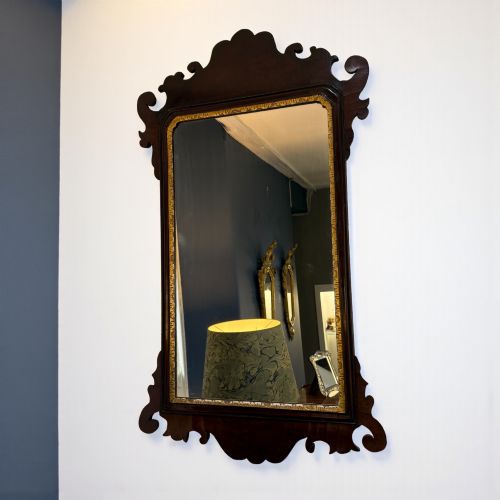
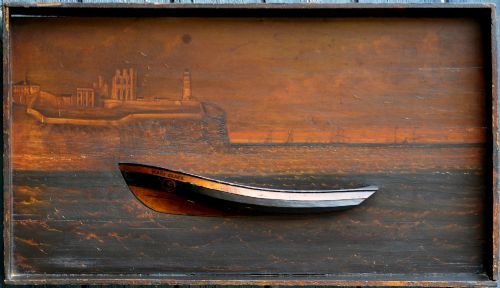
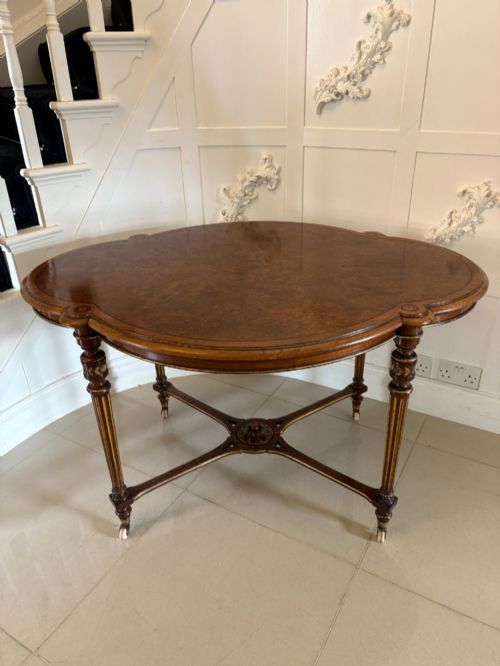
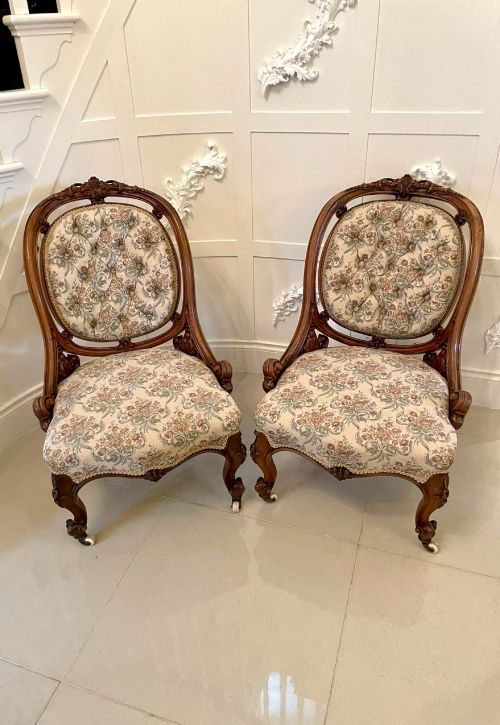
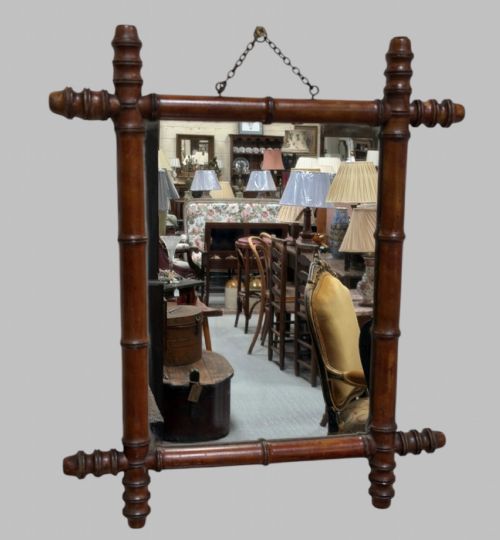
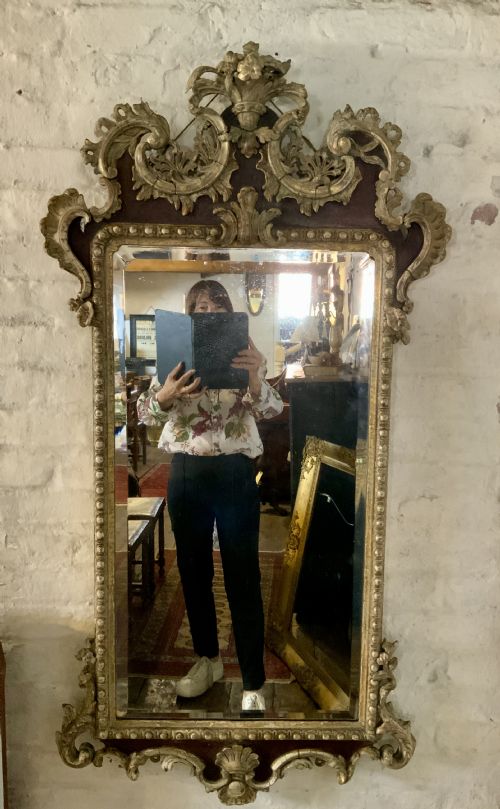
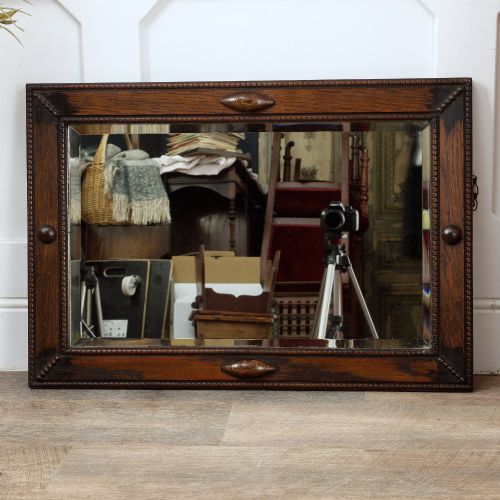
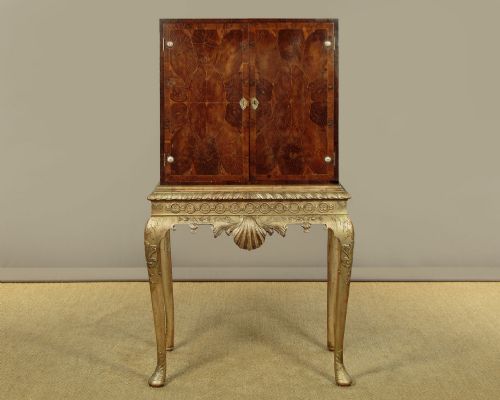
Brown Wood Carved Frame
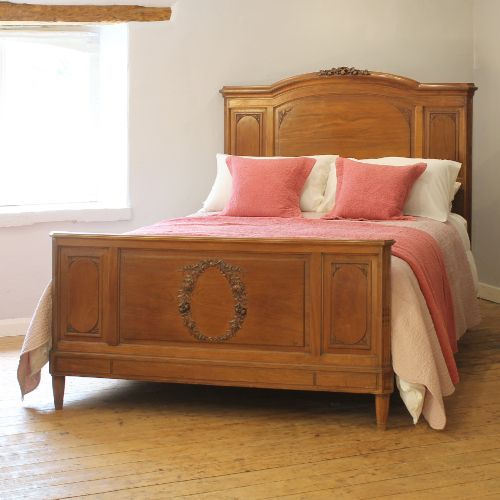
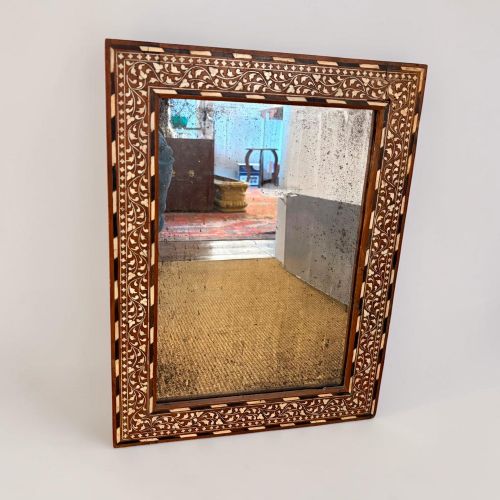
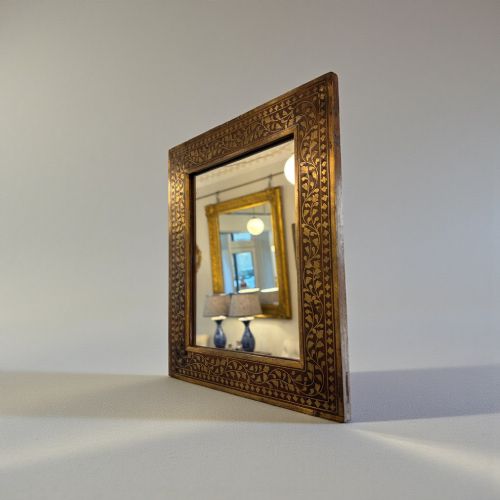
These brown wood carved frame pieces span centuries of cabinet-making and provide substantial wall mirrors, beds, and seating.
Brown Wood Carved Frame
When you search for a brown wood carved frame, you encounter a diverse selection of mirrors, beds, seating, and artwork dating from the eighteenth century through to the early twentieth century. These furnishings range from compact wall mirrors to large architectural overmantel pieces and robust bedframes.
The most common items meeting this description on this page are wooden framed mirrors and bedsteads reflecting periods such as the Victorian era, the Regency period, and the eighteenth century. Makers utilised sturdy timbers like oak, mahogany, and walnut, often applying elaborate carving or revival styles.
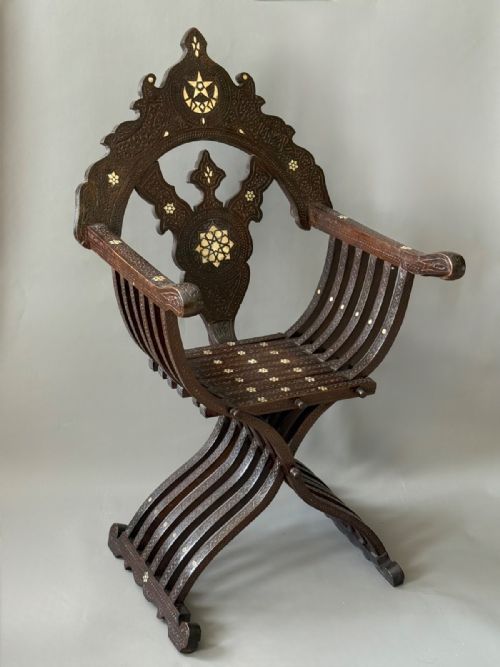
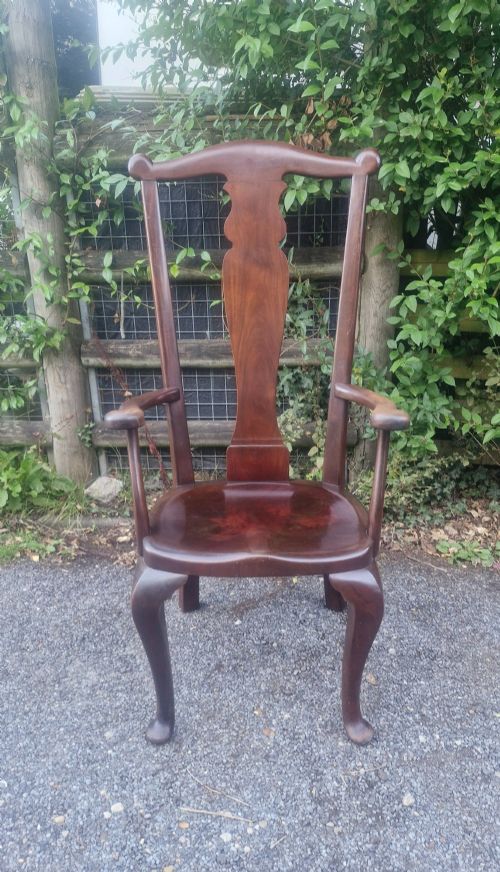
Beyond mirrors and beds, the selection includes armchairs, stools, and oil paintings housed in wooden surrounds. These objects display regional and stylistic diversity, spanning English cabinet-making, French revival designs, and Asian craftsmanship.
Materials and construction methods
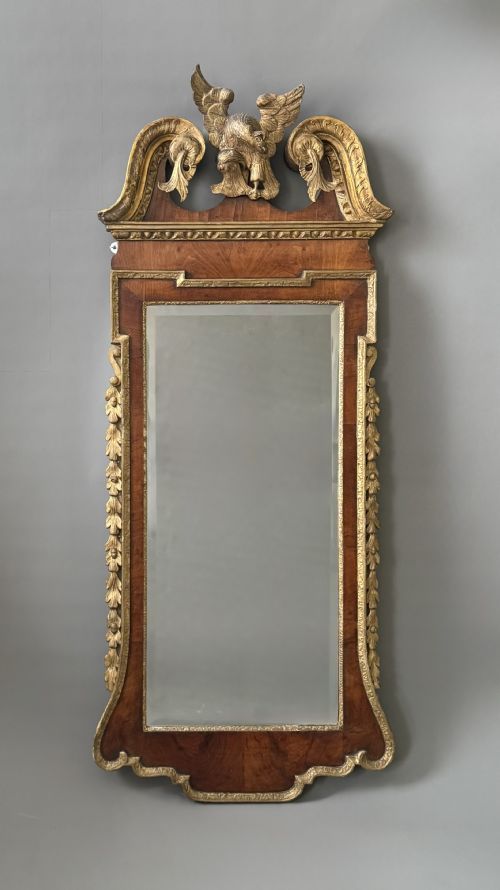
Makers constructed these frames using dense hardwoods including mahogany, walnut, oak, yew, and beech. Many items incorporate parcel gilt details or giltwood accents to highlight carved surface decoration.
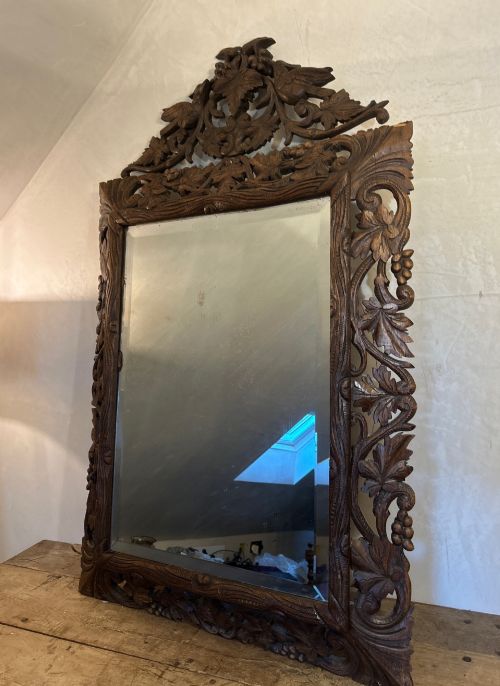
Carpenters and joiners employed traditional jointing techniques suited to each form, from large bedsteads to wall mirrors and clock cases. Carving was executed by hand directly into the timber, creating relief patterns, architectural fretwork, or faux bamboo effects.
One piece incorporates cork tramp art, proving that even packing waste found a second life as intricate wall decor.
Distinctions in quality and execution
The distinction between standard items and superior examples lies in the depth and crispness of the hand carving, alongside the selection of figured timber veneers such as burr walnut or Cuban mahogany. Well-executed pieces show precise joinery and well-balanced proportions that respect historical styles.
Workmanship in secondary elements, such as theingenuity of fretwork cutting or the integration of parcel gilding, separates routine production from master cabinet-making. Superior pieces retain their original glass, structural integrity, and surface patination.
Gillows·P & MA Nicholson
The Brown Wood Carved Frame Glossary
- Overmantel mirror
- A large mirror designed to hang specifically above a fireplace mantelpiece. They often feature architectural frames suited to nineteenth-century interiors.
- Parcel gilt
- Partially gilded woodwork where gold leaf highlights specific carved details against a dark wood or painted ground. This technique adds depth and contrast to frames.
- Fretwork
- Ornamental design created by cutting patterns through thin boards of wood using a scroll saw or piercing tools. It appears frequently on eighteenth and nineteenth-century mirror frames.
- Cheval mirror
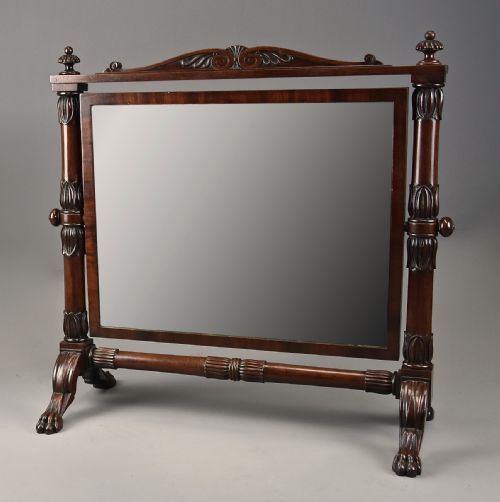
- A full-length mirror hung in a frame that allows it to tilt back and forth on vertical pivots. They typically stand on sturdy floor bases.
Brown Wood Carved Frame: Frequently Asked Questions
What periods do these frames represent?
The pieces span from the eighteenth century through the Victorian and Edwardian eras up to the early twentieth century. Styles encompass Georgian, Regency, Queen Anne Revival, and French design influences.
Craftsmen across these periods worked in solid hardwoods, applying traditional construction methods and decorative carving appropriate to their respective decades.
How do I identify a Victorian mirror?
Victorian mirrors often display heavy timber frames in oak or mahogany, frequently featuring deep moulding, robust carved ornamentation, or architectural overmantel proportions. Their construction reflects industrial-era output alongside traditional cabinet-making.
Many incorporate bevelled plate glass or retain original backing boards and fixings typical of nineteenth-century workshops.
What is parcel gilding?
Parcel gilding is a decorative technique where thin sheets of gold leaf are applied selectively to specific carved details on a wooden object. This leaves portions of the underlying walnut, oak, or mahogany exposed.
Cabinet-makers used this method to accentuate high-relief carving and create visual contrast on formal wall mirrors and stands.
How were four-poster beds constructed?
Four-poster beds were built using substantial hardwood frames in mahogany, walnut, or oak, featuring four vertical posts supporting an upper tester canopy. Joinery relied on heavy timber tenons and pegged joints to support the weight of the structure.
Makers frequently incorporated carved headboards and turned or fluted posts reflecting Georgian, Victorian, or French revival tastes.