



Brown Wood Caddy Table
These brown wood caddy table pieces combine practical utility with period character, offering functional storage alongside classic aesthetic appeal for the home.
Brown Wood Caddy Table
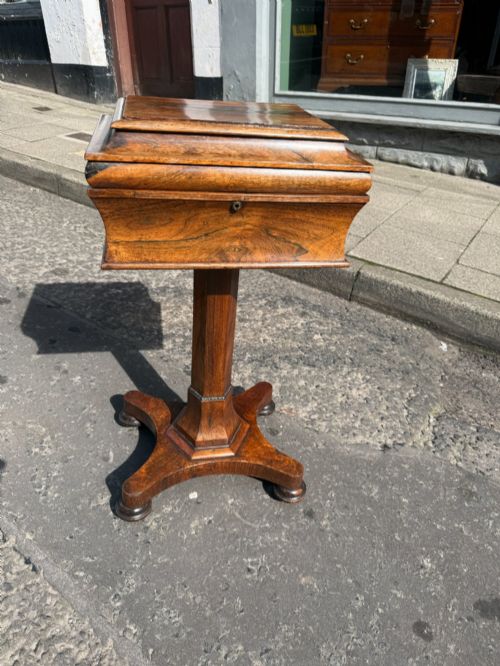
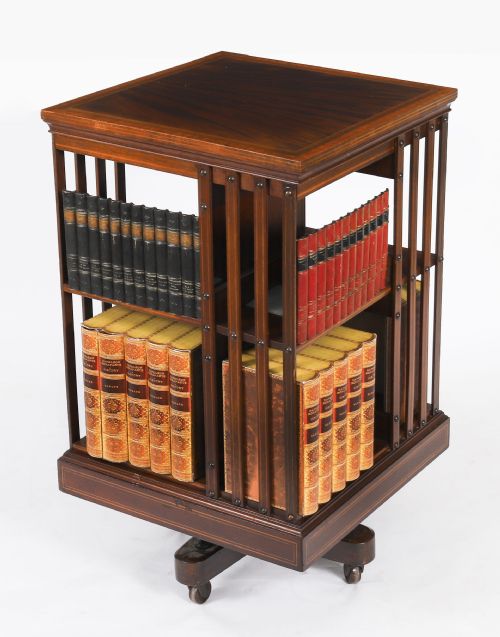
A brown wood caddy table encompasses various utilitarian forms ranging from traditional tea caddies and teapoys to revolving bookcases and desktop storage units. Buyers searching for these items encounter diverse historical examples that served specific domestic functions in period interiors.
Makers utilised a variety of rich timbers to construct these items, resulting in distinct visual textures and tones across different forms. Examples include burr elm, flame mahogany, rosewood, burr maple, and satinwood, frequently complemented by secondary materials like brass hardware and glass.
Materials and construction methods
Cabinetmakers employed dense hardwoods such as mahogany, rosewood, walnut, and burr elm as primary surfaces, often selecting figured veneers to create striking grain patterns on lids and panels. These woods provided the structural stability necessary for items subject to frequent daily handling.
Decorative detailing on these pieces frequently involved fine inlay work using lighter timbers like satinwood, alongside cast brass handles, hinges, and feet that punctuated the dark wood tones. Joinery techniques varied from traditional dovetailing in internal compartments to sturdy pivoting mechanisms built into revolving book stands.
Form variations range from lidded teapoys and spirits tables to tabletop and floor-standing revolving bookcases.
Evaluating quality in period pieces
Quality in these items is determined by the selection of timber veneers, where highly figured burr woods and rich flame mahogany indicate superior material choice by the maker. The crispness of inlaid details and the weight of brass mounts further distinguish finer examples from standard production.
Structural integrity and the smooth operation of mechanical elements, such as revolving book platforms or lidded compartments, reflect the original standard of craftsmanship. Pieces retaining their original hardware and interior fittings demonstrate greater authenticity and preservation of design.
Mappin & Webb
The Brown Wood Caddy Table Glossary
- Teapoy
- A freestanding piece of furniture historically used for storing loose tea, typically featuring a lidded box on a central pillar or legs.
- Revolving bookcase
- A compact shelving unit mounted on a rotating base designed to sit on a floor, desk, or table for easy book access.
- Inlay
- A decorative technique where pieces of contrasting timber or material are inserted into recesses within the primary wood surface.
- Bracket clock
- A portable household clock, often housed in a wooden case with a carrying handle, designed to sit on a bracket or shelf.
- Flame mahogany
- A highly figured cut of mahogany timber displaying undulating, flame-like grain patterns prized by cabinetmakers.
Brown Wood Caddy Table: Frequently Asked Questions
What is a teapoy used for?
Historically, a teapoy served as a secure repository for expensive loose tea leaves, often containing internal caddies and mixing bowls. Today, these lidded compartments function well for storing small household items while maintaining period decorative charm in a living space.
Their compact footprints allow them to sit easily beside seating areas or in hallways, functioning similarly to small side tables with the added benefit of enclosed storage.
What woods were used for these tables?
Cabinetmakers relied heavily on dense tropical hardwoods like mahogany and rosewood, alongside indigenous decorative timbers such as walnut, elm, and yew. Exotic veneers were frequently chosen for their natural grain patterns and rich natural colour.
Secondary woods like oak or pine often form the internal framing and drawer linings, providing structural rigidity beneath the decorative exterior surfaces.
How do I date an Edwardian piece?
Edwardian items typically date from the reign of King Edward VII between 1901 and 1910, reflecting lighter proportions and varied revival styles. Makers of this era often combined mahogany with delicate satinwood inlay or adopted modern forms like the revolving book stand.
Construction hallmarks of the period include machine-sawn timber elements alongside traditional hand-finishing, distinguishing them from earlier Georgian and Regency antiques.