



Brown Wood Box Drawers
Brown wood box drawers gather the small scaled containers and miniature chests that keep precious objects orderly.
Brown Wood Box Drawers
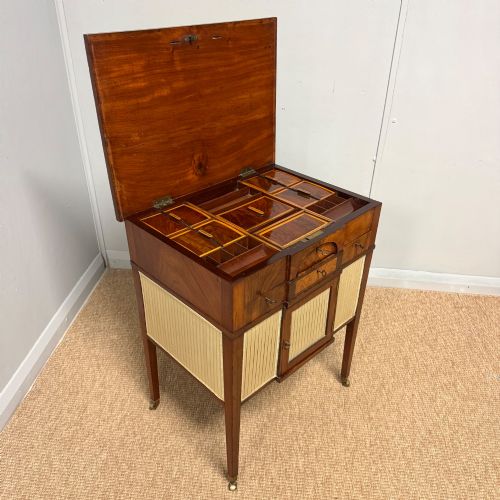
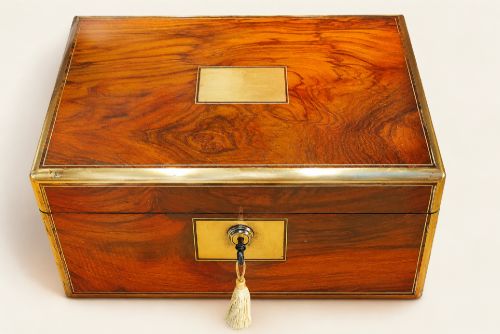
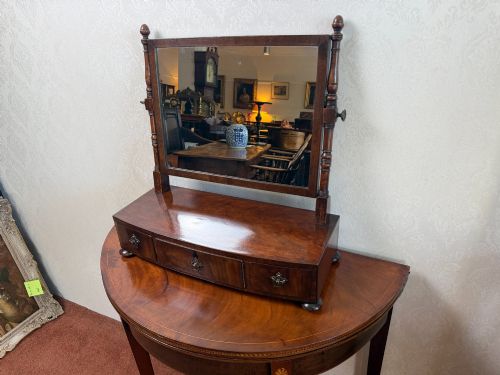
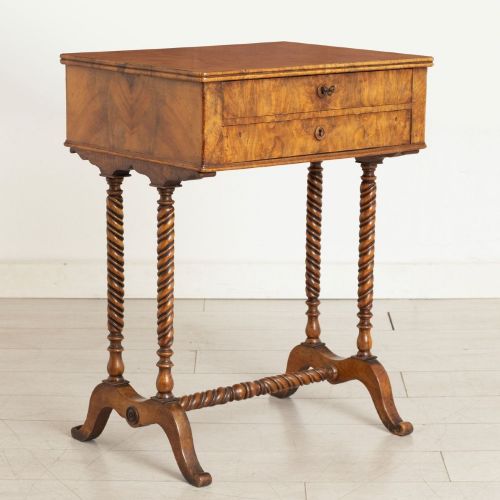
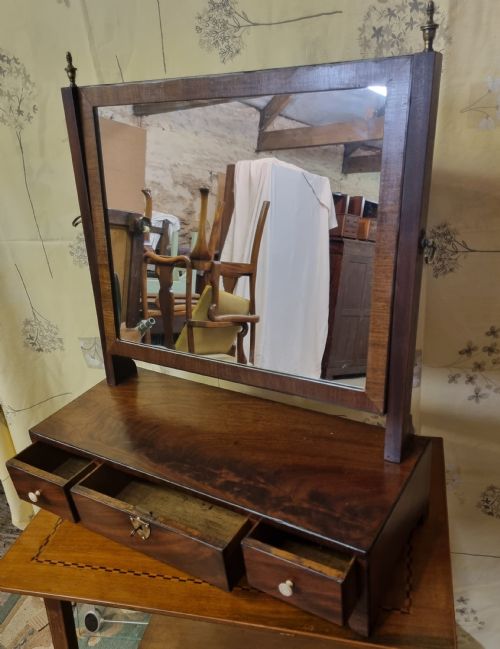
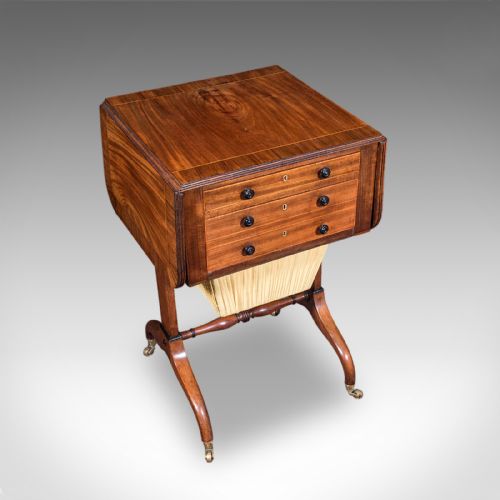
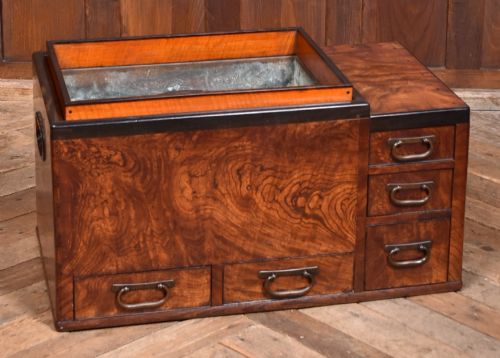
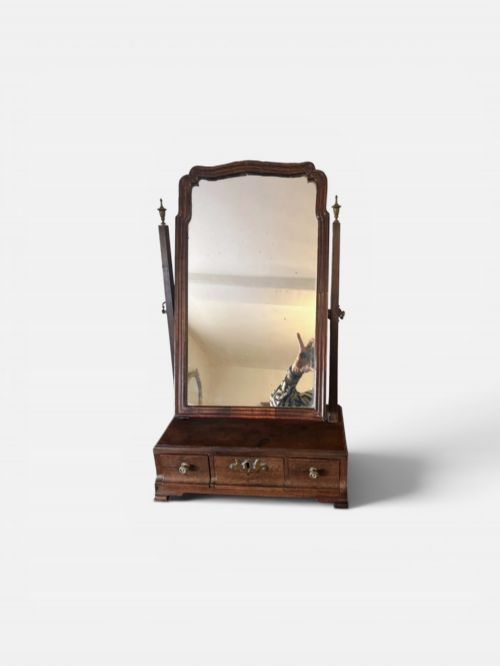
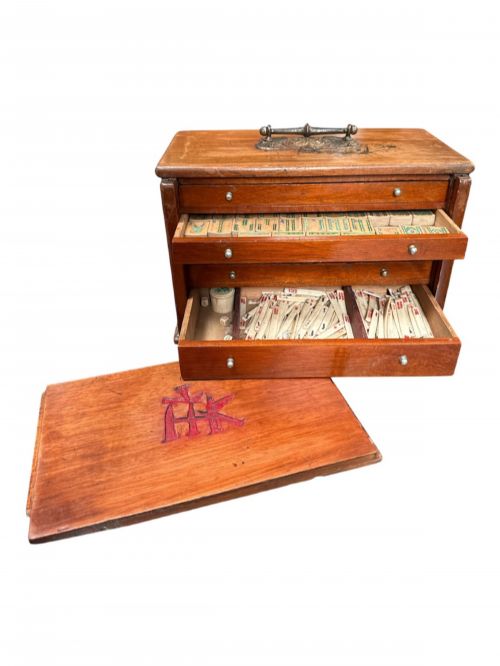
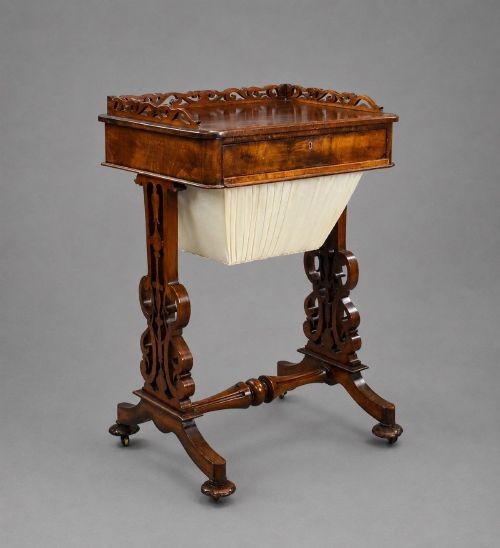
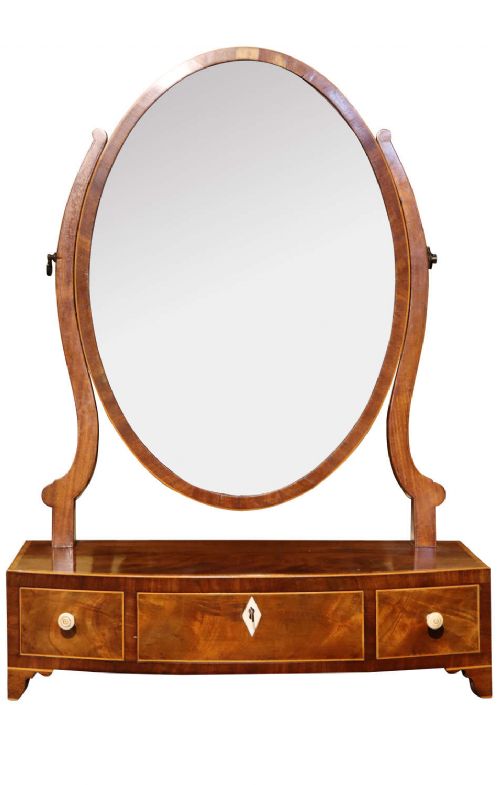
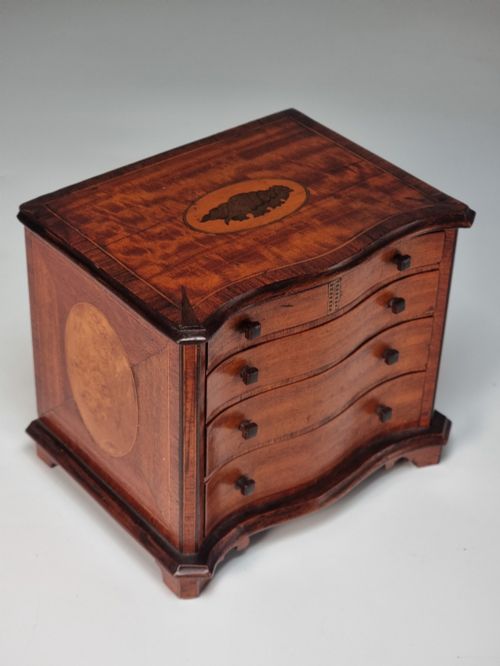
These brown wood box drawers encompass everything from tabletop dressing mirrors with fitted bases to miniature chests of drawers, apprentice pieces, and small collectors cabinets. You will frequently encounter Georgian and Victorian examples constructed in timber, serving specific domestic purposes such as holding jewellery, sewing equipment, or documents.
The assortment draws heavily on period forms like swing mirrors, table top chests, and compact work tables fitted with internal compartments. Mahogany, oak, and walnut dominate the selection, appearing across centuries of cabinet making from the seventeenth century through to the Edwardian era.
Materials and construction
Cabinet makers utilised solid timbers and choice veneers, applying mahogany, walnut, oak, and elm over structural carcases. Crossbanding, burr walnut veneers, and satinwood add decorative contrast to the primary wood bodies.
Metal fittings in brass provide operational hardware for handles, escutcheons, and swing mirror pivots. Bone and mother of pearl frequently appear as inlay elements, creating subtle geometric or floral embellishments on drawer fronts and lids.
Joinery techniques involve precision dovetailing for drawer construction and pegged joints in earlier oak pieces. Turning and carving shape the supports, stands, and mirror frames that accompany these small drawer units.
Brown Wood Box Drawers Retail Price Guide 2026
Typical asking prices for brown wood box drawers among the pieces listed under this phrase on Sellingantiques today, from the lower quarter to the upper quarter. They describe what is for sale here now, not the wider market.
Materials span native oak and elm alongside imported mahogany, walnut, and satinwood.
Distinctions in quality
Quality rests on the selection of timber and the precision of the cabinet maker's joinery. Superior pieces display carefully matched veneer grains, tight dovetail joints, and original brass hardware that fits the period correctly.
Proportion and execution separate standard utility items from finer works. Master craftsmen achieved balance in miniature furniture, ensuring that small scaled drawers operate smoothly and decorative inlays remain flush with the surrounding wood surface.
A. F. Lloyd·Victor Raulin
The Brown Wood Box Drawers Glossary
- Apprentice piece
- A small scale furniture item created by a tradesman to demonstrate advanced skill to a guild. These miniature chests often duplicate full sized designs with exact proportions.
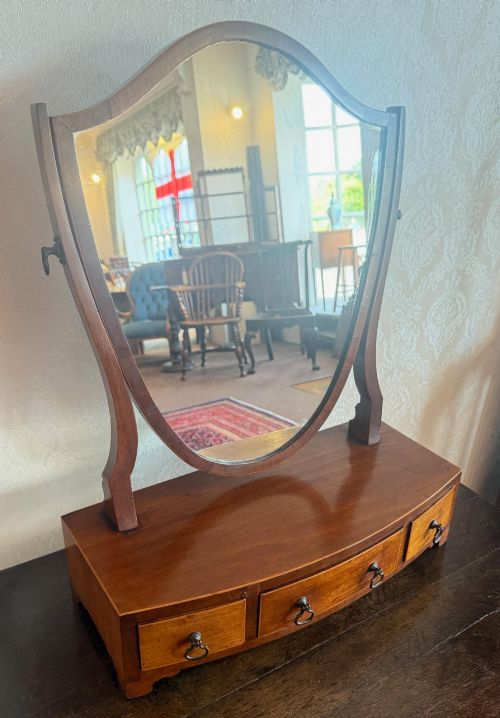
- Dressing mirror
- A tabletop glass mounted on upright pivots above a box base containing one or more small drawers. These pieces sat upon chests of drawers or dressing tables for personal grooming.
- Crossbanding
- A decorative border of veneer laid around the perimeter of a surface so that the grain runs perpendicular to the central panel. This technique frames drawer fronts and tabletops on better quality furniture.
- Cartonnier
- A specialised cabinet fitted with vertical tiers of pull out boxes or drawers designed for holding papers and documents. They represent a more formal French influenced storage form found in libraries and studies.
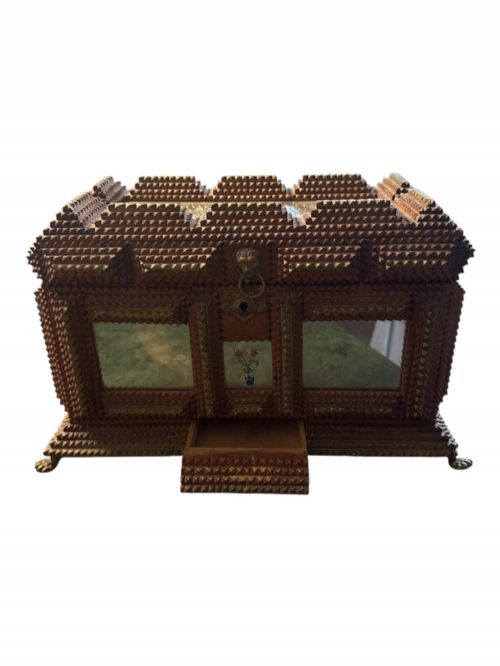
- Tramp art
- Folk sculpture created from discarded packing wood using simple pocket knives and notch carving techniques. Sweetheart boxes and small chests reflect this accessible, textured style.
Brown Wood Box Drawers: Frequently Asked Questions
What are brown wood box drawers used for?
These compact pieces serve to store small valuables, sewing accessories, documents, and personal grooming items. Miniature chests and boxes provide organised storage while occupying minimal surface space in a room.
Historically, specific designs catered to distinct trades or hobbies, ranging from watch repairers to collectors of natural specimens. Today they function effectively as decorative storage on larger desks, sideboards, and chests.
How do I date a wooden box with drawers?
Dating relies on observing construction methods, timber choices, and hardware styles. Eighteenth and nineteenth century pieces exhibit hand cut dovetails and native hardwoods like mahogany or oak.
Secondary woods inside drawers offer further clues, as do the style of brass handles and the type of mirror glass used in dressing table models. Examining the interior linings and base boards helps establish the period of manufacture.
Where should I place a miniature chest of drawers?
Miniature chests suit placement on top of sturdy side tables, larger chests of drawers, or dedicated shelf units. Their small footprint allows them to sit comfortably in hallways, studies, and bedrooms.
Keeping them away from direct heat sources and strong sunlight preserves the polished wood surfaces and prevents veneer from lifting. Stable indoor humidity protects both the timber carcase and internal drawer fits.
How do I care for antique small wooden boxes?
Maintenance involves dusting with a soft, dry cloth and applying occasional quality beeswax to nourish the timber. Avoid liquid polishes containing silicone, which can penetrate and damage historic wood finishes.
Handling drawers with care prevents wear to the internal runners and maintains the alignment of the wooden sides. Periodic checks of brass hardware ensure screws remain secure without overtightening.